Glanskop — History & Facts
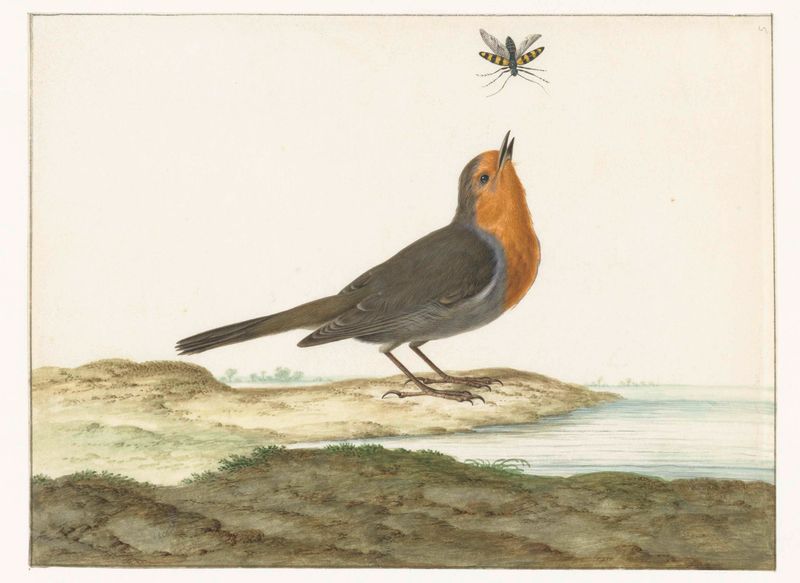
Is this a mirror — or a memory? In Glanskop, reflections unfold in layers, beckoning viewers to question the nature of perception and identity. Look closely at the serene expanse of water that dominates the composition, its surface a perfect glass that captures the looming trees and distant hills. Notice how the colors shift from deep greens to the soft hues of twilight, creating a tranquil yet introspective atmosphere. The brushwork is deliberate, each stroke allowing the light to dance across the water's surface, guiding your gaze towards the horizon where reality and illusion mingle. As you explore further, consider the contrasts at play: the calmness of the water juxtaposed with the ruggedness of the surrounding landscape, the stillness that hints at untold stories.
The reflection is not merely an echo of the physical world but a doorway to a deeper emotional landscape, suggesting that what we see may not always align with what we understand. The intricacies of the rippling water evoke thoughts of nostalgia, hinting at personal histories and collective memories. Johannes Bronkhorst painted Glanskop during the late 17th and early 18th centuries, a period marked by artistic exploration and introspection. Living in the Netherlands, he witnessed the evolution of Dutch landscape painting, where nature became a vessel for exploring human emotion and thought.
In this work, he captured not just a scene but a moment of reflection, inviting viewers to ponder their place within the world.