Glass Painting Number 5 — History & Facts
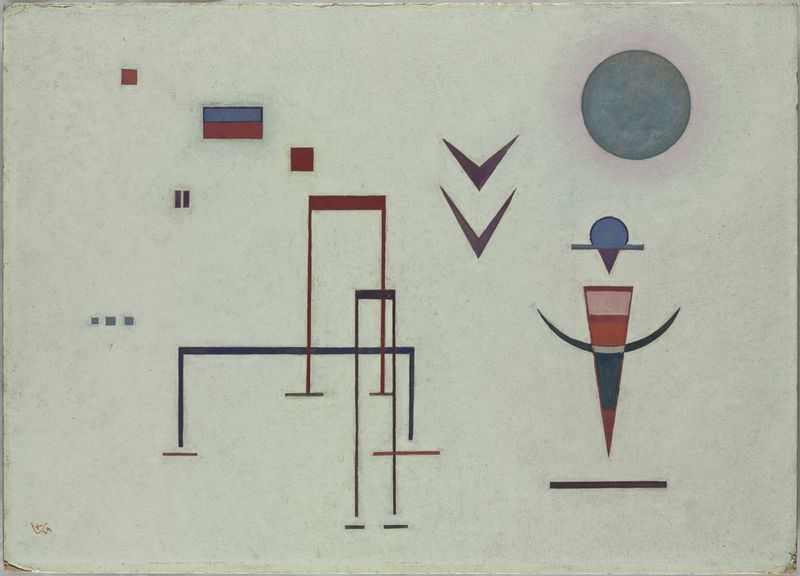
Who listens when art speaks of silence? In a world choked by noise, Glass Painting Number 5 invites viewers to embrace the stillness that often escapes us. It whispers of grief, resonating through its delicate glass surface, urging an exploration of what remains unsaid. Look closely at the gentle interplay of color and light that dances on the transparent layers. The muted blues and soft grays invite your gaze, while splashes of warmer tones punctuate the coolness, drawing the eye toward the center.
Notice how the glass refracts light, creating an ethereal glow that transforms the painting into a living entity, shifting with every angle and movement. Each contour and line holds a story, reflecting both the artist's intention and the viewer’s personal journey through loss. Beneath the surface, a complex web of emotions lingers. The transparent medium becomes a metaphor for vulnerability, suggesting that grief, while often isolating, can also connect us.
The soft edges evoke a sense of longing, while the bold strokes symbolize the tumultuous nature of mourning. Together, they create a poignant dialogue about how we carry our heartache — fragmented yet beautiful, ever-present yet sometimes imperceptible. In 1950, R. Thomas Schorer was deeply immersed in the Abstract Expressionist movement, producing works that challenged traditional boundaries.
At this time, he was exploring new materials and techniques, seeking to reflect the complexities of human emotion amidst a post-war landscape. His experimentation with glass painting not only marked a personal evolution but also contributed to the broader shift in contemporary art, as artists began to embrace abstraction as a means of existential expression.