Glass Point — History & Facts
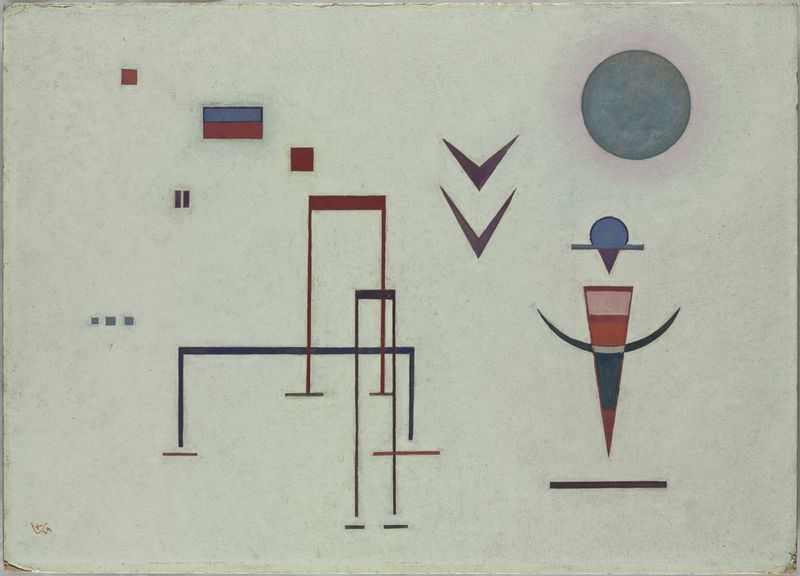
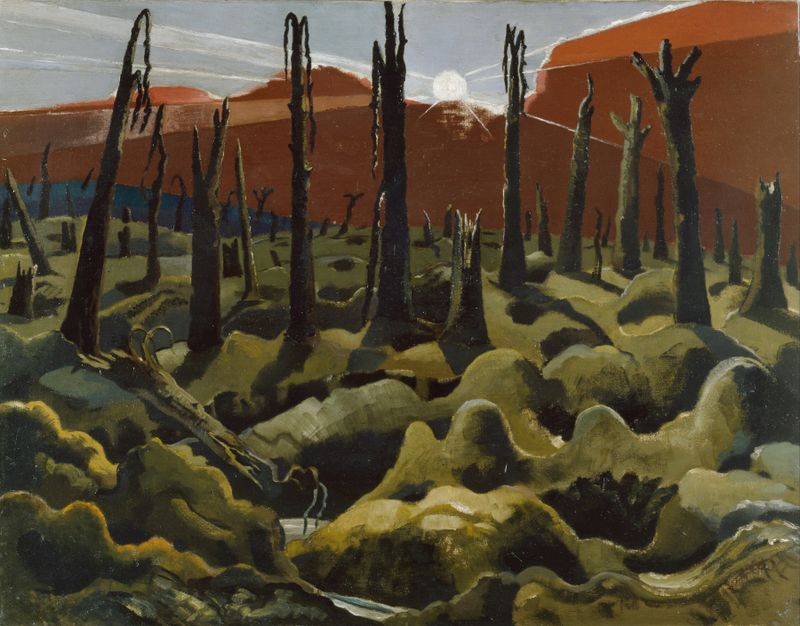
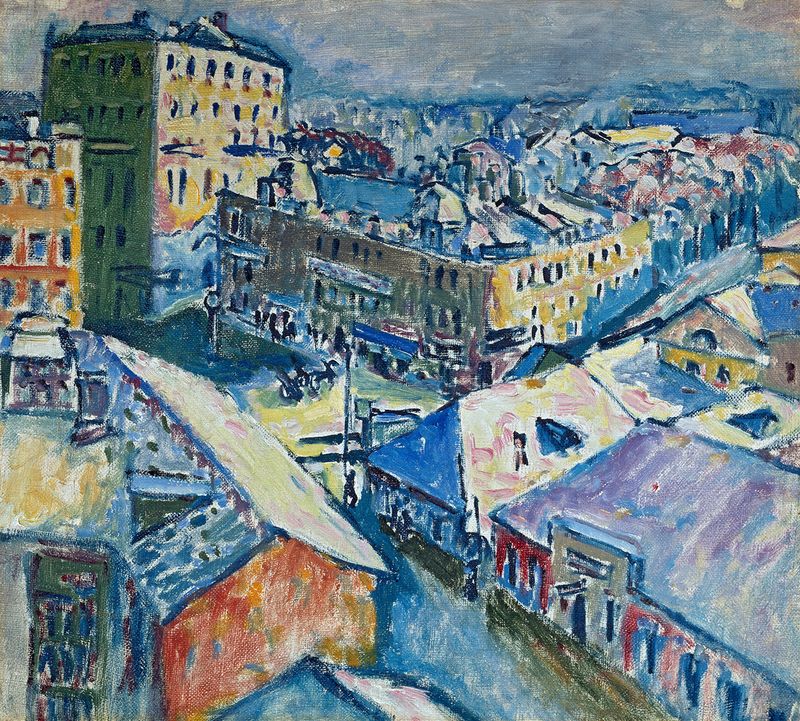
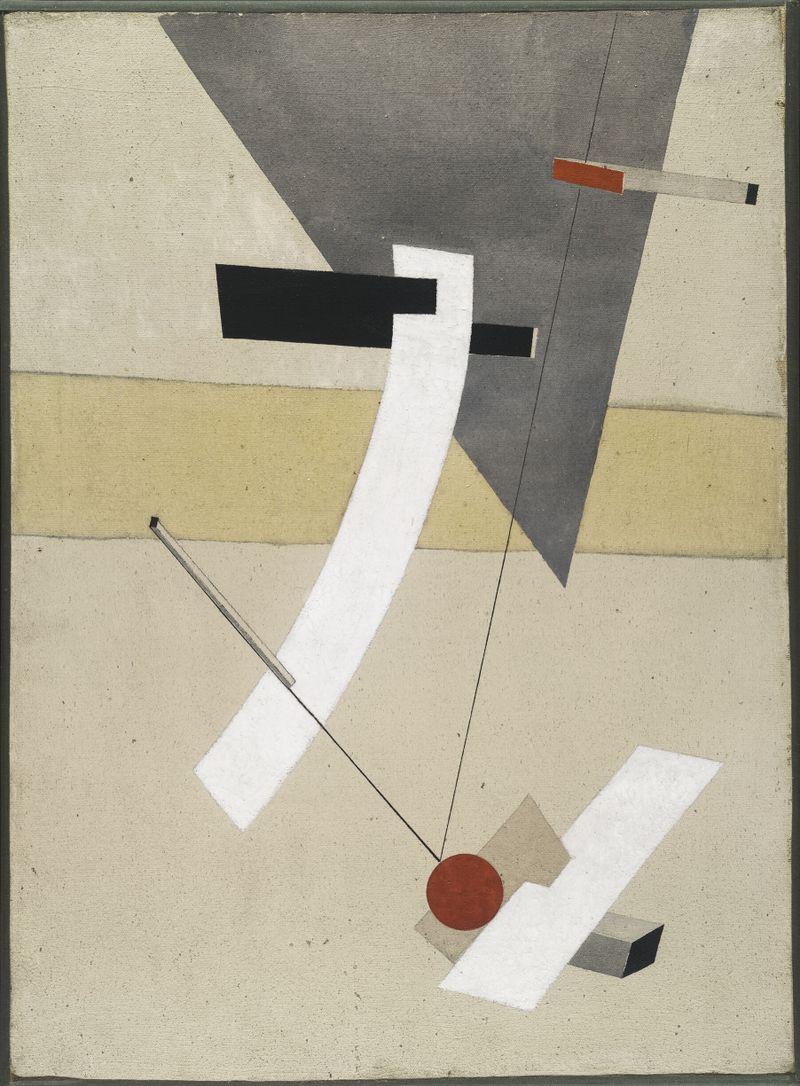
In moments of betrayal, our true selves emerge, laid bare for all to see. Look towards the vibrant interplay of colors first, where bold strokes of blue and orange collide, creating a dynamic tension that commands attention. Notice how the geometric shapes intersect, each one contributing to a sense of fragmented reality. The layers of paint give depth to the composition, inviting the viewer to explore the varied textures that speak to both chaos and harmony. Delve deeper into the relationships between these colors and forms.
The juxtaposition of the sharp edges against the softer curves evokes a sense of conflict, mirroring the turmoil of personal betrayal. These elements together seem to whisper secrets of unseen pain and the struggle for redemption. The bright yet dissonant hues reflect not just aesthetic choices but also emotional stakes, compelling the viewer to confront their own experiences of disloyalty. Larry Zox painted Glass Point during a transformative time in 1967-1968, a period marked by shifts in artistic expression and societal upheaval.
Working in New York City, Zox was deeply influenced by the rising trend of minimalism and the interplay of color and form. As he explored these new directions, this work encapsulated his thoughts on personal and societal fragmentation, revealing the complexities of human connection against a backdrop of cultural change.