Gourd-shaped ewer — History & Facts
Who listens when art speaks of silence? In the delicate curvature of a gourd-shaped ewer, emptiness becomes a profound dialogue—a vessel that invites reflection, yet offers none. Focus on the graceful silhouette that emerges from the canvas, a harmonious blend of earthy tones and subtle textures. The muted colors draw your eye toward the gentle swell of its body, emphasizing the emptiness it embodies. Notice how light seems to caress the surface, creating soft shadows that hint at both presence and absence, urging the viewer to contemplate what lies within. The ewer, a seemingly simple object, resonates with deeper themes of longing and solitude.
Its form, crafted with meticulous attention, suggests both utility and beauty, yet it remains devoid of water, symbolizing unfulfilled potential. Each curve and line speaks to a sense of quietude, inviting us to consider the stories that remain unheard, the silence that fills the spaces around us. Created between the 17th and 18th centuries, this piece reflects a time when artists began to explore more personal narratives within still life. Possibly crafted in a workshop where anonymity reigned, it captures a moment in an evolving world, where the pursuit of beauty began to intertwine with the introspection of individual experience.
With each passing century, the language of art emerged, inviting us to not only see but to listen.
More Artworks by Unknown Artist
Browse all →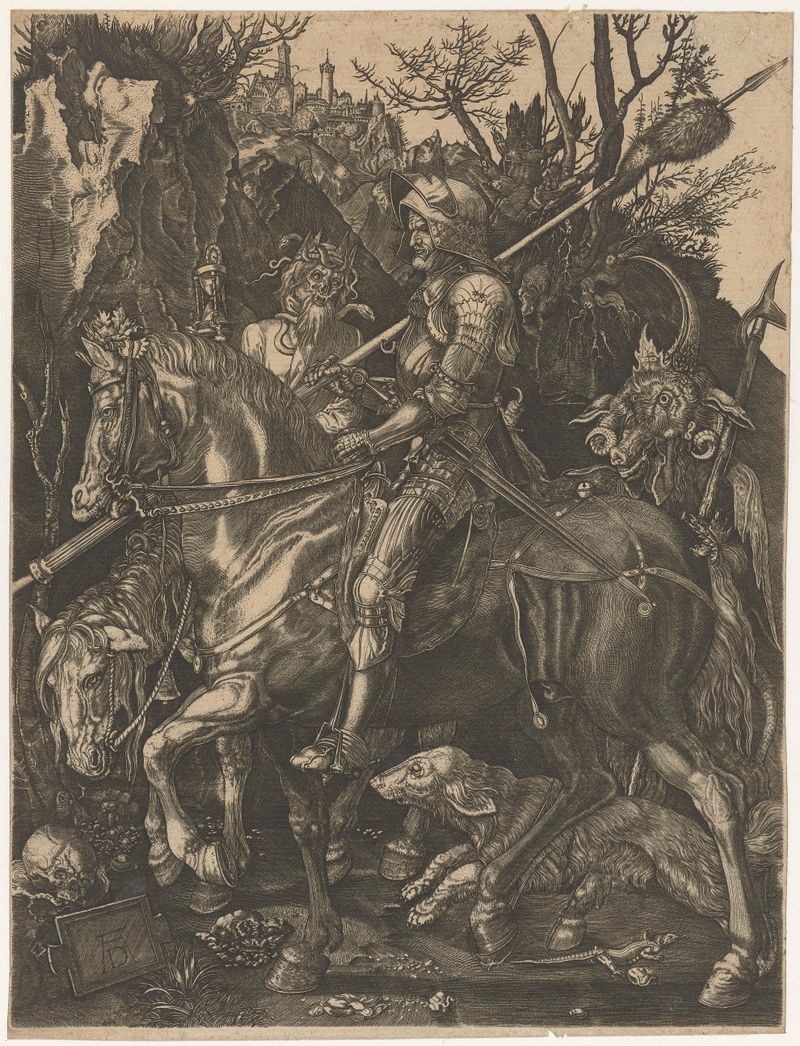
Ridder, Dood en Duivel
Unknown Artist
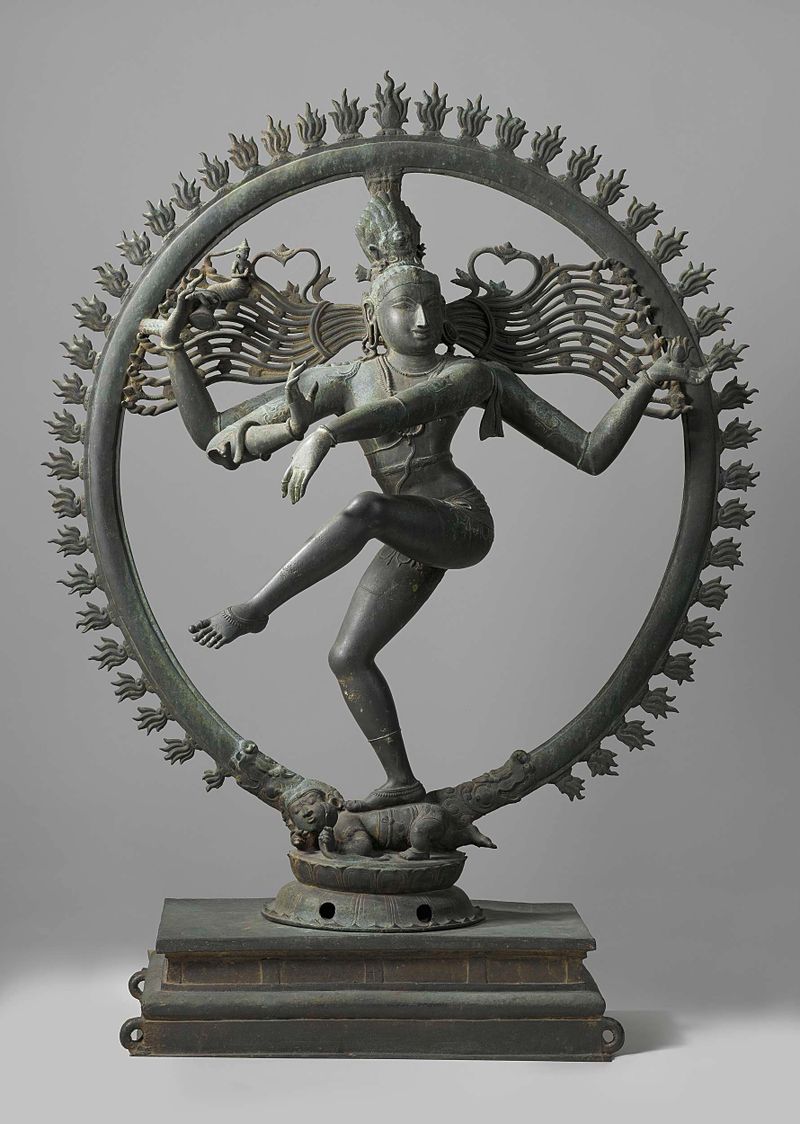
Shiva Nataraja
Unknown Artist
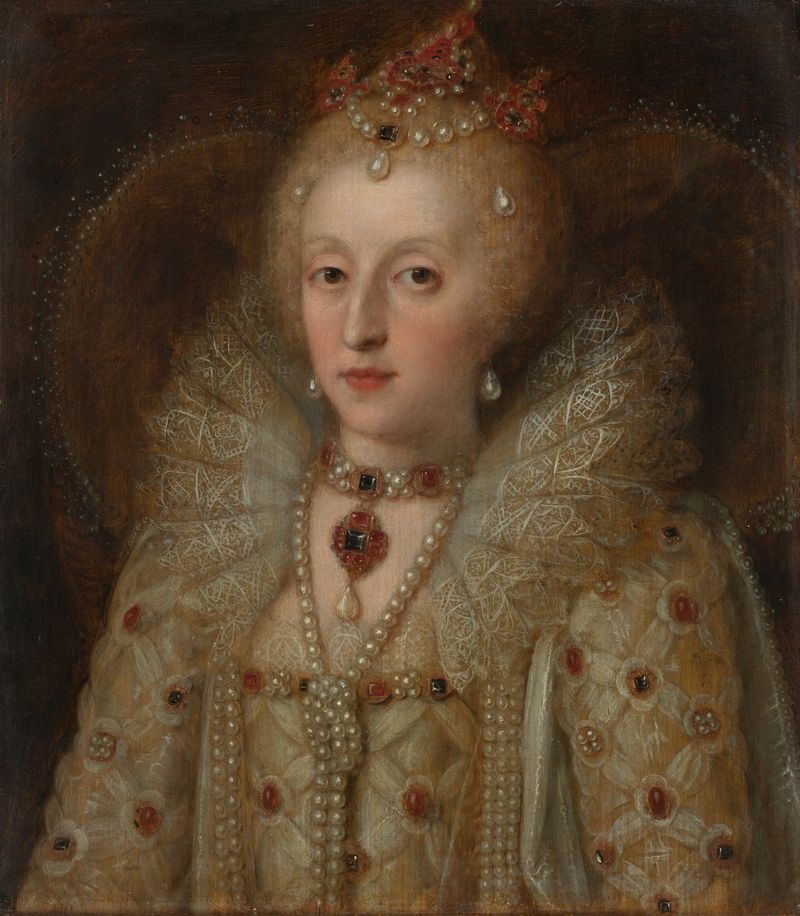
Portrait of Elizabeth I, Queen of England
Unknown Artist
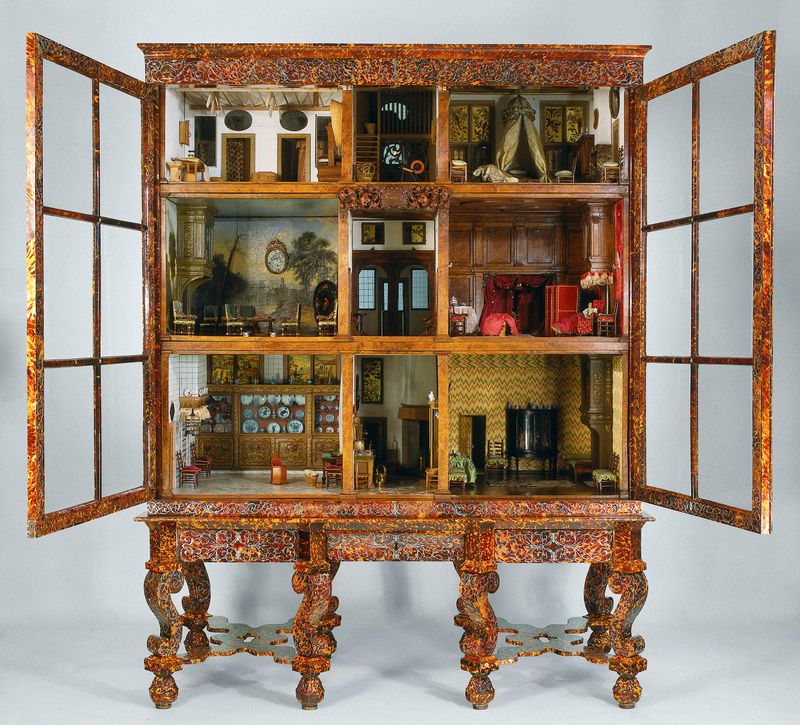
Dolls’ house of Petronella Oortman
Unknown Artist
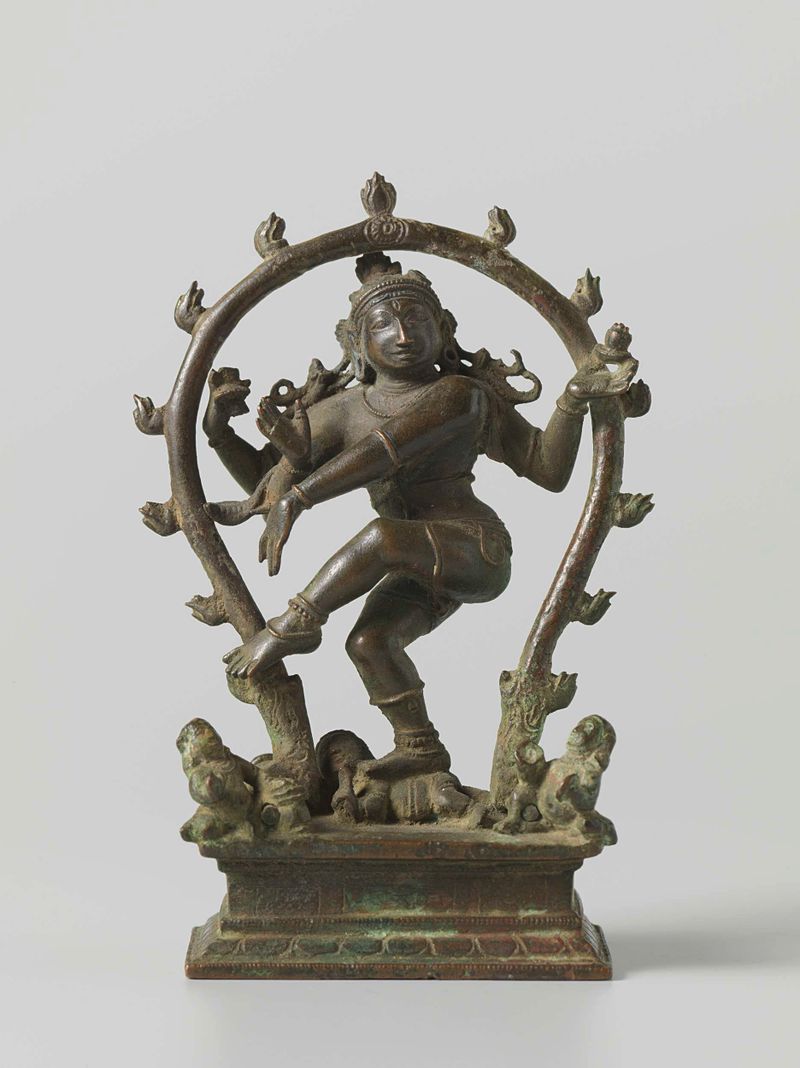
Shiva Nataraja
Unknown Artist

The Tale of Genji
Unknown Artist

The Tale of Genji
Unknown Artist
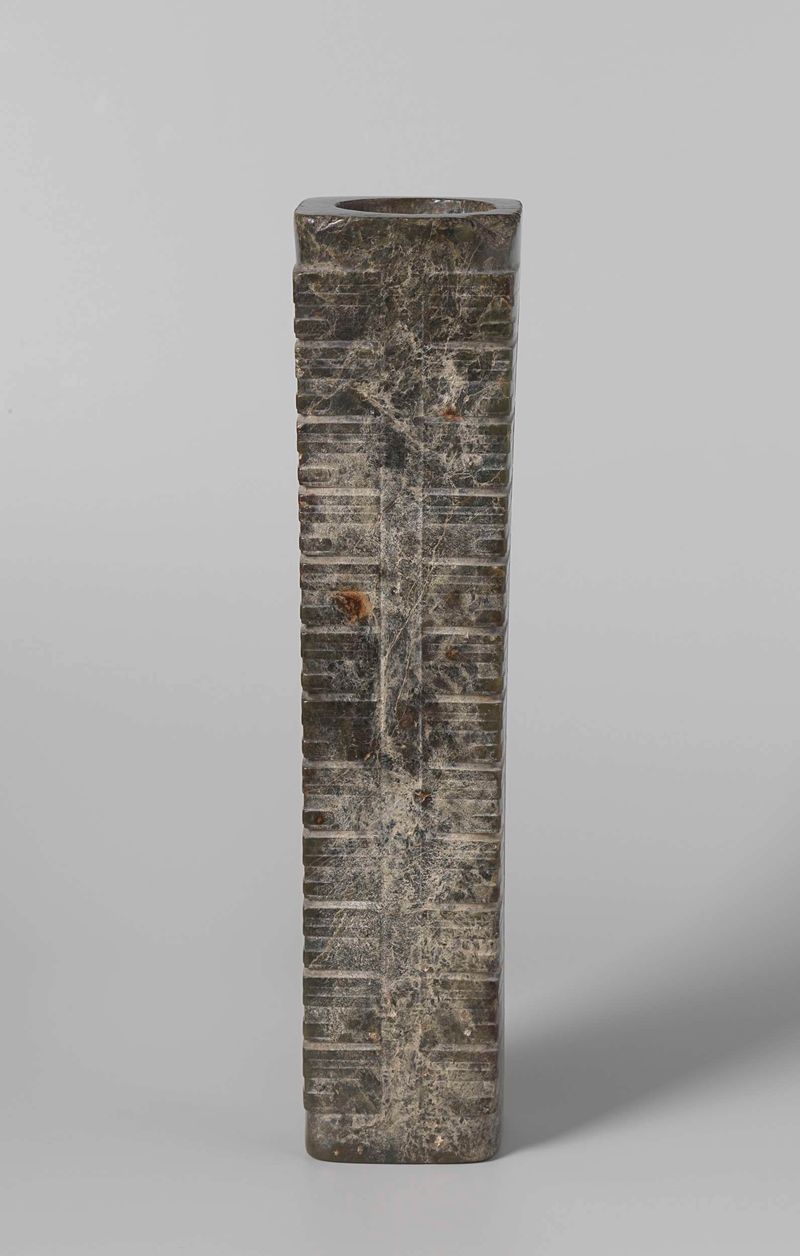
Cong
Unknown Artist
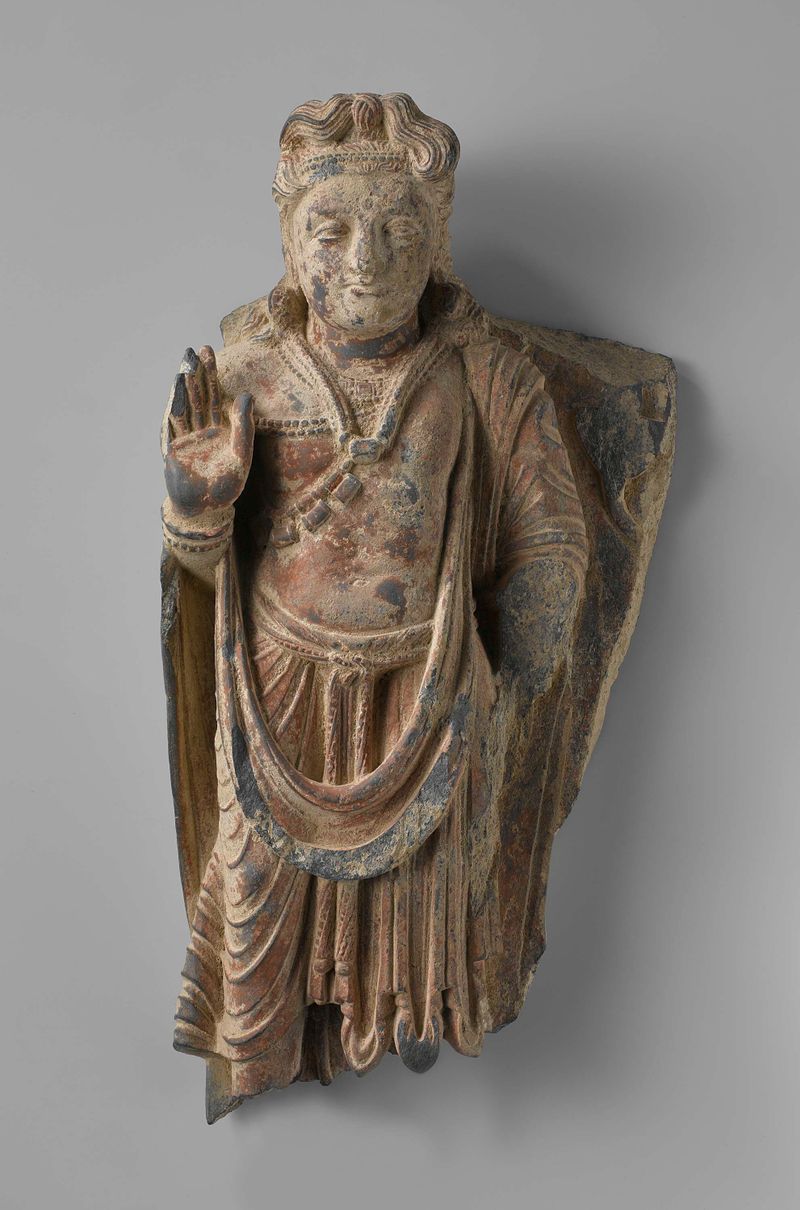
The bodhisattva Maitreya
Unknown Artist
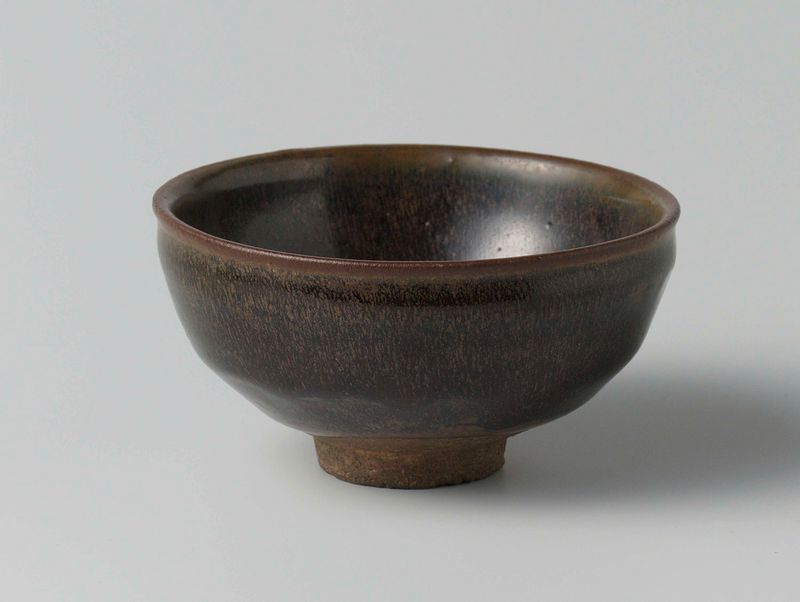
Teabowl with a 'hare's fur' glaze
Unknown Artist