
Graflegging van Christus — History & Facts
This poignant reflection invites us to explore the inherent tension in art that captures both suffering and grace, a duality echoed in the fabric of Graflegging van Christus. Focus on the central figure, where the lifeless body of Christ dominates the canvas. The careful draping of rich fabrics envelops him, their opulence contrasting starkly with the pallor of his skin. Notice how the artist employs a muted palette of earth tones, allowing the subtle gold accents to shimmer, illuminating the somber scene as if to acknowledge the sacredness of loss.
The expressions of the figures surrounding him add to the weight of the moment, drawing our gaze to the sorrow etched in their faces. Delve deeper into the emotional landscape: the gentle, almost reverent way the figures cradle the body speaks to a profound intimacy in mourning. The juxtaposition of the lavish fabrics with the stark reality of death reflects an acknowledgment of beauty even in sorrow, suggesting that pain is woven intricately into our appreciation of life. Furthermore, the careful arrangement of figures—some in anguish, others in solemn acceptance—highlights the varied ways humanity grapples with grief. Created between 1480 and 1500, this work emerges from a period rich with spiritual introspection and artistic innovation.
It reflects the late Gothic era's fascination with themes of mortality and divinity, as artists sought to convey the profundity of human experience. The unknown creator was likely influenced by the prevailing Renaissance ideals that celebrated human emotion while grappling with the complexities of faith, making this piece a significant contribution to its time.
More Artworks by Unknown Artist
Browse all →
Ridder, Dood en Duivel
Unknown Artist
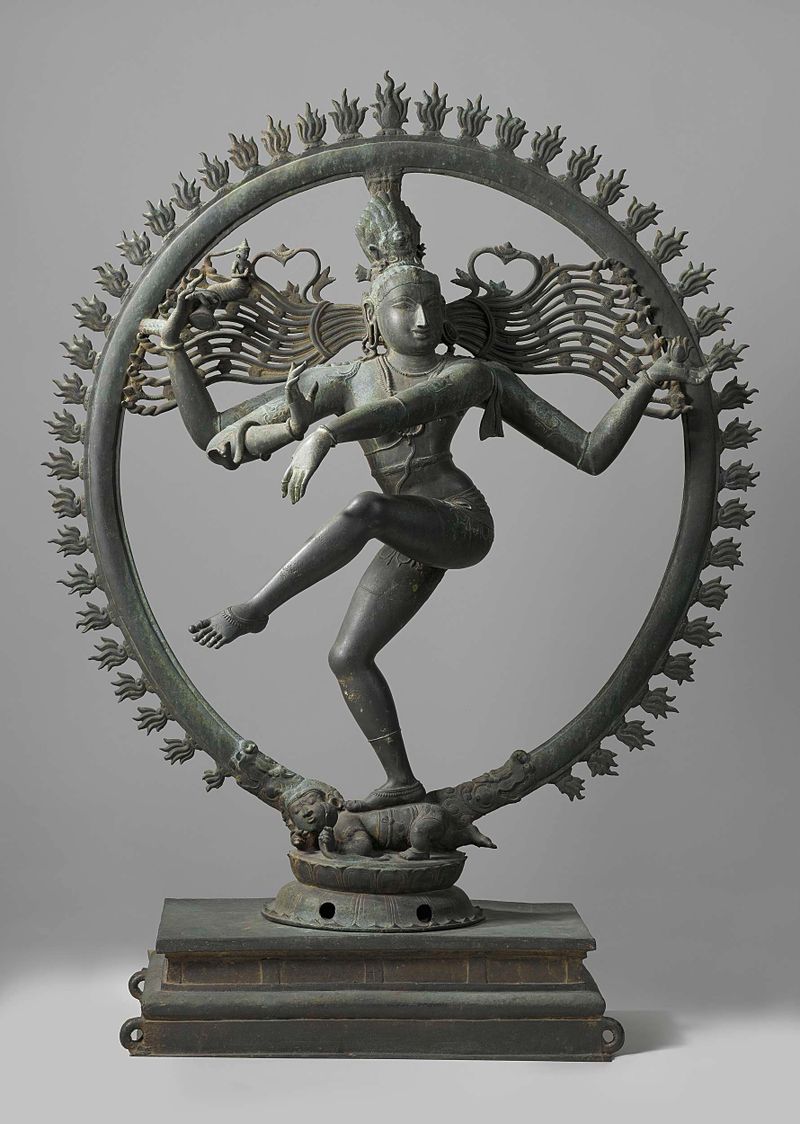
Shiva Nataraja
Unknown Artist
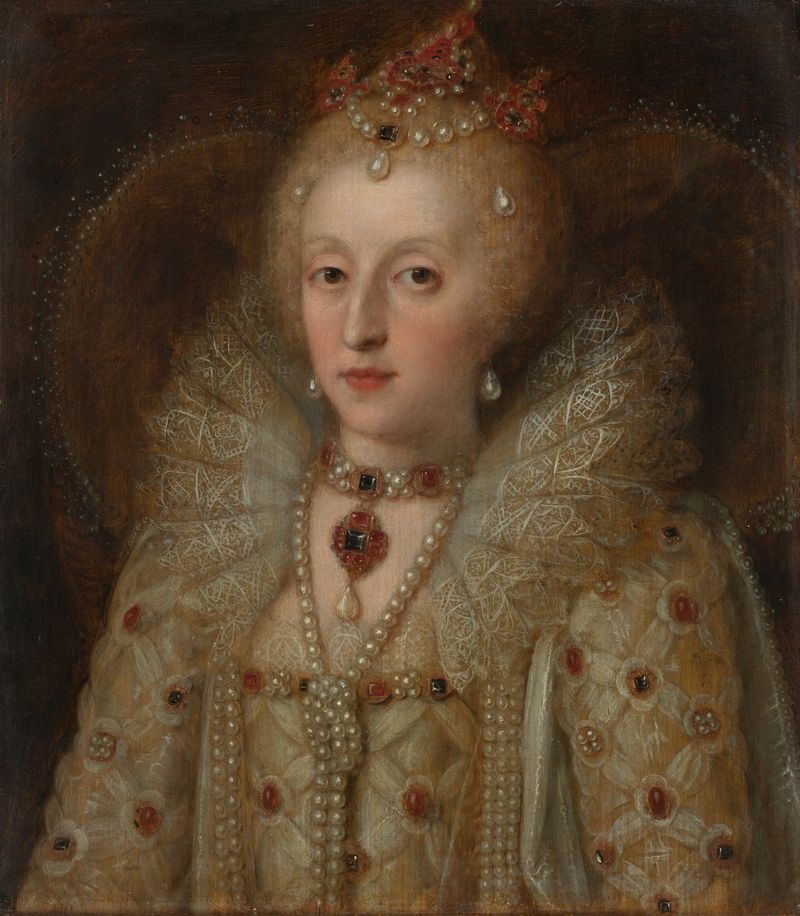
Portrait of Elizabeth I, Queen of England
Unknown Artist
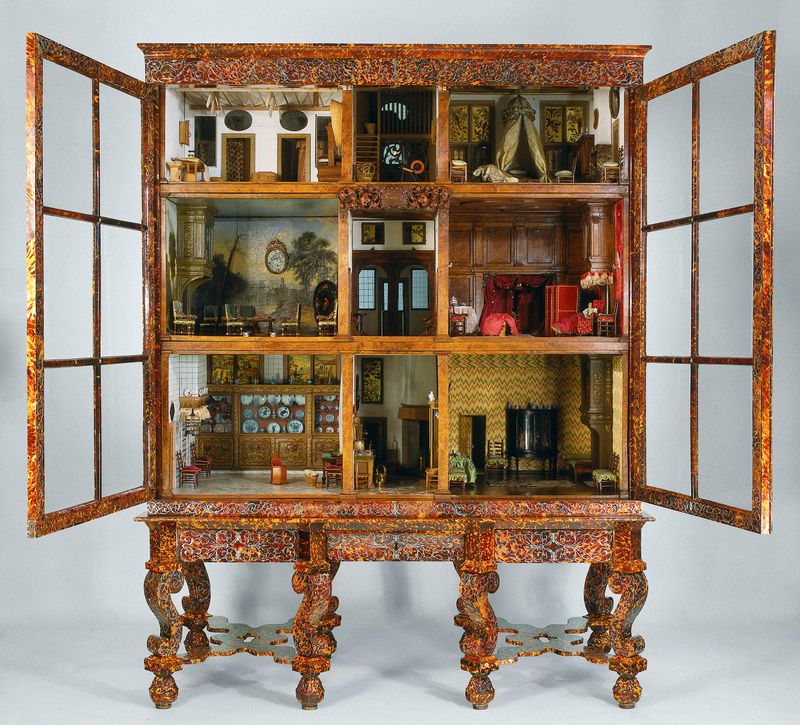
Dolls’ house of Petronella Oortman
Unknown Artist
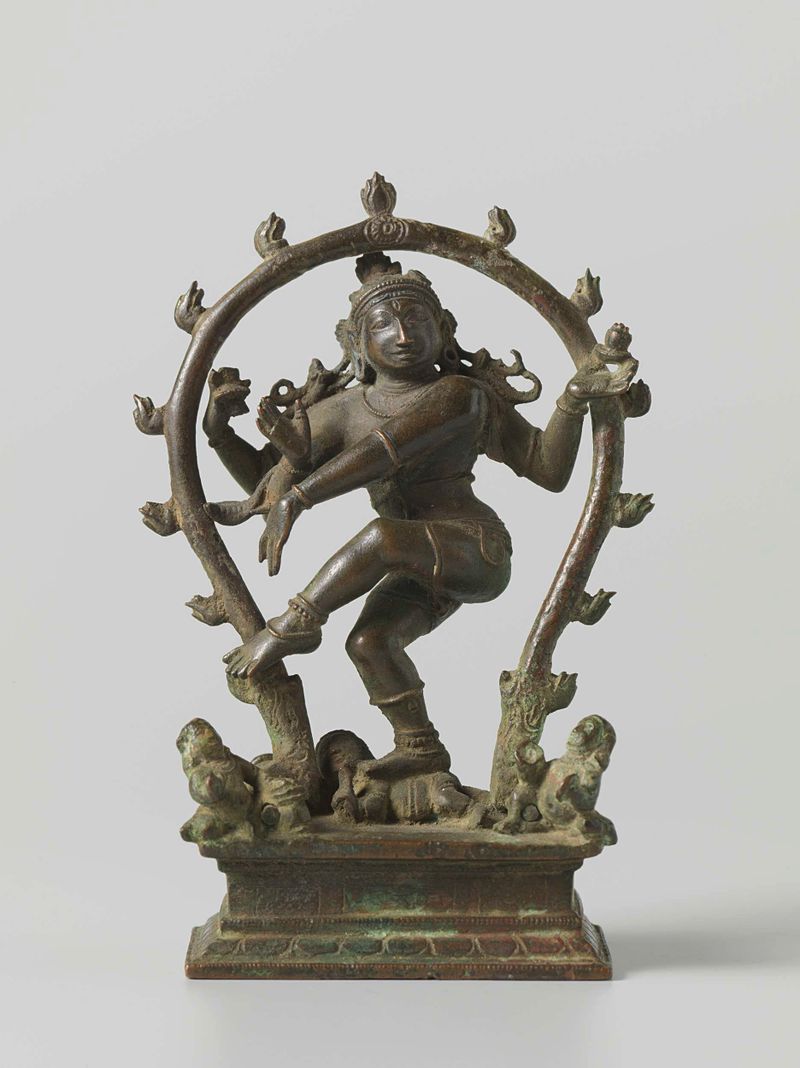
Shiva Nataraja
Unknown Artist

The Tale of Genji
Unknown Artist

The Tale of Genji
Unknown Artist

Cong
Unknown Artist
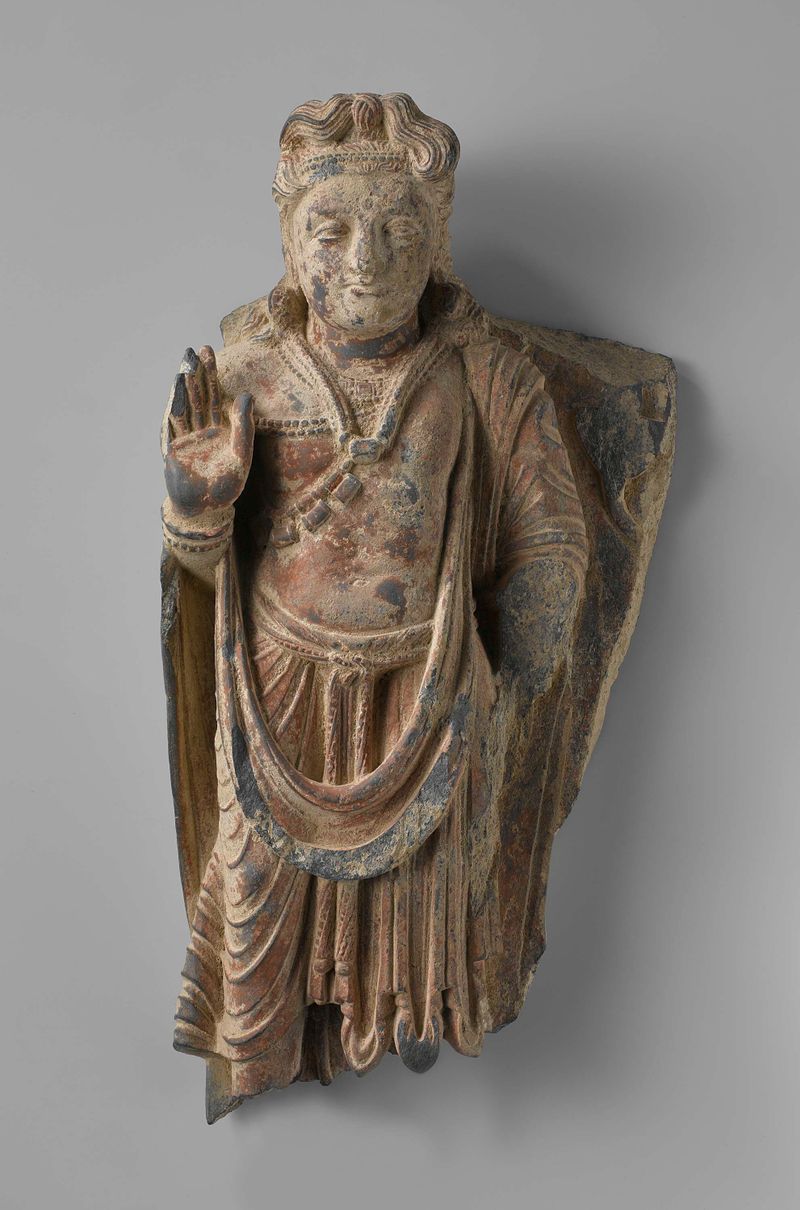
The bodhisattva Maitreya
Unknown Artist

Teabowl with a 'hare's fur' glaze
Unknown Artist
More Religious Art
Browse all →
The Return of the Prodigal Son
Rembrandt van Rijn

The Garden of Earthly Delights
El Bosco

Count Orgaz’ funeral
El Greco

The Hundred Guilder Print: the central piece with Christ preaching, the plate arched
Rembrandt van Rijn

The Descent from the Cross
Rogier van der Weyden

The return of the prodigal son
Rembrandt van Rijn