Grand Canyon — History & Facts
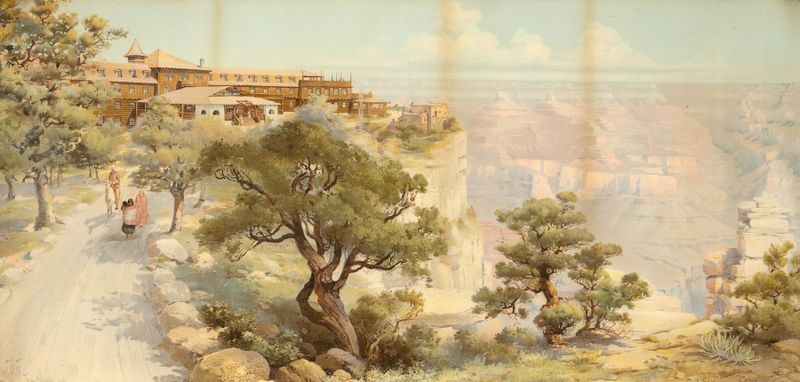
Can paint confess what words never could? The silent depths of yearning and vastness echo in the sweeping embrace of the landscape, inviting us into a world both familiar and untouched. Look to the horizon where the warm, muted earth tones blend seamlessly with the cool blues of the sky. The jagged cliffs rise dramatically, their surfaces textured with strokes that seem to breathe life into the stone. Notice how the interplay of light and shadow cascades across the canyon, illuminating crevices and casting long shadows that suggest both the passage of time and the weight of history.
The composition draws your eye deep into the heart of the landscape, where the meandering river hints at untold journeys. Beneath its grandeur lies a profound emotional tension — the contrast between the tranquility of the scene and the overwhelming scale of nature. Each layer of rock tells a story of erosion and resilience, while the delicate balance of light evokes a sense of introspection and longing. The viewer may sense a yearning, not just for the physical vastness portrayed, but for a connection to the sublime beauty that exists beyond mere words.
This landscape captures the struggle and beauty of existence itself. Louis Benton Akin painted this work during a period when the American West was becoming a focal point in artistic expression. Emerging in the early 20th century, he sought to explore the relationship between man and nature. This artwork, created in an era marked by industrial growth and the increasing lure of the wild, reflects a growing appreciation for natural landscapes as both artistic subjects and places of refuge.