
Grandfather’s mill — History & Facts
Can beauty exist without sorrow? In the delicate balance of life, movement often carries both the weight of joy and the shadows of loss. Look closely at the center of the composition. The mill stands proudly, its wooden structure brimming with character, while soft curves of the surrounding landscape cradle it gently. Notice how the artist employs a palette of muted greens and browns, reflecting tranquility yet echoing the passage of time.
The rippling water below glints like a silken ribbon, inviting the viewer’s gaze, while the textured sky above hints at the day's waning light, imbuing the scene with a sense of nostalgia. As you explore further, observe the subtle interplay between the mill and its surroundings. The flowing water and the movement of the wind through the trees evoke a gentle, almost melancholic rhythm, suggesting change and transience. The interplay of light and shadow conveys not only the physical expanse of the setting but also a deeper emotional narrative—one that speaks to the persistence of memory as it dances with the inevitable march of time. Created in 1880, this work emerged during a period of significant industrial advancement, where traditional practices like milling were facing obsolescence.
The artists behind this lithograph were capturing a scene that resonated with many, reflecting both a longing for the past and an acknowledgment of the changes sweeping through society. In this moment, the mill stands as a poignant reminder of heritage, gently cradled between the beauty of nature and the march of progress.
More Artworks by Gibson & Co. Lith
Browse all →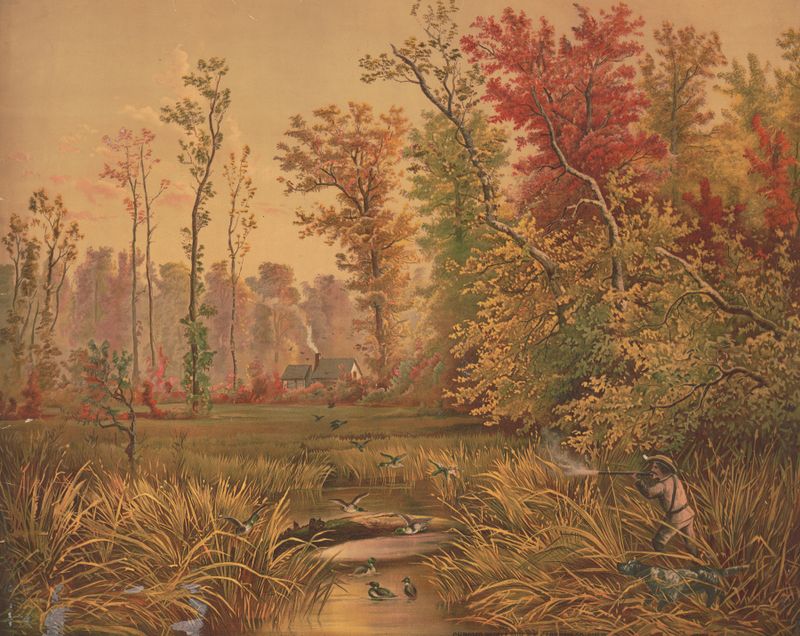
Duck shooting in Indiana
Gibson & Co. Lith
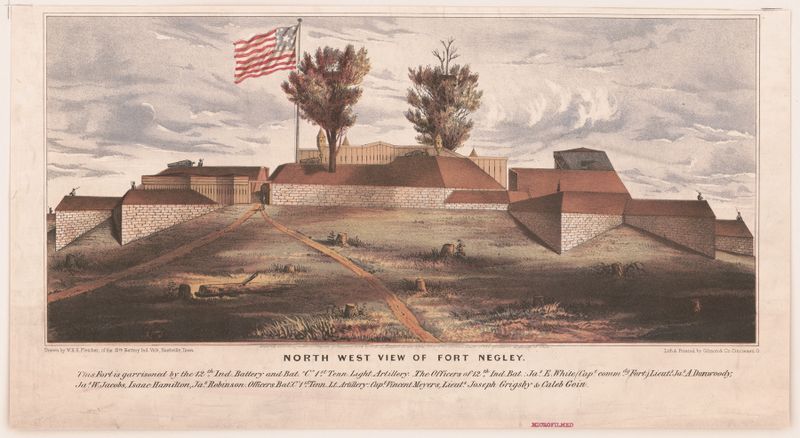
North west view of Fort Negley
Gibson & Co. Lith
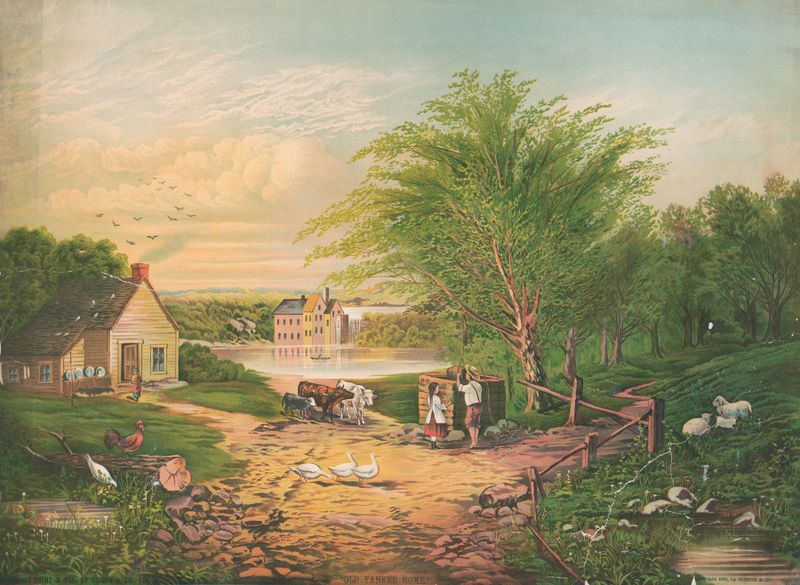
Old Yankee home
Gibson & Co. Lith
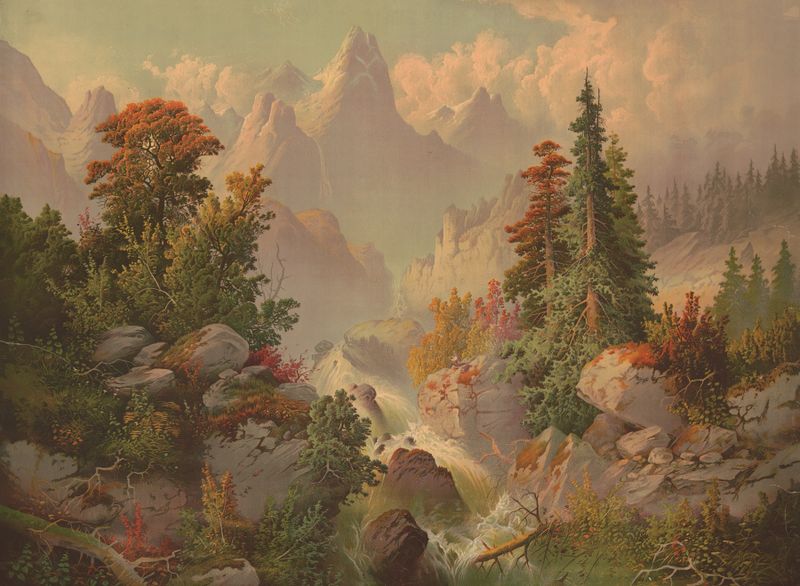
Cascade in the Rocky Mountains
Gibson & Co. Lith

Venice pride of the sea
Gibson & Co. Lith
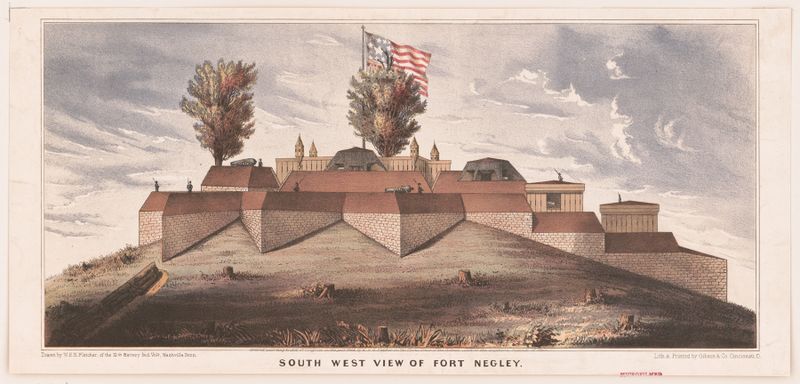
South west view of Fort Negley
Gibson & Co. Lith
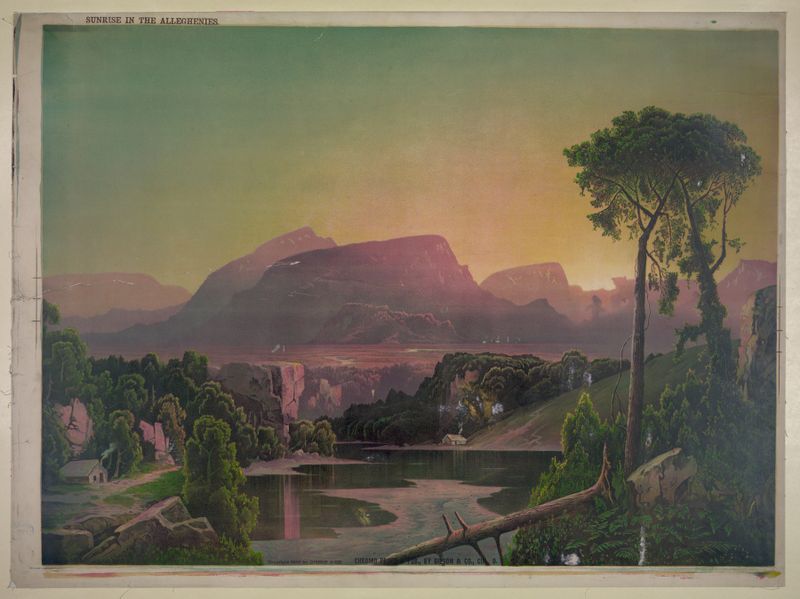
Sunrise in the Alleghenies
Gibson & Co. Lith
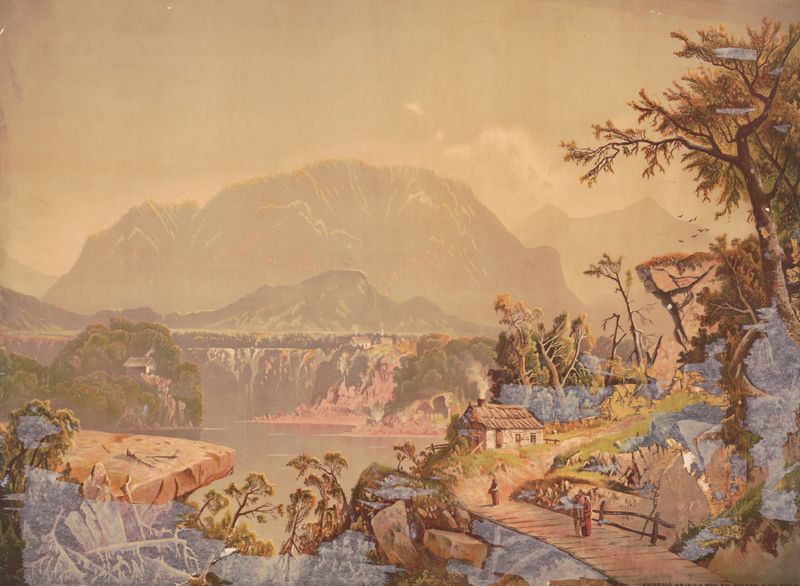
Morning on the Penobscot
Gibson & Co. Lith
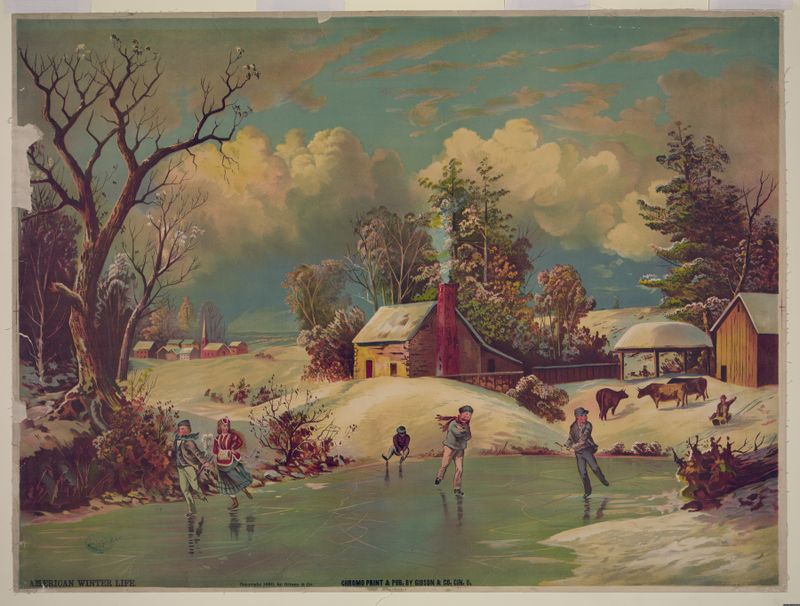
American winter life
Gibson & Co. Lith
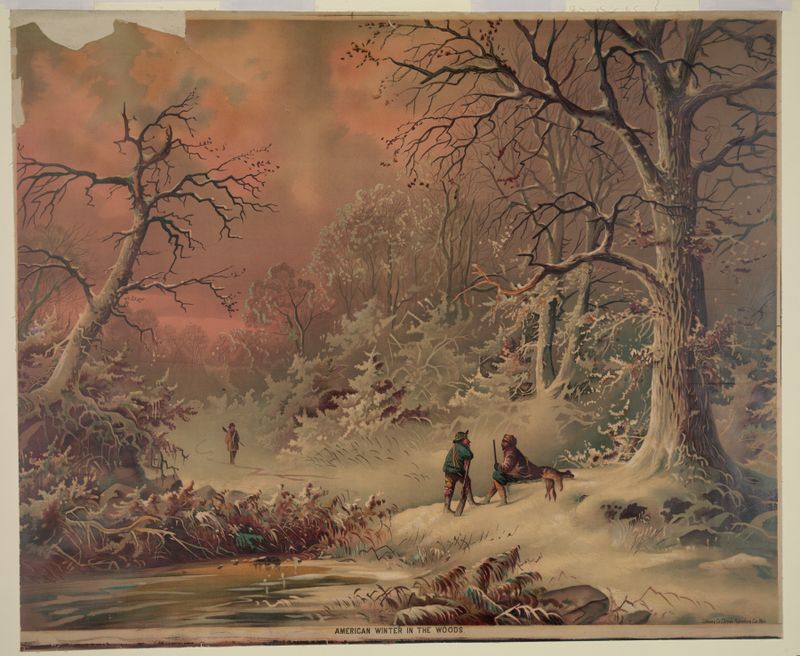
American winter in the woods
Gibson & Co. Lith





