Grapes, Rome — History & Facts
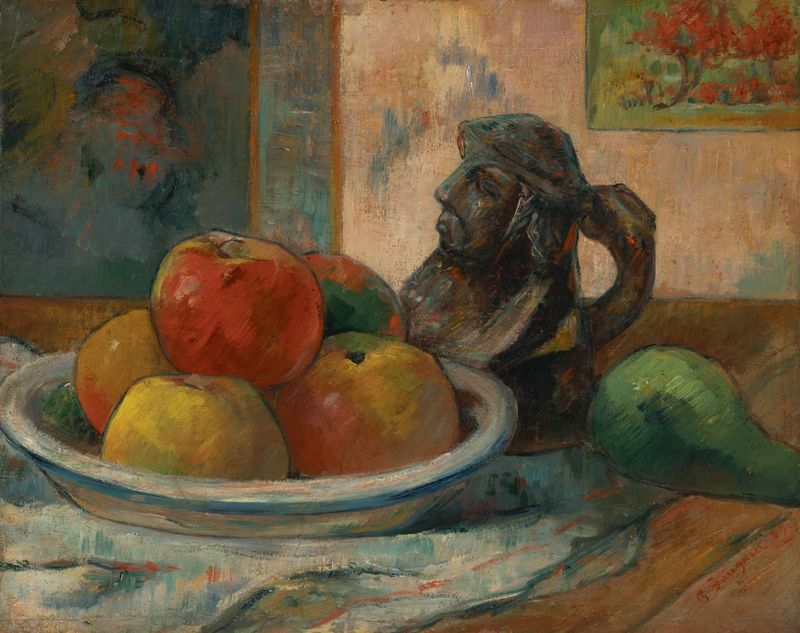
When did color learn to lie? The vibrant hues of Grapes, Rome beckon the viewer into a world where reality blurs into exquisite illusion, revealing more than mere fruit. Each grape, bathed in sunlight, transcends its simplicity, inviting contemplation on the nature of perception and the truths we seek. Look closely at the luscious clusters of grapes on the table, their skin glistening with dew-like droplets. Notice how the light dances across the curved surfaces, highlighting the deep purples and greens, creating an almost three-dimensional effect.
The composition, with its careful arrangement, draws your eye across the canvas, making each grape a character in this visual narrative. The skillful brushwork combined with the rich color palette generates a sense of vitality, urging you to reach out and touch what seems so real yet is captured in oil. Beneath the surface, this painting reveals the tension between nature and artifice. The grapes, while stunningly realistic, serve as a metaphor for the layers of deceit in beauty; they are perfect but not untouched.
Each shadow hints at the darkness of human experience, as lush abundance can often mask deeper truths. This interplay of light and shadow encourages an exploration of duality—how what is outwardly pleasing may conceal complexities beneath. In 1851, George Henry Hall was immersed in the vibrant art scene of mid-19th century America. Living in Rome, he was inspired by the Italian Renaissance and the naturalistic approach to still life.
This period marked a growing fascination with realism and the interplay of light, positioning Hall as a key figure who captured the essence of beauty while questioning its authenticity.