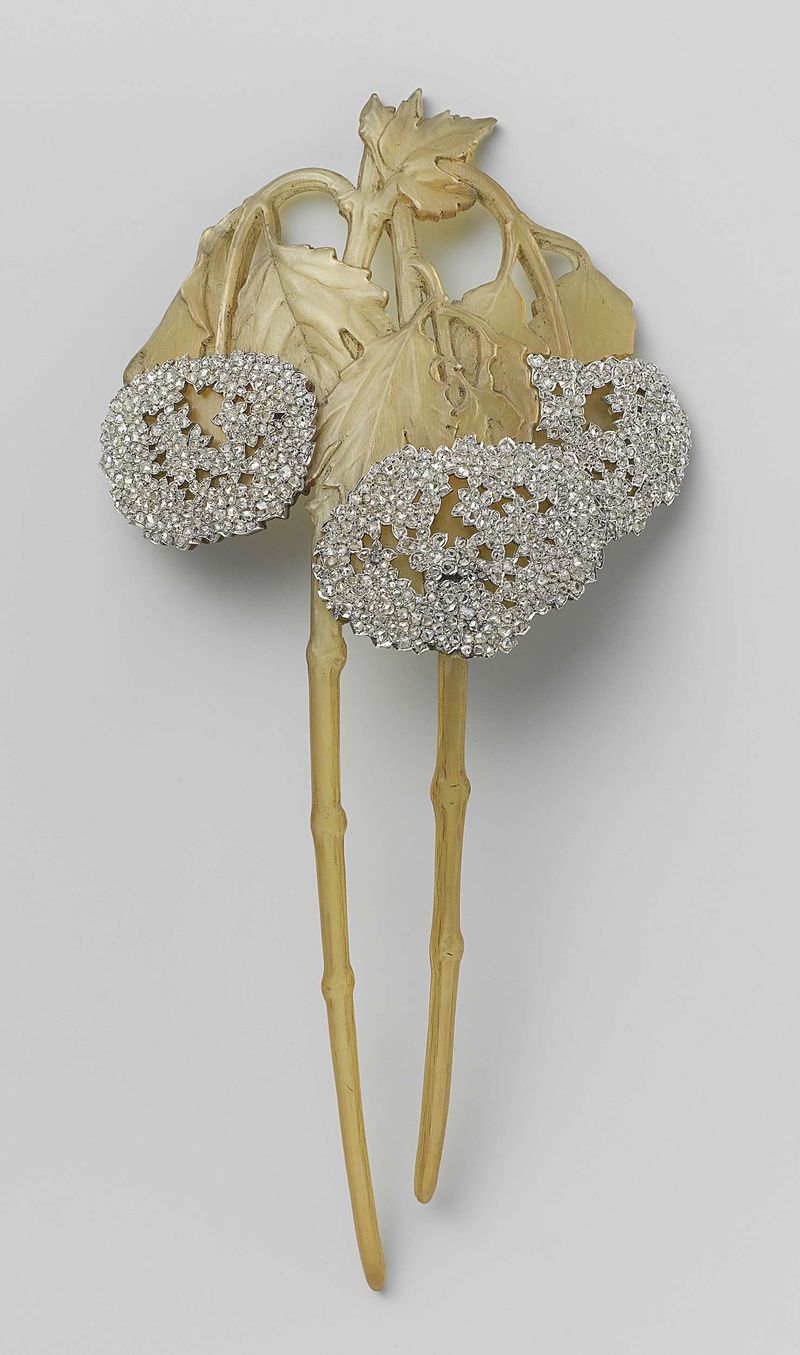
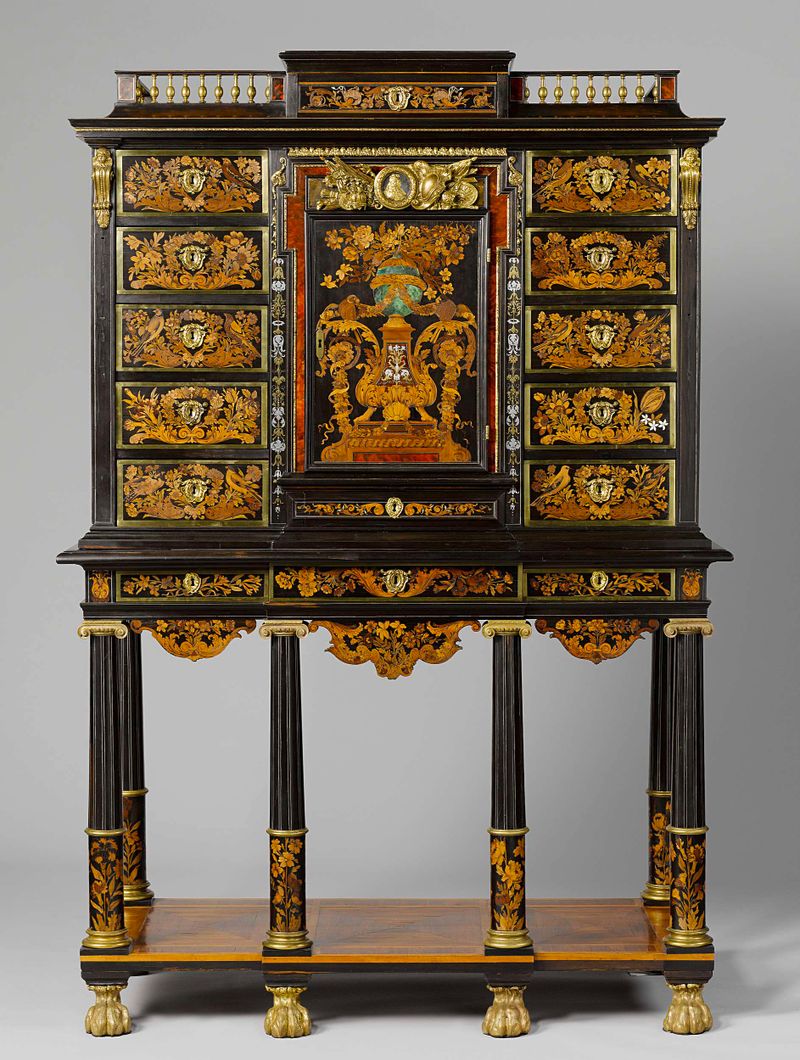
Haarkam van (imitatie) schildpad met brede rug die een schelpachtige vorm in reliëf heeft — History & Facts
In the silence of its surface, a delicate balance of strength and fragility emerges, inviting contemplation of life’s transient beauty. Look closely at the intricate texture of the shell-like form, where the relief captures light in a dance of shadows and highlights. Notice the rich browns and creams, echoing the natural hues of the tortoiseshell, while the broad contours suggest a solidity that belies the vulnerability inherent in its creation. This craftsmanship, precise yet organic, draws the eye to the subtle imperfections revealing the artist’s hand, as if holding a mirror to both nature and artistry. Delve deeper into the emotional resonance of this object: the tension between the fragility of its material and the timelessness it aims to capture.
The broad back, while seemingly robust, hints at the vulnerability of life itself, a reminder that even the most sturdy exteriors can conceal frailty. This duality embodies the relentless passage of time, where beauty and decay coexist, urging the viewer to reflect on their own transience. Created between 1800 and 1825, this piece reflects a period of burgeoning exploration in decorative arts, where artists began to embrace nature’s forms with renewed vigor. In a world increasingly enamored with industrialization, this work serves as a testament to the enduring allure of handcrafted beauty, capturing a moment when craftsmanship was both an art and a meditation on existence.
More Artworks by Unknown Artist
Browse all →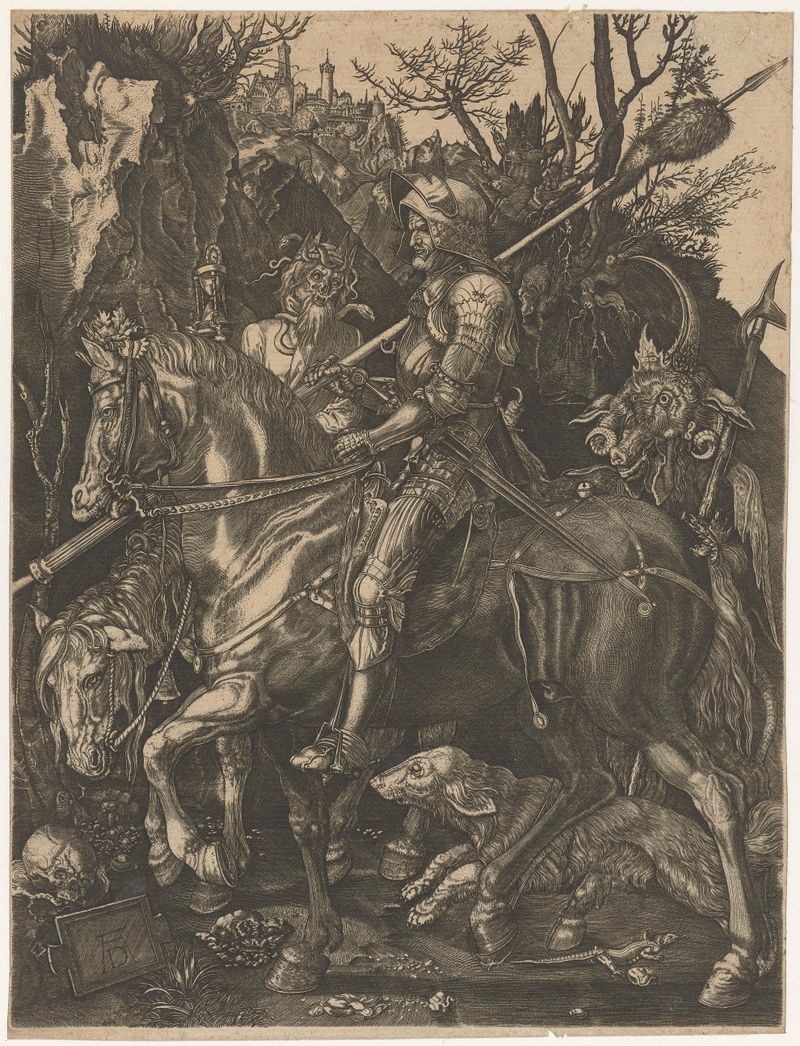
Ridder, Dood en Duivel
Unknown Artist
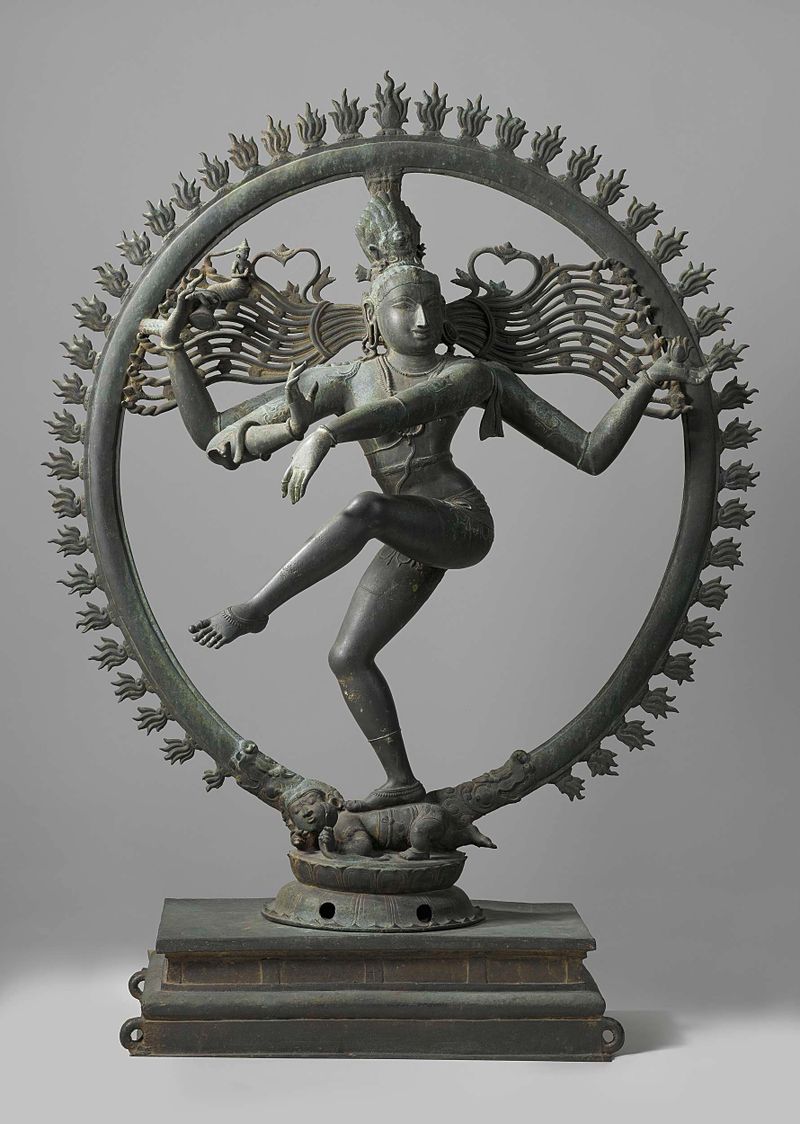
Shiva Nataraja
Unknown Artist
Portrait of Elizabeth I, Queen of England
Unknown Artist
Dolls’ house of Petronella Oortman
Unknown Artist
Shiva Nataraja
Unknown Artist

The Tale of Genji
Unknown Artist

The Tale of Genji
Unknown Artist
Cong
Unknown Artist
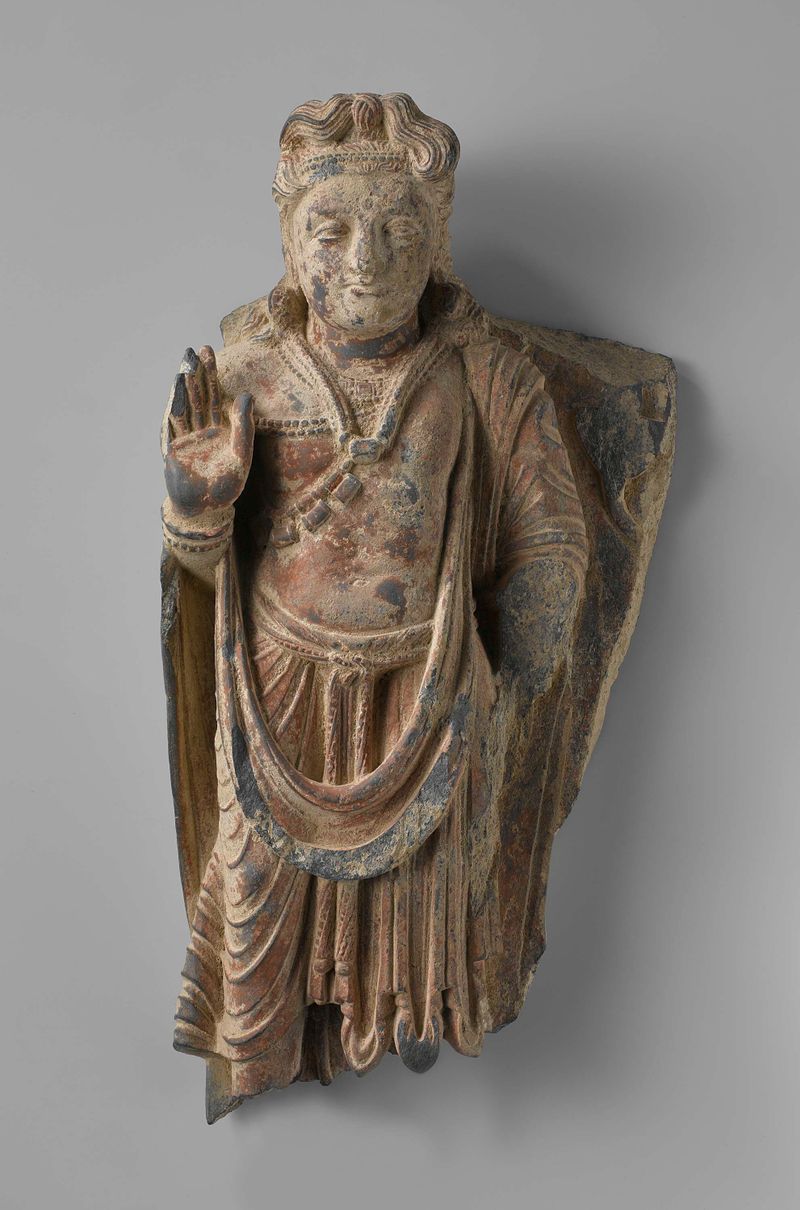
The bodhisattva Maitreya
Unknown Artist
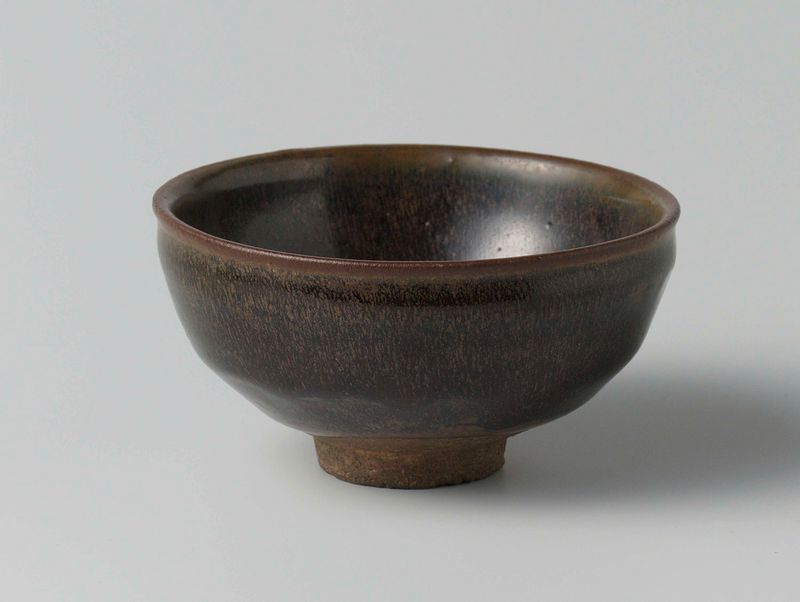
Teabowl with a 'hare's fur' glaze
Unknown Artist