
Haderslev — History & Facts
Can beauty exist without sorrow? In Haderslev, the answer lingers in the delicate balance of a serene landscape tinted with a subtle undercurrent of melancholy. Look to the left, where the faint outlines of a distant town emerge, nestled against a backdrop of softly undulating hills. The artist’s brush strokes capture the gentle interplay of light at dusk, bathing the scene in a soft, golden hue. Focus on the reflective surface of the water, where ripples distort the colors, hinting at the transience of both beauty and time.
The composition invites the viewer to wander through this tranquil vista, where each element feels intentionally placed to evoke a moment lost in reflection. Yet, as the eye travels through the idyllic scenery, an unsettling depth arises. The muted palette suggests an inherent sadness, as shadowy clouds loom above, hinting at the inevitable passage of time and fleeting joy. The boat anchored in the foreground, though seemingly at peace, stirs feelings of solitude, representing the quiet struggles that lie beneath calm exteriors.
This contrast between the beauty of nature and the ache of existence resonates deeply, making the viewer ponder their own experiences of loss and longing. Created between 1822 and 1823, the work emerged during a transformative period in Denmark, where national identity was becoming increasingly significant. Lange, a lesser-known figure in the Romantic movement, sought to capture the emotional landscape of his homeland. At this time, artists were exploring themes of nature, nostalgia, and introspection, often reflecting the complexities of human emotion through their art.
The result is a hauntingly beautiful piece that urges contemplation on the intertwining threads of joy and sorrow.
More Artworks by Søren L. Lange
Browse all →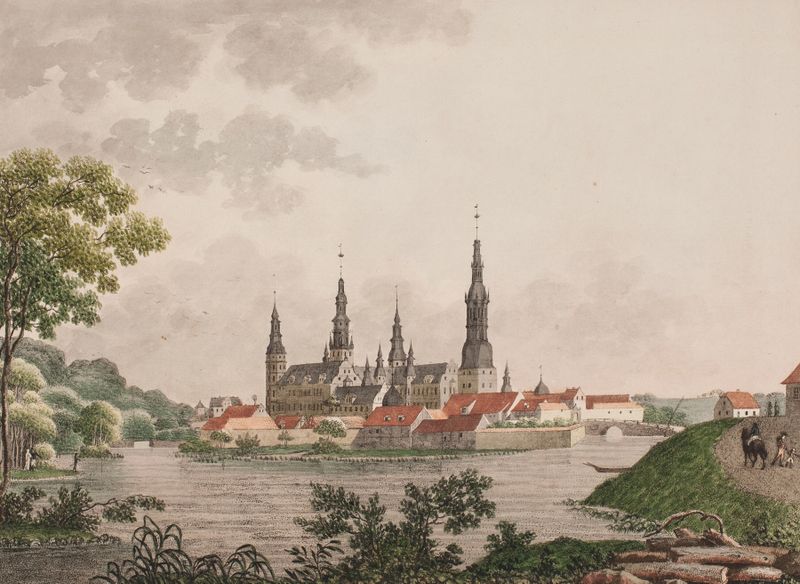
Prospekt af det kongelige slot Frederiksborg på Sjælland
Søren L. Lange
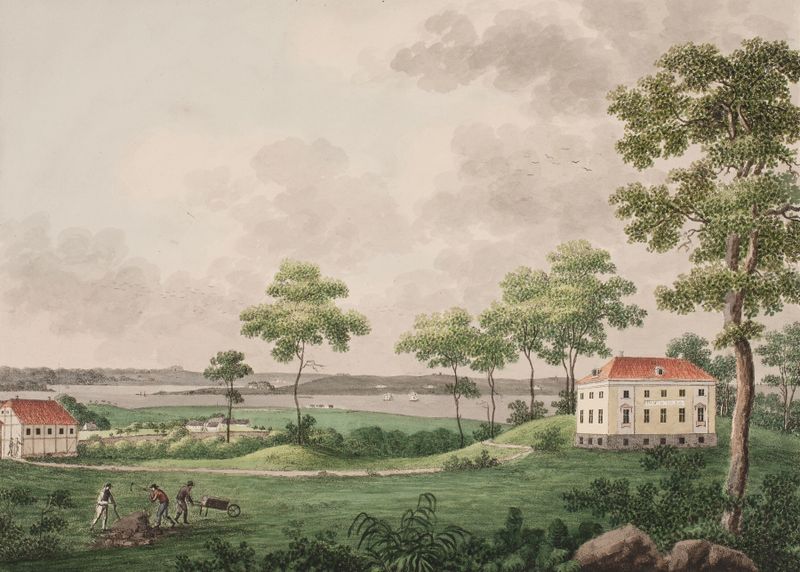
Udsigt af en Parcelle ved Grønsund på Falster under det Classenske Agerdyrknings Institut
Søren L. Lange
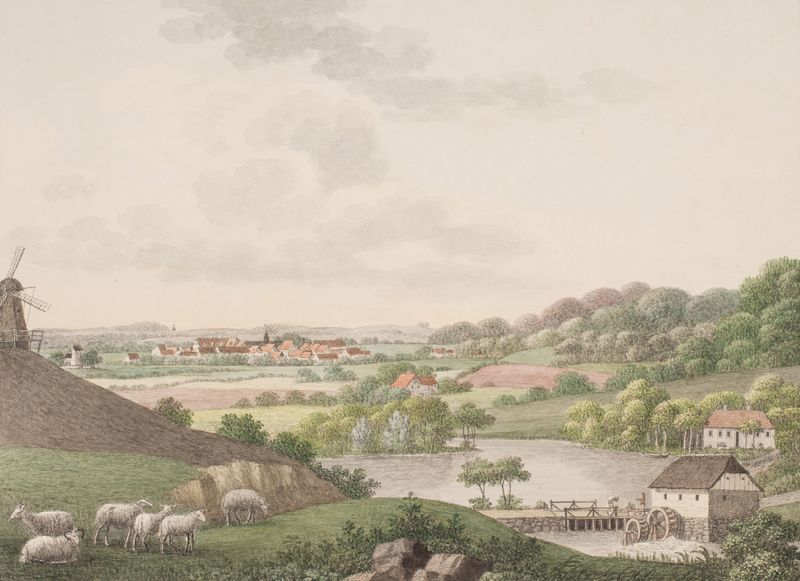
Christiansfeld, fra den østlige side
Søren L. Lange
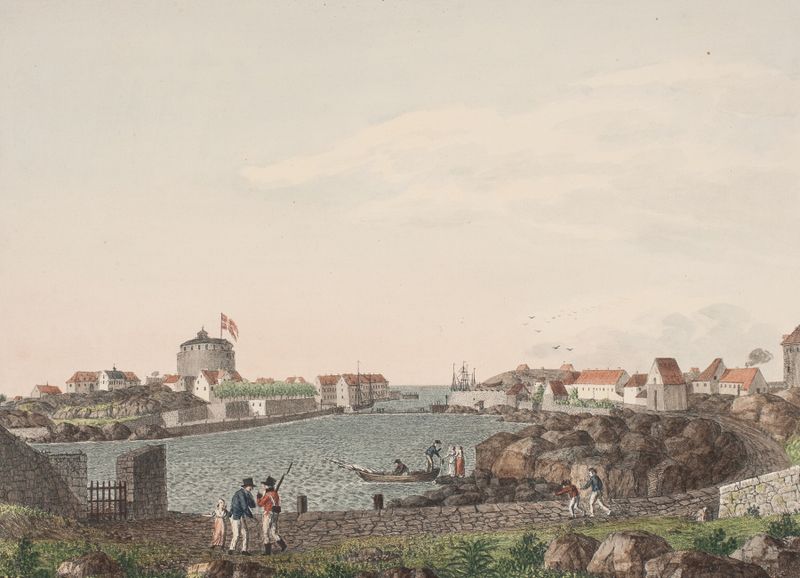
Christiansø. Nordhavnen
Søren L. Lange
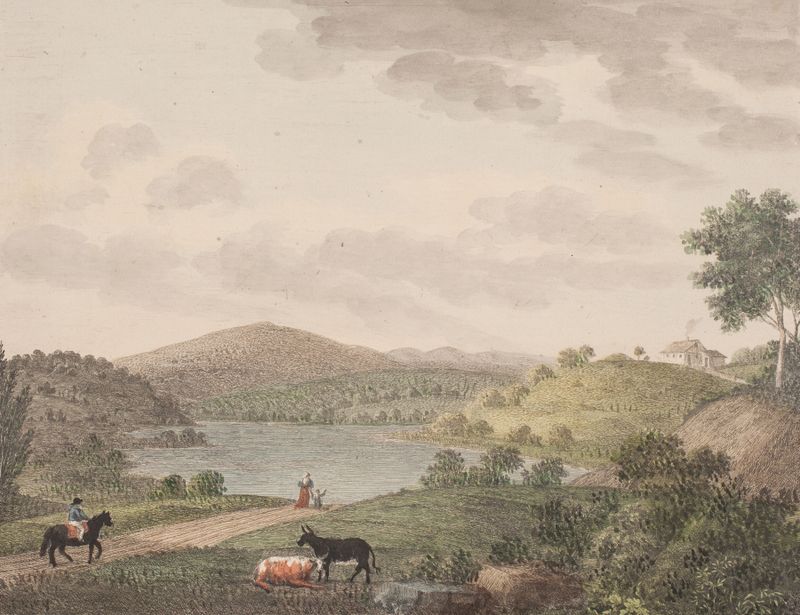
Aborrebjerget. En udsigt på Møn
Søren L. Lange
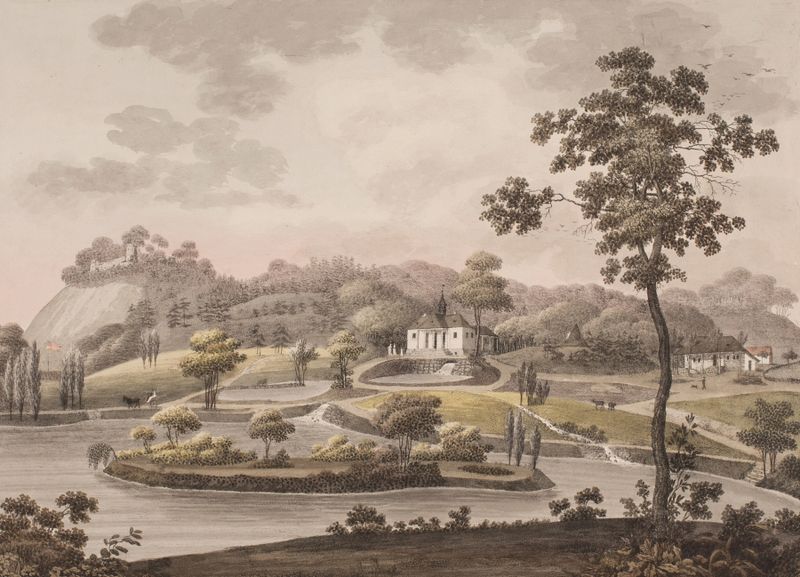
Liselund på Møn i Danmark
Søren L. Lange
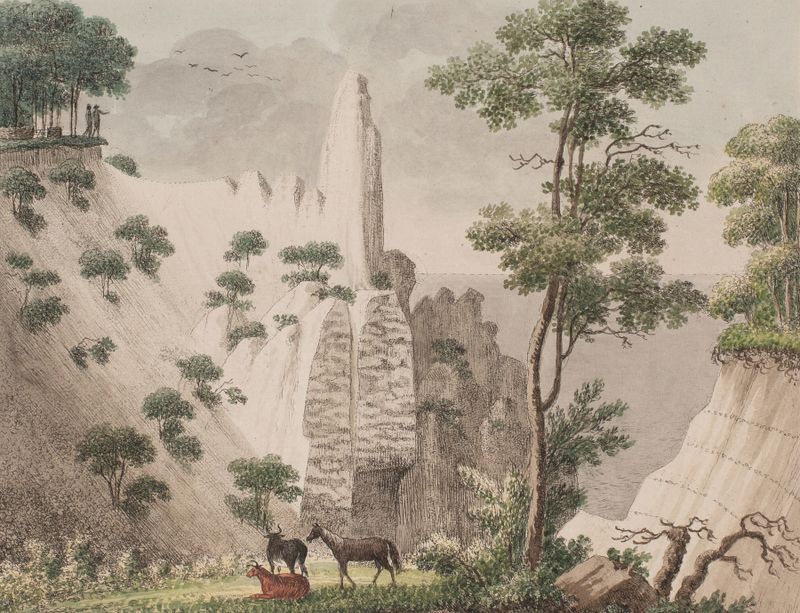
Udsigt af Sommerspiret i kridtbjergene på Møn
Søren L. Lange
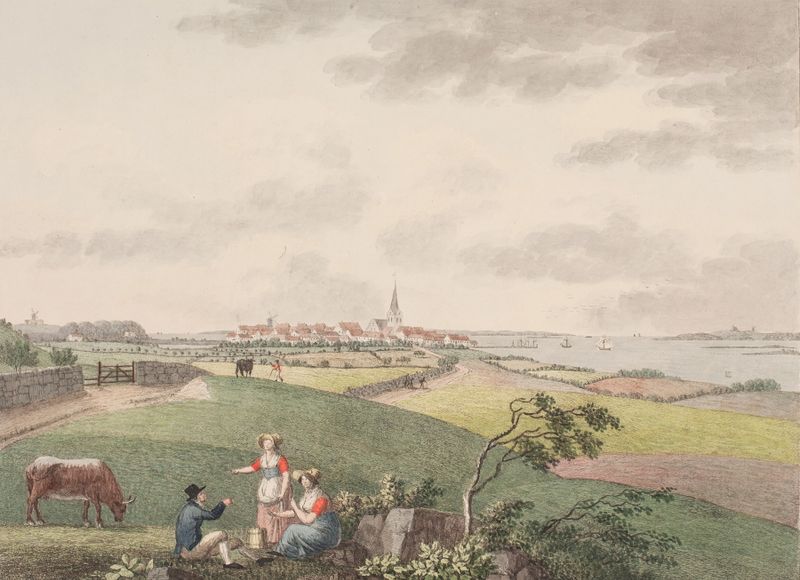
Rudkøbing på Langeland
Søren L. Lange
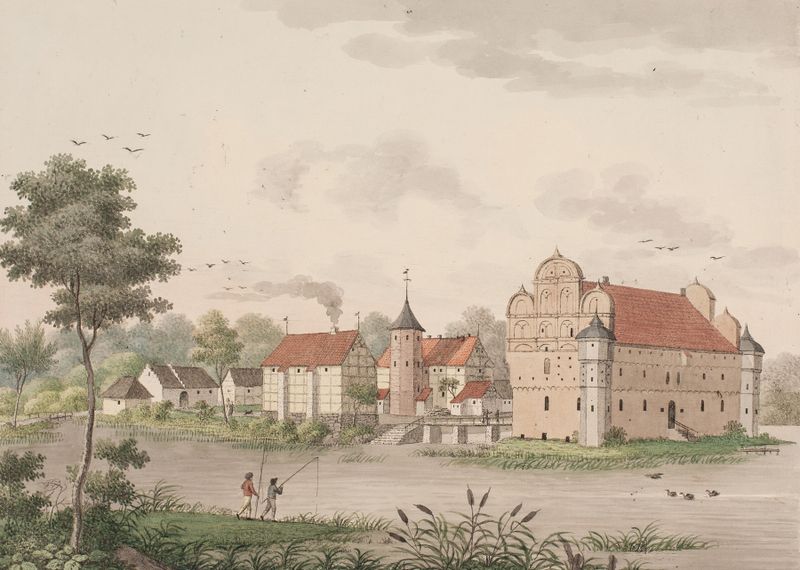
Hesselagergaard på Fyn
Søren L. Lange
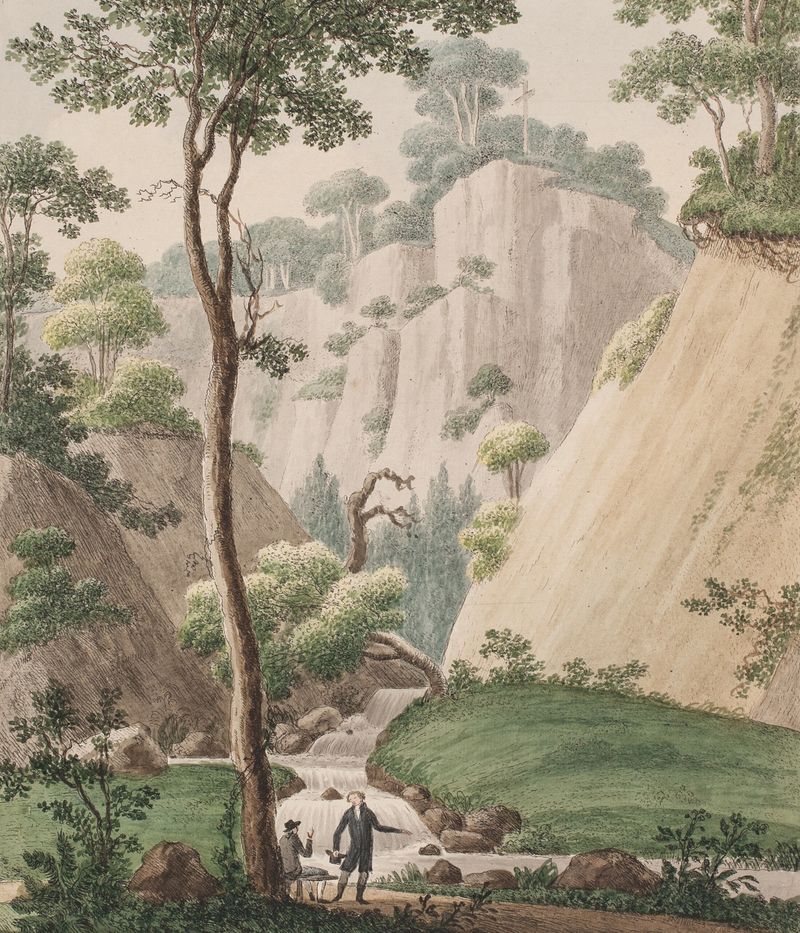
En udsigt ved Liselund på Møen
Søren L. Lange





