Hafen von Bonifacio — History & Facts
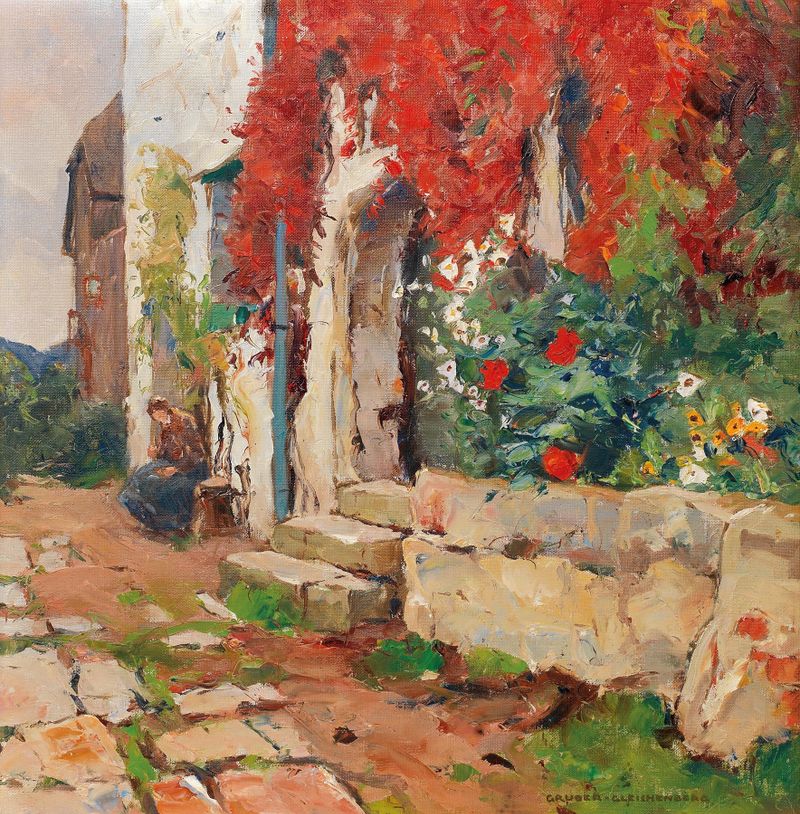
When did color learn to lie? In Hafen von Bonifacio, hues whisper secrets while the landscape holds its breath, revealing truths that are both vibrant and elusive. Look to the left at the bold strokes of azure, where the sky intimately embraces the sea. The artist’s deft hand captures the rugged cliffs of Bonifacio, their earthy tones juxtaposed against the sublime blues and greens of the water below. The composition draws the eye to a delicate balance between natural forces — the tranquil harbor and the formidable rock formations.
Each brushstroke pulsates with life, and the interplay of light charms the viewer, revealing subtle reflections that dance upon the water's surface. Beneath this serene facade, tension simmers. The juxtaposition of the vibrant colors with the ominous cliffs suggests a duality of safety and danger, inviting contemplation on the nature of harbor life. The bright palette may entice travelers, yet the rocky edges evoke the fragility of human presence against nature's power.
This duality resonates, allowing viewers to experience both the allure and the trepidation of the coastal scene. Created in the late 19th century, Hafen von Bonifacio emerges from a period when Gruber-Gleichenberg was deeply engaged with the Impressionist movement in Austria. His works often reflected a fascination with color and light, as he sought to capture the fleeting moments of nature. At this time, the world was grappling with rapid industrial change, prompting artists to explore the delicate balance between civilization and the natural world, a theme reverberating through Gruber-Gleichenberg's evocative style.