Handbell — History & Facts
Can beauty exist without sorrow? The delicate contours of a handbell, seemingly innocent, whisper of a complex dance between chaos and harmony. Look closely at the intricate designs etched upon its surface, where swirls intertwine like emotions battling for attention. Notice how the rich, tarnished bronze captures the light, creating a warm glow that contrasts with the shadows lurking in the crevices. The bell’s rounded form evokes a sense of sacredness, while the chaos of its decoration hints at the tumultuous history that surrounds its creation—a vessel for joy that also bears the weight of loss. This artifact, though simple in its purpose, embodies the duality of existence.
The handbell served to summon communities, yet it also heralded moments of farewell and mourning. Each curve tells a story, a silent echo of laughter mingled with tears. The patina of age adds a layer of melancholy, inviting the viewer to ponder the passage of time and the memories that linger like the sound of ringing bells fading into silence. Created during a time when craftsmanship was revered, this piece was likely fashioned between 800 and 900 AD by an unknown artist in a period marked by the spread of Christianity across Europe and the flourishing of the Carolingian Renaissance.
As art and culture evolved in this era, objects like this handbell became symbolic not only of functionality but also of the intricate relationship between beauty and the human experience.
More Artworks by Unknown Artist
Browse all →
Ridder, Dood en Duivel
Unknown Artist
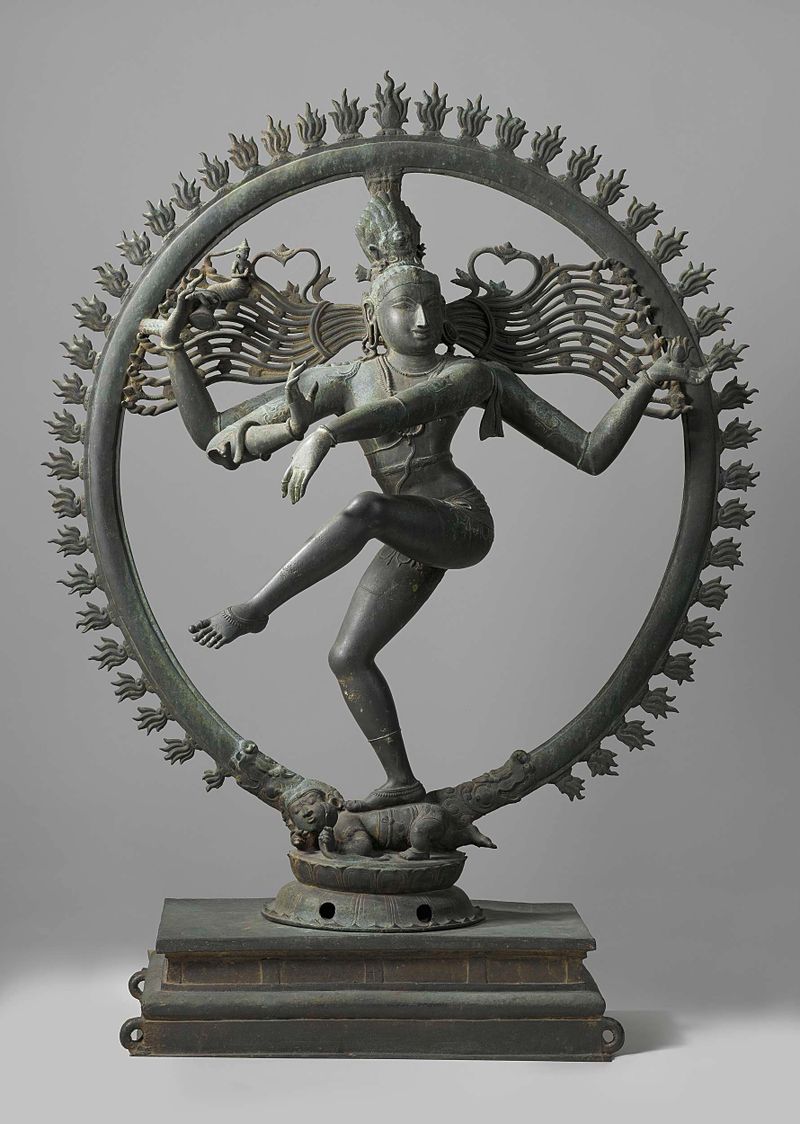
Shiva Nataraja
Unknown Artist

Portrait of Elizabeth I, Queen of England
Unknown Artist
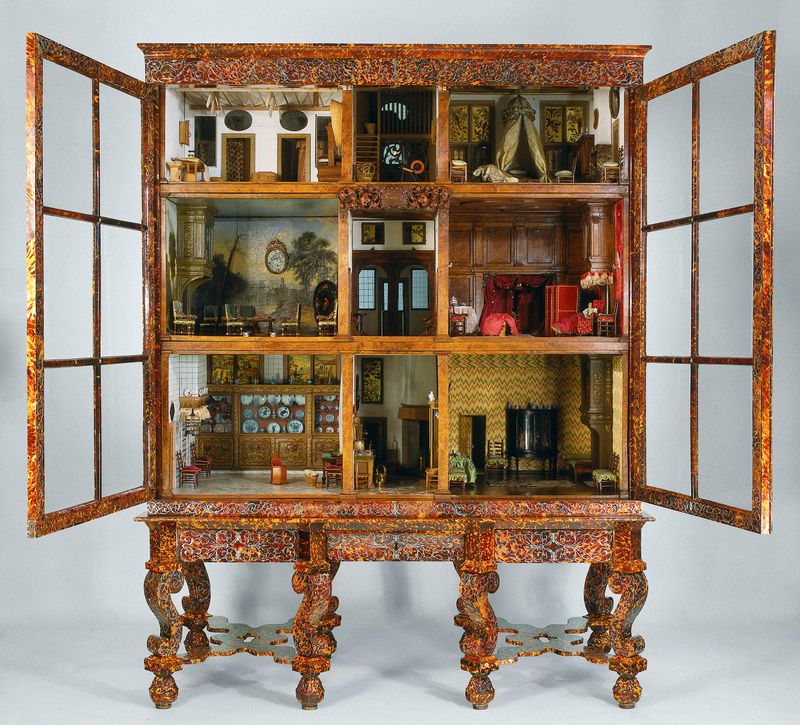
Dolls’ house of Petronella Oortman
Unknown Artist
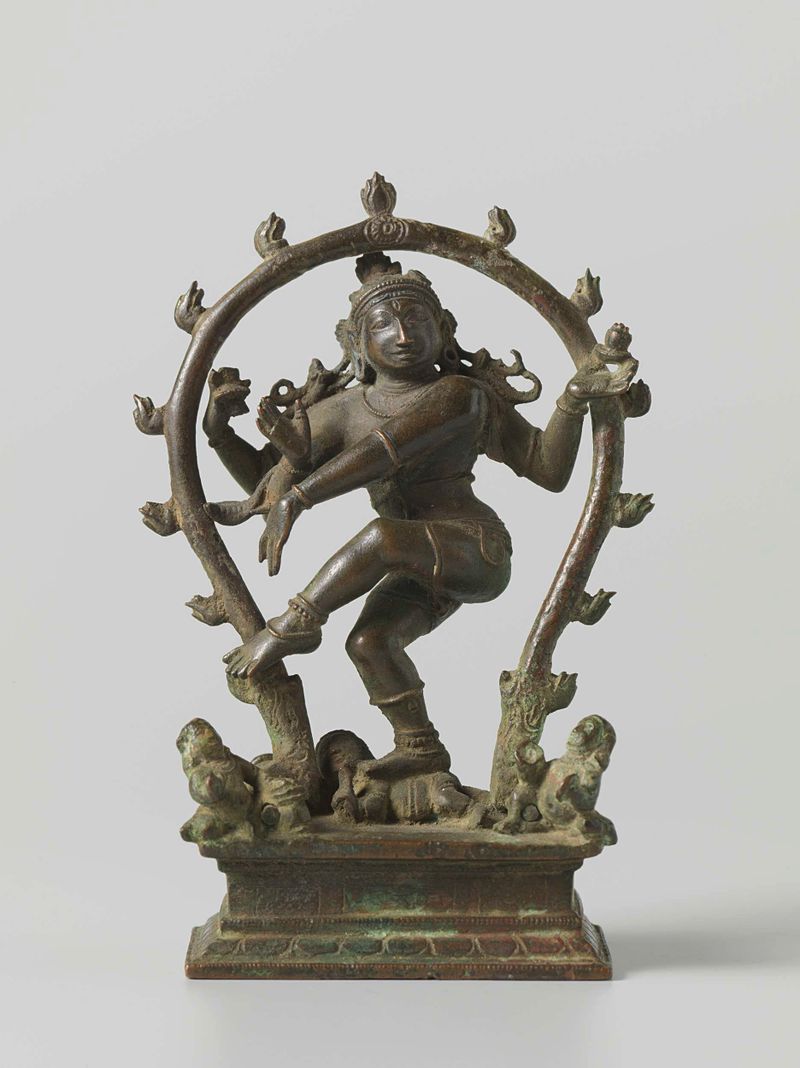
Shiva Nataraja
Unknown Artist

The Tale of Genji
Unknown Artist

The Tale of Genji
Unknown Artist
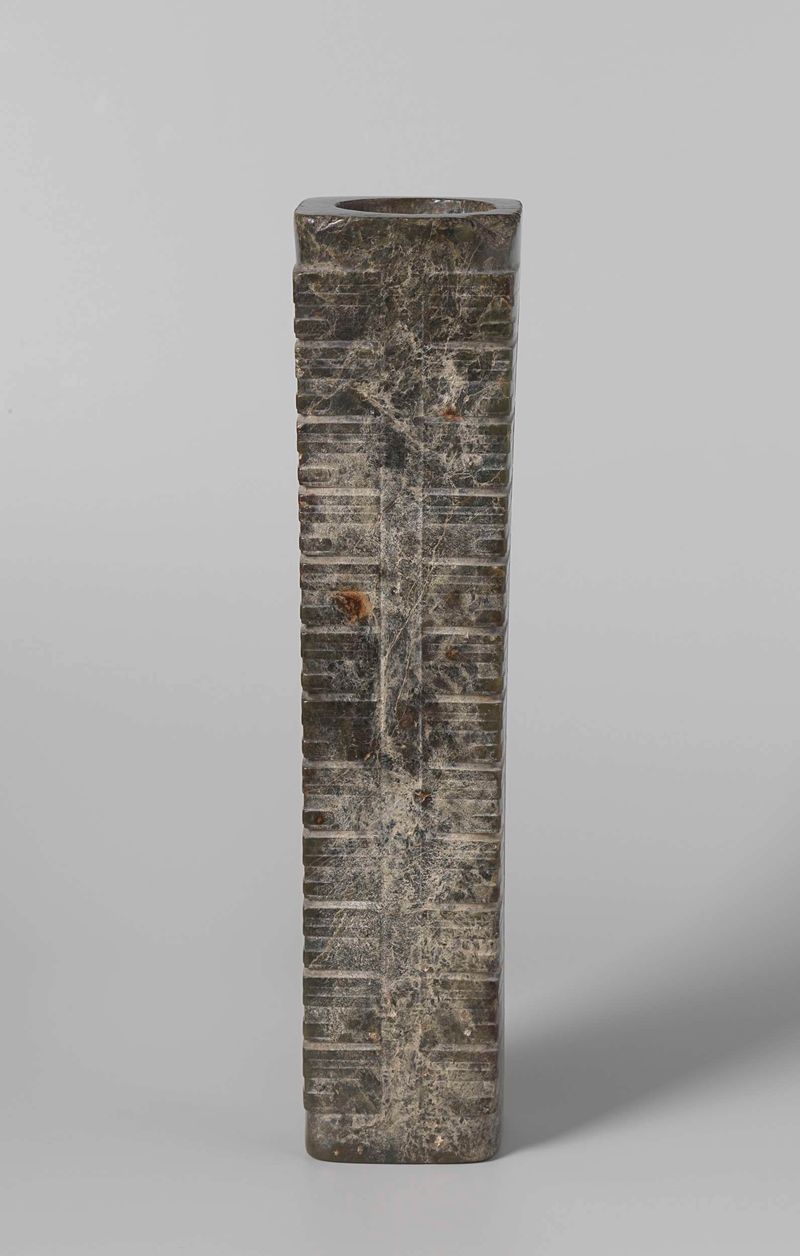
Cong
Unknown Artist
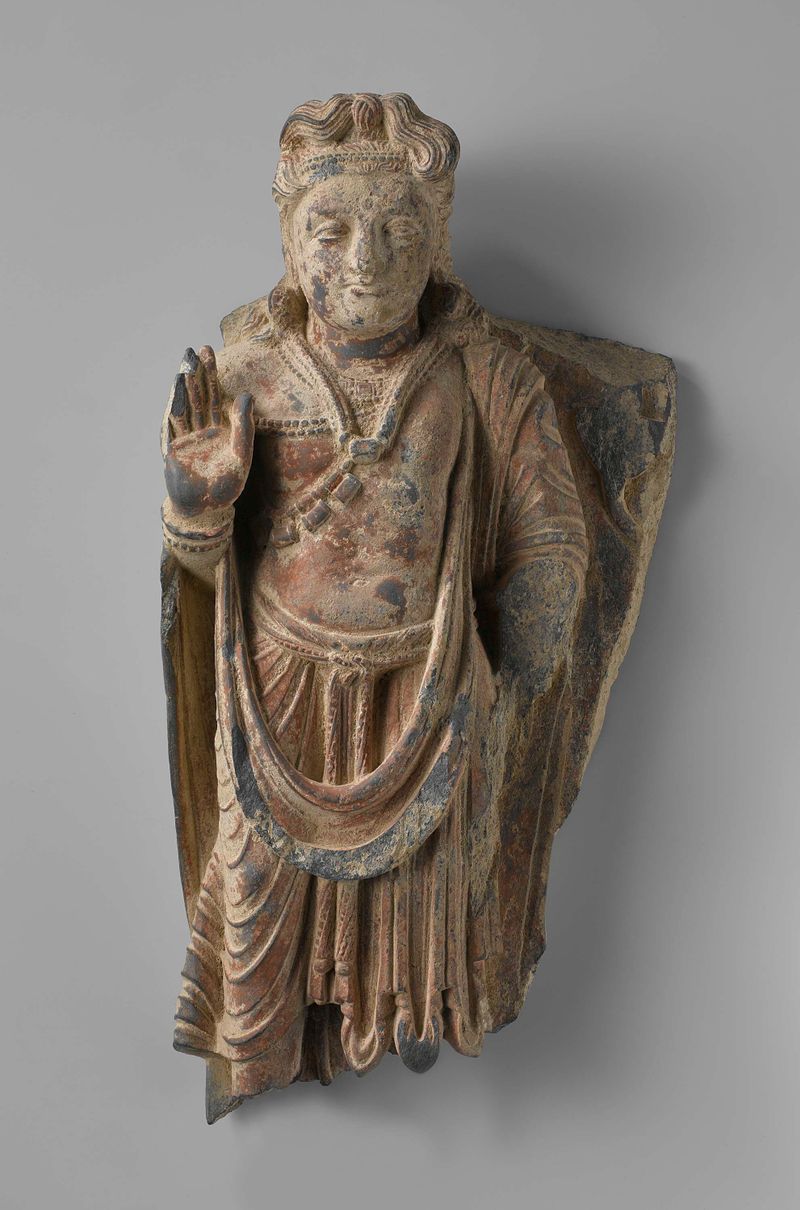
The bodhisattva Maitreya
Unknown Artist
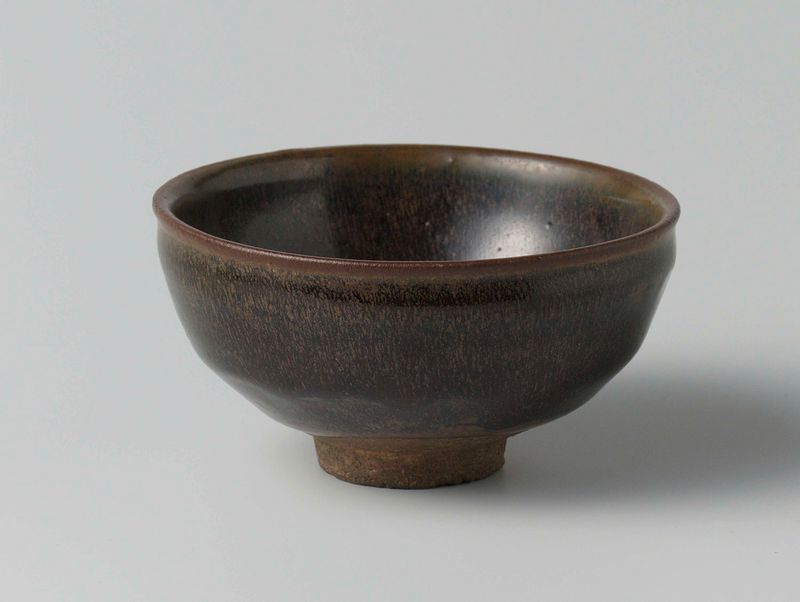
Teabowl with a 'hare's fur' glaze
Unknown Artist