Handbell — History & Facts
Who listens when art speaks of silence? In a world filled with noise, the absence of sound resonates within the contemplative layers of existence, inviting us to ponder the emptiness that permeates our lives. Focus your gaze on the handbell, resting quietly at the canvas's center. Its surface, polished to a soft sheen, captures the light, casting delicate shadows that seem to breathe with an unseen pulse. The artist's meticulous attention to detail transforms the bell into a silent protagonist, a relic of history that reflects the simplicity of life in the 14th to 16th centuries.
The choice of muted colors enhances the sense of stillness, drawing the viewer into a meditative moment where nothing happens and yet everything seems to exist. The handbell, though an object often associated with summoning or alerting, now conveys a profound sense of solitude. The contrast between its potential for sound and the absence of action evokes feelings of longing and introspection. This piece subtly speaks to the human experience—our internal dialogues, the weight of unexpressed thoughts, and the quiet moments that shape our existence.
The bell’s emptiness becomes a metaphor for the silence we sometimes feel in a crowded world. Created between 1300 and 1600, during a time when the art world was shifting with the rise of humanism, the unknown artist captured a moment that transcends the era. This period marked the beginning of a more personal expression within art; while many artists were focused on grandeur and biblical themes, this piece reflects a deeper, more introspective approach. It invites viewers to pause, reflect, and, perhaps, listen to the silence that envelops us all.
More Artworks by Unknown Artist
Browse all →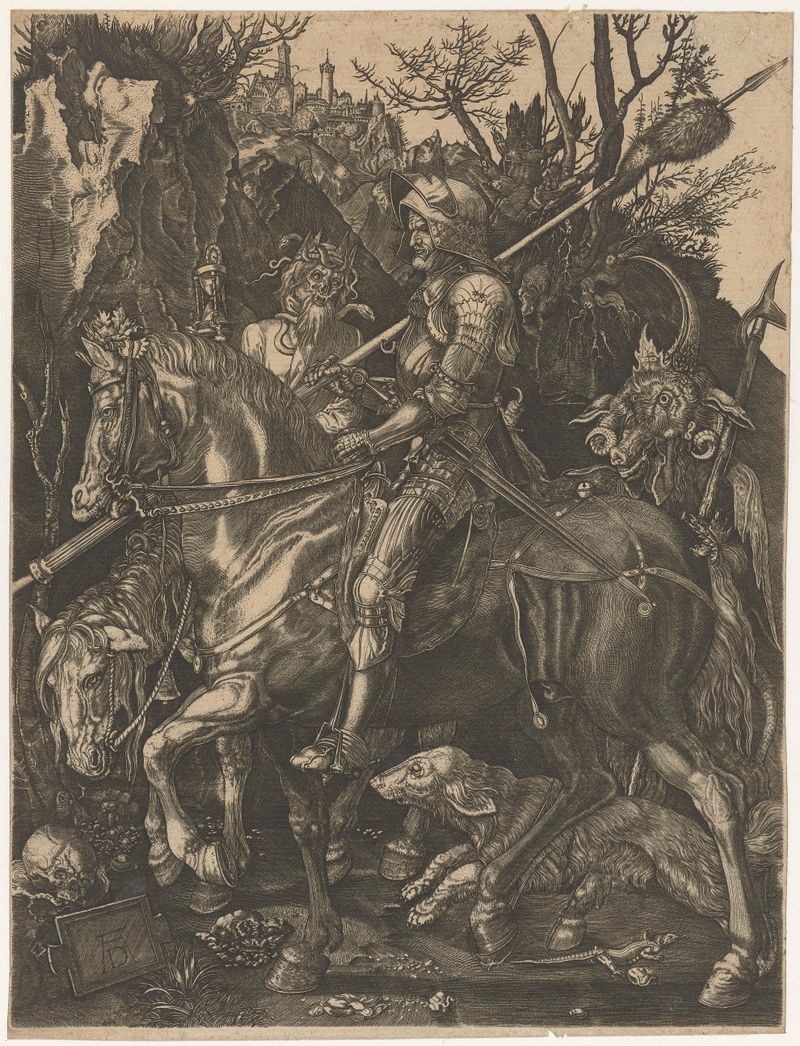
Ridder, Dood en Duivel
Unknown Artist
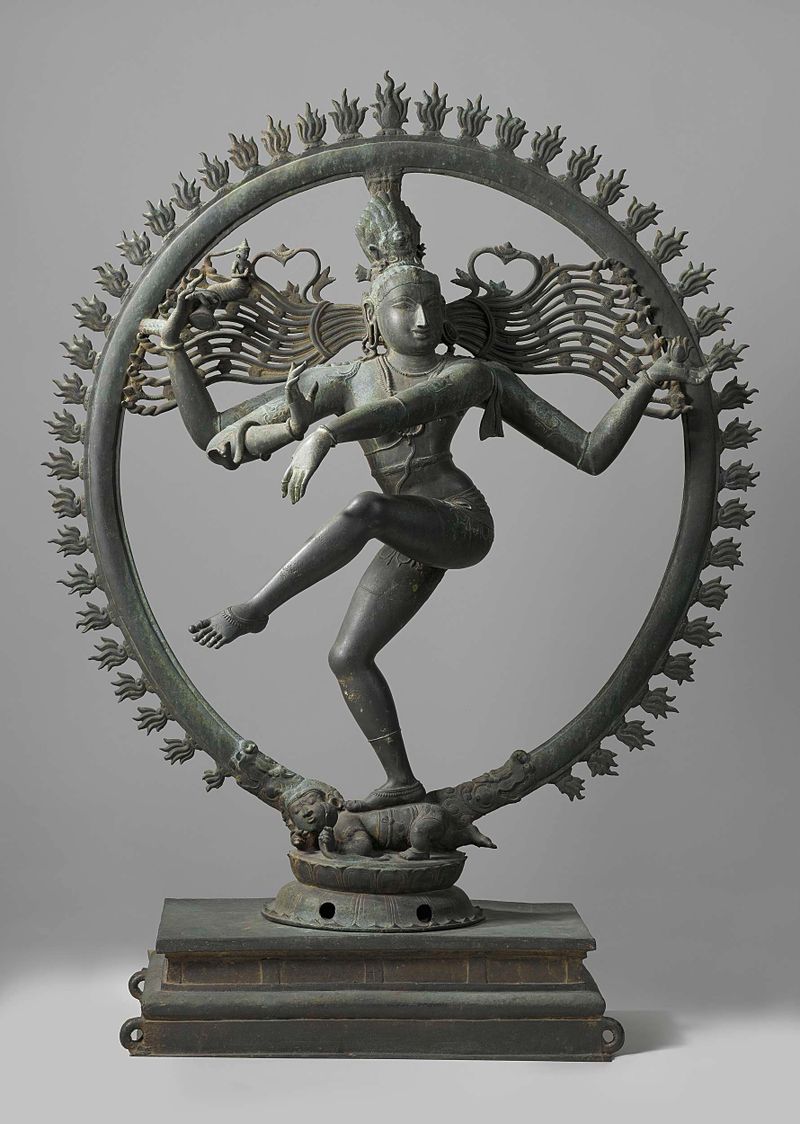
Shiva Nataraja
Unknown Artist
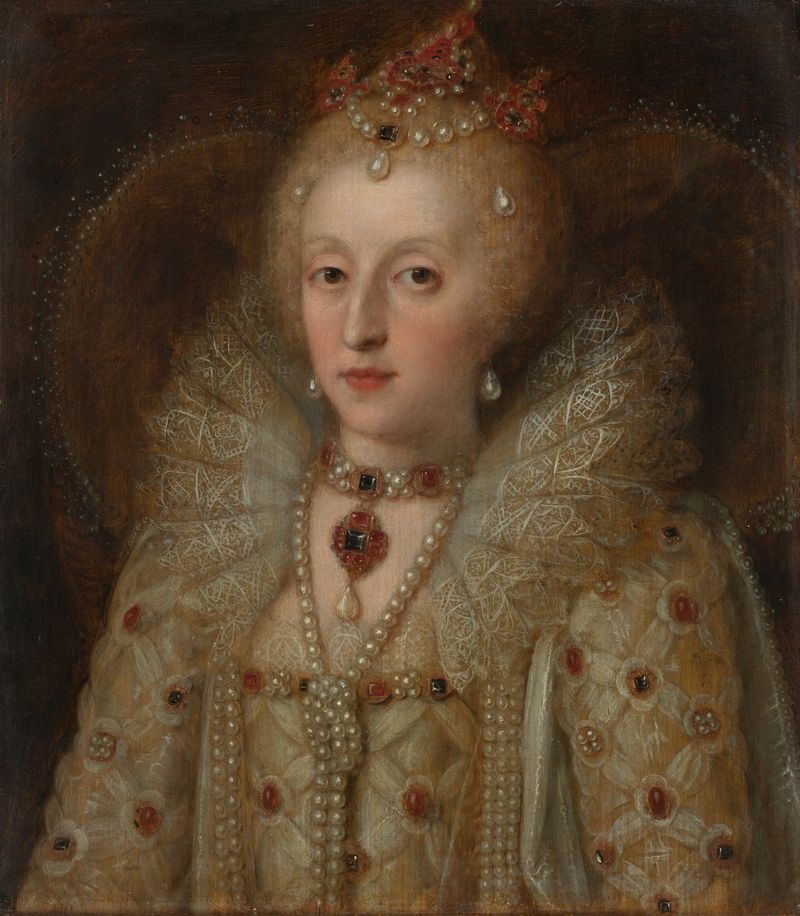
Portrait of Elizabeth I, Queen of England
Unknown Artist
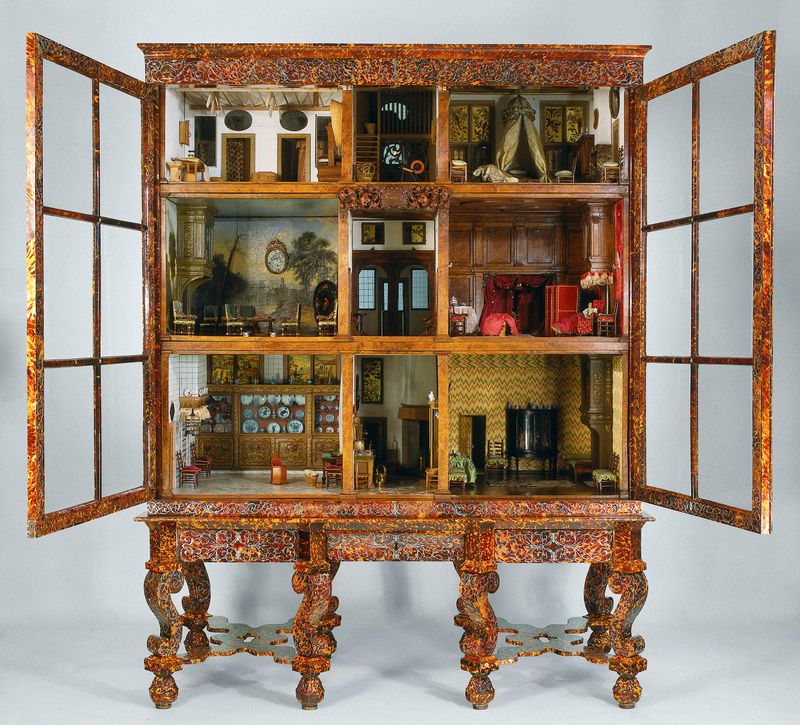
Dolls’ house of Petronella Oortman
Unknown Artist
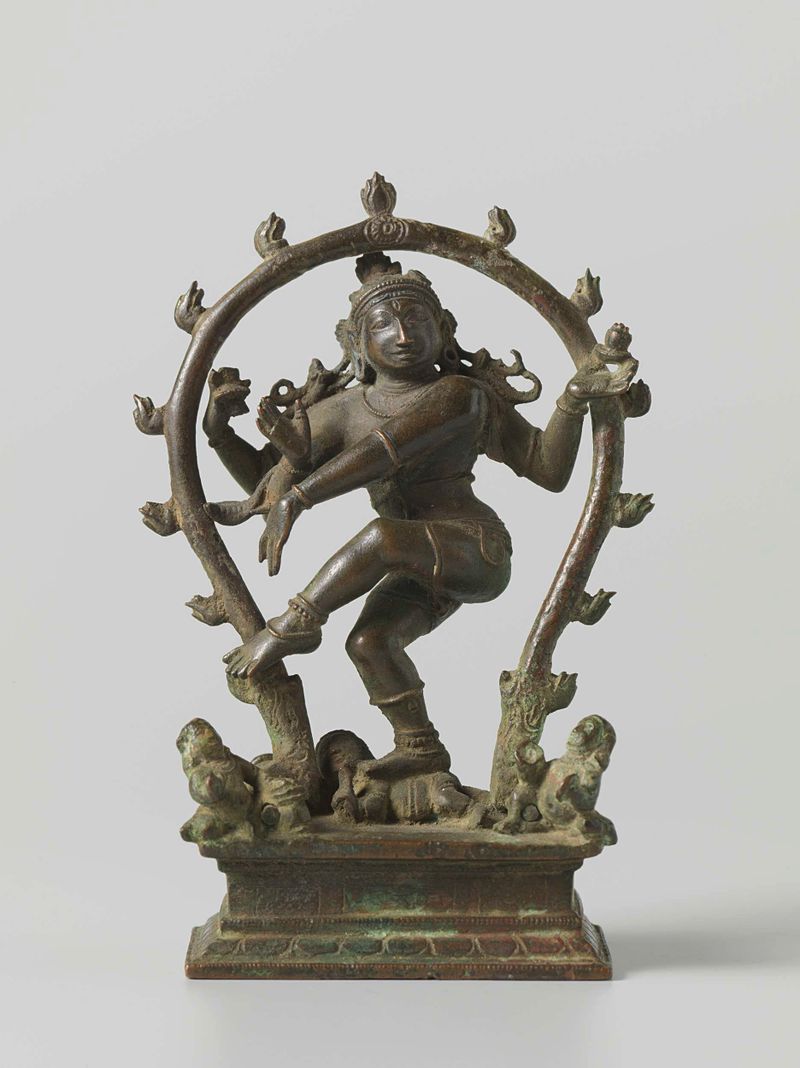
Shiva Nataraja
Unknown Artist

The Tale of Genji
Unknown Artist

The Tale of Genji
Unknown Artist
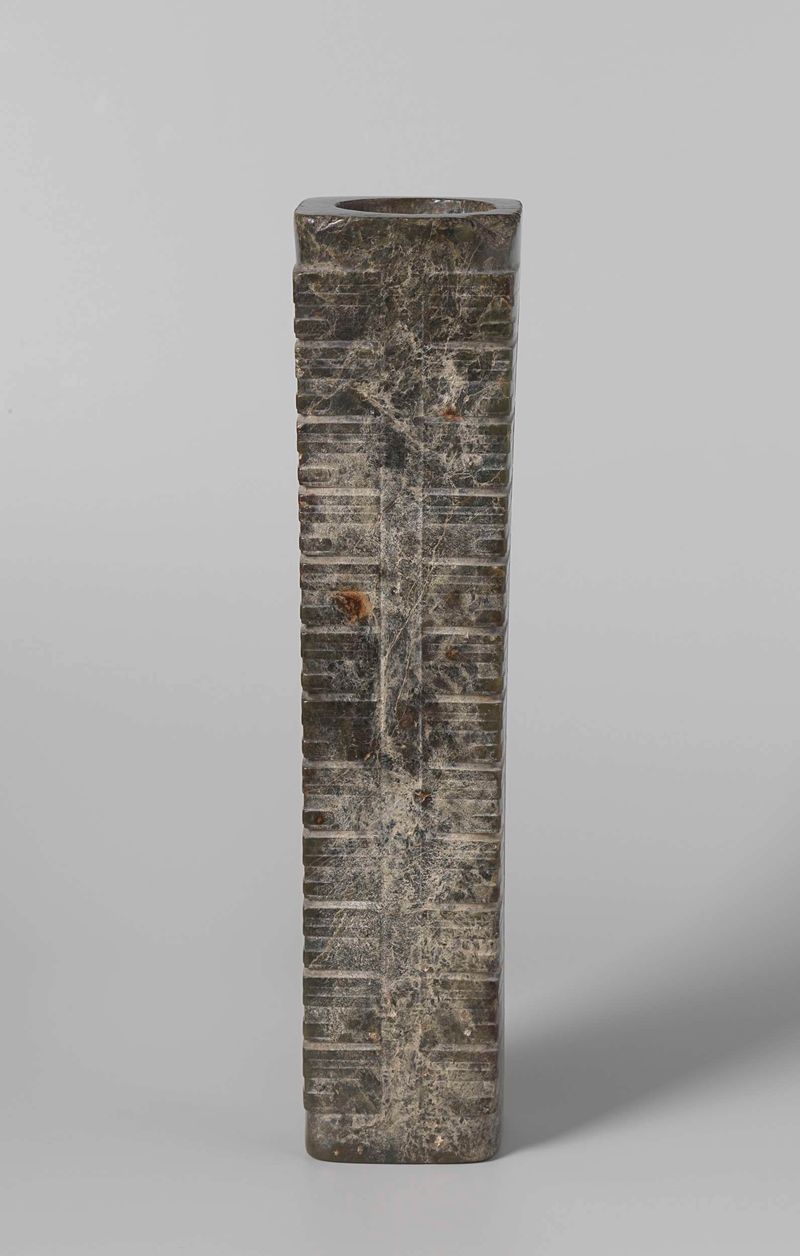
Cong
Unknown Artist
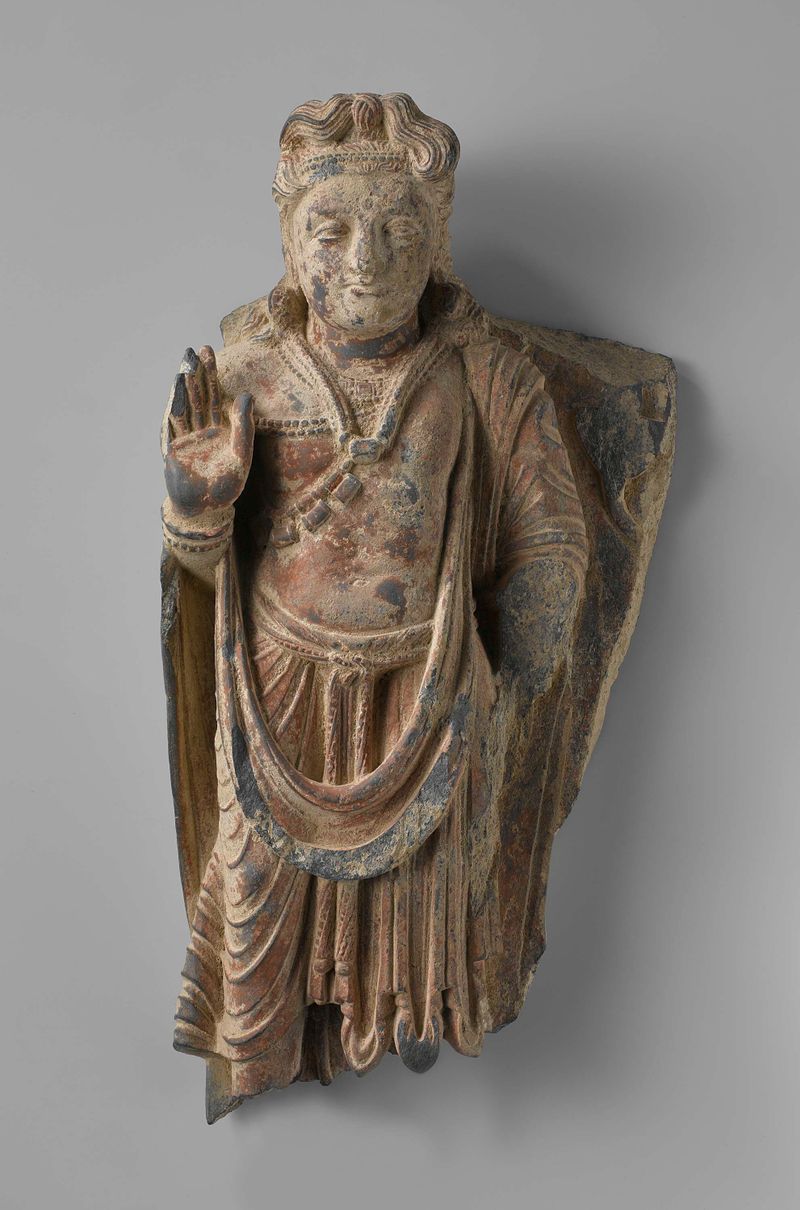
The bodhisattva Maitreya
Unknown Artist
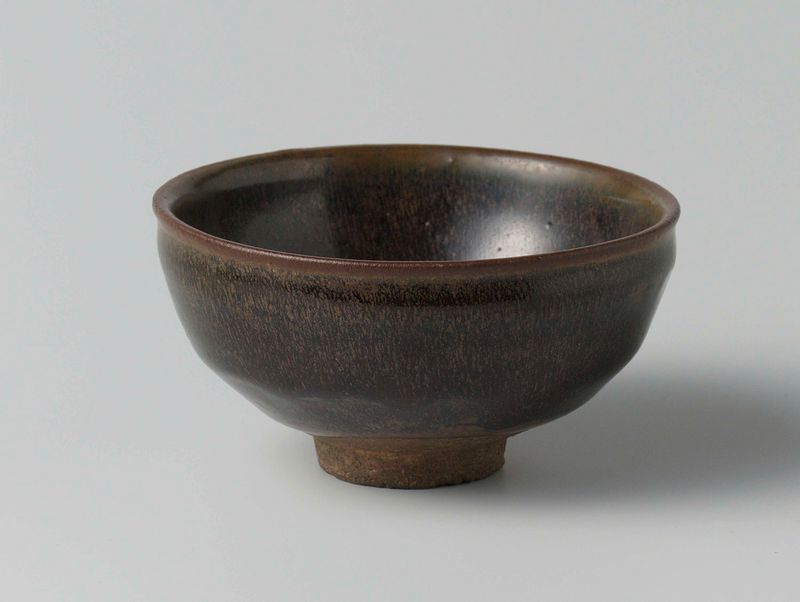
Teabowl with a 'hare's fur' glaze
Unknown Artist