Haus in Taufers im Pustertal — History & Facts
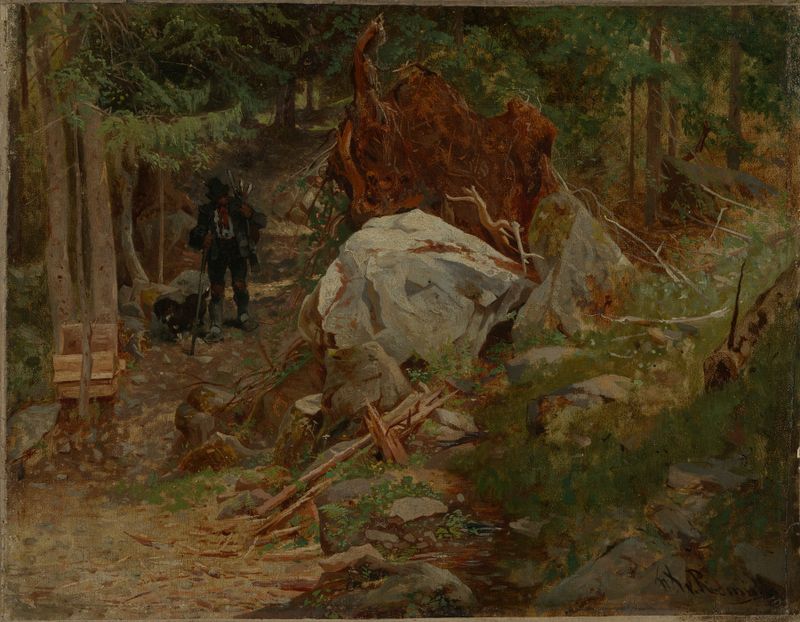
When did color learn to lie? In the world of art, hues often mask deeper truths, revealing an obsession with the facade of beauty that conceals emotional depths. Look to the left at the vibrant facade of the building, where sunlight dances off the surface, painting a picture of idyllic serenity. The soft blues and earthy browns blend harmoniously, creating an inviting atmosphere that belies the underlying tension of isolation. Notice how the meticulously rendered details of the windows and roof draw the eye upward, making the viewer yearn for connection, despite the stillness that pervades the scene. The juxtaposition of bright colors and stark shadows suggests a hidden narrative.
Each brushstroke seems to echo a longing for something beyond mere appearance, hinting at the complexities of human experience. Perhaps the artist’s choice of perspective reveals not only admiration for architectural beauty but also an exploration of solitude, urging us to consider what lies behind the walls we build around ourselves. Franz Xaver von Riedmüller painted this piece during a time when the art world was transitioning towards realism, seeking to capture life with detail and authenticity. While the exact date remains unknown, the artist's work emerged amidst a backdrop of burgeoning artistic movements in the 19th century, reflecting both a personal exploration of his environment and a broader cultural shift towards embracing the beauty of everyday life.