Hazy Day — History & Facts
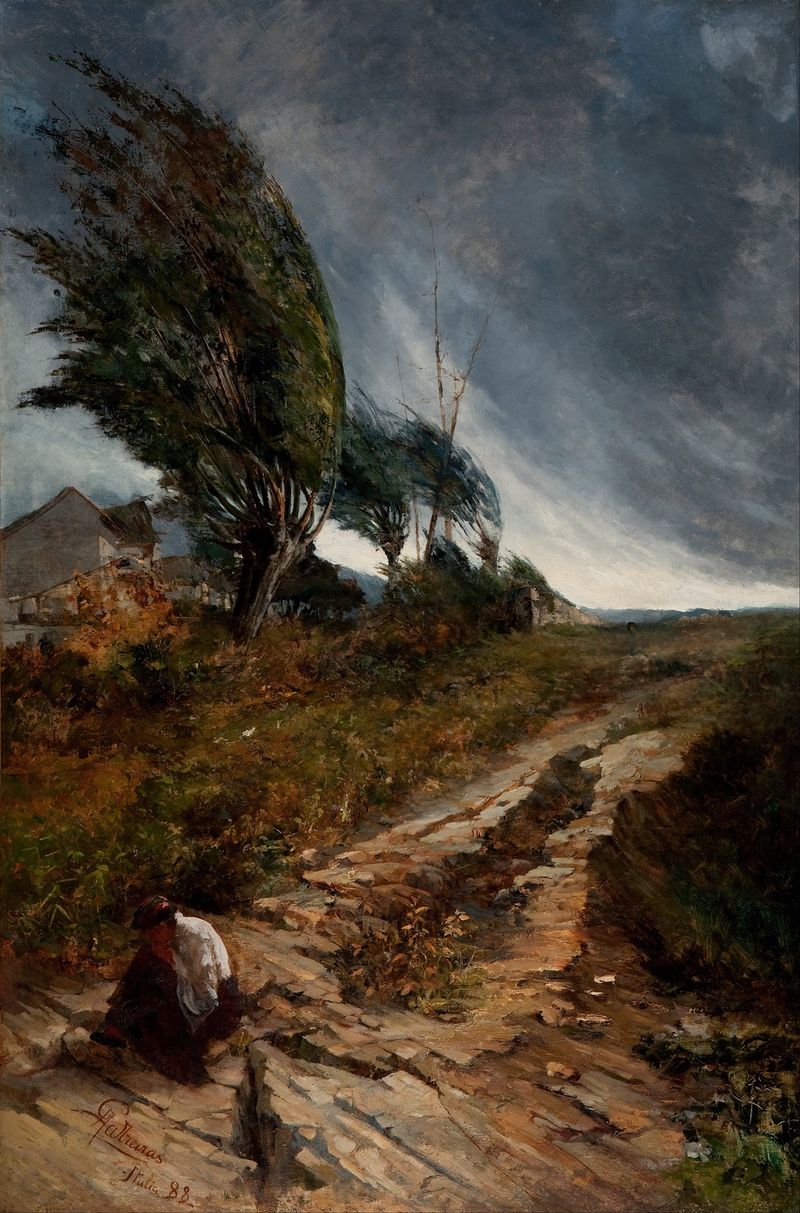
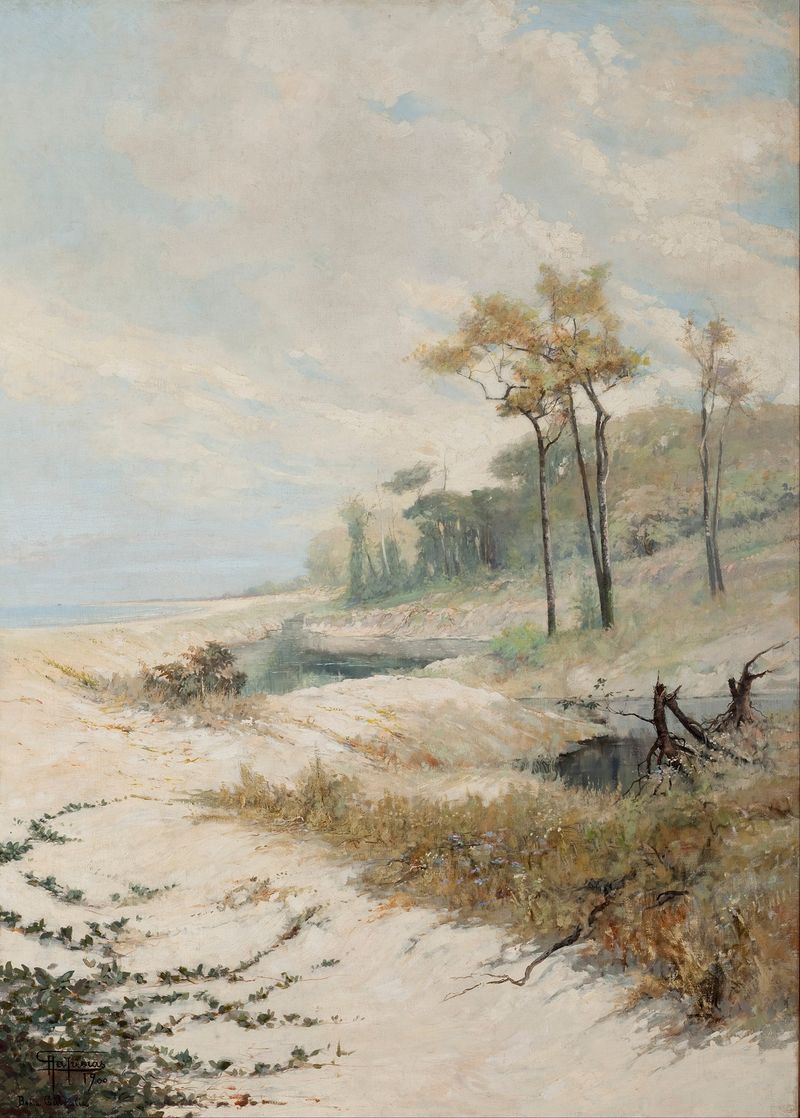
What if beauty was never meant to be finished? That notion lingers in the soft, embracing haze of a landscape that evokes both yearning and tranquility. It whispers a truth about the ephemeral nature of life and the emotions that shape our existence. To fully appreciate this artwork, focus on the gentle transitions of color that bleed into one another, embracing the viewer in a soothing palette of muted blues and warm earth tones. Notice how the mist drapes itself over the distant hills, shrouding them in mystery and inviting you to explore their depths.
The strokes are fluid, almost dreamlike, guiding your gaze across the canvas, where the vibrant greens of the foreground juxtapose the serene, foggy background, hinting at a world both tangible and elusive. Delve deeper, and you’ll find contrasts that reveal a poignant tension. The brightness of the foreground suggests vitality and presence, while the blurred forms in the distance evoke a sense of longing—for connection, clarity, or a past that remains just out of reach. Symbolism dances within this interplay; the haze can represent the uncertainty of memories, both cherished and forgotten, blurring the edges of what was once clear.
Each brushstroke invites reflection, encouraging you to confront your own feelings of nostalgia and desire. Created during an undated period in the artist's career, this piece reflects a moment where Antonio Parreiras delved into the exploration of landscapes infused with both beauty and depth. Known for his ability to capture the essence of light and atmosphere, Parreiras was part of the Brazilian modernist movement, which sought to intertwine emotional expression with natural themes. His work during this era was marked by an experimentation with color and mood, influencing a generation of artists inspired by the intricate relationship between humanity and nature.