
Head of a Boy — History & Facts
In Head of a Boy, the power of obsession manifests through the delicate strokes of the artist’s hand, inviting viewers to delve into the complexities of youth and identity. Look closely at the boy’s expression, where a mixture of serenity and curiosity unfolds. Notice how the light gently caresses his features, illuminating the softness of his cheeks and the delicate contours of his jaw. The rich, muted tones—earthy browns and subtle ochres—create a warmth that envelops the viewer, while the background fades into obscurity, allowing the boy’s visage to command attention.
Each brushstroke is deliberate, crafting both realism and an ethereal quality that reflects the artist's intense engagement with his subject. As you observe the painting, consider the interplay of innocence and introspection in the boy’s wide, soulful eyes. They seem to harbor dreams and questions, hinting at a world of potential and unseen burdens. The slight tilt of his head suggests a moment of contemplation, evoking the tension between childhood's fleeting joys and the encroaching complexities of adulthood.
This duality speaks to the artist's deep fascination with the nature of youth—a theme that resonates through the ages. Leendert van der Cooghen painted Head of a Boy between 1649 and 1659, during a period when Dutch art was flourishing with an emphasis on portraiture and realism. At this time, he was situated in the Netherlands, a country rich in cultural development. Cooghen was likely influenced by the broader artistic movements around him, leading to an exploration of the human experience, particularly in the realm of childhood—a subject that captivated many of his contemporaries.
More Artworks by Leendert van der Cooghen
Browse all →
Portret van een onbekend meisje met een mutsje op
Leendert van der Cooghen
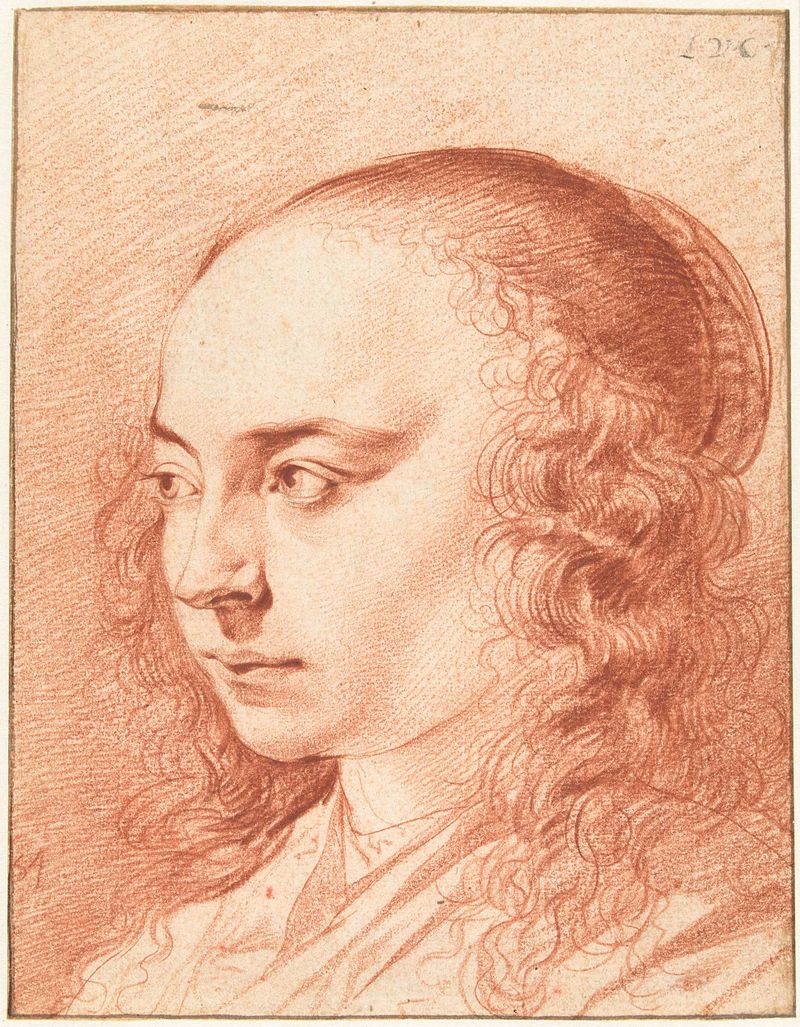
Portret van een onbekende jonge vrouw
Leendert van der Cooghen
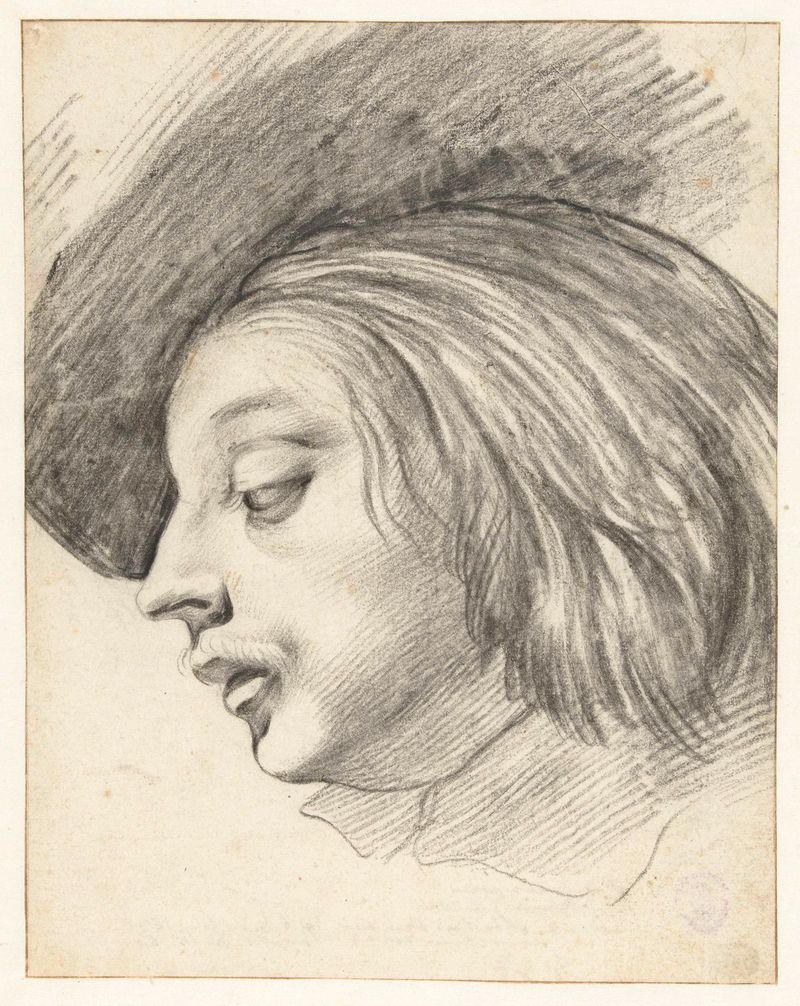
Portret van de kunstenaar Dirck Helmbreeker
Leendert van der Cooghen
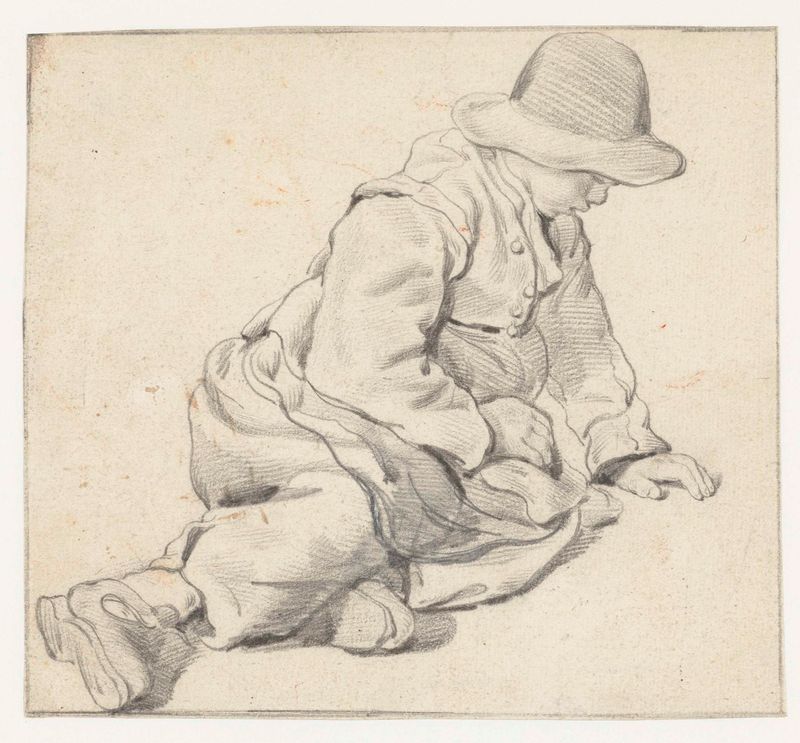
Zittend jongetje
Leendert van der Cooghen

Hoofd van een jongen
Leendert van der Cooghen
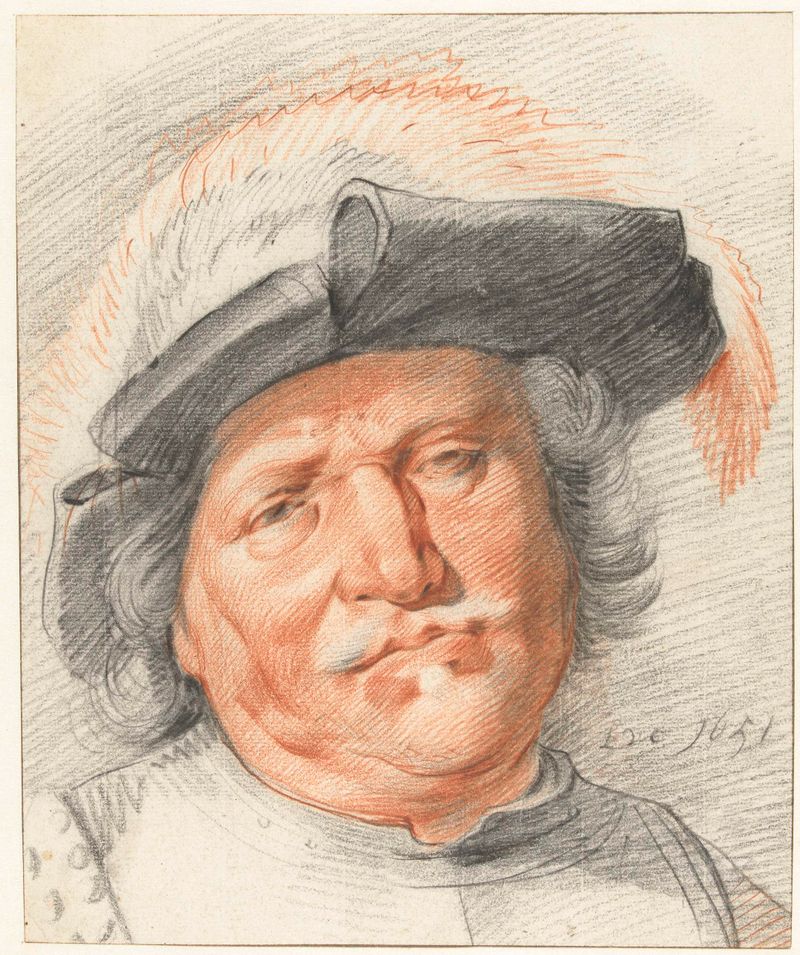
Hoofd van een man
Leendert van der Cooghen

David met het hoofd van Goliath
Leendert van der Cooghen
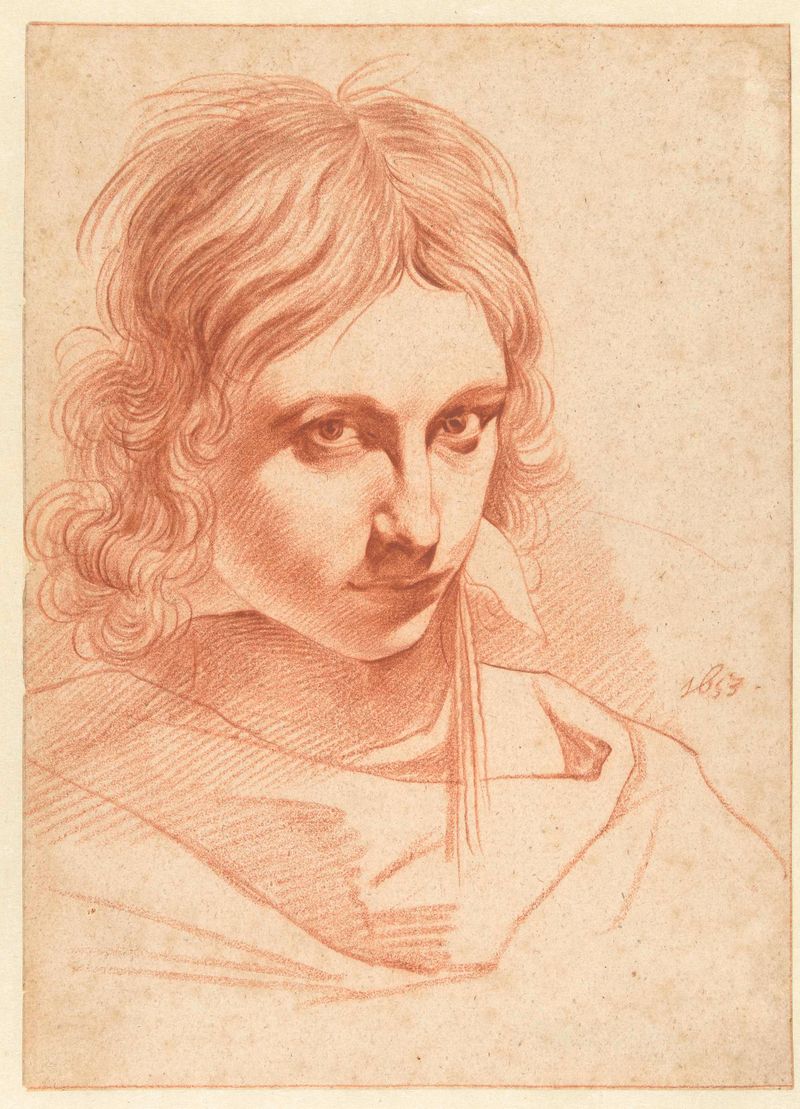
Zelfportret van Leendert van der Cooghen (?)
Leendert van der Cooghen

Hoofd van een jongen, naar rechts
Leendert van der Cooghen
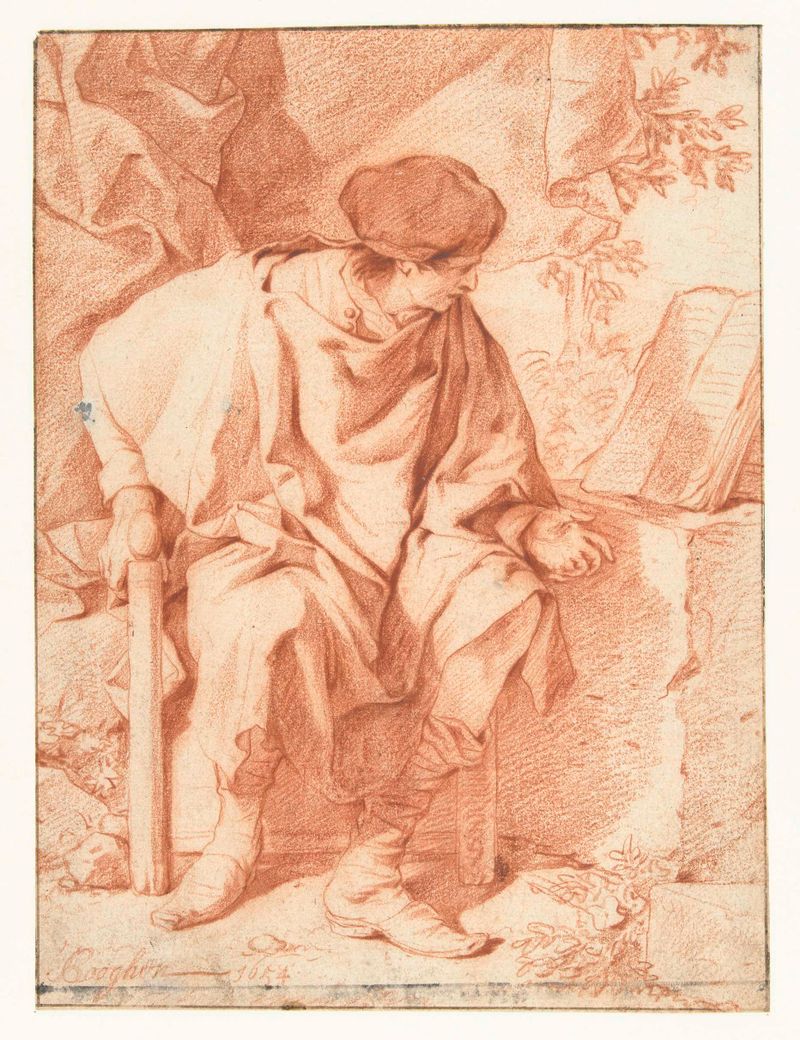
Landschap met een lezende man
Leendert van der Cooghen
More Portrait Art
Browse all →
Las meninas
Diego Velázquez

Self-portrait with a Bandaged Ear and Pipe
Unidentified artist

Girl with a Pearl Earring
Johannes Vermeer

The Sampling Officials of the Amsterdam Drapers’ Guild, Known as ‘The Syndics’
Rembrandt van Rijn

The Hundred Guilder Print: the man seen on the back in the lower left corner
Rembrandt van Rijn

Portrait of Dr Gachet
Vincent van Gogh