
Heilige drie-eenheid — History & Facts
Did the painter know this moment would outlive them? The stillness captured in Heilige drie-eenheid resonates with a profound sense of grief, inviting viewers to reflect on the fragility of existence and the weight of divine presence. Look to the central triangle formed by the figures — each one a testament to the intricate balance of light and shadow. The radiance enveloping the Holy Trinity brings an ethereal quality, while the muted colors of the background speak to the somber tone of the scene. Notice how the precise lines and careful drapery direct your gaze inward, creating an almost claustrophobic intimacy with the figures, drawing you deeper into their solemnity. As you observe the expressions on their faces, you encounter a spectrum of emotions: the sorrow in the eyes of the Father, the gentle acceptance of the Son, and the serene yet distant gaze of the Holy Spirit.
This interplay suggests an eternal dialogue between loss and hope, capturing the viewer in a moment that is as heavy as it is transcendental. The juxtaposition of divine power with human vulnerability enables a profound meditation on grief and salvation. Created between 1490 and 1510, this work hails from an era marked by spiritual upheaval and a burgeoning humanism in art. The unknown artist, likely influenced by the prevailing religious sentiments and the Renaissance’s growing focus on individual experience, sought to create a timeless piece that would resonate with audiences long after their own life had ended.
More Artworks by Unknown Artist
Browse all →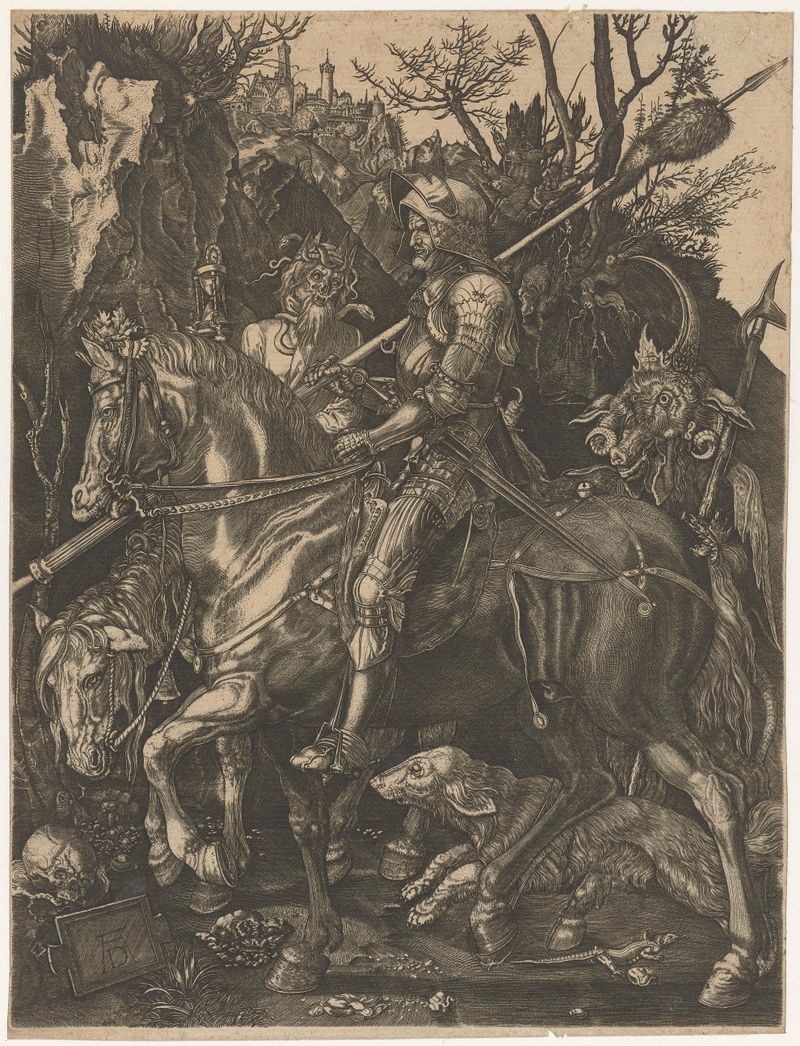
Ridder, Dood en Duivel
Unknown Artist
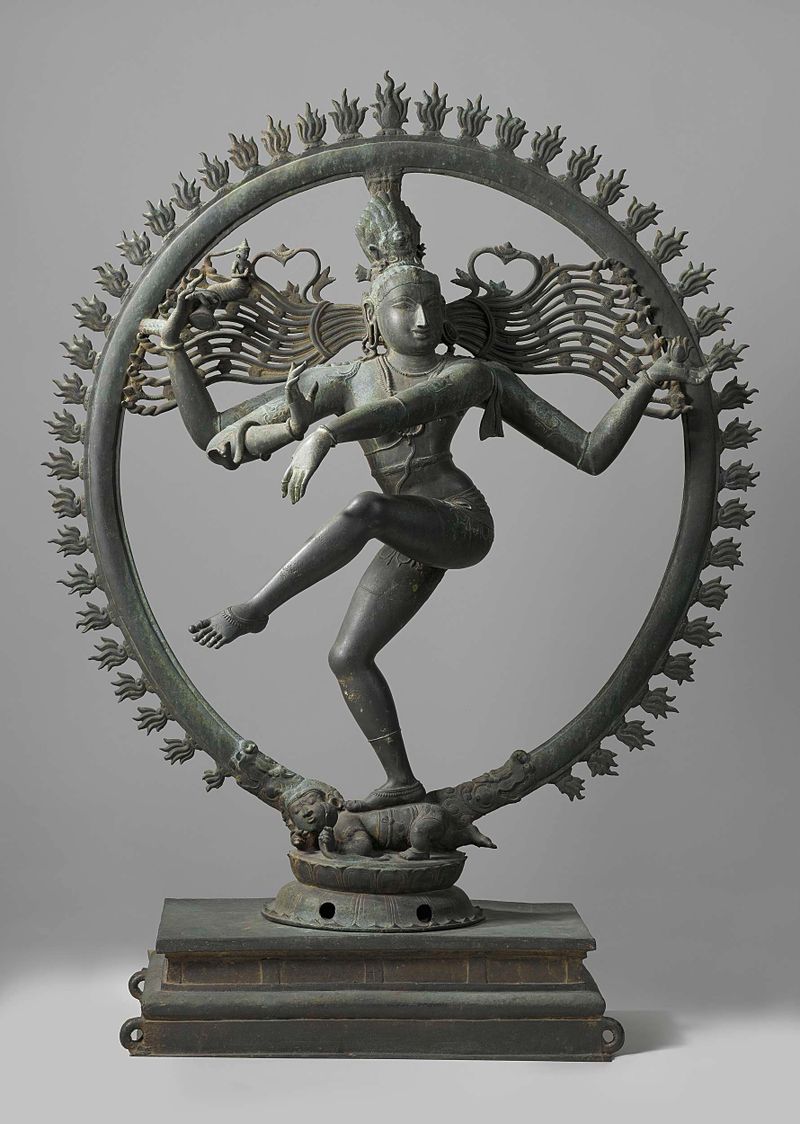
Shiva Nataraja
Unknown Artist
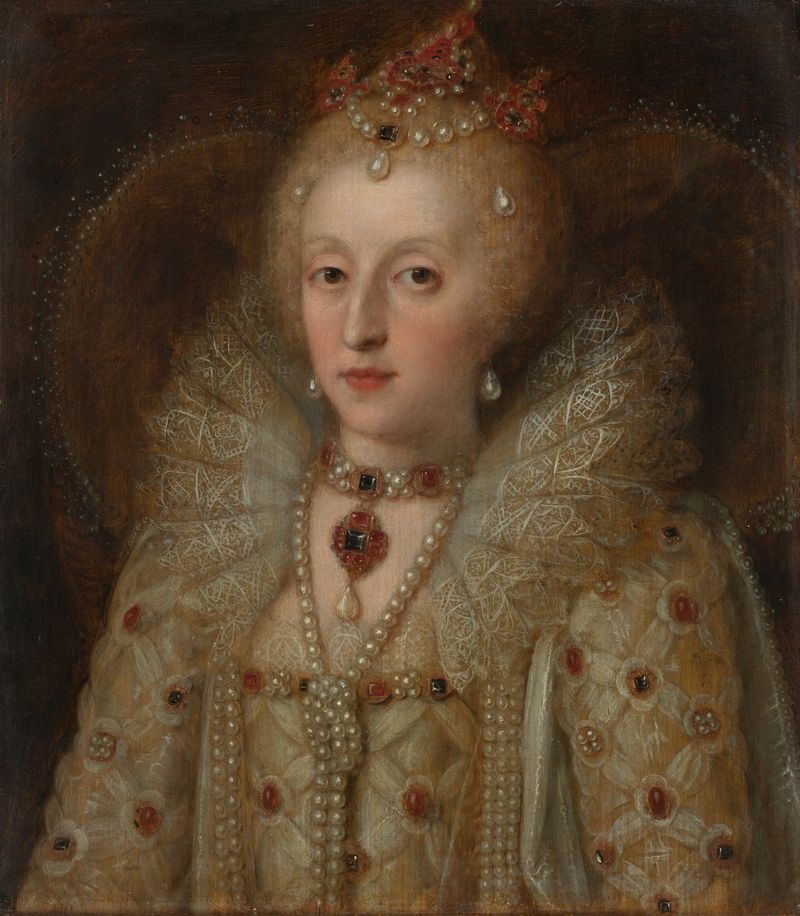
Portrait of Elizabeth I, Queen of England
Unknown Artist
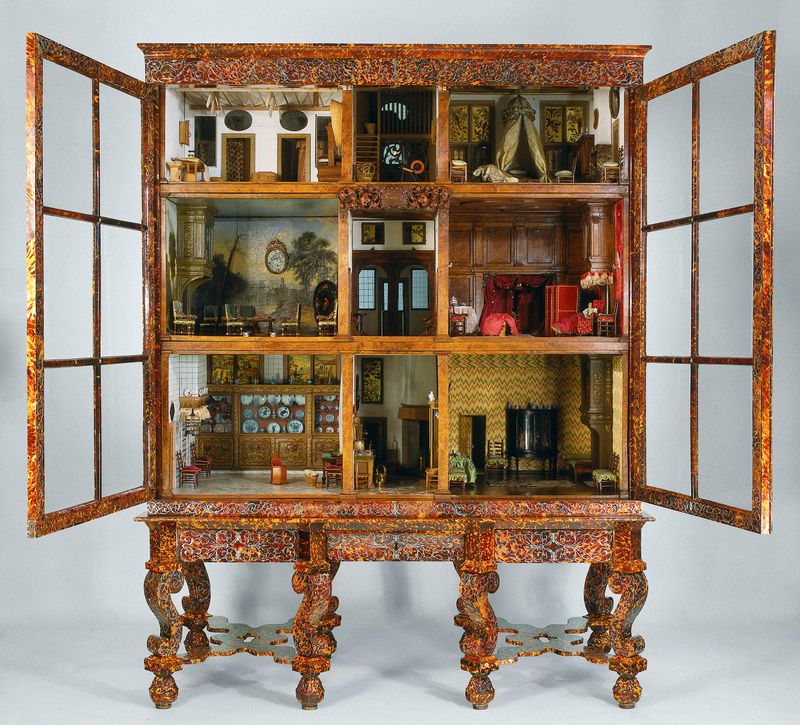
Dolls’ house of Petronella Oortman
Unknown Artist
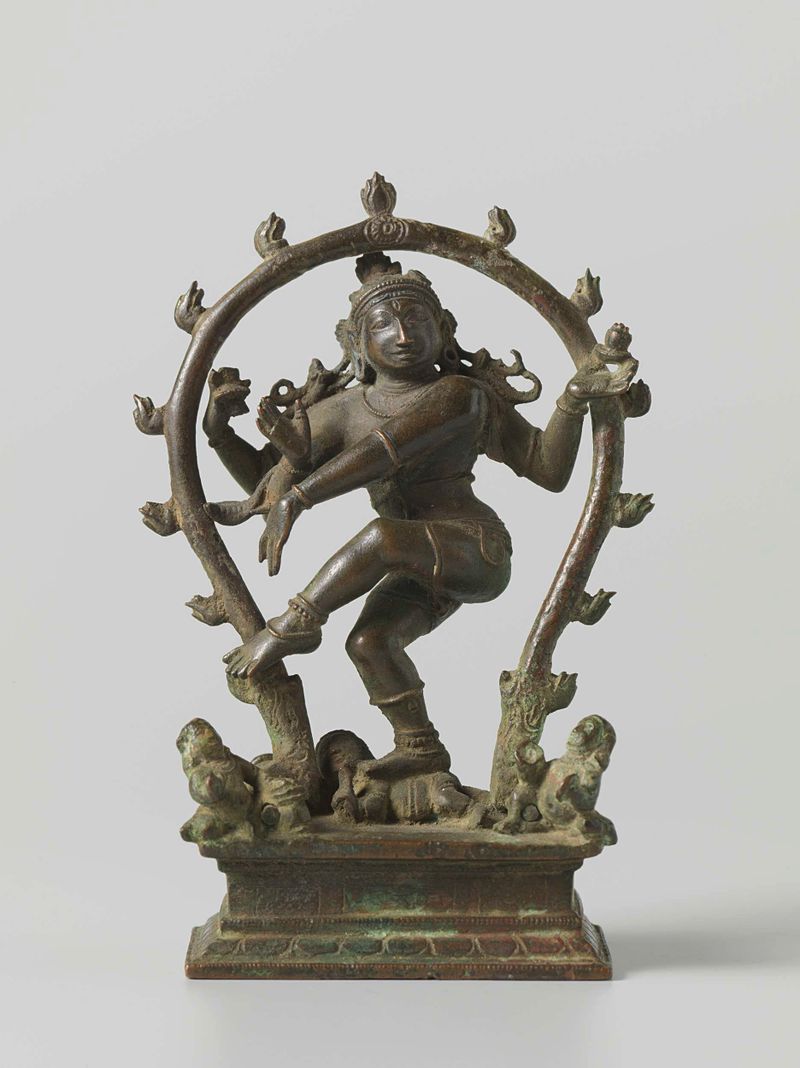
Shiva Nataraja
Unknown Artist

The Tale of Genji
Unknown Artist

The Tale of Genji
Unknown Artist

Cong
Unknown Artist
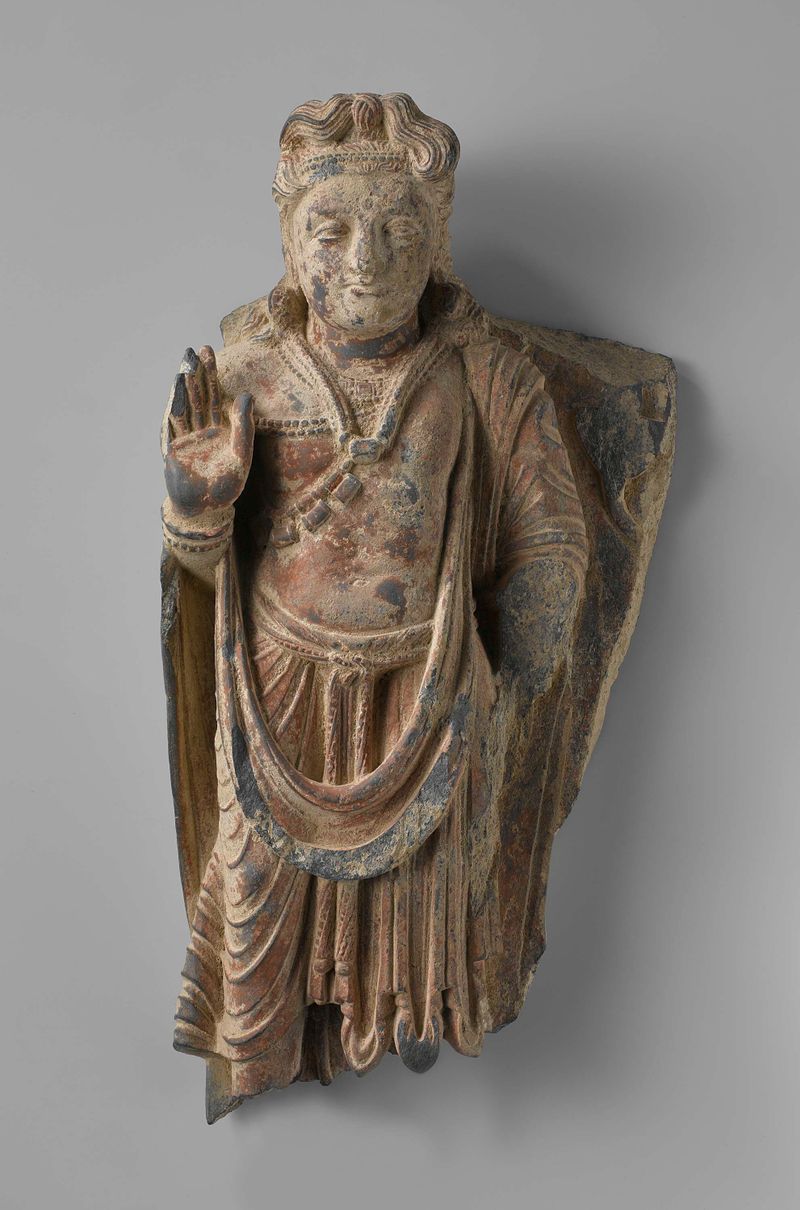
The bodhisattva Maitreya
Unknown Artist

Teabowl with a 'hare's fur' glaze
Unknown Artist
More Religious Art
Browse all →
The Return of the Prodigal Son
Rembrandt van Rijn

The Garden of Earthly Delights
El Bosco

Count Orgaz’ funeral
El Greco

The Hundred Guilder Print: the central piece with Christ preaching, the plate arched
Rembrandt van Rijn

The Descent from the Cross
Rogier van der Weyden

The return of the prodigal son
Rembrandt van Rijn