
Heilige Ursula — History & Facts
In a world filled with the echoes of silence, how do we capture the essence of absence? This question lingers in the air, inviting contemplation and deeper reflection. Look to the center of the canvas where the figure of Ursula stands with a poised elegance. Dressed in flowing garments, her grace is accentuated by the delicate interplay of light and shadow across the fabric, evoking a sense of otherworldliness. Notice how the muted palette underscores the somber atmosphere, with whispers of vibrant hues accentuating her features, creating a haunting contrast that draws the eye.
The backdrop, a subtle blend of earthy tones, enhances her isolation, inviting viewers to ponder her story. Hidden within the folds of this artwork lies a profound tension—a delicate balance between presence and absence. The empty space surrounding Ursula amplifies her solitude, while the ethereal quality of her figure suggests an unresolved longing, a yearning for connection. Each brushstroke seems to echo the pain of emptiness, allowing one to feel both the weight of her existence and the void left in its wake.
The simplicity of the composition belies a complexity that resonates on a deeply emotional level, urging reflections on faith, loss, and the fragility of life. The piece emerged in 1503, a time marked by shifting artistic paradigms and burgeoning religious fervor. The artist, whose identity remains a mystery, was likely influenced by the evolving styles of the Northern Renaissance, which sought to explore spirituality through intricate detail and emotive expression. This period, filled with profound introspection and cultural upheaval, provided fertile ground for the creation of an image that transcends time, speaking to the universal human experience of longing and loss.
More Artworks by Unknown Artist
Browse all →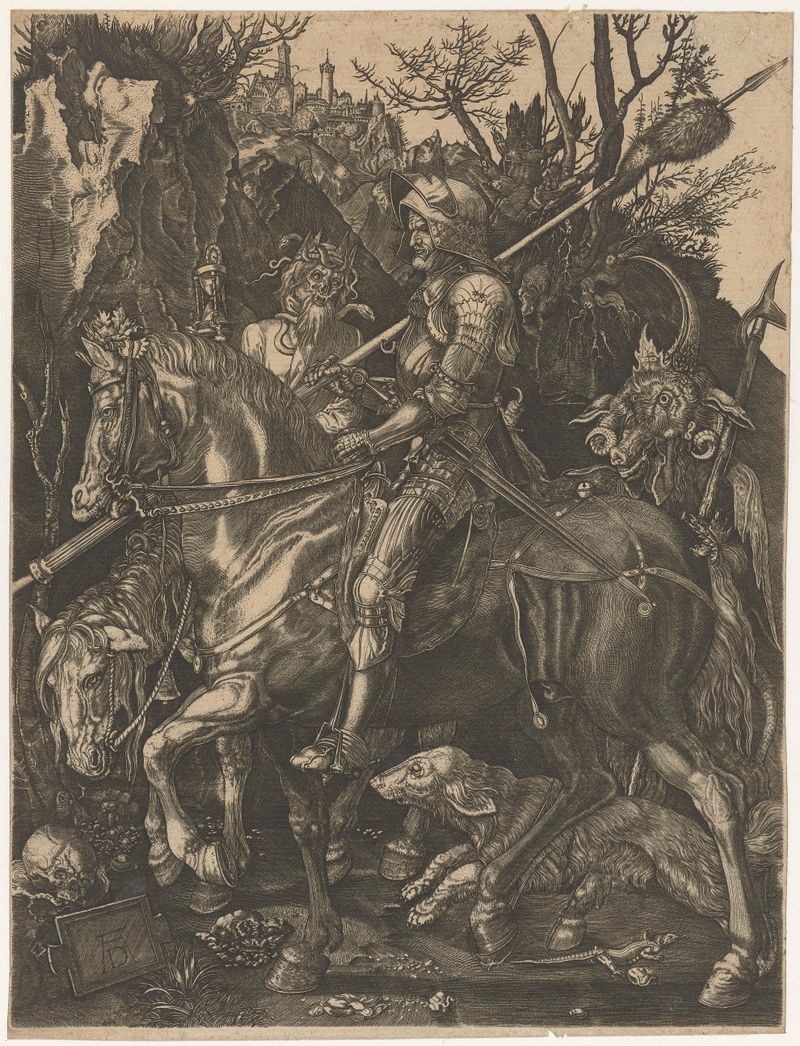
Ridder, Dood en Duivel
Unknown Artist
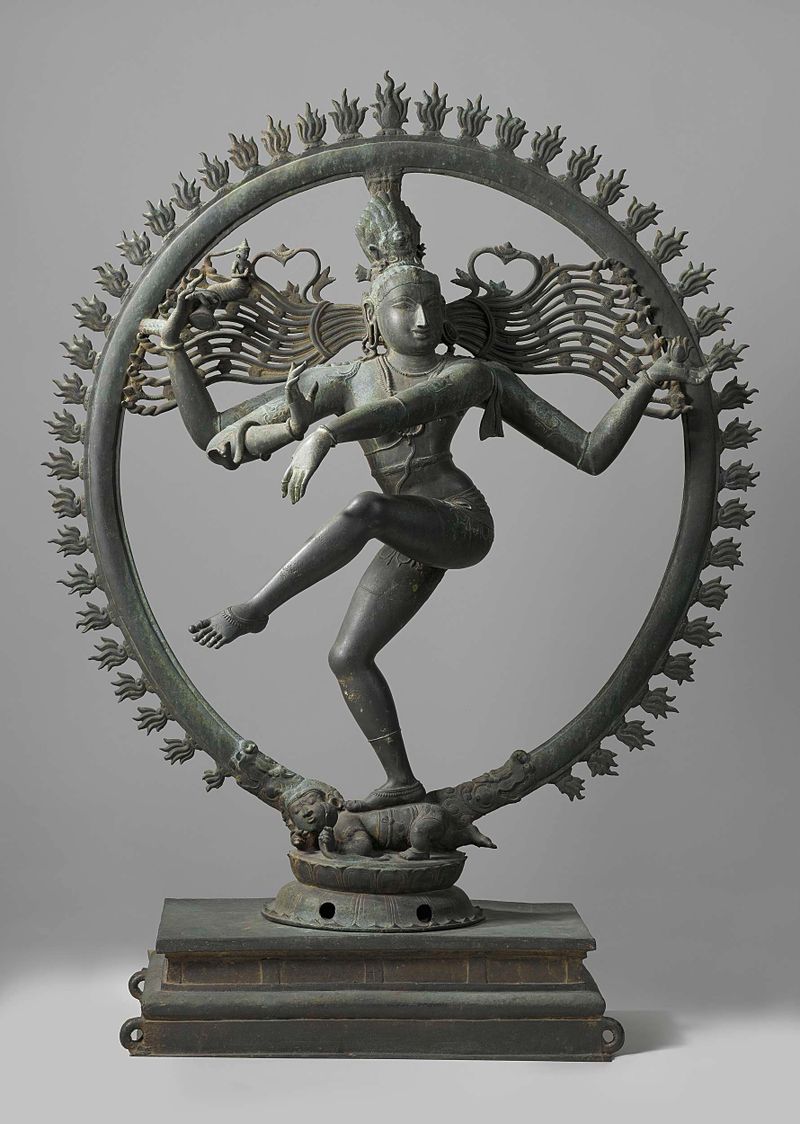
Shiva Nataraja
Unknown Artist
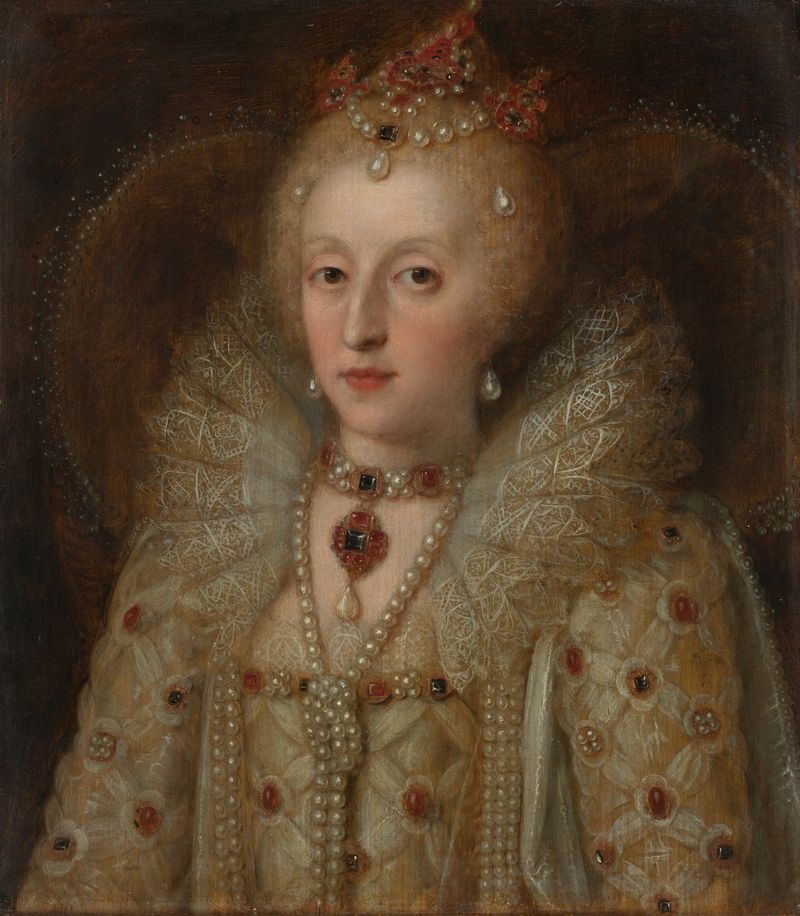
Portrait of Elizabeth I, Queen of England
Unknown Artist
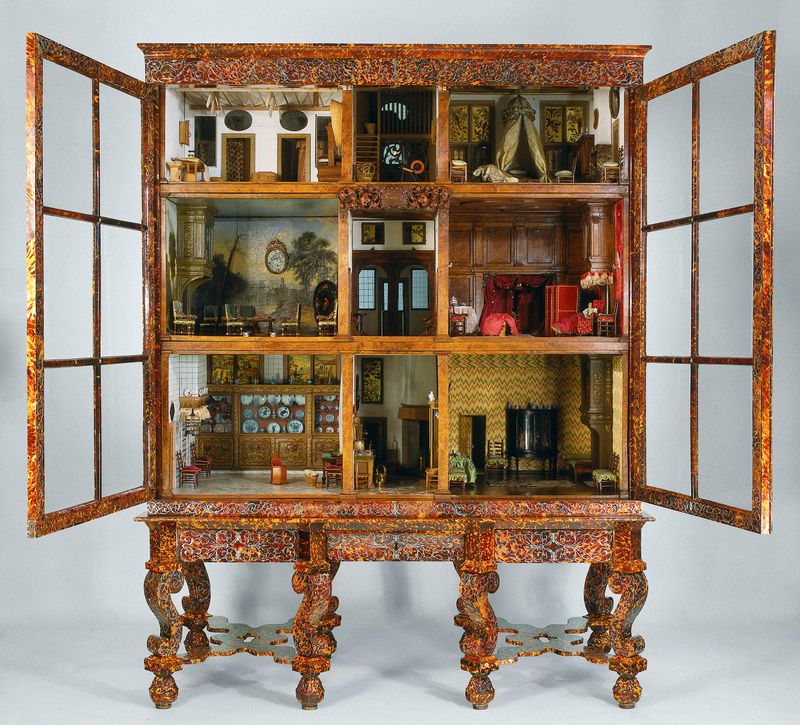
Dolls’ house of Petronella Oortman
Unknown Artist
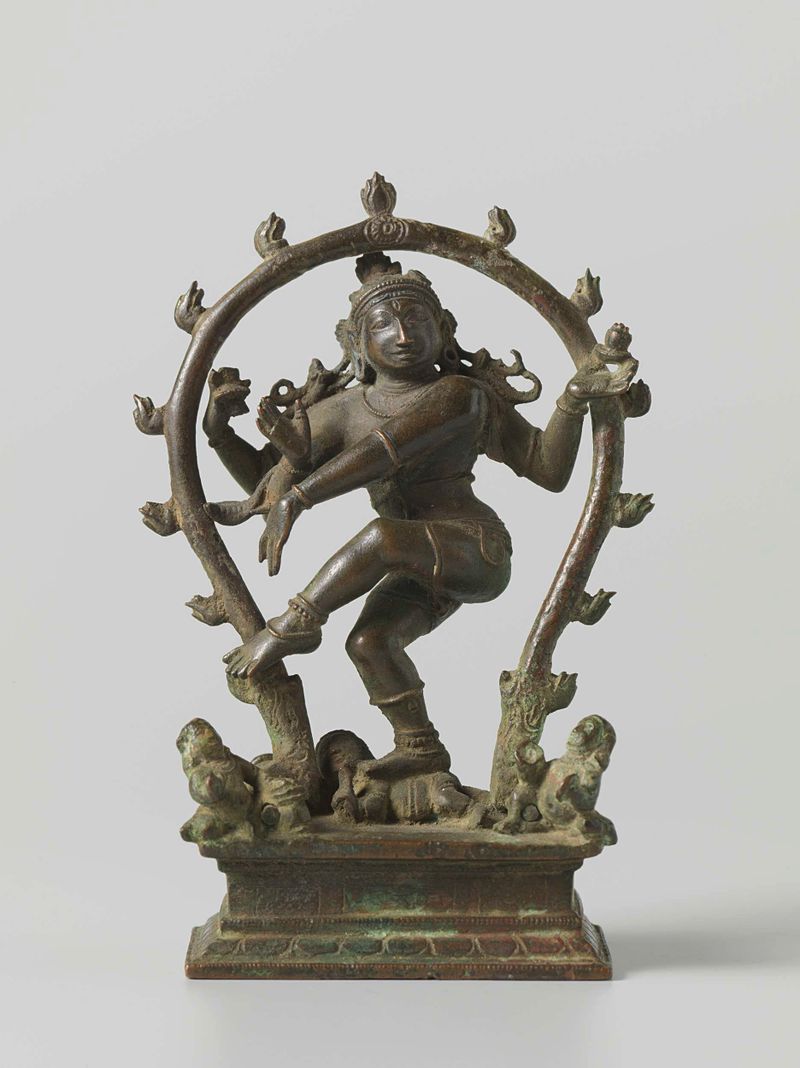
Shiva Nataraja
Unknown Artist

The Tale of Genji
Unknown Artist

The Tale of Genji
Unknown Artist

Cong
Unknown Artist
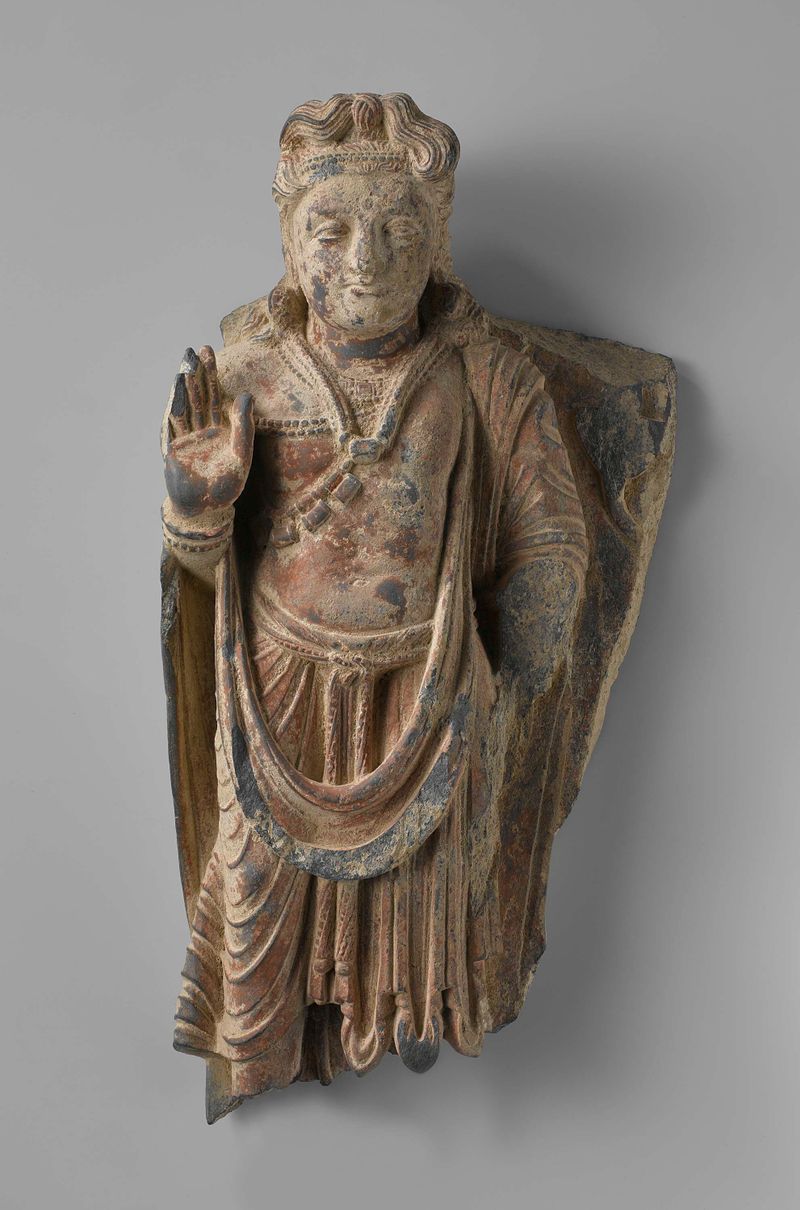
The bodhisattva Maitreya
Unknown Artist

Teabowl with a 'hare's fur' glaze
Unknown Artist
More Religious Art
Browse all →
The Return of the Prodigal Son
Rembrandt van Rijn

The Garden of Earthly Delights
El Bosco

Count Orgaz’ funeral
El Greco

The Hundred Guilder Print: the central piece with Christ preaching, the plate arched
Rembrandt van Rijn

The Descent from the Cross
Rogier van der Weyden

The return of the prodigal son
Rembrandt van Rijn