
Hemelvaart van Elia — History & Facts
What secret hides in the quiet of the canvas? Hemelvaart van Elia, a painting shrouded in the somber hues of a dusky sky, invites viewers to ponder the complexities of faith and farewell. Look to the lower right, where the fading light casts shadows across the figures gathered in reverence. The rich, earthy tones of their garments contrast with the ethereal glow surrounding the ascendant Elijah, who dominates the upper left. Notice how the artist captures the tumult of the moment through swirling clouds and radiant beams, emphasizing both divinity and the fragility of human emotion.
Each brushstroke is deliberate, enhancing the tension between earthly sorrow and heavenly promise. The composition speaks volumes about the lingering anguish of loss, as the onlookers' downturned faces reflect a myriad of emotions—fear, hope, and resignation. The gentle curvature of their bodies conveys a shared experience, binding them together in their grief. The juxtaposition of the celestial ascent with the terrestrial despair subtly reveals the profound melancholy inherent in transitions—what is gained at the cost of what is left behind? Painted between 1525 and 1530, the artist of Hemelvaart van Elia remains anonymous, yet the work emanates the spirit of a time when religious themes permeated the art world.
This was an era marked by the Reformation's challenges to established beliefs, creating a fertile ground for exploration of faith and its complexities. Amidst cultural shifts and evolving ideologies, this artwork stands as a poignant reflection of a collective human experience—a moment suspended between hope and sorrow.
More Artworks by Unknown Artist
Browse all →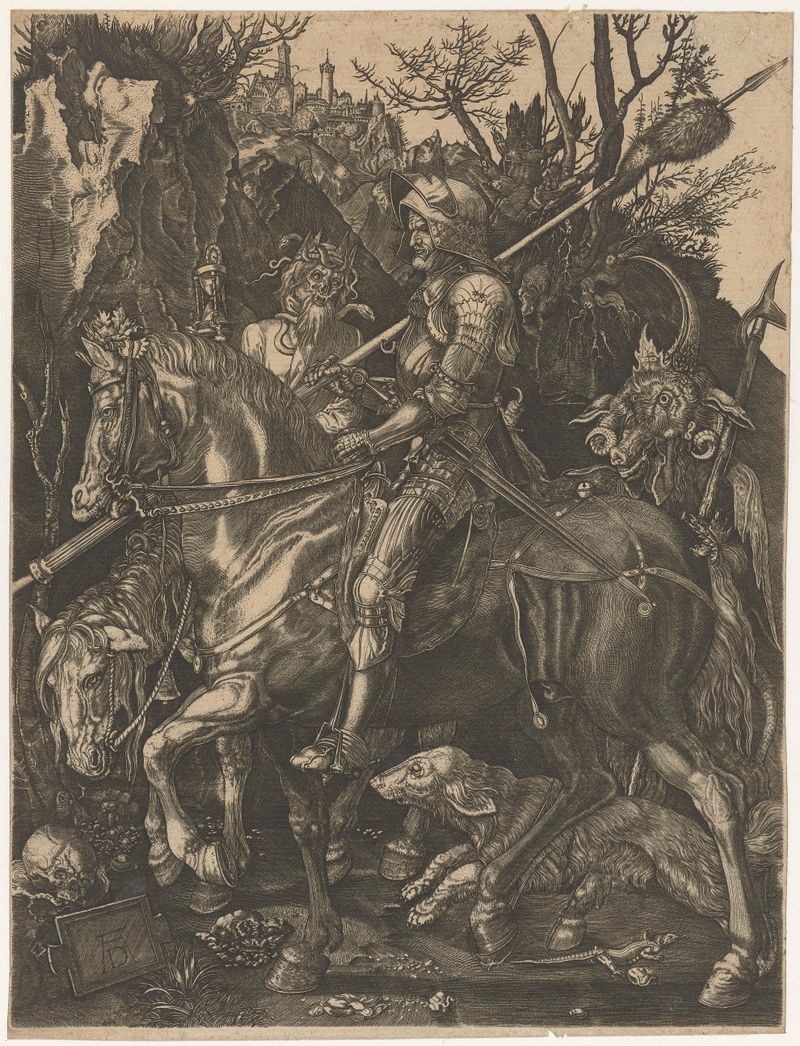
Ridder, Dood en Duivel
Unknown Artist
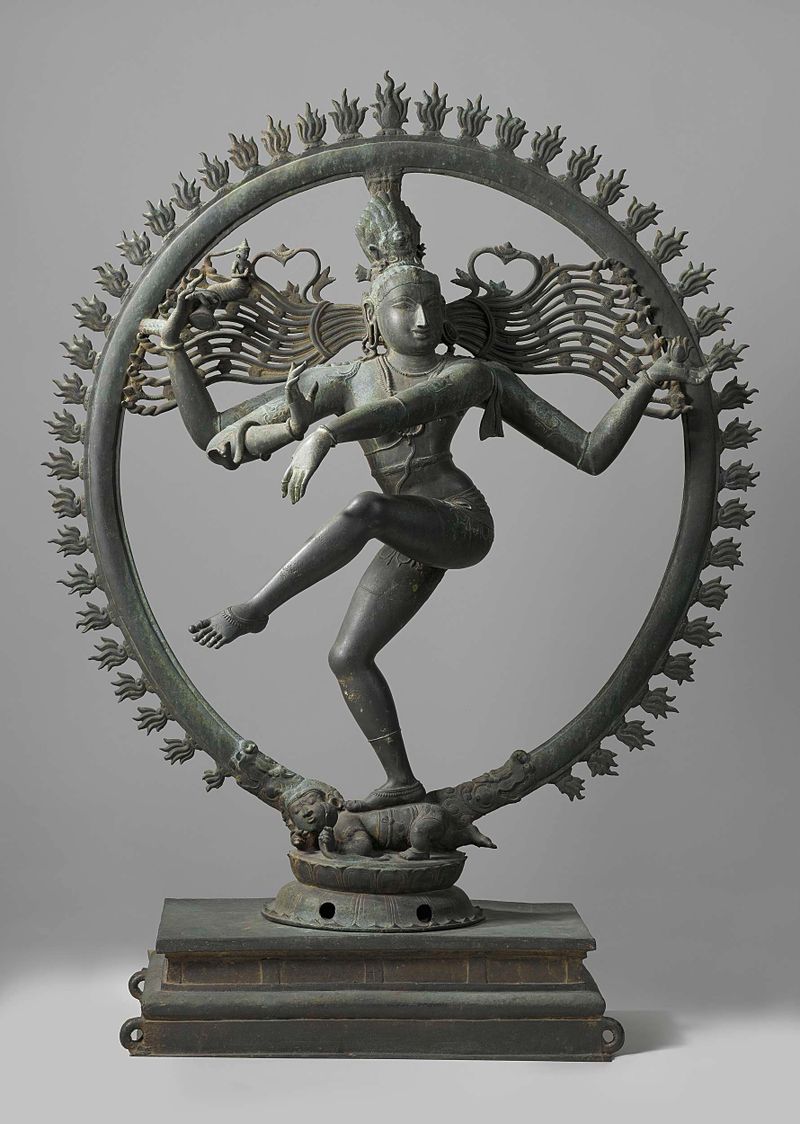
Shiva Nataraja
Unknown Artist
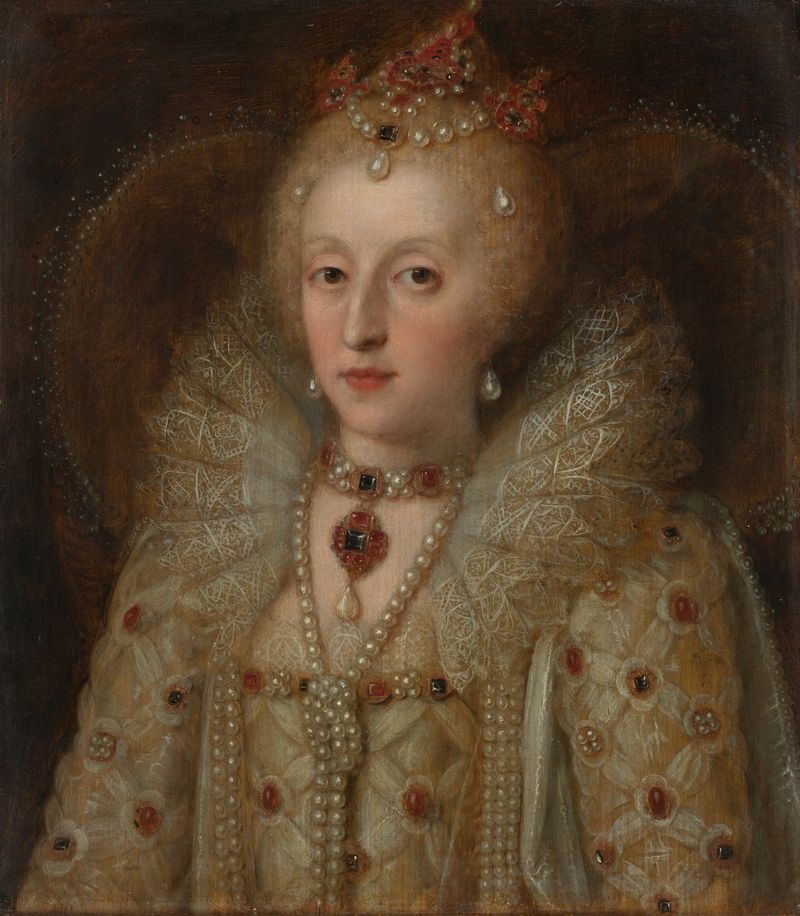
Portrait of Elizabeth I, Queen of England
Unknown Artist
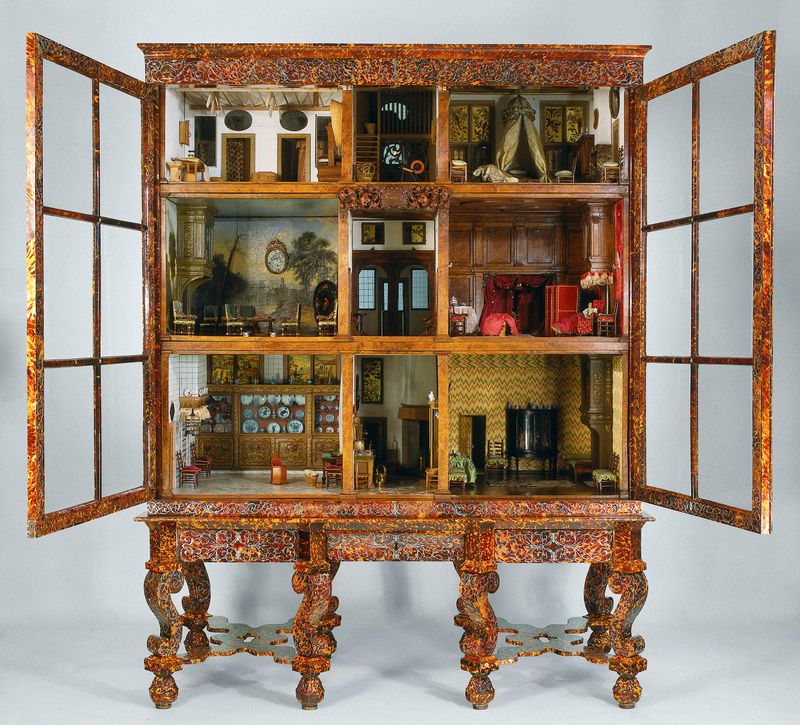
Dolls’ house of Petronella Oortman
Unknown Artist
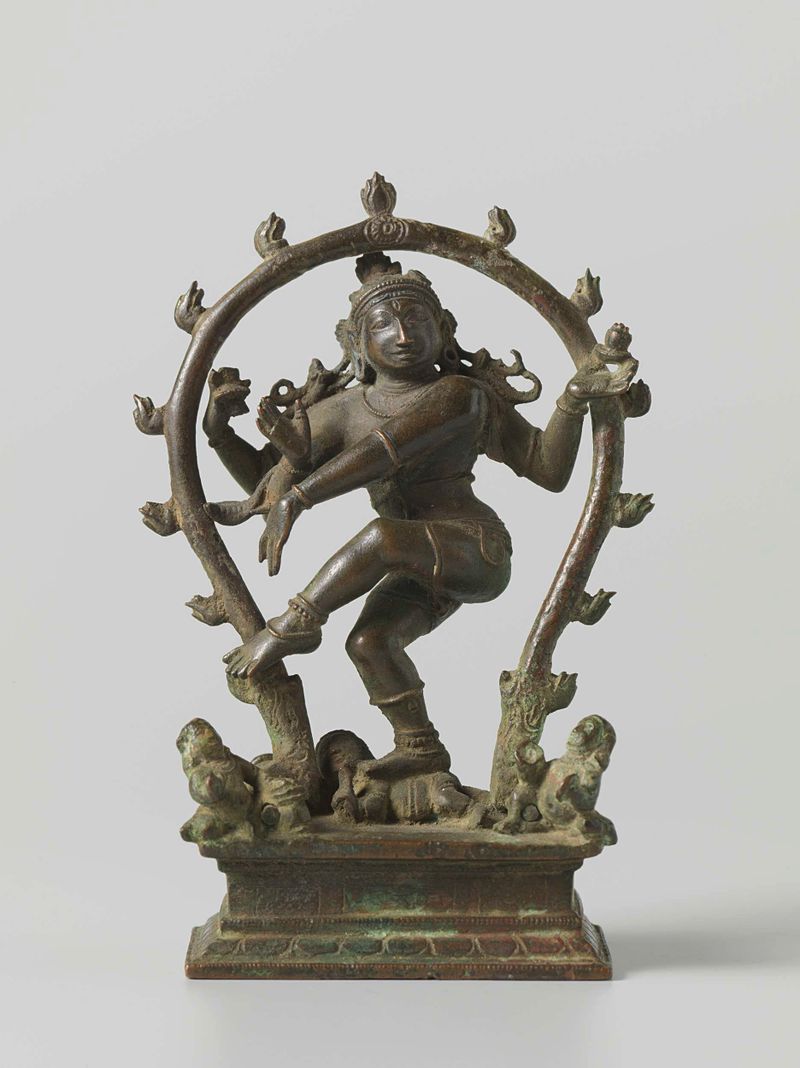
Shiva Nataraja
Unknown Artist

The Tale of Genji
Unknown Artist

The Tale of Genji
Unknown Artist

Cong
Unknown Artist
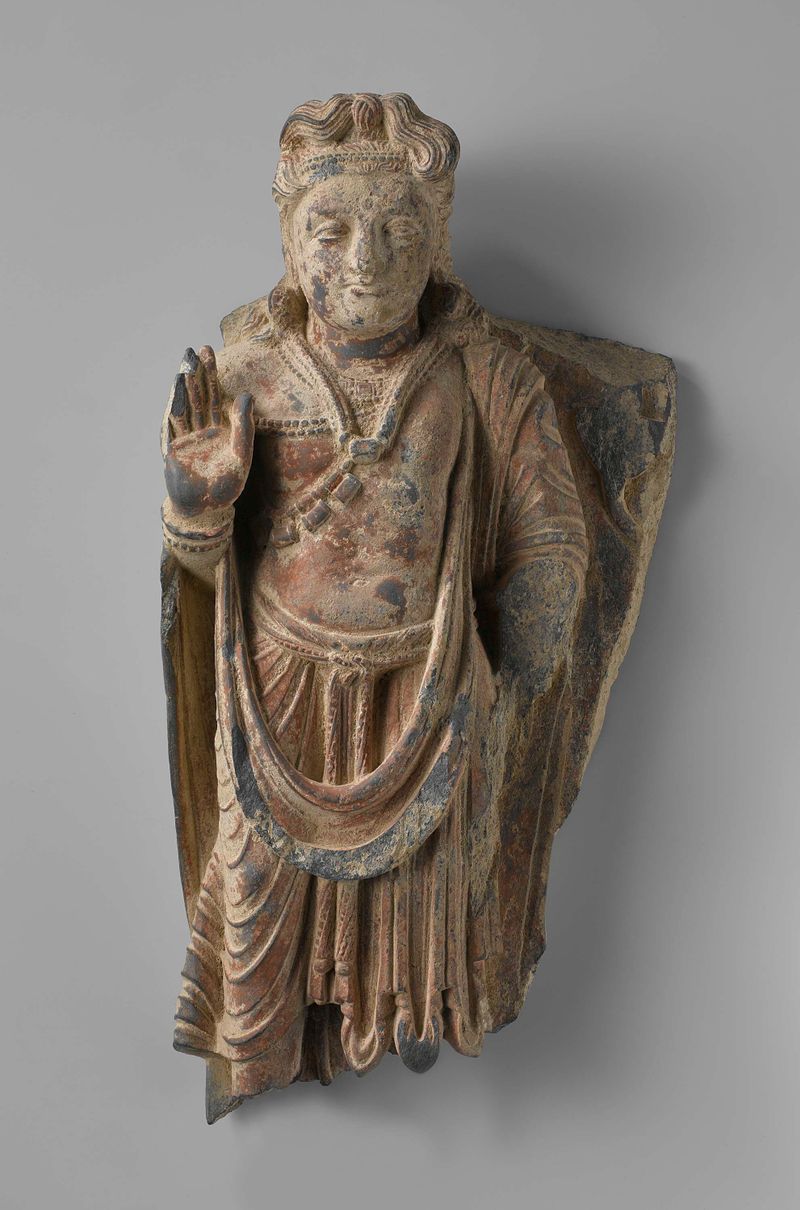
The bodhisattva Maitreya
Unknown Artist

Teabowl with a 'hare's fur' glaze
Unknown Artist
More Religious Art
Browse all →
The Return of the Prodigal Son
Rembrandt van Rijn

The Garden of Earthly Delights
El Bosco

Count Orgaz’ funeral
El Greco

The Hundred Guilder Print: the central piece with Christ preaching, the plate arched
Rembrandt van Rijn

The Descent from the Cross
Rogier van der Weyden

The return of the prodigal son
Rembrandt van Rijn