
Het Gastmaal bij Simon te Bethanië — History & Facts
What if beauty was never meant to be finished? This question lingers in the air, echoing the innocence captured in the delicate fragments of life—moments suspended in time, untouched by the sullenness of the world. Focus on the gentle interplay of light and shadow, particularly around the figures seated at the table. The soft glow that illuminates their faces contrasts sharply with the rich, muted tones of the background. Notice how the artist employs intricate detailing in the garments, drawing your gaze to the carefully rendered textures that speak of both wealth and humility.
Each figure is animated by their own expression, yet bound together by the communion of their shared moment. Delve deeper and observe the subtle gestures that convey unspoken narratives. The act of sharing bread becomes more than sustenance; it symbolizes unity in innocence, a fleeting connection amidst the tumult of life. The careful positioning of hands reaching toward the center invites contemplation of sacrifice—the sacred and the mundane intertwining at this table.
Each glance exchanged carries a weight of history and hope, where innocence meets reverence. This artwork, created by an unknown artist around 1515 to 1520, likely emerged during a period of rich religious exploration and transition in Europe. Amidst the burgeoning Renaissance, where expressions of faith found new forms, the artist captured a moment of sanctity and simplicity. It reflects a world navigating the complexities of belief while yearning for the pure, unblemished essence of shared human experience.
More Artworks by Unknown Artist
Browse all →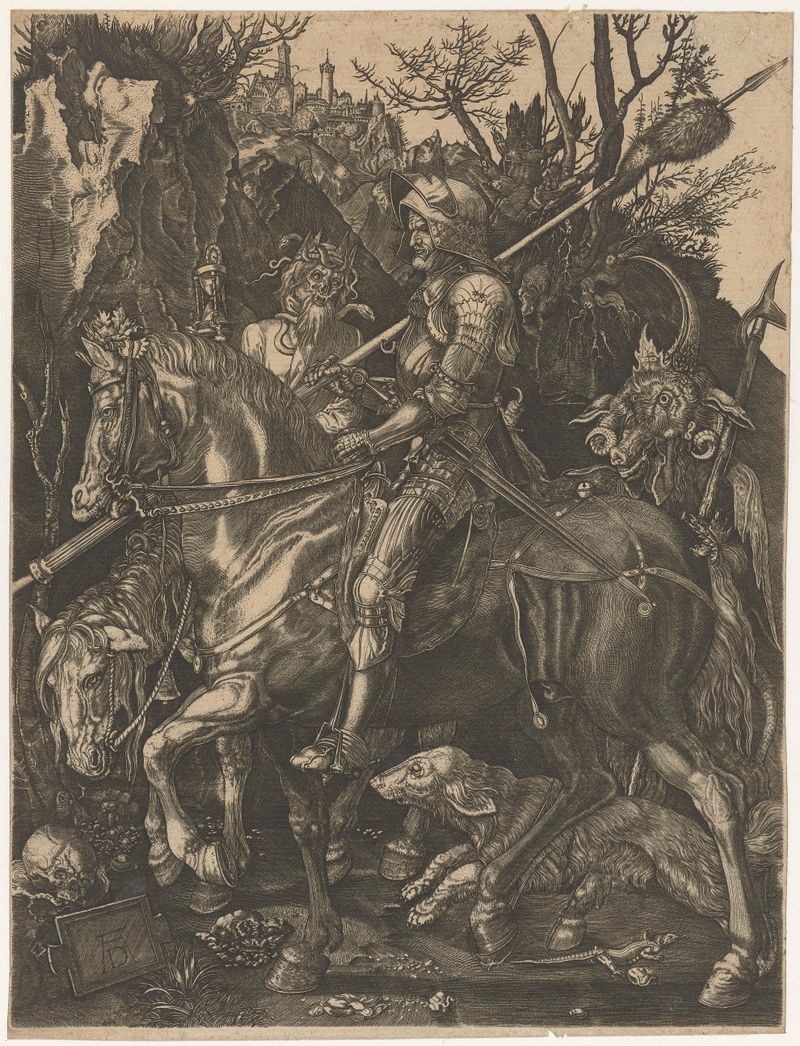
Ridder, Dood en Duivel
Unknown Artist
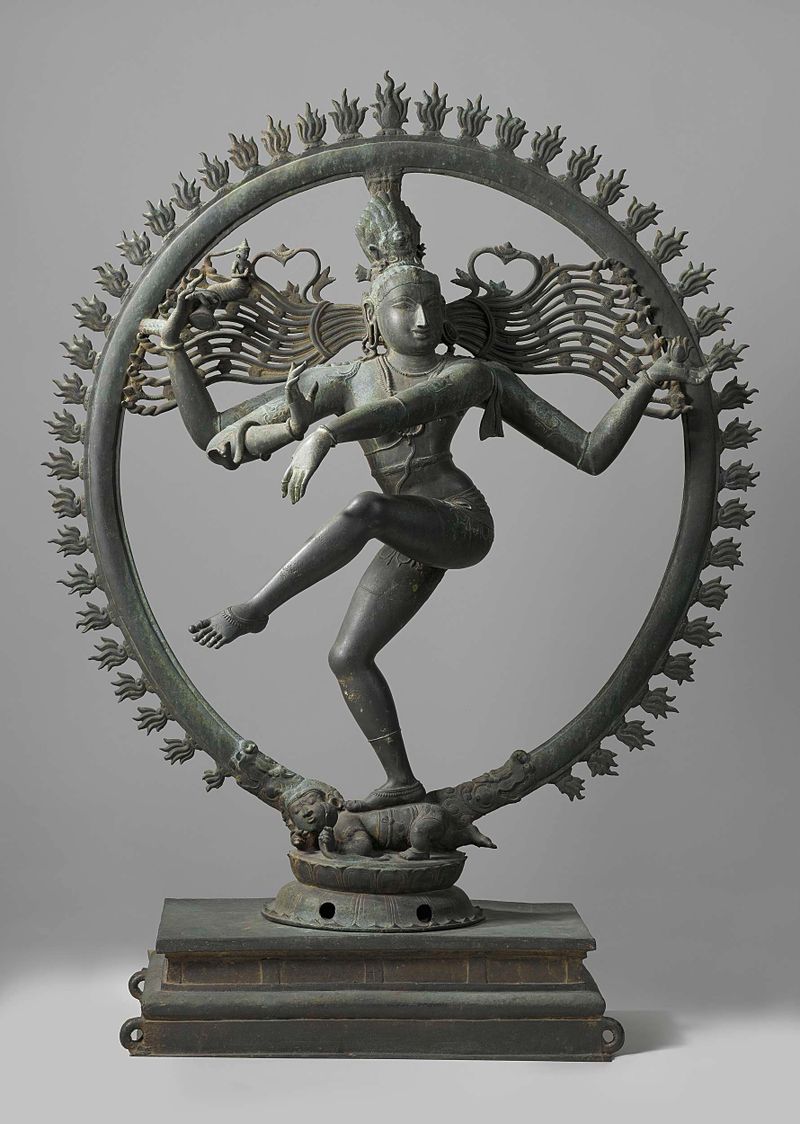
Shiva Nataraja
Unknown Artist
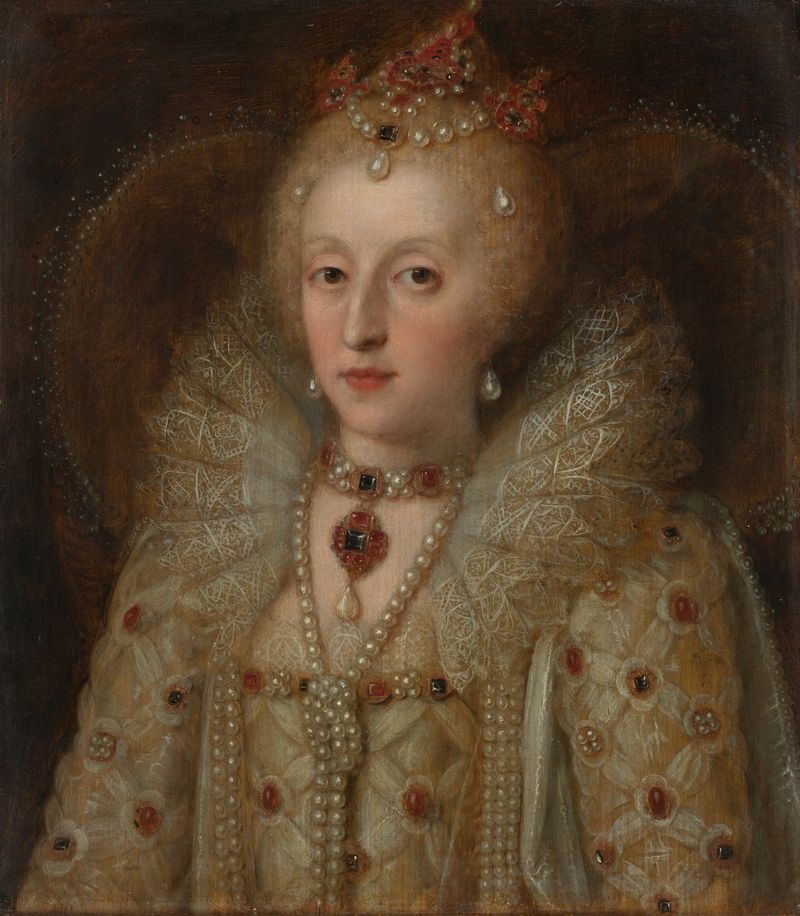
Portrait of Elizabeth I, Queen of England
Unknown Artist
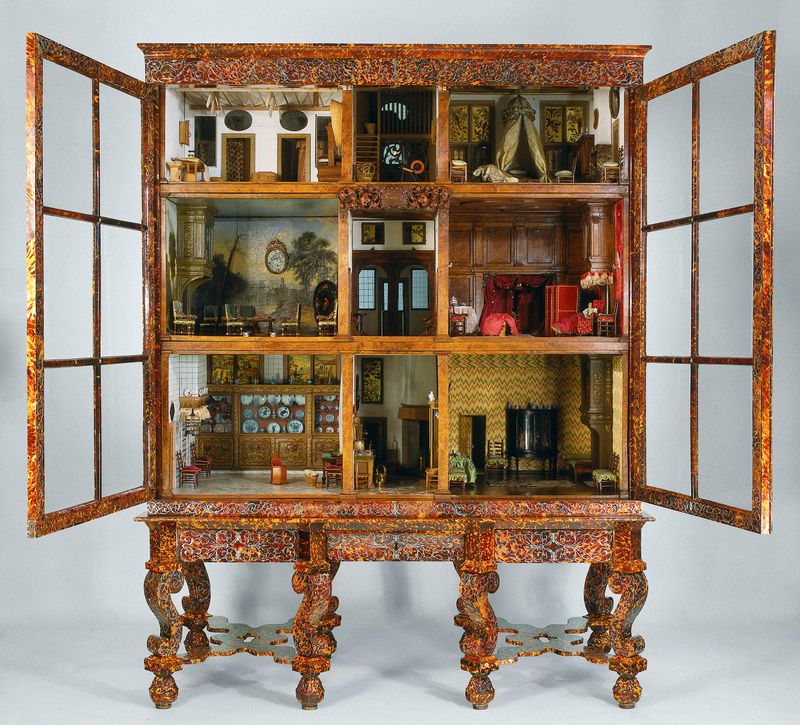
Dolls’ house of Petronella Oortman
Unknown Artist
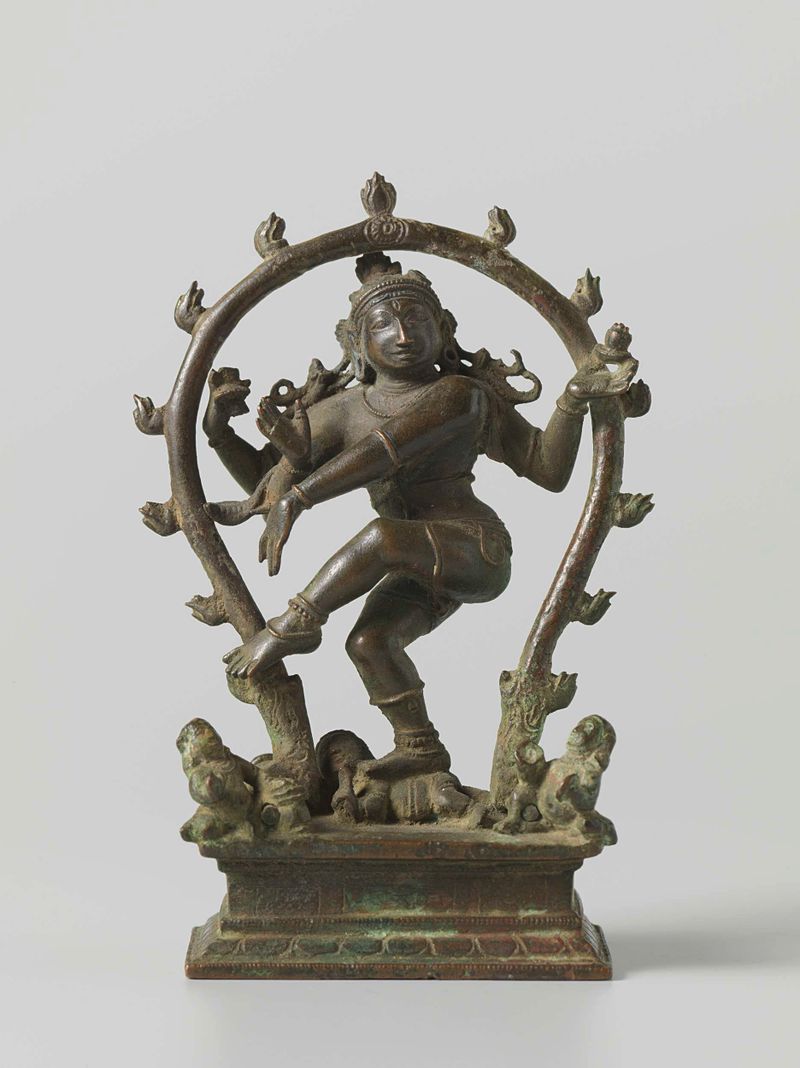
Shiva Nataraja
Unknown Artist

The Tale of Genji
Unknown Artist

The Tale of Genji
Unknown Artist

Cong
Unknown Artist
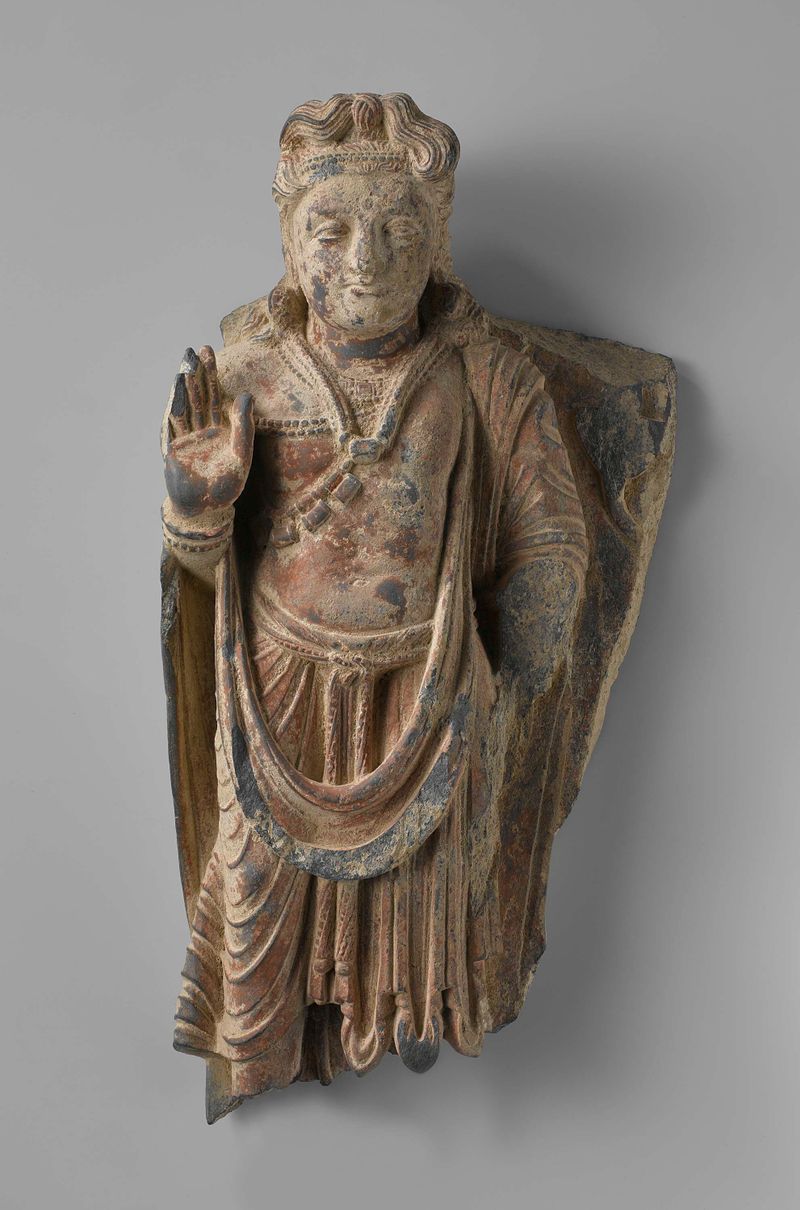
The bodhisattva Maitreya
Unknown Artist

Teabowl with a 'hare's fur' glaze
Unknown Artist
More Religious Art
Browse all →
The Return of the Prodigal Son
Rembrandt van Rijn

The Garden of Earthly Delights
El Bosco

Count Orgaz’ funeral
El Greco

The Hundred Guilder Print: the central piece with Christ preaching, the plate arched
Rembrandt van Rijn

The Descent from the Cross
Rogier van der Weyden

The return of the prodigal son
Rembrandt van Rijn