
Het kasteel te Wouw — History & Facts
In the quietude of Het kasteel te Wouw, we are drawn into an unsettling calm, a moment that conceals the echoes of past violence. The landscape invites contemplation, yet it whispers of the darker histories it holds beneath the surface. Focus on the castle’s imposing silhouette—its dark stones stand in stark contrast to the lighter hues of the sky. Notice how the golden light of the setting sun casts long shadows across the moat, creating a delicate interplay between illumination and obscurity.
The trees frame the scene, their branches reaching toward the heavens as if grasping for something lost, while the water mirrors the tumult of human emotions—both tranquil and turbulent. The juxtaposition of the serene landscape against the formidable structure signals a tension between beauty and menace. The still waters evoke a sense of calm, yet they also conceal the violence of history, the conflicts fought over land and power. The choice of palette enhances this duality, with soft pastels suggesting peace while the looming castle serves as a reminder of the turmoil that thrives beneath the surface.
Each brushstroke speaks to the hidden stories of those who walked these grounds—lovers and warriors alike. Aert Schouman painted Het kasteel te Wouw in 1741 during a time when Europe was experiencing both artistic enlightenment and political turmoil. Living in the Netherlands, he was influenced by the rising popularity of landscape painting, yet his work reflects an awareness of the shadows lurking behind façades of beauty. The painting encapsulates a moment where nature and architecture intertwine, hinting at a narrative that is as layered as the history of the land itself.
More Artworks by Aert Schouman
Browse all →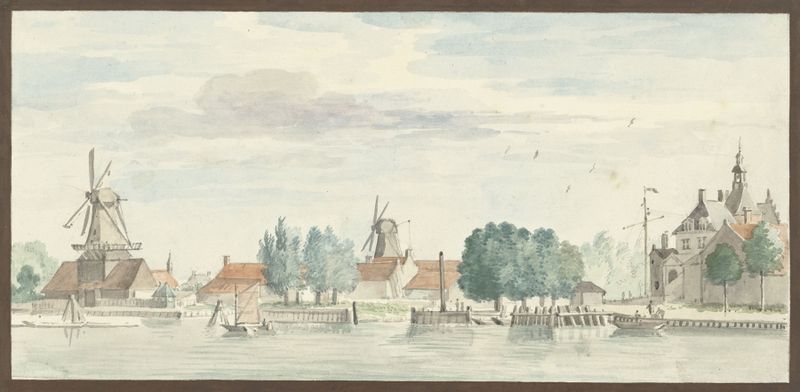
Gezicht op Dordrecht met de Rietdijkspoort en windmolens
Aert Schouman
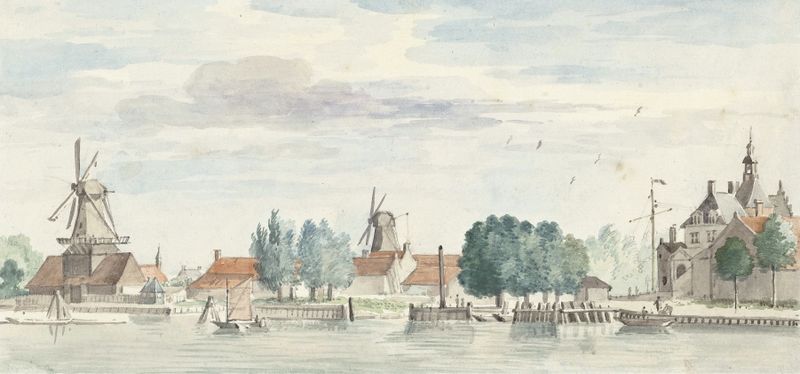
Gezicht op Dordrecht met de Rietdijkspoort en windmolens
Aert Schouman
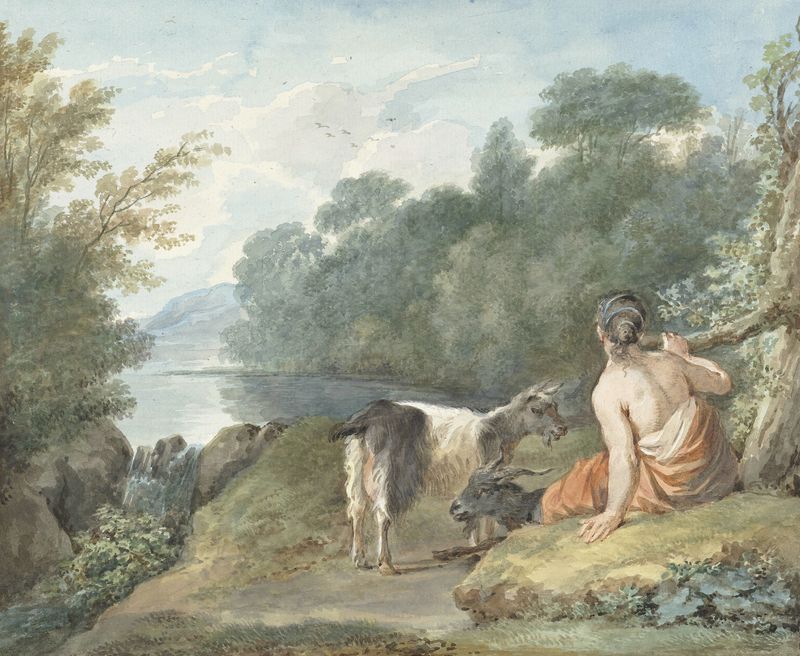
Herderin met geiten in een landschap met een meer
Aert Schouman

Gezicht op de bevroren Merwede bij Moerdijk
Aert Schouman

Zeilschepen op de rivier bij Dordrecht
Aert Schouman

Het kasteel en school te Wouw
Aert Schouman
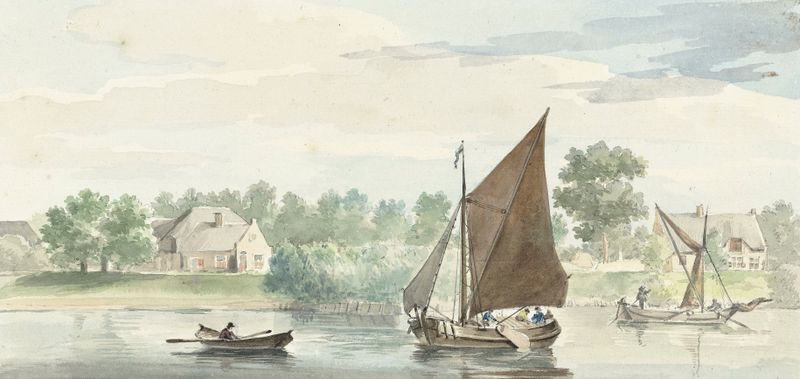
Zeilend schip op de Beneden Merwede bij de Papendrechtse dijk
Aert Schouman

Het dorp ‘s-Gravezande
Aert Schouman

Het kasteel Ter Hooge op Walcheren
Aert Schouman
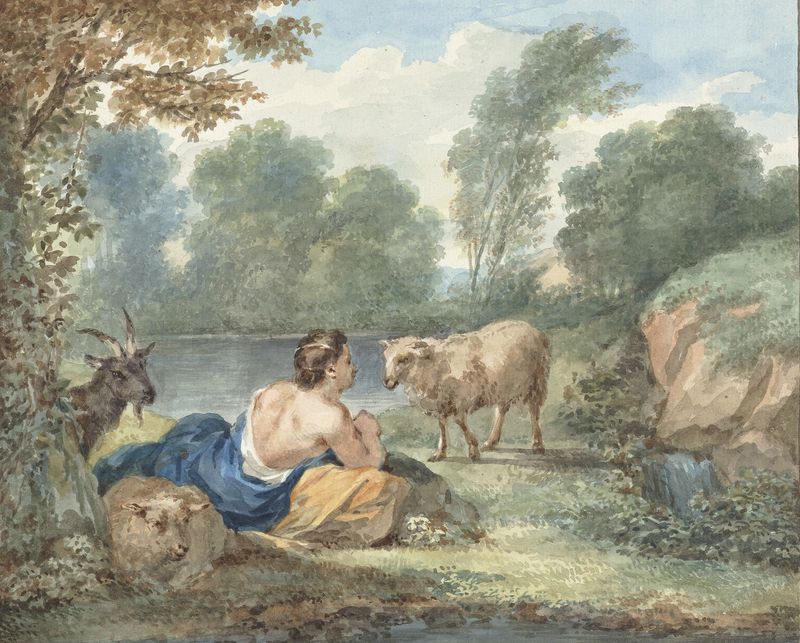
Herderin met schapen in een landschap met een meertje
Aert Schouman
More Architecture Art
Browse all →
The statue of Liberty
Frédéric Auguste Bartholdi

View of Houses in Delft, Known as ‘The Little Street’
Johannes Vermeer

View of Houses in Delft, Known as ‘The Little Street’
Johannes Vermeer

The Cathedral in Rouen. The portal, Grey Weather
Claude Monet

The yellow house
Vincent van Gogh

The Church in Auvers-sur-Oise, View from the Chevet
Vincent van Gogh