
Het zogenaamde zelfportret van Lucas van Leyden — History & Facts
What if silence could speak through light? In the play of shadow and illumination, a fragile narrative unfolds, inviting introspection and contemplation. Look to the center of the composition, where the figure's gaze meets yours, a quiet invitation to engage with the interior world of thought. The muted palette—soft earth tones interspersed with delicate highlights—enhances the figure’s sense of vulnerability. Notice how the light catches the contours of the face, emphasizing not only the visible features but also the unspoken depths of emotion.
Each brushstroke seems intentional, guiding the viewer’s eye to the wistfulness captured within the eyes, where the essence of the self resides. This self-portrait resonates with layers of meaning; it speaks to the fragility of identity in an ever-changing world. The way the light bathes the figure suggests the delicate interplay between presence and absence, an echo of the artist's internal struggles. The slightly blurred edges whisper of impermanence, as if the self portrayed could dissolve with a mere breath.
Additionally, the absence of overt adornment or background detail reflects a yearning for authenticity amidst the pressures of societal expectations. This work was created between 1575 and 1625 by an unknown artist, a time when realism began to emerge in the art world alongside the growing influence of Northern Renaissance painting. The artist likely navigated the complexities of identity and self-representation during a period marked by the rise of individualism. In a society on the cusp of modernity, this portrayal encapsulates not just a personal likeness but also the universal quest for understanding within the complexities of human experience.
More Artworks by Unknown Artist
Browse all →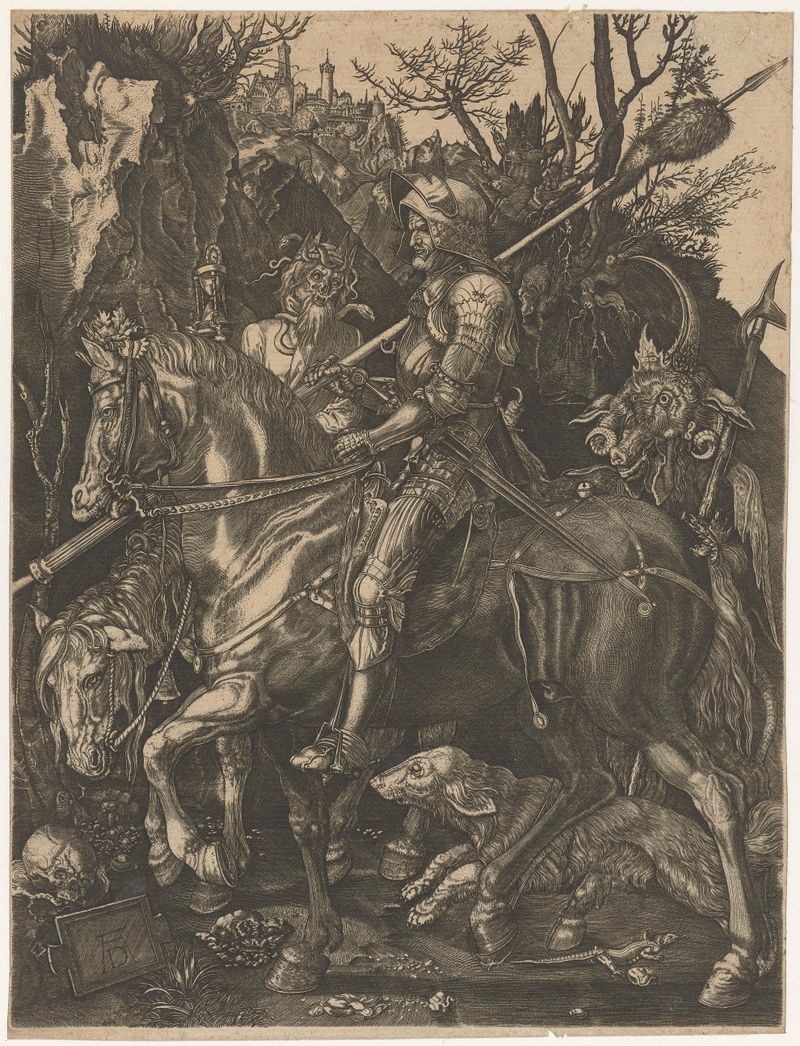
Ridder, Dood en Duivel
Unknown Artist
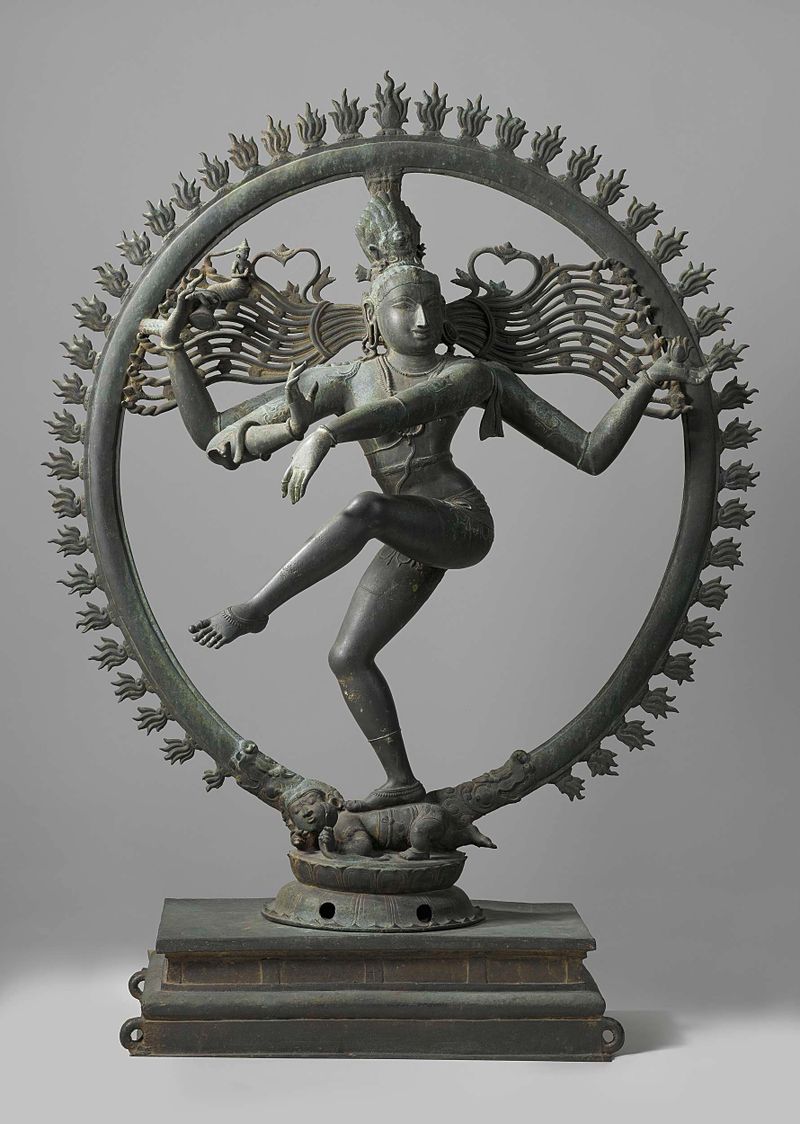
Shiva Nataraja
Unknown Artist
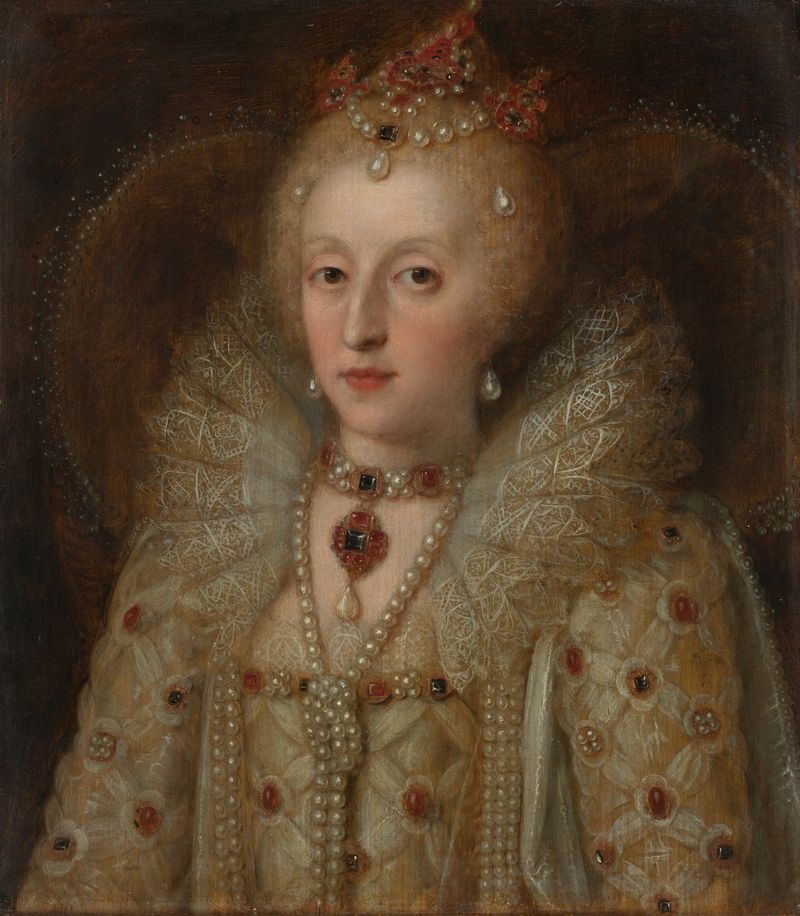
Portrait of Elizabeth I, Queen of England
Unknown Artist
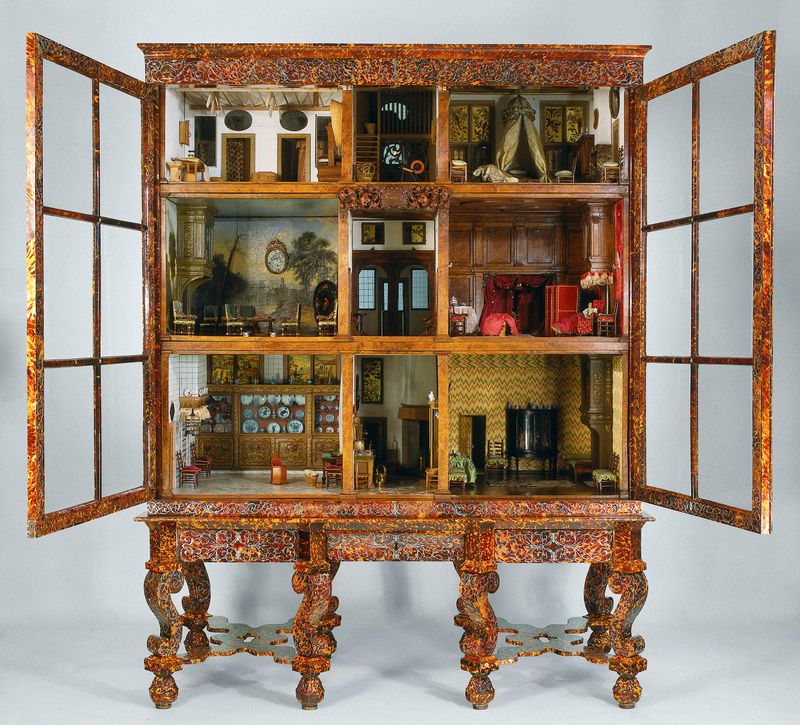
Dolls’ house of Petronella Oortman
Unknown Artist
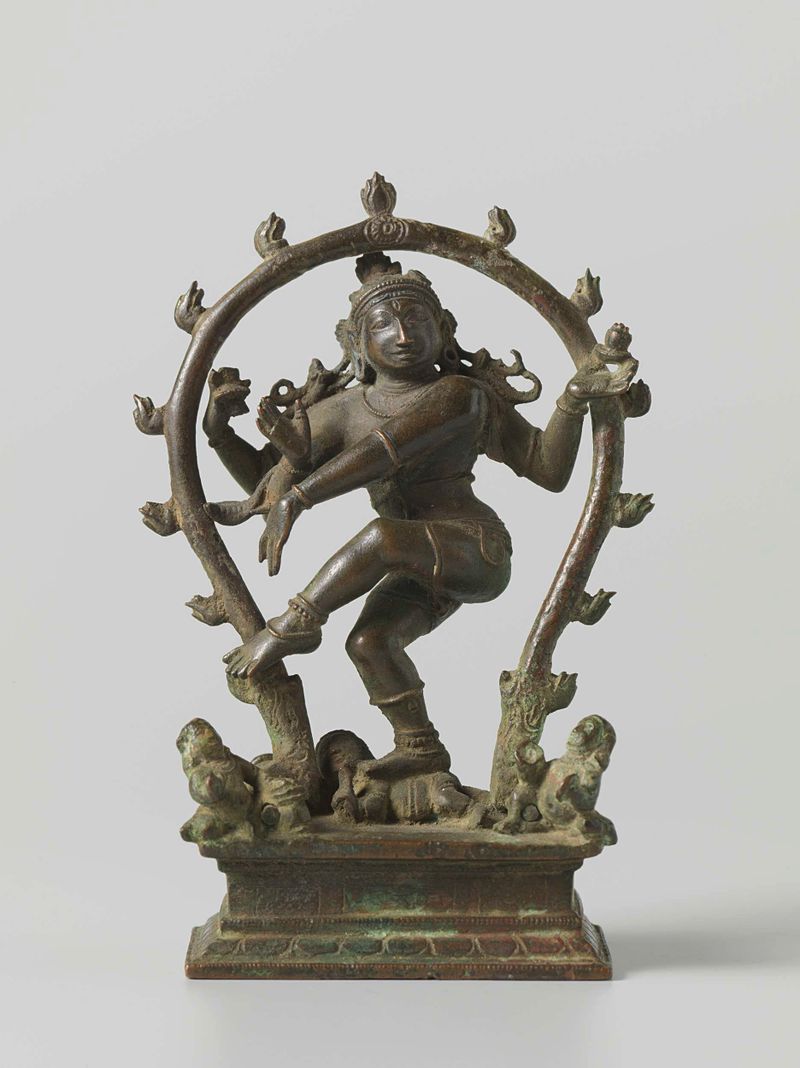
Shiva Nataraja
Unknown Artist

The Tale of Genji
Unknown Artist

The Tale of Genji
Unknown Artist
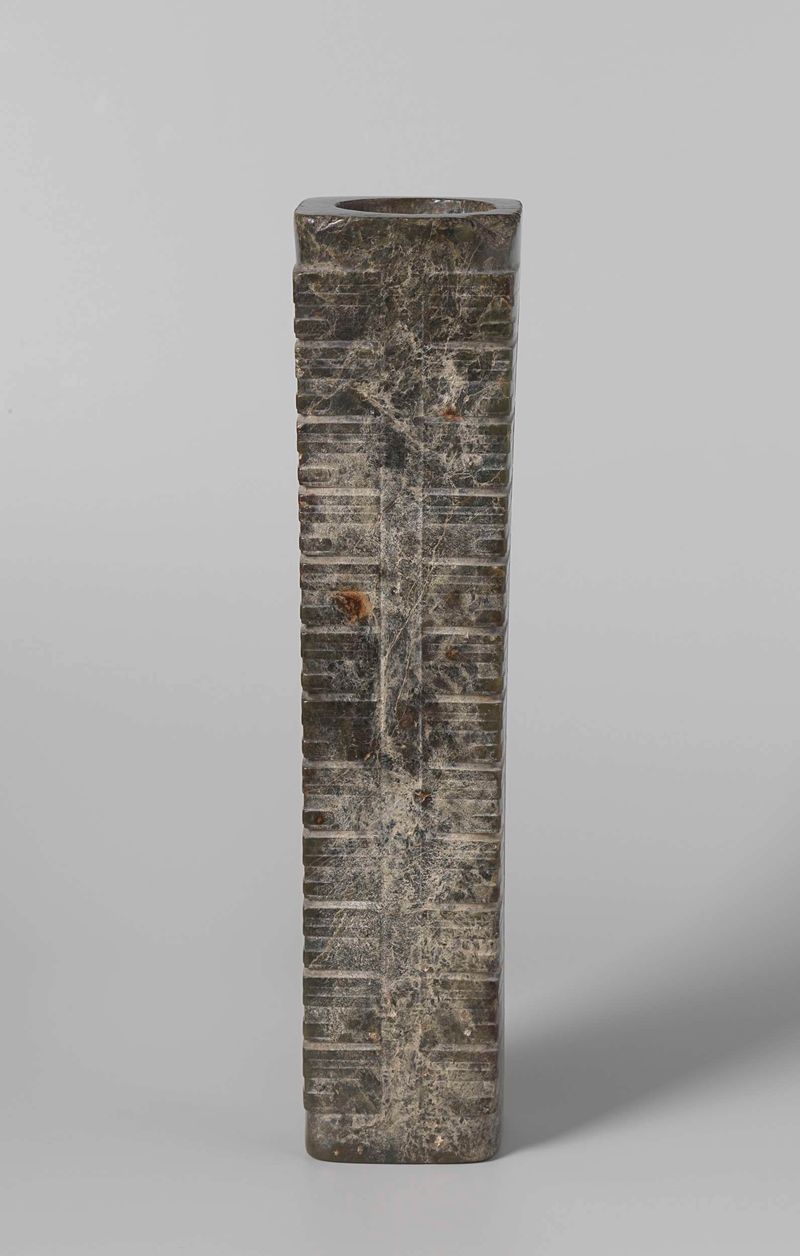
Cong
Unknown Artist
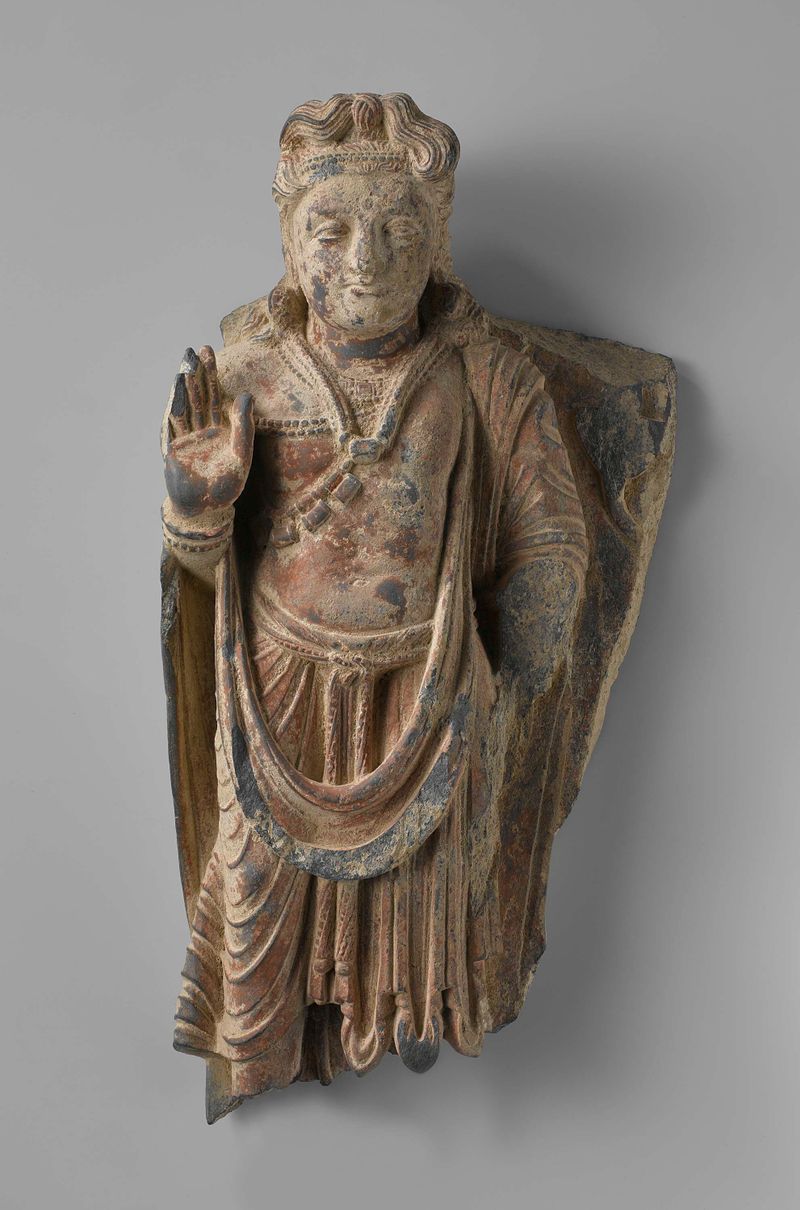
The bodhisattva Maitreya
Unknown Artist
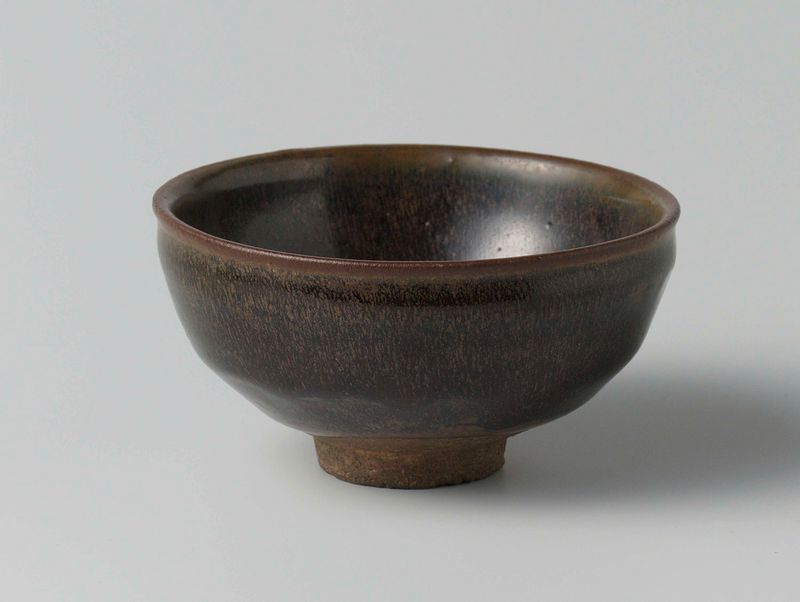
Teabowl with a 'hare's fur' glaze
Unknown Artist
More Portrait Art
Browse all →
Las meninas
Diego Velázquez

Self-portrait with a Bandaged Ear and Pipe
Unidentified artist

Girl with a Pearl Earring
Johannes Vermeer

The Sampling Officials of the Amsterdam Drapers’ Guild, Known as ‘The Syndics’
Rembrandt van Rijn

The Hundred Guilder Print: the man seen on the back in the lower left corner
Rembrandt van Rijn

Portrait of Dr Gachet
Vincent van Gogh