
Hill with field and meadow — History & Facts
Each stroke captures the silent whispers of time, revealing the inevitability of decay and the ever-present passage of life. Look to the foreground, where a sprawling meadow intertwines with the gentle contours of a hill, embracing the land in soft greens and muted browns. The artist employs a delicate palette, allowing shades of gold to emerge as the sun tucks behind the horizon. Notice how the brushwork suggests a gentle breeze, rustling the grass as it dances, each blade a testament to nature’s quiet resilience. In the background, the scene tells a deeper story; the trees stand solemn and slightly withered, hinting at the bittersweet passage of seasons and the inexorable march towards decay.
This contrast between vibrant life in the meadow and the more muted tones of the trees evokes a sense of nostalgia — a reminder of the fleeting beauty inherent in all existence. The layers of depth beckon viewers to ponder their own temporal place within nature's cycle. Jakob Becker painted this work in 1831 while living in Germany, a period marked by Romanticism’s embrace of emotion and nature. At this time, artists began to explore themes of transience and the sublime, reflecting the shifting cultural landscape in Europe.
Becker's ability to evoke a sense of tranquility amidst the inevitable decay aligns him with this movement, capturing the resonant beauty of a world continually evolving.
More Artworks by Jakob Becker
Browse all →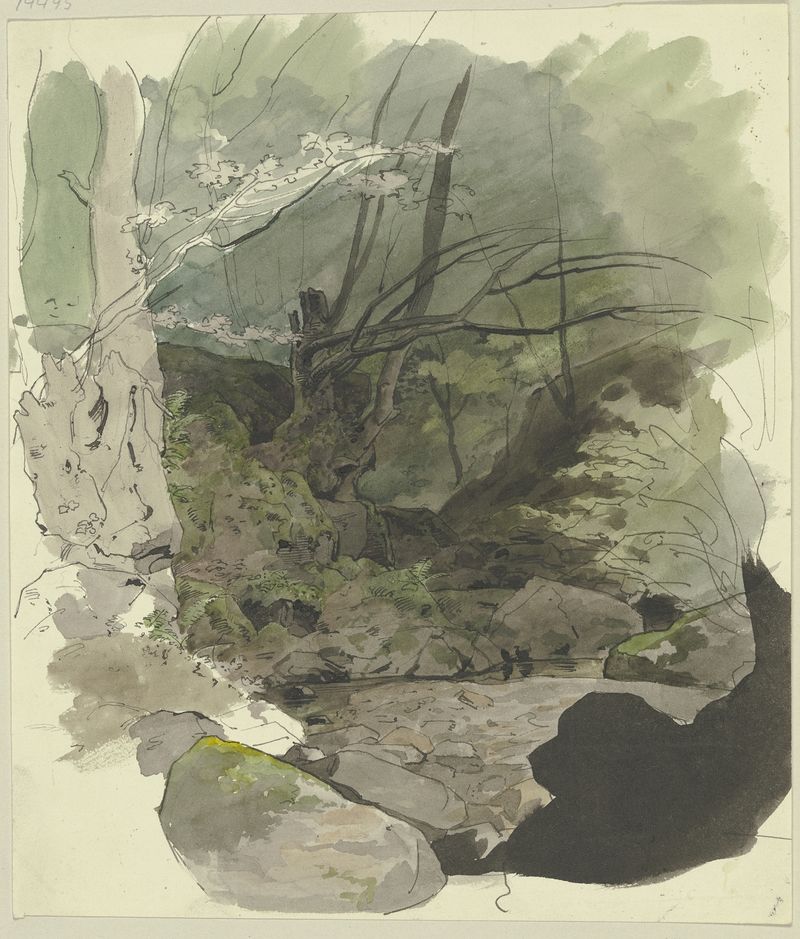
Waldbach
Jakob Becker

Farm at the edge of the forest
Jakob Becker
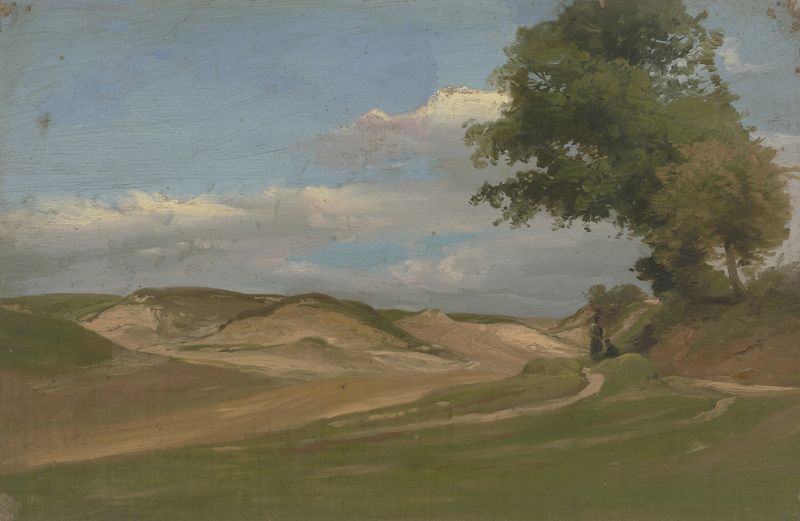
Two farmers by the wayside
Jakob Becker
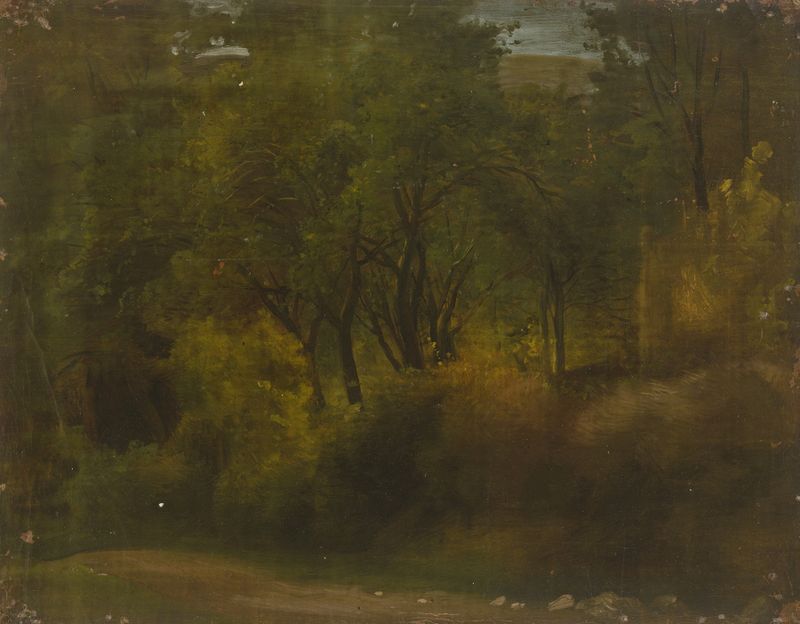
Inside a forest.
Jakob Becker
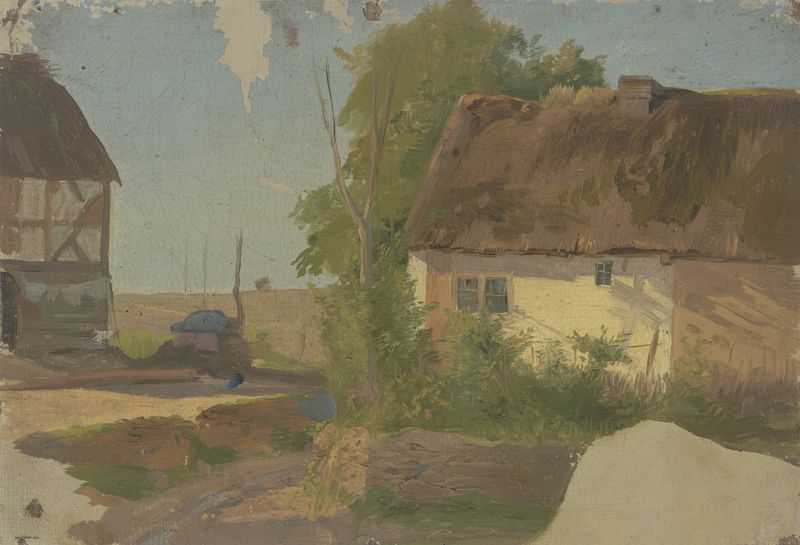
Farm house
Jakob Becker
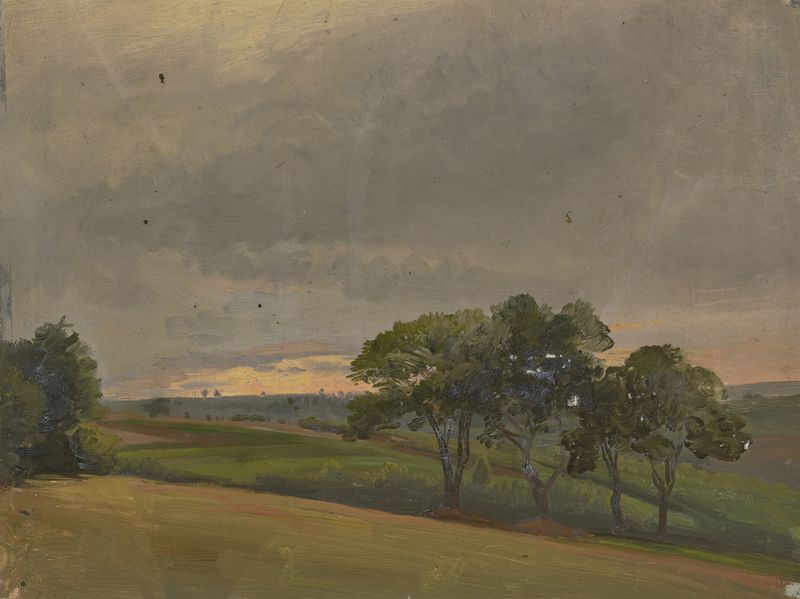
Evening meadow with trees
Jakob Becker
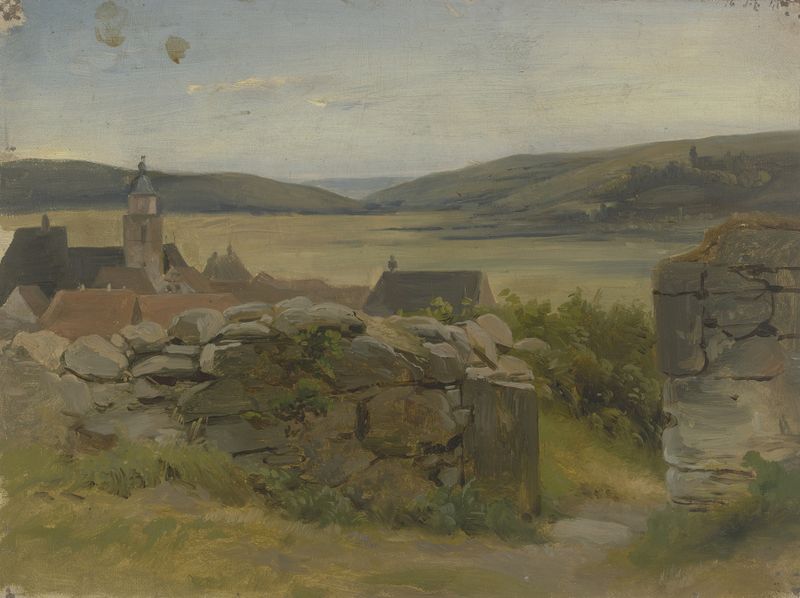
Kleines Dorf mit Blick auf Wiese
Jakob Becker

Tree
Jakob Becker

Höchst castle
Jakob Becker

Gartentreppe zwischen zwei Mauern
Jakob Becker





