Hjelle in Valdres — History & Facts
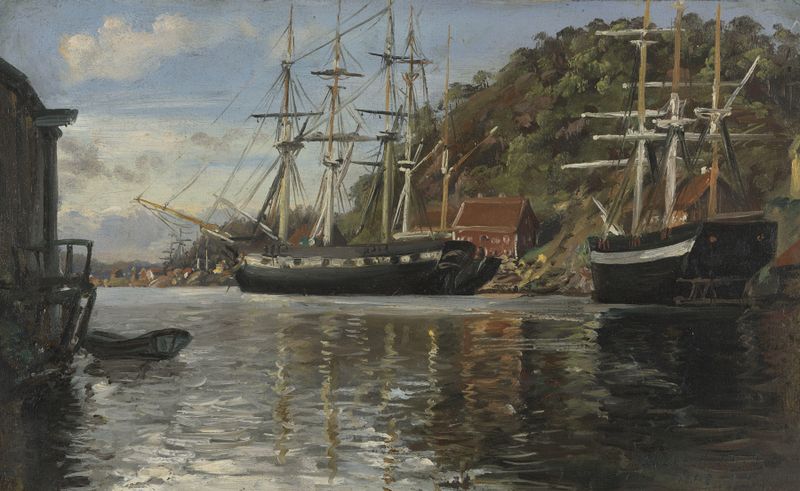
In the embrace of a tranquil landscape, time stands still, beckoning the viewer to explore the hidden narratives that unfold within the painted frame. Look to the foreground, where the winding river snakes through the verdant valley, reflecting the sky’s soft pastels. Notice how the brushstrokes capture the gentle undulations of the hills, inviting your gaze to roam across the canvas. The delicate balance of light and shadow creates a sense of depth, while the warm hues of the setting sun convey both warmth and melancholy, suggesting the fleeting nature of this serene moment. As you delve deeper into the scene, the solitary figure in the distance becomes a poignant symbol of destiny.
Positioned against the majesty of the mountains, he embodies both the isolation and the interconnectedness of human experience within nature. The juxtaposition of the expansive landscape and the smallness of the individual evokes the infinite possibilities of life, while simultaneously hinting at the weight of solitude and introspection that comes with it. In 1850, Siegwald Dahl painted this work while residing in Norway, a period marked by a growing appreciation for the Romantic movement and a search for national identity. Dahl, influenced by the natural beauty surrounding him, sought to capture the essence of his homeland—its landscapes, people, and stories—aligning his art with the broader currents of his time while forging his own path within the realm of landscape painting.