
HochFürstl. GottsHaus & Flecken Maria Einsideln — History & Facts
Can paint confess what words never could? In HochFürstl. GottsHaus & Flecken Maria Einsideln, the interplay of light and shadow becomes a whisper, revealing the unseen depths of emotion woven into the fabric of this landscape. Look to the center, where the towering structure of the GottsHaus rises with a stoic presence. The play of muted earth tones contrasts sharply with the vibrant blue sky, creating a sense of harmony and tranquility.
Notice how the sunlight bathes the façade in a warm glow, while shadows stretch across the ground, hinting at the passage of time and the fleeting nature of existence. The composition draws your eye to the delicate balance between the sacred architecture and the surrounding village, both emblematic of human spirituality and community. Delve deeper, and you might find a sense of longing nestled within the shadows. The contrasting light illuminates the bustling life of the village, yet it also creates pockets of obscurity, suggesting hidden stories and untold experiences.
What happens in the quiet corners when the sun sets? Here, the artist seems to ponder the duality of public devotion and private introspection—shadows serve as a metaphor for unexpressed thoughts and emotions lurking just beneath the surface. Created during a time of increasing artistic exploration in the late 18th century, the artist painted this piece while grappling with the rising tide of Romanticism. Working in Switzerland, Aschmann was influenced by the natural beauty surrounding him, much like his contemporaries, yet he sought to capture a unique narrative. His work reflects not only the architectural marvels of his environment but also the complex inner lives of those who inhabit them, inviting viewers to reflect on their own interactions with faith and community.
More Artworks by Johann Jakob Aschmann
Browse all →
Vûe de la Ville de Zürich, prise à l’auberge de l’épée
Johann Jakob Aschmann

Vuë de la Ville de Rapperswyl, au bord du Lac de Zuric
Johann Jakob Aschmann

Die Mühli zu Weislingen
Johann Jakob Aschmann

Ansicht einer Mühle im Kanton Zürich
Johann Jakob Aschmann

Prospect der Flecken Arth im Canton Schweiz
Johann Jakob Aschmann

Aussicht aus dem Wirts Haus zum Schwerdt in Zürich nach der Natur
Johann Jakob Aschmann
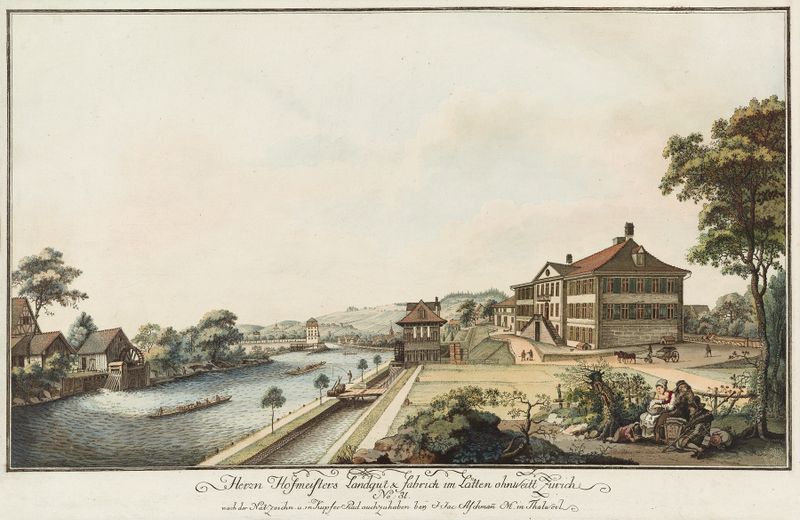
Herrn Hofmeisters Landgut & Fabrick im Lätten ohnweitt Zürich
Johann Jakob Aschmann

Prospect v. Rüschlikon am Zürichsee n.d. Natur
Johann Jakob Aschmann
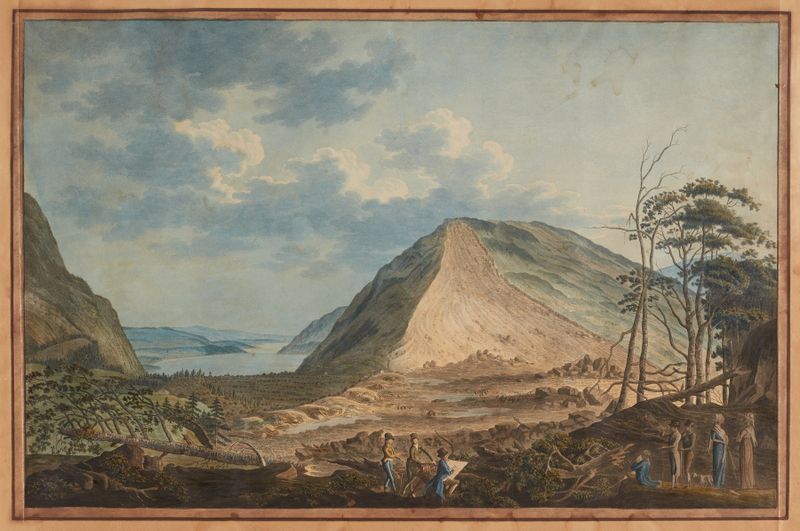
Vorstellung des Schutts über Goldau u. diese Gegenden im Canton Schweiz
Johann Jakob Aschmann
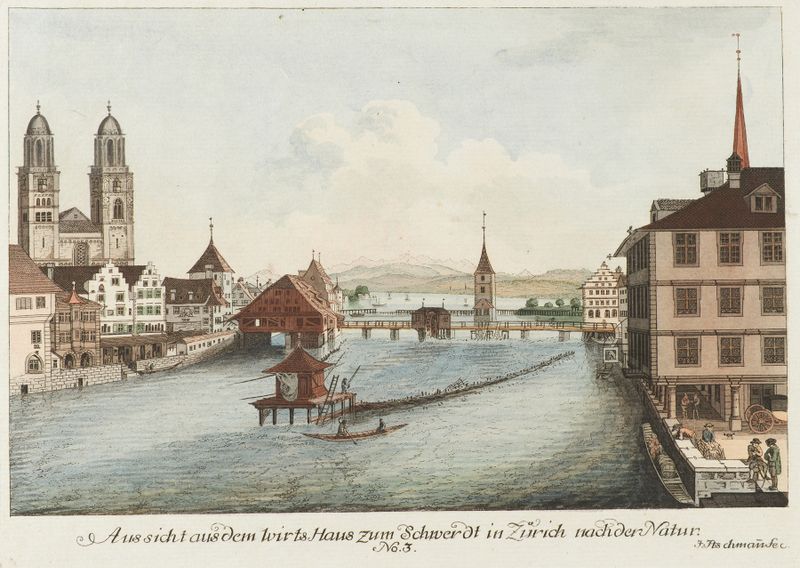
Aussicht aus dem Wirts Haus zum Schwerdt in Zürich nach der Natur
Johann Jakob Aschmann





