
Hoedagraaf met Simson verwoest de Tempel — History & Facts
In the stillness of time, it holds stories that reverberate through generations, echoing both triumph and tragedy. Look to the center of the composition, where the figure of Samson looms large, a paragon of strength caught in a moment of divine rage. His muscular form contrasts sharply with the delicate brushstrokes that define the crumbling temple around him. Notice how the muted earth tones create a somber atmosphere, while splashes of red and gold suggest both destruction and glory.
The diagonal lines lead the eye toward the chaos, inviting you into the very heart of this tumultuous scene. The emotional weight of this painting reveals a poignant duality: a heroic act and its catastrophic consequences. The shocked expressions of the onlookers convey a sense of disbelief, perhaps questioning the legacy of such power. The temple's crumbling pillars symbolize the fragility of human endeavors, reminding us that even monumental achievements may fall in the face of fate.
Each stroke captures the tension between salvation and ruin, making it a timeless reflection on the cost of legacy. Created between 1535 and 1550, this artwork emerged during a period of intense religious upheaval and artistic exploration in Europe. The artist, though unknown, was part of a larger movement that embraced dramatic narratives and emotional depth, often drawing on biblical stories. This era was marked by the Reformation, which influenced how stories of faith and power were depicted, allowing artists to grapple with themes that transcended their own time.
More Artworks by Unknown Artist
Browse all →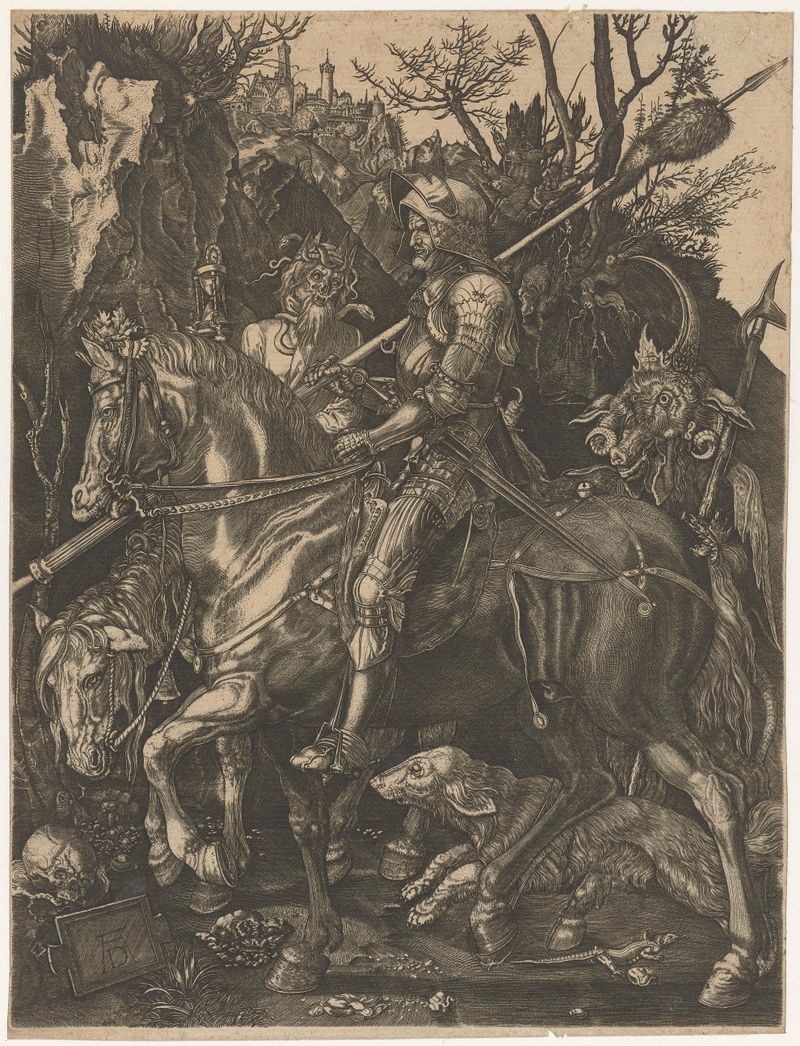
Ridder, Dood en Duivel
Unknown Artist
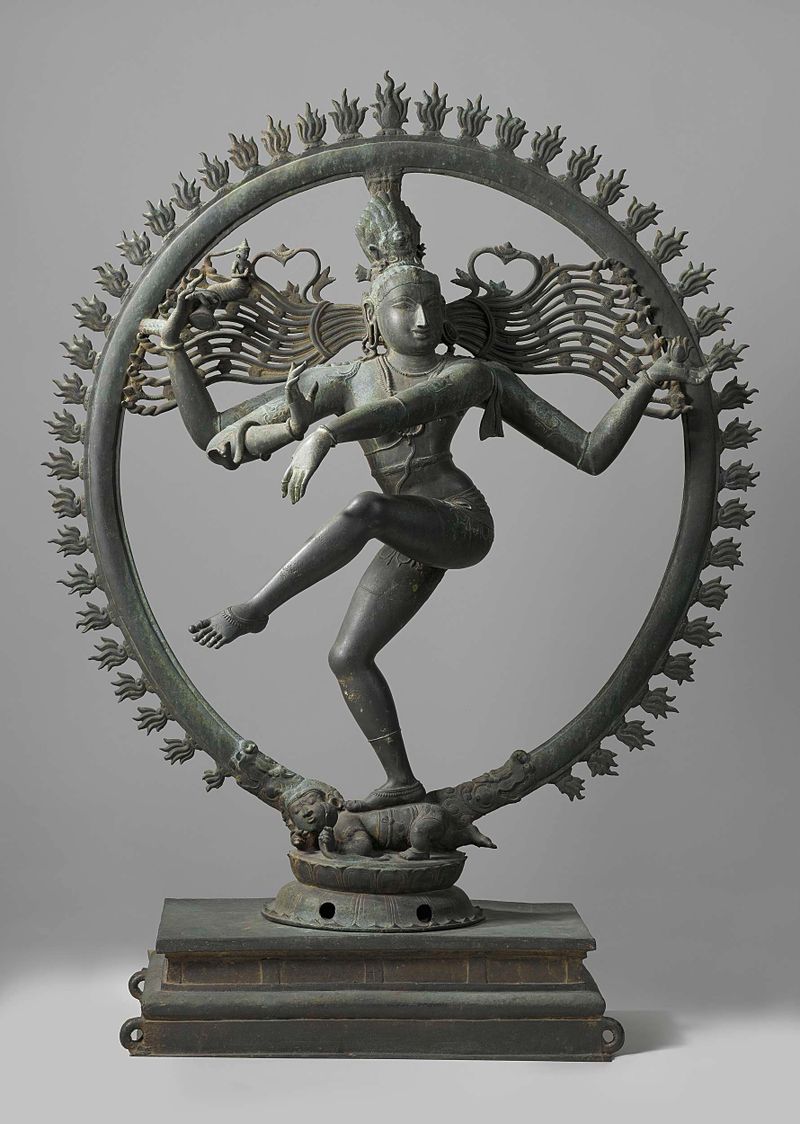
Shiva Nataraja
Unknown Artist
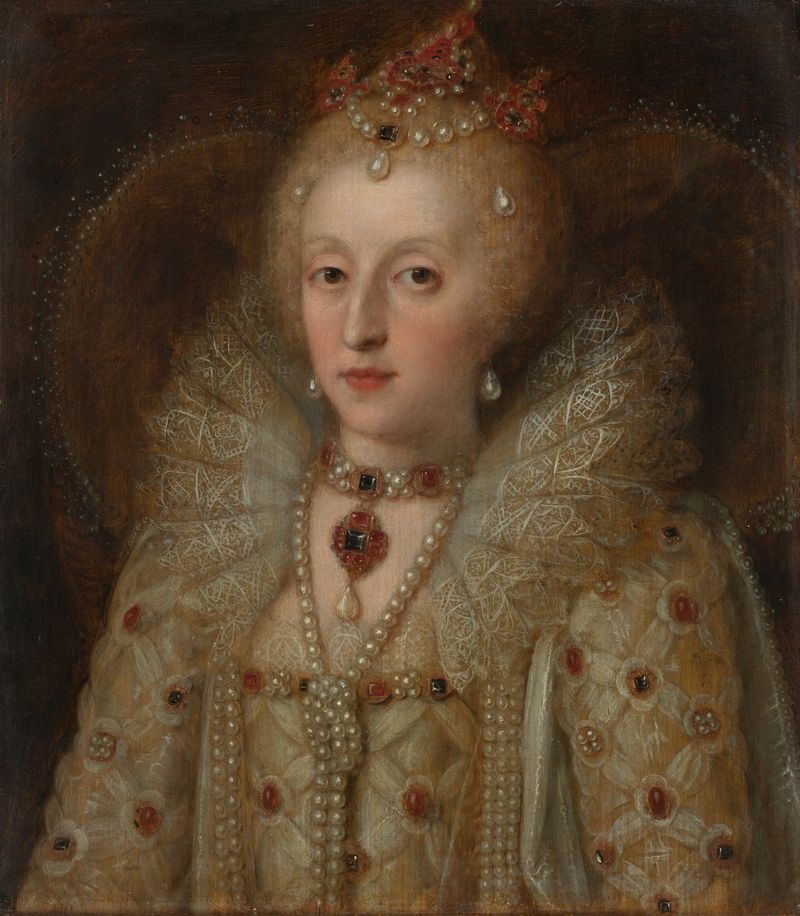
Portrait of Elizabeth I, Queen of England
Unknown Artist
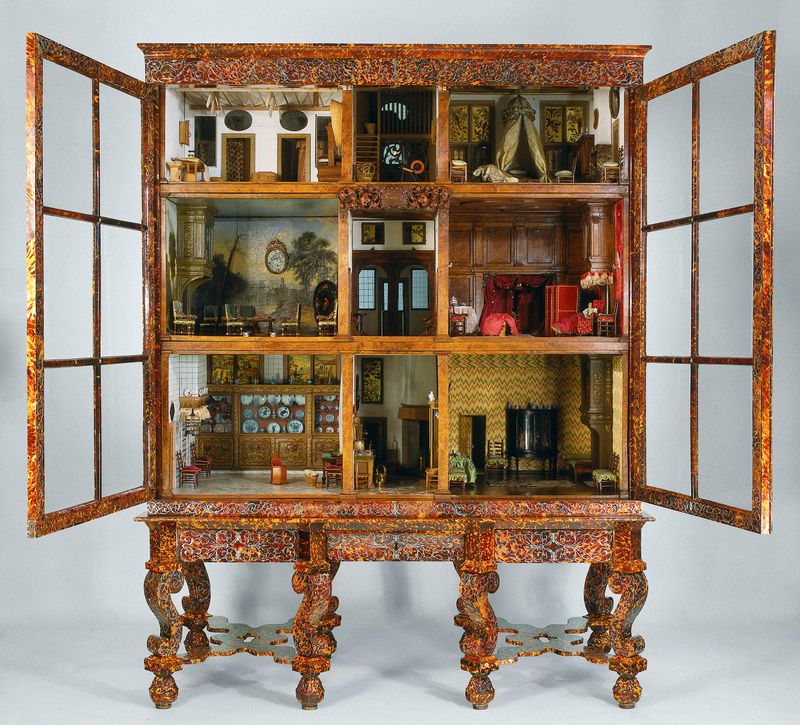
Dolls’ house of Petronella Oortman
Unknown Artist
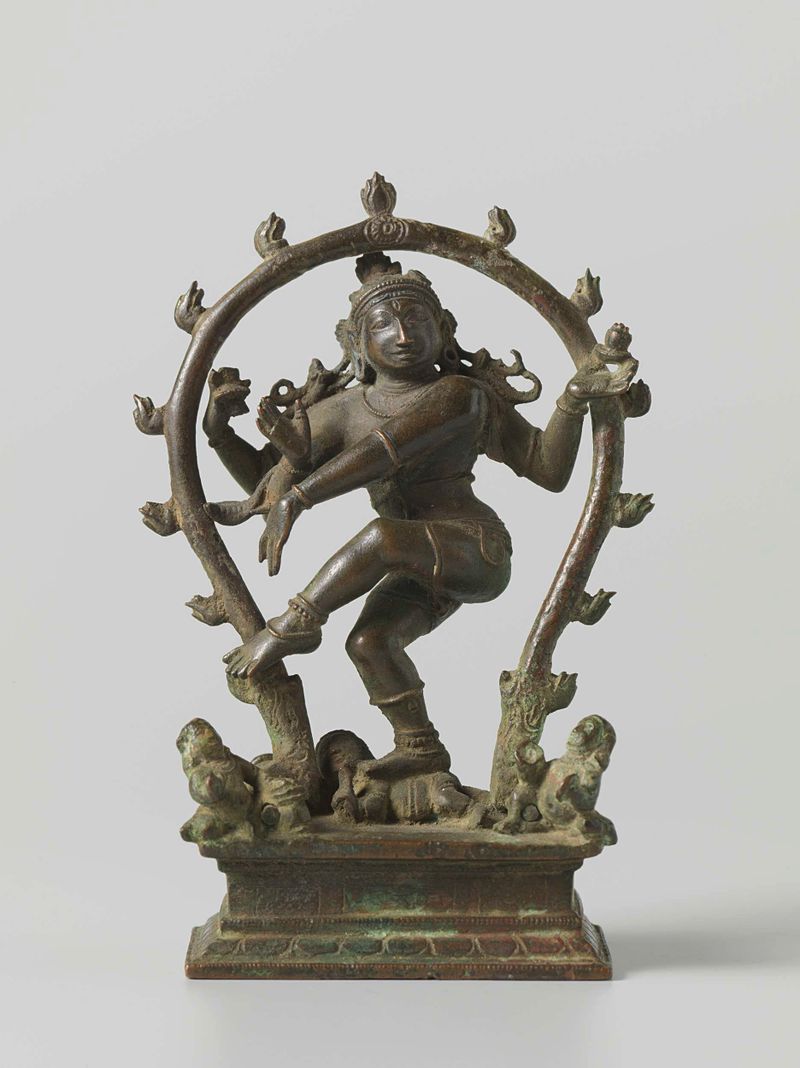
Shiva Nataraja
Unknown Artist

The Tale of Genji
Unknown Artist

The Tale of Genji
Unknown Artist
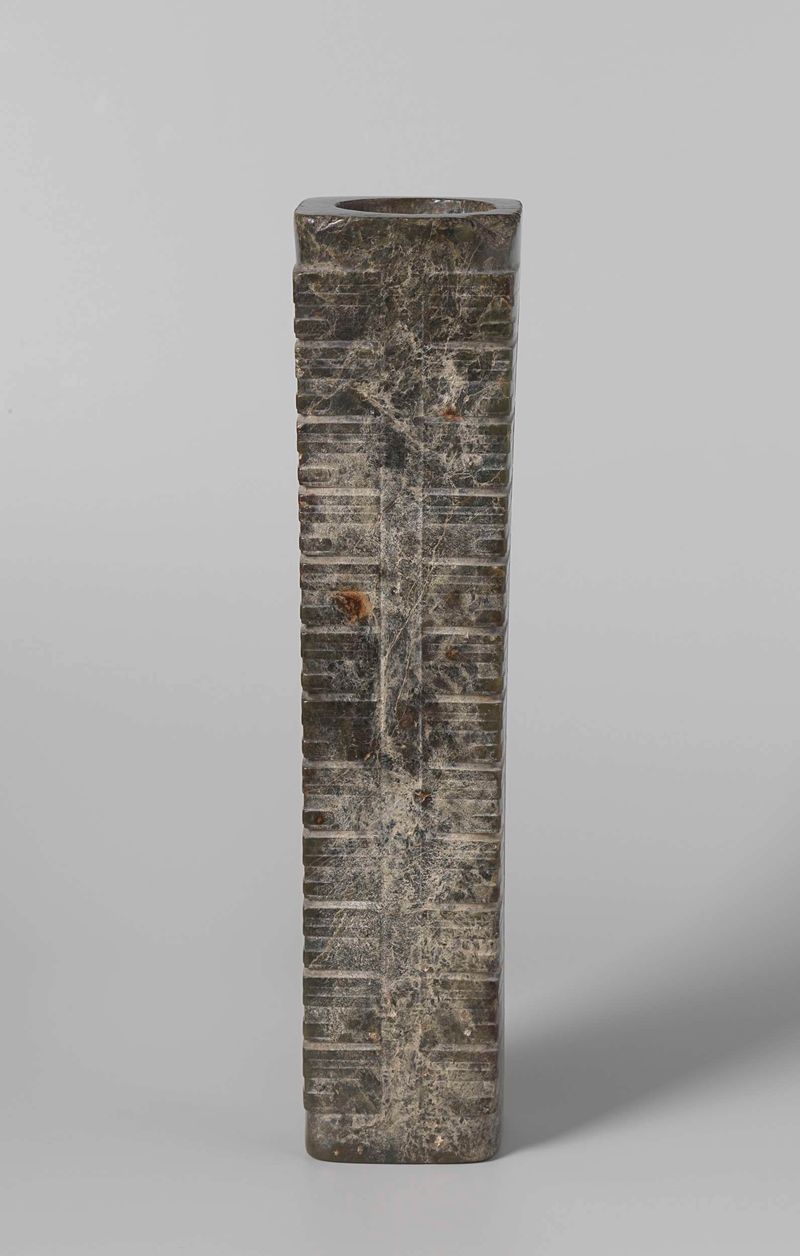
Cong
Unknown Artist
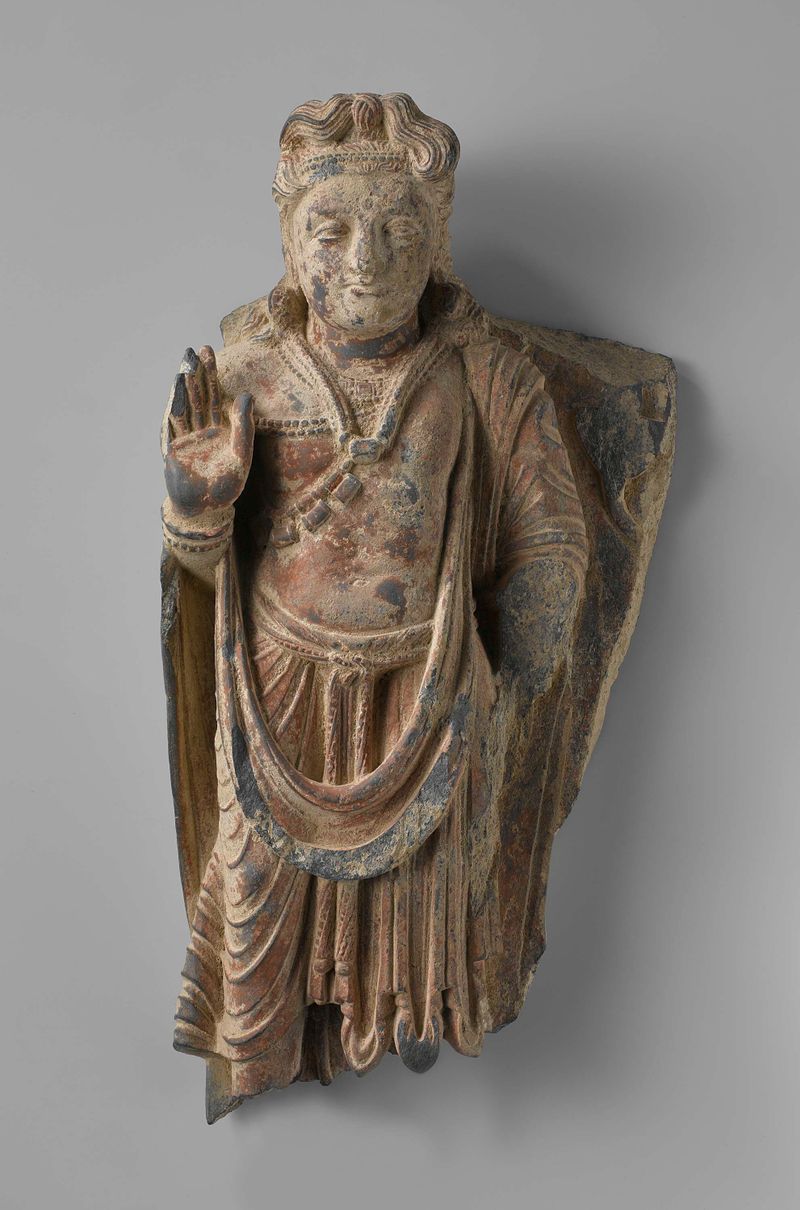
The bodhisattva Maitreya
Unknown Artist

Teabowl with a 'hare's fur' glaze
Unknown Artist
More Religious Art
Browse all →
The Return of the Prodigal Son
Rembrandt van Rijn

The Garden of Earthly Delights
El Bosco

Count Orgaz’ funeral
El Greco

The Hundred Guilder Print: the central piece with Christ preaching, the plate arched
Rembrandt van Rijn

The Descent from the Cross
Rogier van der Weyden

The return of the prodigal son
Rembrandt van Rijn