
Holy water stoup in the shape an angel's head — History & Facts
What secret hides in the quiet of the canvas? In the delicate contours and serene form of a holy water stoup shaped like an angel's head, silence reverberates through the still air, inviting contemplation and reverence. Look closely at the angel’s serene visage, where gentle curves softly transition from the forehead to the chin, a study in grace. Notice how the craftsmanship captures the subtle interplay of light and shadow; the gilded edges reflect a warmth reminiscent of candlelight, while the muted colors convey a sense of humble elegance. The piece's composition, framed in a circular form, draws the eye inward, inviting viewers to gaze deeply into the spiritual essence that this angelic figure embodies. Beyond its aesthetic beauty, this work speaks to the deep connections between the divine and the mundane.
The angel's serene expression suggests a watchful presence, embodying the hope and protection attributed to such figures in religious belief. The stoup itself, a vessel for holy water, serves as a bridge between the sacred and the secular, prompting the faithful to engage in ritual with a sense of the divine. Each detail whispers of the care and devotion poured into its creation, reflecting not only artistic skill but also the profound spirituality of its time. Created between 1750 and 1799, this piece emerges from an era rich in baroque and rococo influences, characterized by ornate details and emotional expressions.
While the artist remains unknown, the craftsmanship indicates a skilled hand likely influenced by the devotional practices of the period. This was a time when religious artifacts were not just functional but also deeply embedded with meaning, reflecting the cultural and spiritual currents that shaped the lives of those who engaged with them.
More Artworks by Unknown Artist
Browse all →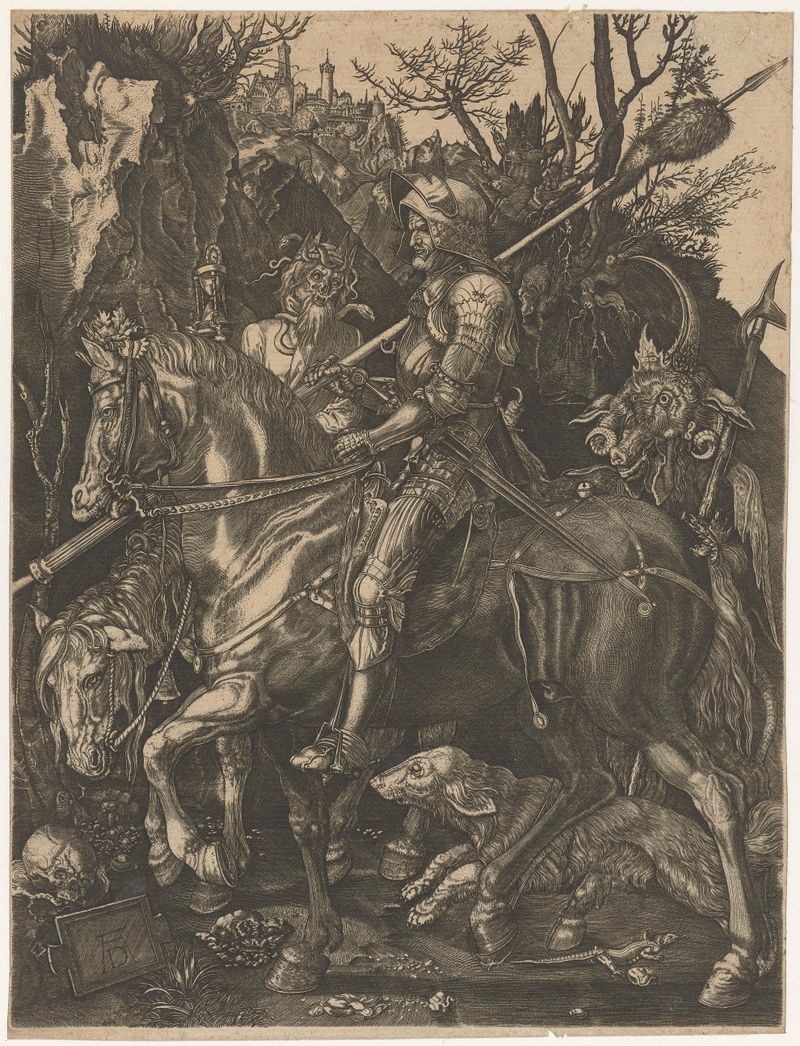
Ridder, Dood en Duivel
Unknown Artist
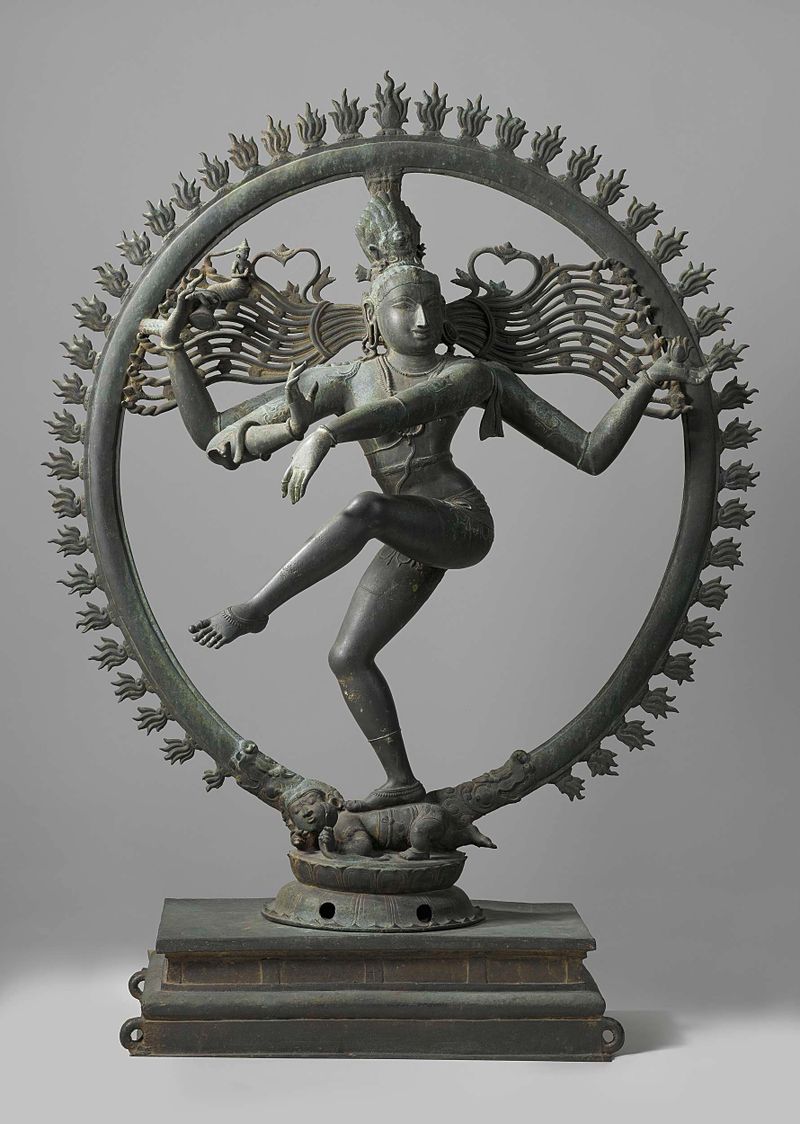
Shiva Nataraja
Unknown Artist
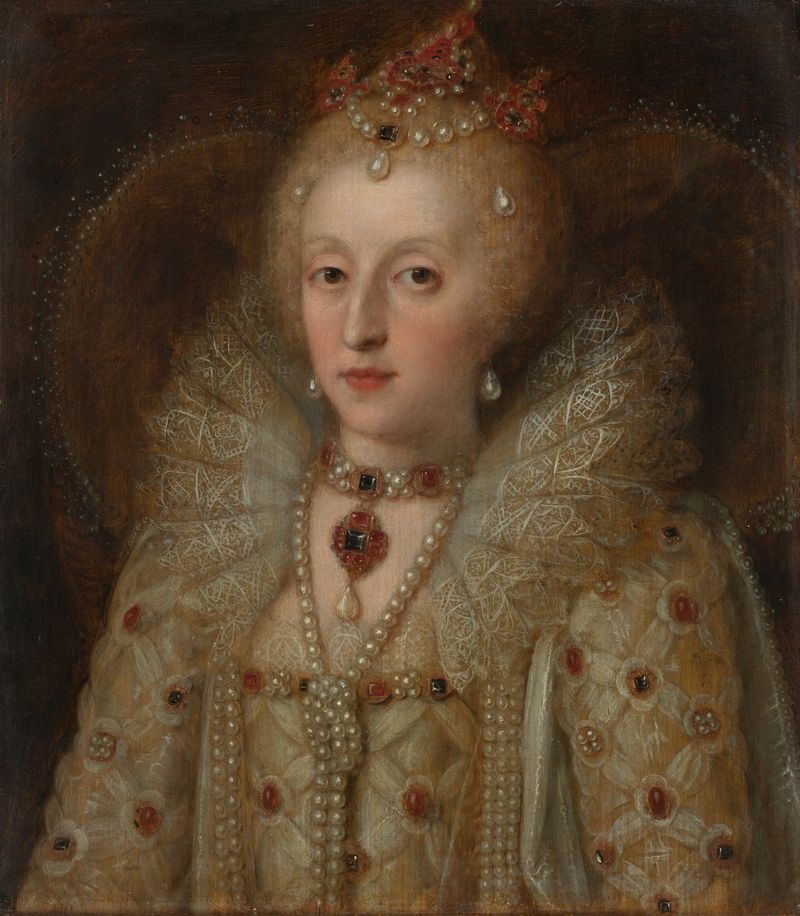
Portrait of Elizabeth I, Queen of England
Unknown Artist
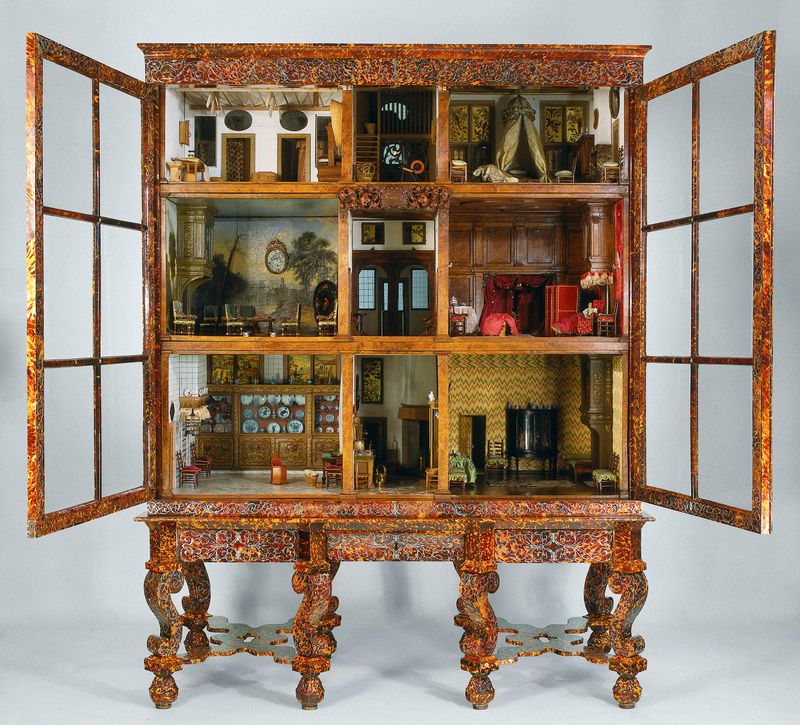
Dolls’ house of Petronella Oortman
Unknown Artist
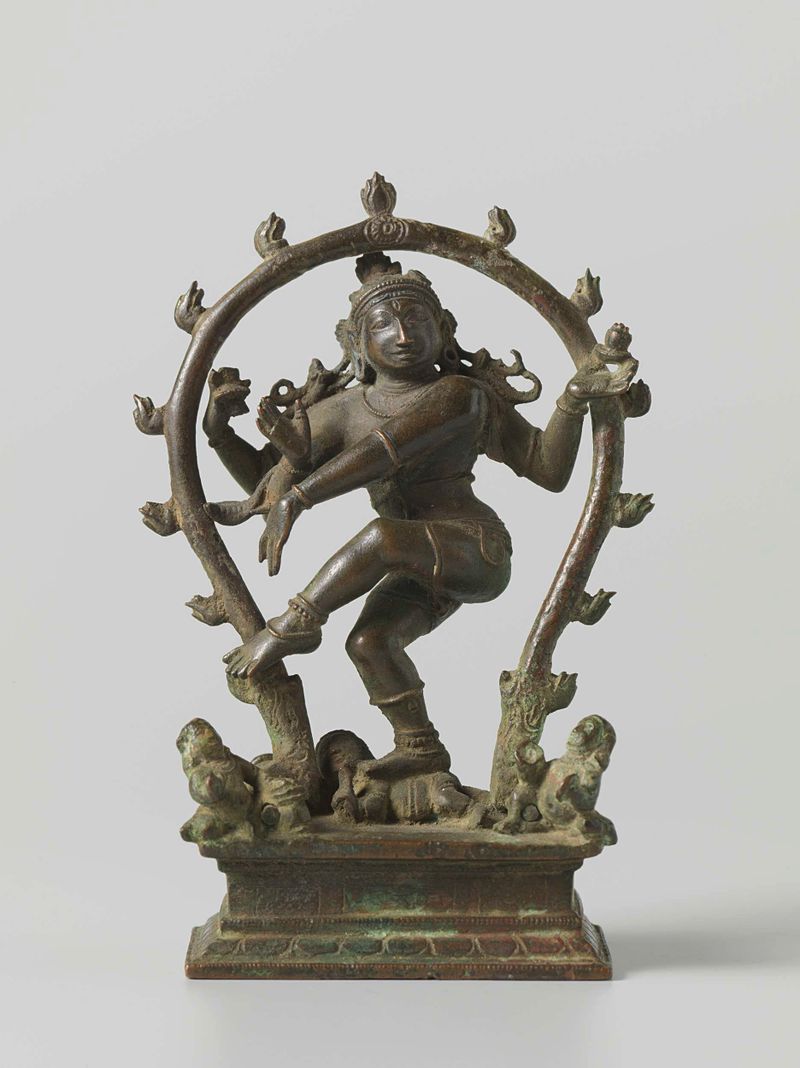
Shiva Nataraja
Unknown Artist

The Tale of Genji
Unknown Artist

The Tale of Genji
Unknown Artist
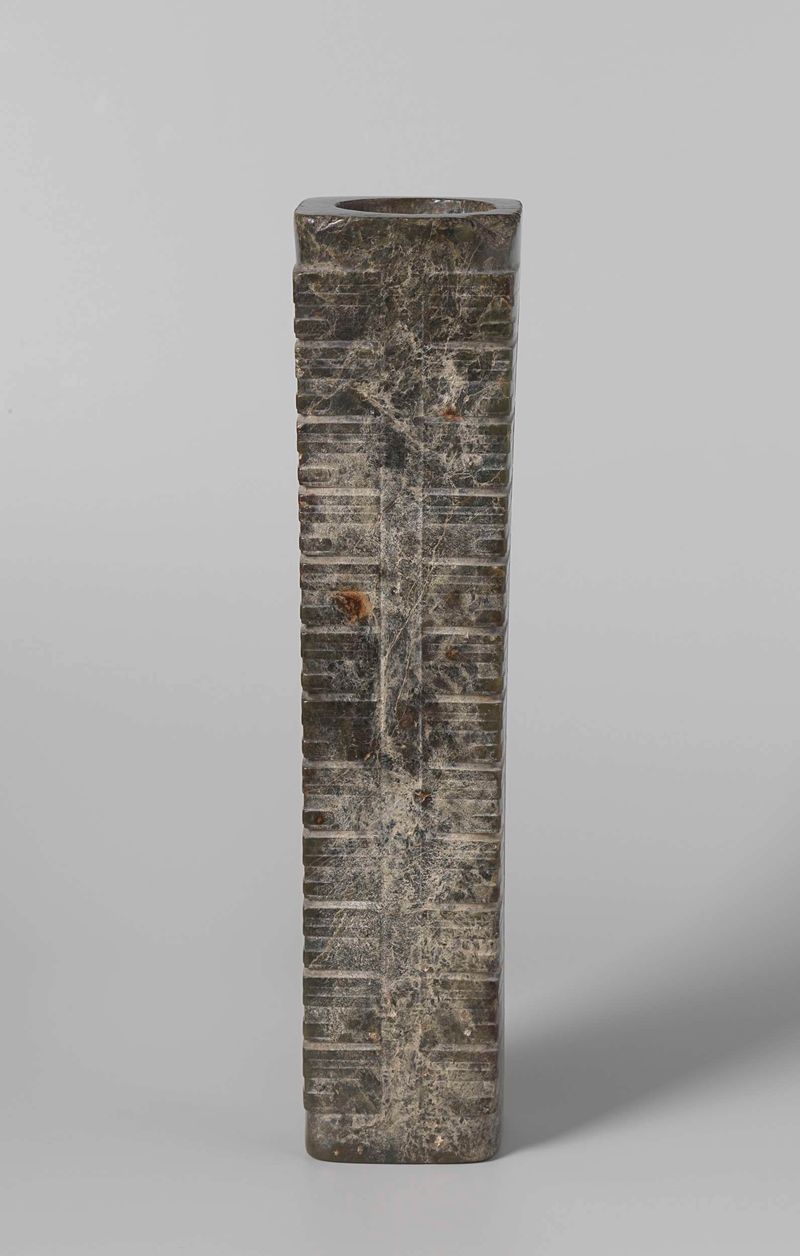
Cong
Unknown Artist
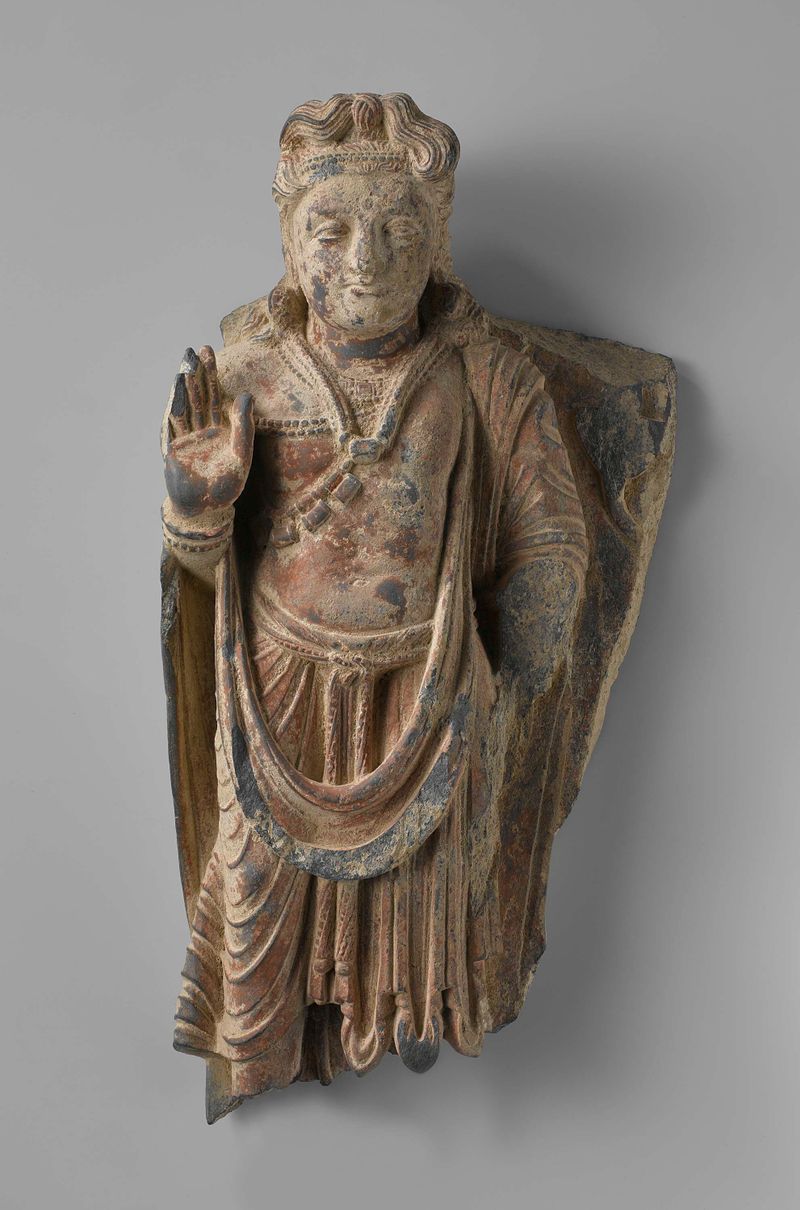
The bodhisattva Maitreya
Unknown Artist
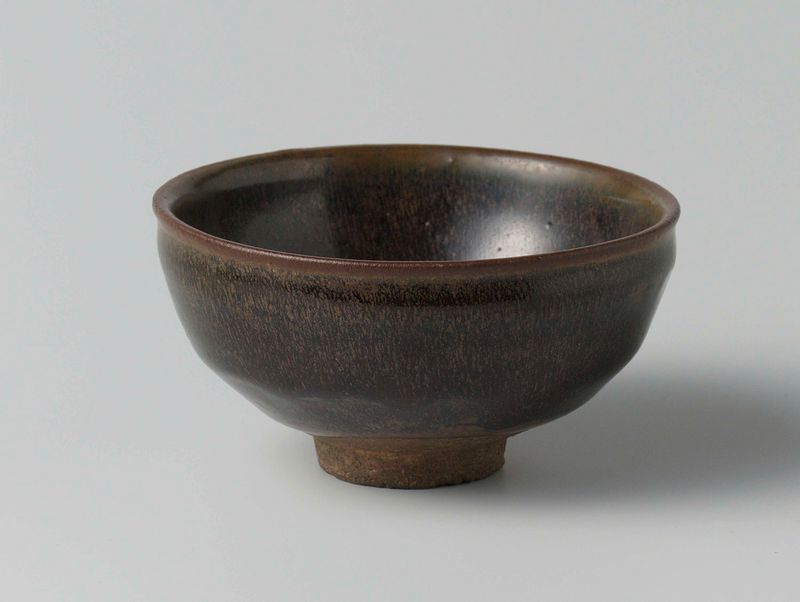
Teabowl with a 'hare's fur' glaze
Unknown Artist
More Religious Art
Browse all →
The Return of the Prodigal Son
Rembrandt van Rijn

The Garden of Earthly Delights
El Bosco

Count Orgaz’ funeral
El Greco

The Hundred Guilder Print: the central piece with Christ preaching, the plate arched
Rembrandt van Rijn

The Descent from the Cross
Rogier van der Weyden

The return of the prodigal son
Rembrandt van Rijn