
Holy water stoup with a relief of the Crucifixion — History & Facts
The air is thick with reverence as the flickering candlelight dances across the ornate holy water stoup. Shadows stretch and retreat, casting the relief of the Crucifixion into sharp relief against the cool stone. A simple but profound gathering of the faithful stands to the side, their eyes fixed upon the sacred image, where hope and despair intertwine in a moment suspended in time. Focus first on the intricate details carved into the stoup’s surface: the finely rendered figures of Christ and the two crucified beside Him.
Notice how the light catches the folds of their garments, enhancing the emotional weight of the scene. The artist’s use of shadow and light evokes a palpable sense of suffering, drawing the viewer's gaze into the depths of each expression, where agony and redemption coexist. The smooth contours of the stoup cradle the scene, inviting touch and reflection. The juxtaposition of the sacred and the ordinary unfolds in the interplay of the relief's somber tones and the glimmer of the water it holds.
This humble object, often overlooked, becomes a vessel of spiritual connection and communal memory. Each drop of holy water carries the weight of countless prayers, transforming the act of blessing into a revolutionary affirmation of faith in turbulent times. The relief serves not just as a depiction of suffering but as a reminder of resilience amidst the chaos of human experience. Created between 1750 and 1799, this work reflects a period of great transformation in the religious and social landscape.
The artist, whose identity remains unknown, was part of an age marked by the stirrings of revolution and enlightenment. In a world grappling with change, the integration of sacred themes into everyday life was a subtle yet powerful response to the desire for continuity and hope.
More Artworks by Unknown Artist
Browse all →
Ridder, Dood en Duivel
Unknown Artist
Shiva Nataraja
Unknown Artist
Portrait of Elizabeth I, Queen of England
Unknown Artist
Dolls’ house of Petronella Oortman
Unknown Artist
Shiva Nataraja
Unknown Artist

The Tale of Genji
Unknown Artist

The Tale of Genji
Unknown Artist

Cong
Unknown Artist
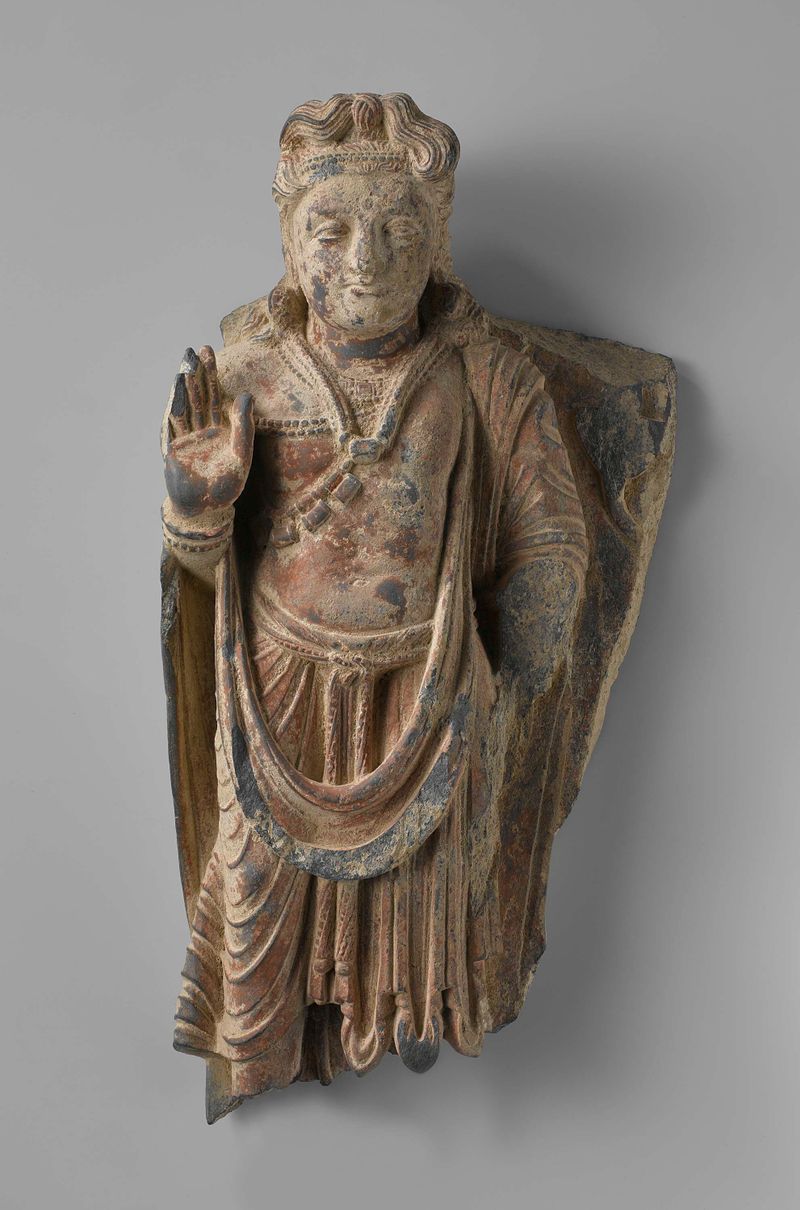
The bodhisattva Maitreya
Unknown Artist

Teabowl with a 'hare's fur' glaze
Unknown Artist
More Religious Art
Browse all →
The Return of the Prodigal Son
Rembrandt van Rijn

The Garden of Earthly Delights
El Bosco

Count Orgaz’ funeral
El Greco

The Hundred Guilder Print: the central piece with Christ preaching, the plate arched
Rembrandt van Rijn

The Descent from the Cross
Rogier van der Weyden

The return of the prodigal son
Rembrandt van Rijn