
Holy water stoup with an angel's head and Madonna and Child — History & Facts
Who listens when art speaks of silence? Within the delicate curves of a holy water stoup, a whisper of the divine resides, inviting contemplation of what is present and what remains unseen. Look closely at the exquisite angel’s head that crowns the stoup; notice how its serene expression draws the eye upward, inviting reverence. The Madonna and Child are carved with tender precision, their forms gently flowing into the basin below, where light reflects off the cool stone. The muted palette of soft whites and pale golds conjures an aura of tranquility, while intricate details catch the eye—a hint of melancholy in the angel’s downturned gaze, a subtle smile from the Madonna that suggests both love and longing. Within this humble vessel lies a rich tapestry of emotion.
The interplay between the angel's poised stillness and the dynamic bond between mother and child mirrors the duality of faith and human connection. The stoup itself, a sacred object, evokes a sense of spiritual emptiness, a void filled only by the water it holds—symbolizing both purification and the transient nature of life itself. It invites viewers to ponder their own sacred moments, suspended in time. This work, created between 1750 and 1799 by an unknown artist, reflects a period where religious iconography flourished amidst the changing tides of art and society.
During this time, the baroque influence persisted, yet artists were beginning to explore more intimate and personal interpretations of sacred themes. The creation likely emerged in a setting where craftsmanship was highly valued, signifying both the cultural devotion to faith and the artistic quest for deeper human connection.
More Artworks by Unknown Artist
Browse all →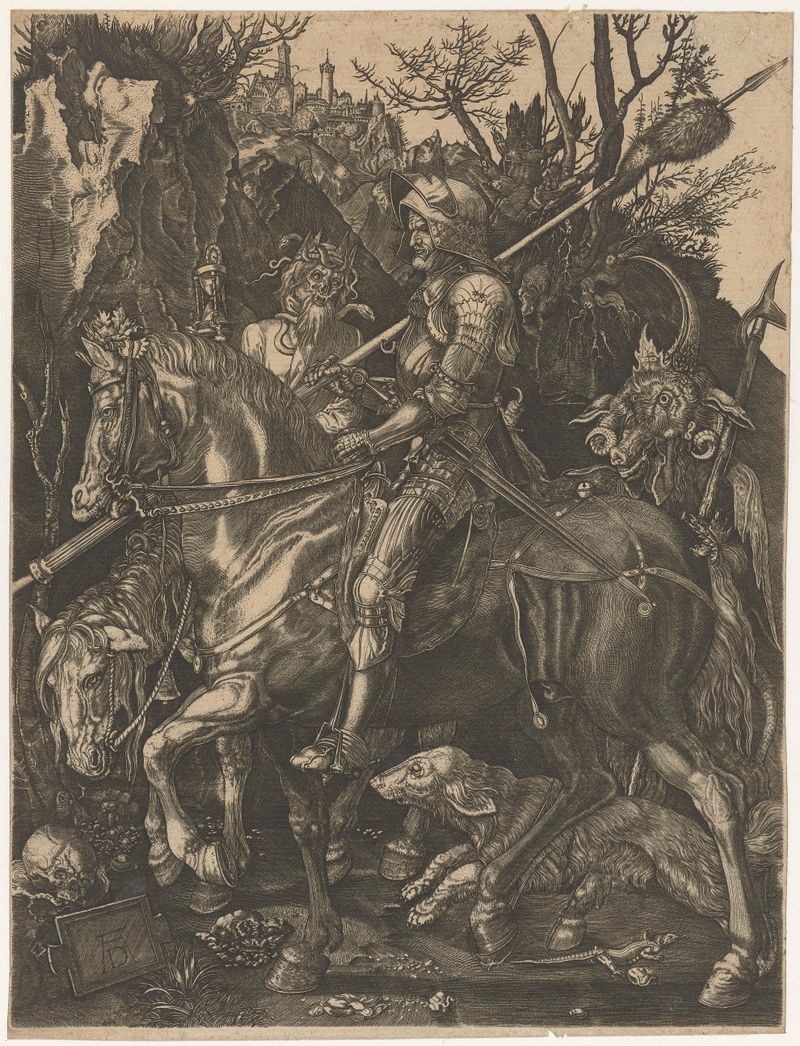
Ridder, Dood en Duivel
Unknown Artist
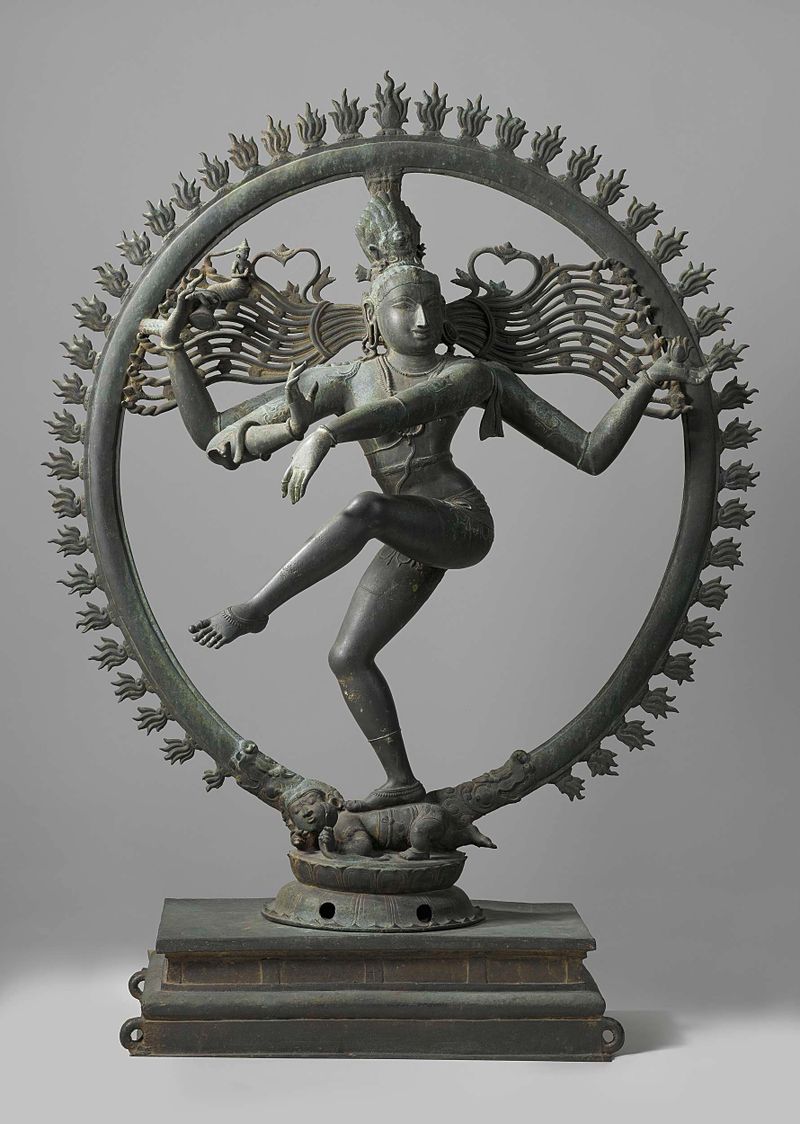
Shiva Nataraja
Unknown Artist
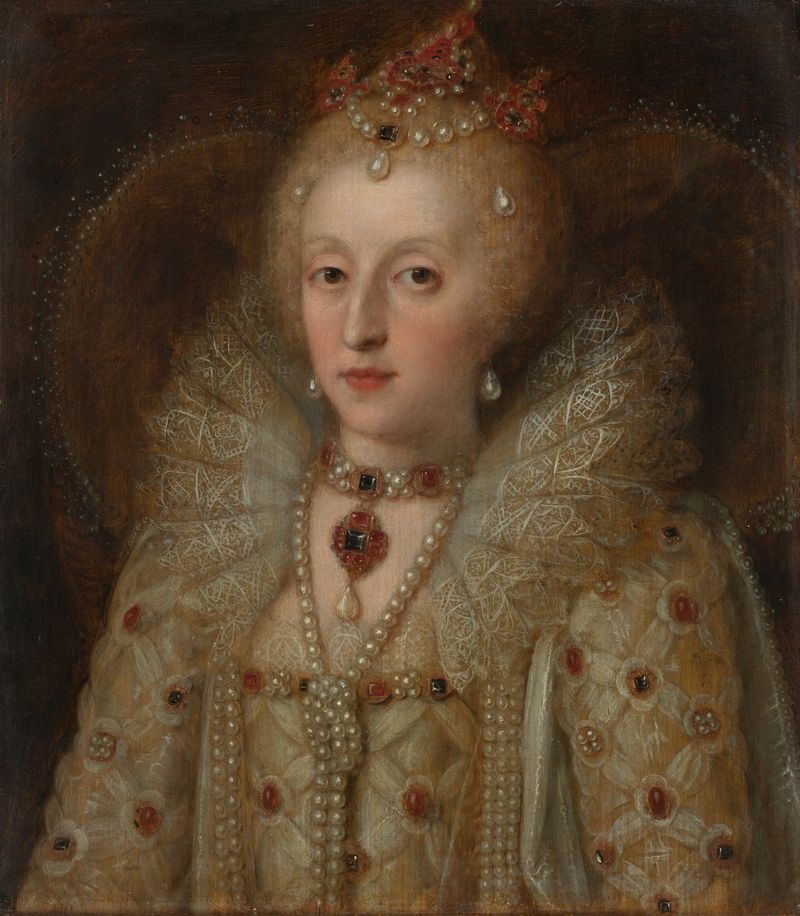
Portrait of Elizabeth I, Queen of England
Unknown Artist
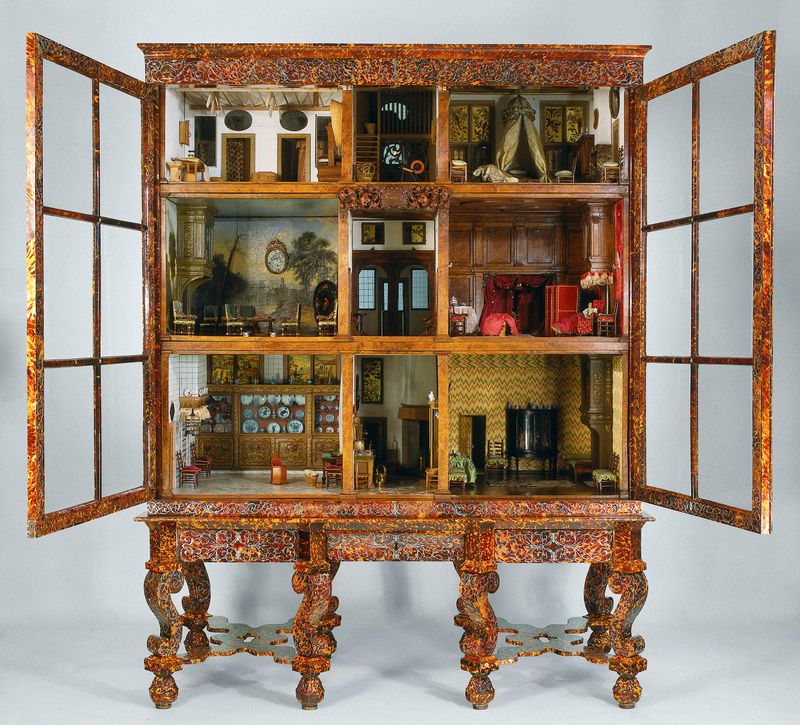
Dolls’ house of Petronella Oortman
Unknown Artist
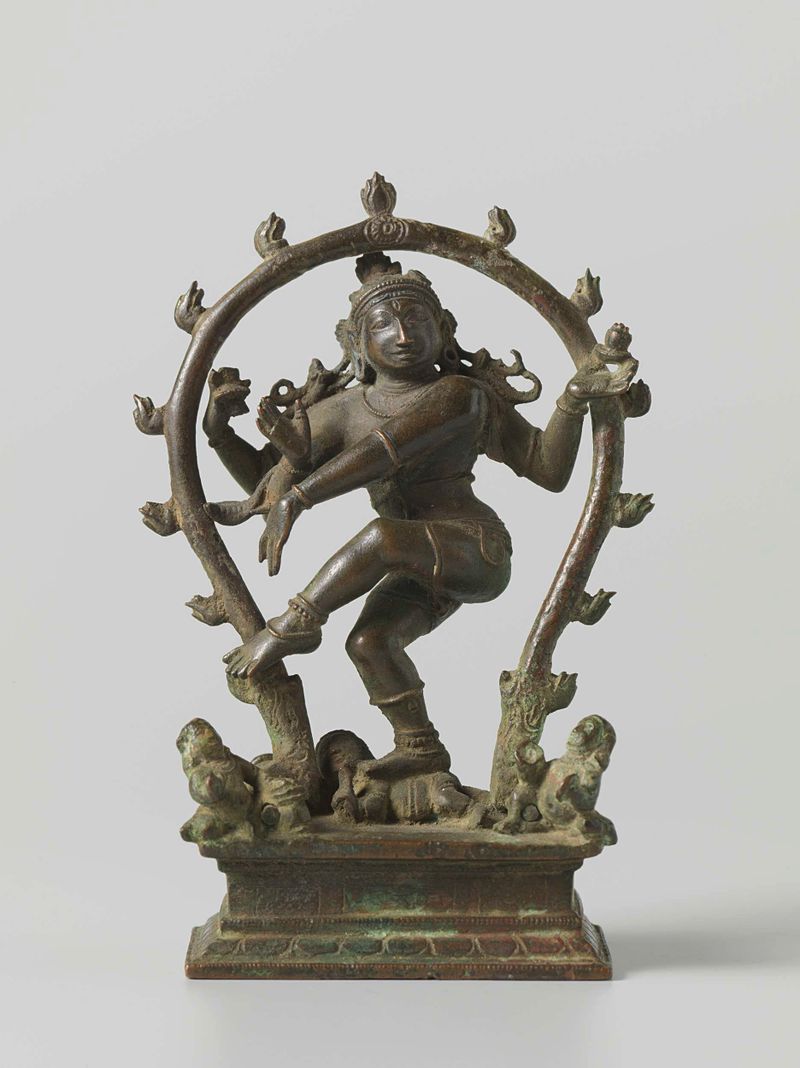
Shiva Nataraja
Unknown Artist

The Tale of Genji
Unknown Artist

The Tale of Genji
Unknown Artist

Cong
Unknown Artist
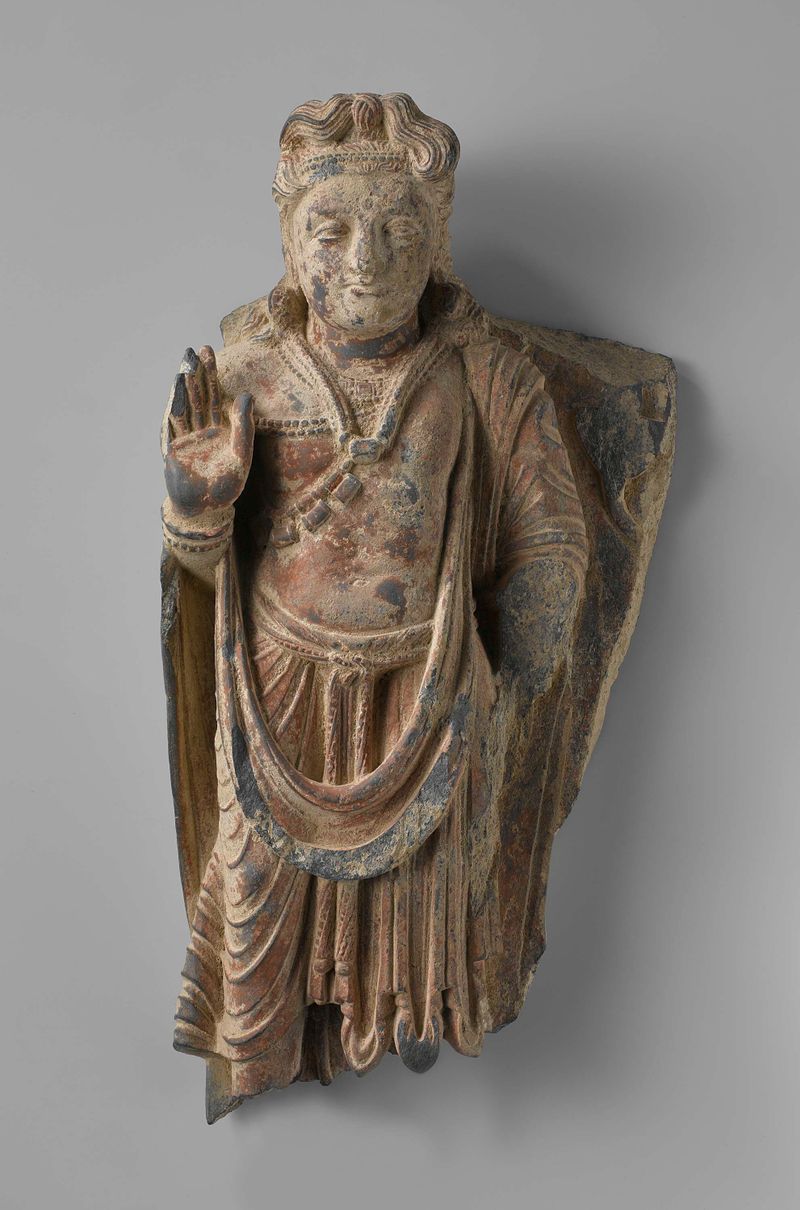
The bodhisattva Maitreya
Unknown Artist

Teabowl with a 'hare's fur' glaze
Unknown Artist
More Religious Art
Browse all →
The Return of the Prodigal Son
Rembrandt van Rijn

The Garden of Earthly Delights
El Bosco

Count Orgaz’ funeral
El Greco

The Hundred Guilder Print: the central piece with Christ preaching, the plate arched
Rembrandt van Rijn

The Descent from the Cross
Rogier van der Weyden

The return of the prodigal son
Rembrandt van Rijn