
Holymen outside the Mosque at Bursa — History & Facts
Did the painter know this moment would outlive them? As time marches on, the resonance of an instant captured in paint can echo through generations, revealing the subtleties of betrayal—both seen and unseen. Look closely at the foreground, where the three holy men are gathered in quiet contemplation, their garments rich in deep blues and earthy ochres. Notice how the light falls upon their robes, illuminating textures that seem almost tactile, while shadows envelop the corners of the scene, hinting at untold stories. The mosque looms majestically behind them, its intricate architectural details contrasting sharply with the simplicity of the holy men’s presence, drawing the viewer into a world of faith and introspection. As you explore further, observe the juxtaposition of unity and solitude among the figures.
Each man stands as an individual, yet their proximity implies a shared burden—perhaps a betrayal of faith or community. Their gazes, each turned in different directions, suggest a divergence of thoughts. There is a tension in their postures, a silent struggle against the weight of expectation and tradition, reverberating whispers of doubt entwined with devotion. In 1881, the artist found himself in a period of profound personal and artistic reflection, creating Holymen outside the Mosque at Bursa during a time of political and cultural upheaval in the Ottoman Empire.
Living in Paris and influenced by Eastern themes, he sought to bridge worlds through his art, capturing spirituality amidst a backdrop of inevitable change. This piece stands as a testament to both his talent and the fleeting nature of the human experience.
More Artworks by Stanisław Chlebowski
Browse all →
Scene from the life of Turkish women
Stanisław Chlebowski
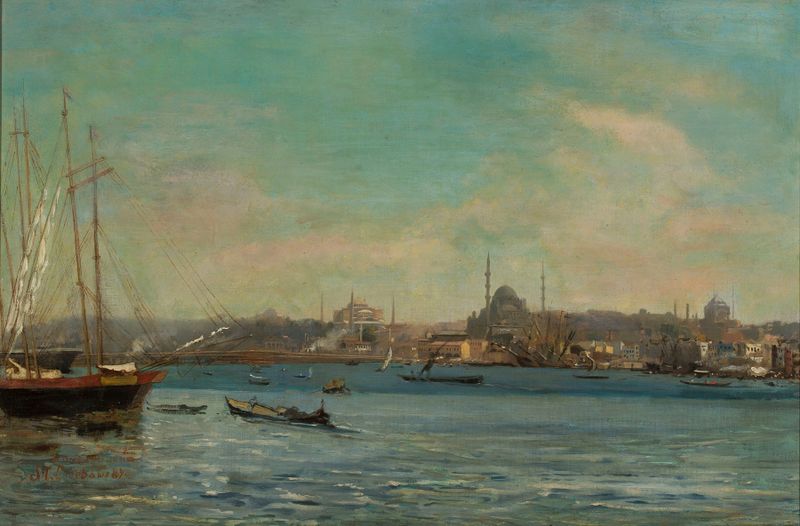
Panorama of Istanbul
Stanisław Chlebowski

View of the city at waterside
Stanisław Chlebowski
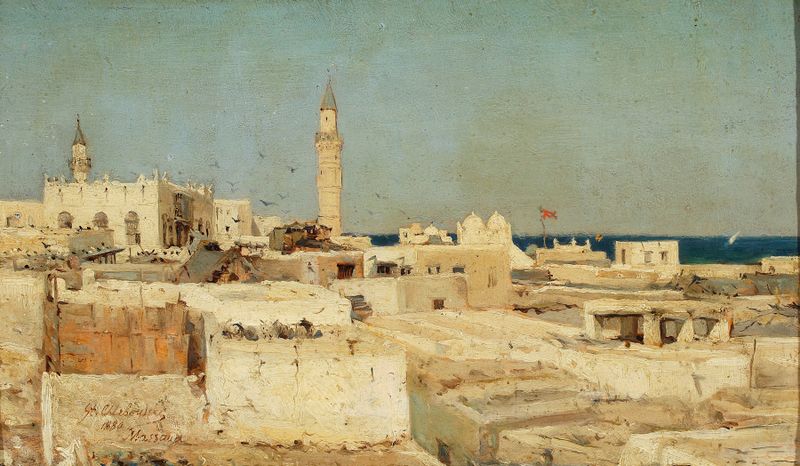
View of Massawa
Stanisław Chlebowski
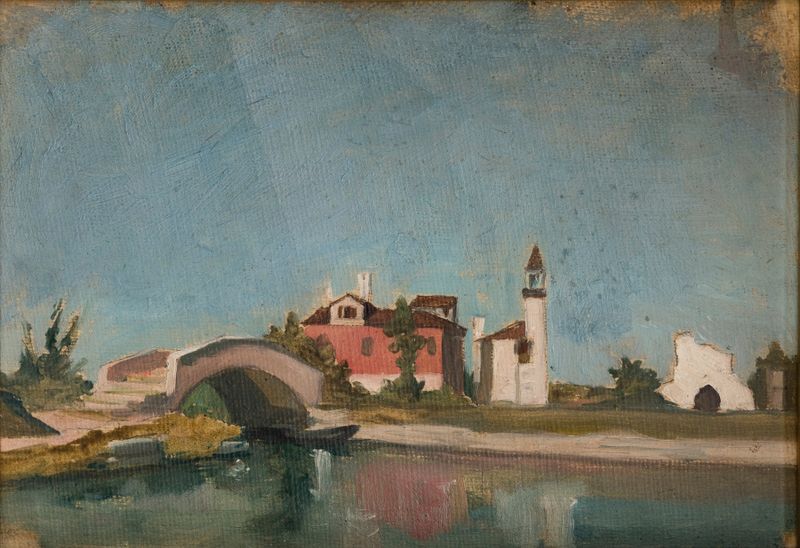
Oriental Landscape
Stanisław Chlebowski
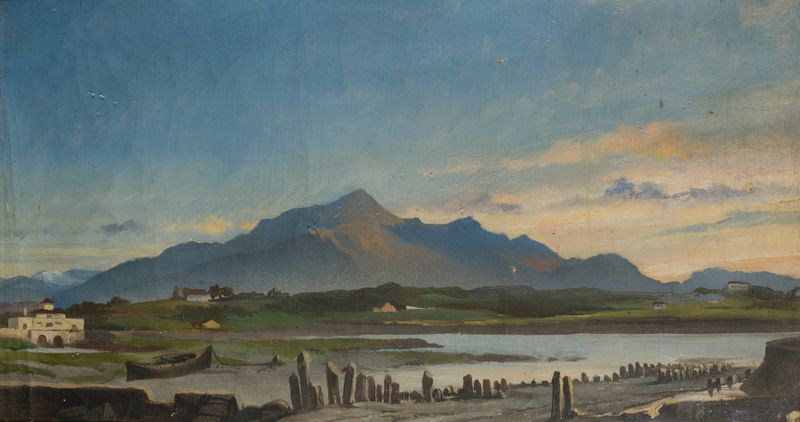
Oriental Landscape
Stanisław Chlebowski
Alleyway
Stanisław Chlebowski
View of the seaport near Bursa
Stanisław Chlebowski
More Religious Art
Browse all →
The Return of the Prodigal Son
Rembrandt van Rijn

The Garden of Earthly Delights
El Bosco

Count Orgaz’ funeral
El Greco

The Hundred Guilder Print: the central piece with Christ preaching, the plate arched
Rembrandt van Rijn

The Descent from the Cross
Rogier van der Weyden

The return of the prodigal son
Rembrandt van Rijn