
Oriental Landscape — History & Facts
What secret hides in the quiet of the canvas? The stillness of Oriental Landscape invites us to lean in closer, to uncover the revelations nestled within its tranquil expanse. Look to the horizon, where the soft blues and greens blend seamlessly under a gentle sky. The composition draws your eye toward a distant minaret, delicately outlined against the warmth of an amber sun. Notice how the brushstrokes evoke a sense of serenity, the delicate layering of color creating a dreamlike atmosphere that feels almost palpable.
The interplay of light and shadow gives depth to the landscape, whispering stories of life and culture that stretch beyond the visible. As your gaze wanders, small details emerge—the flutter of a silken fabric, the silhouette of a wandering figure, or the lazy curl of smoke rising from a humble dwelling. Each element holds significance in how it portrays harmony and contrast; the quietude of nature juxtaposed with the hints of human presence symbolizes an intricate balance between civilization and the wild. The landscape tells a story of revelation, where the peaceful coexistence of diverse elements reflects the artist’s deep appreciation for the beauty of the world. During the years between 1864 and 1876, Chlebowski found himself deeply influenced by the cultures he encountered during his travels in the East.
Living in Paris at a time when orientalism flourished in art, he sought to capture the essence of this unfamiliar world, blending meticulous detail with an emotional resonance that speaks to the viewer’s spirit.
More Artworks by Stanisław Chlebowski
Browse all →
Scene from the life of Turkish women
Stanisław Chlebowski
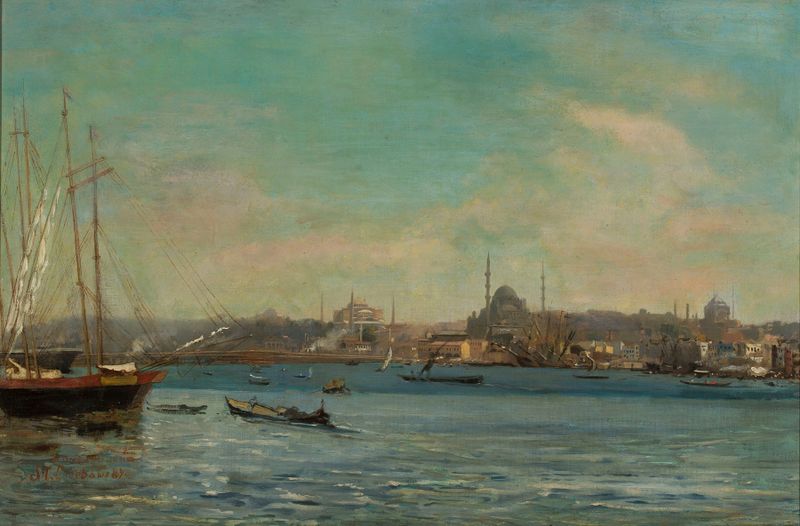
Panorama of Istanbul
Stanisław Chlebowski

View of the city at waterside
Stanisław Chlebowski
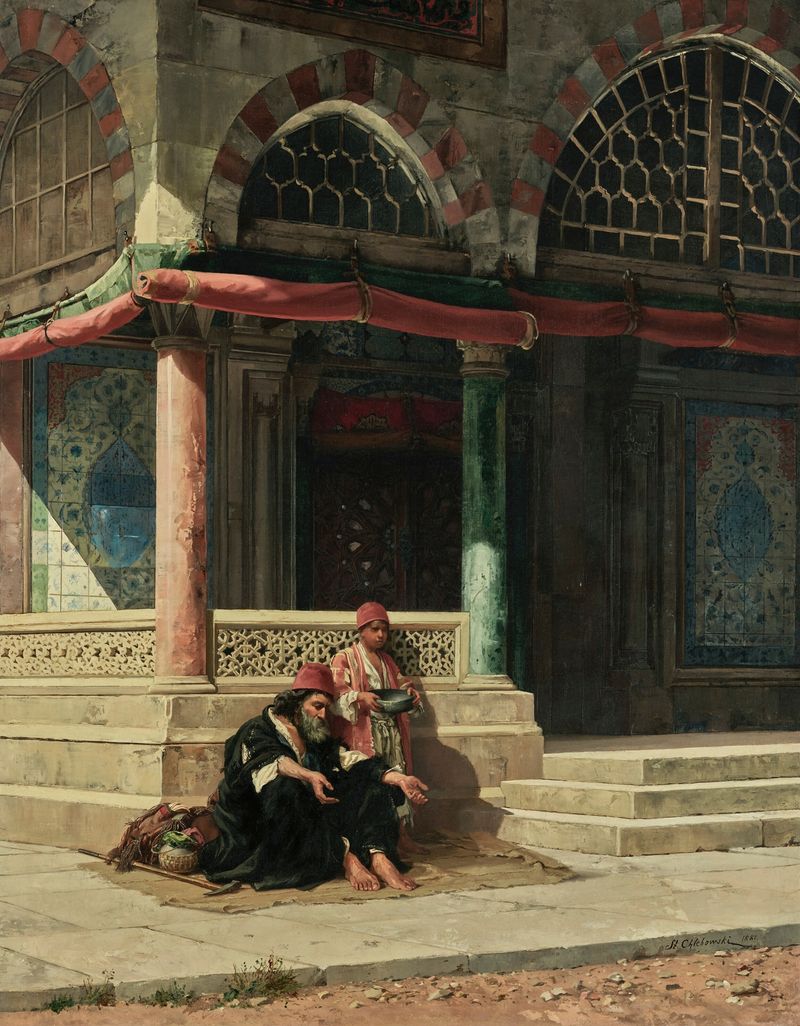
Holymen outside the Mosque at Bursa
Stanisław Chlebowski
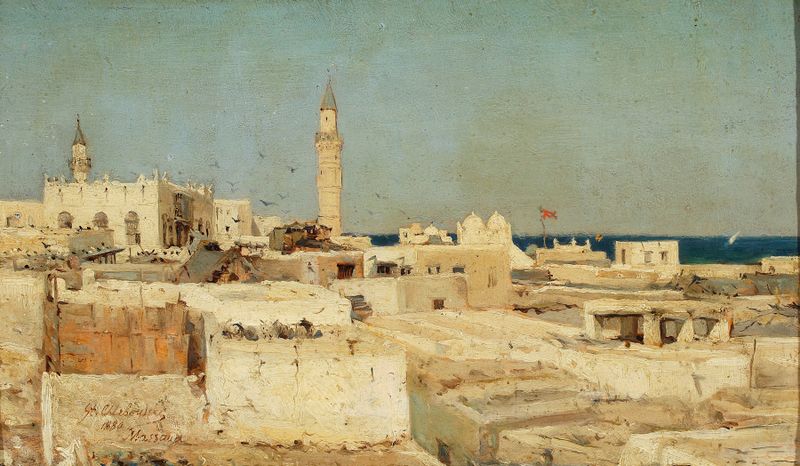
View of Massawa
Stanisław Chlebowski
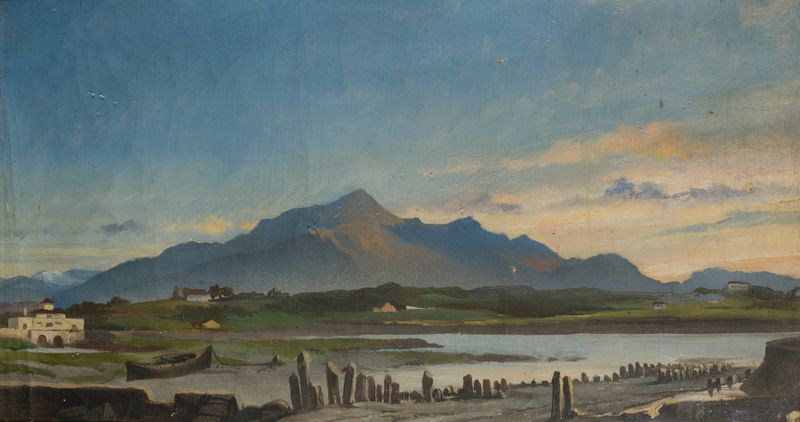
Oriental Landscape
Stanisław Chlebowski
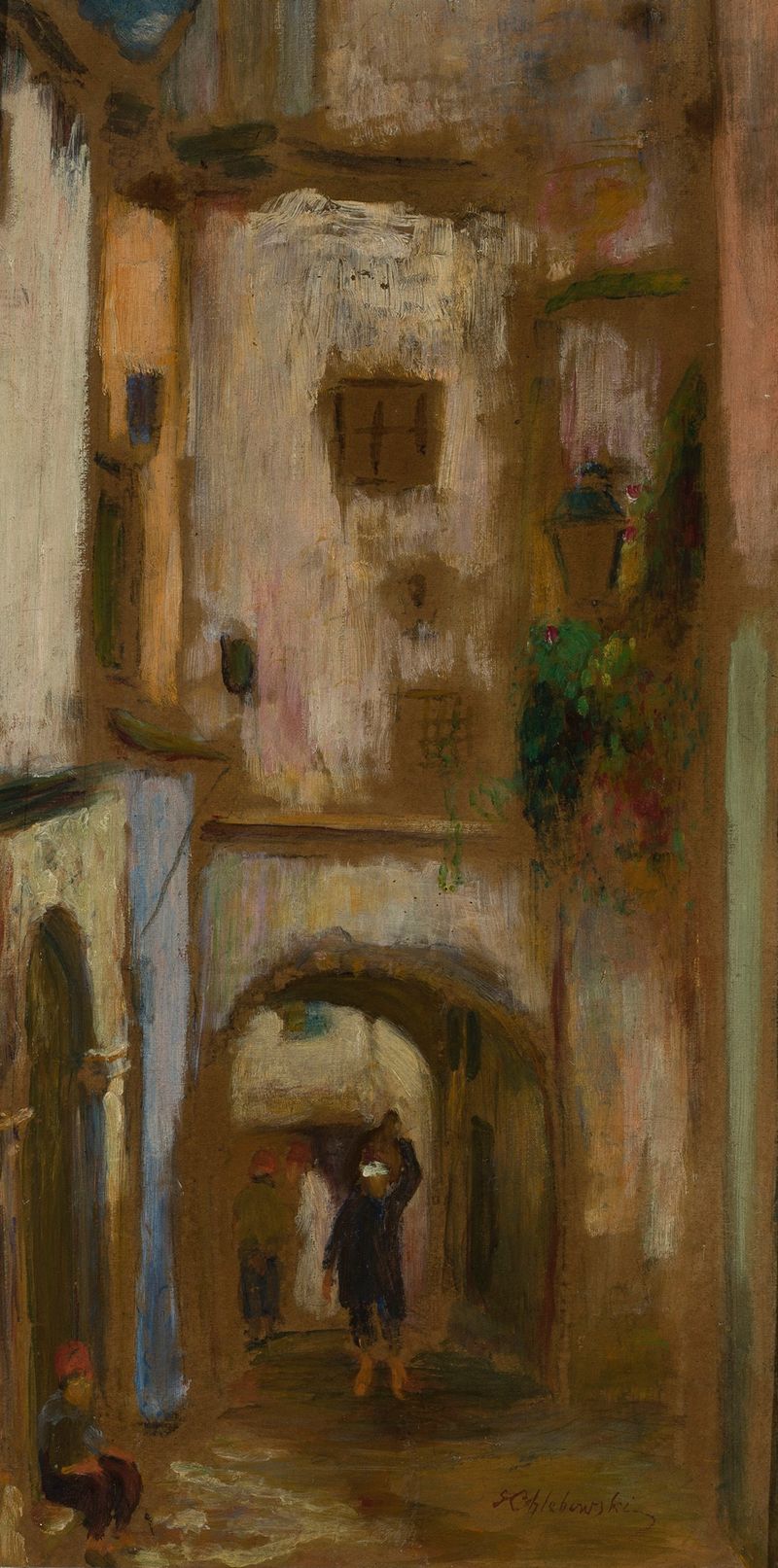
Alleyway
Stanisław Chlebowski
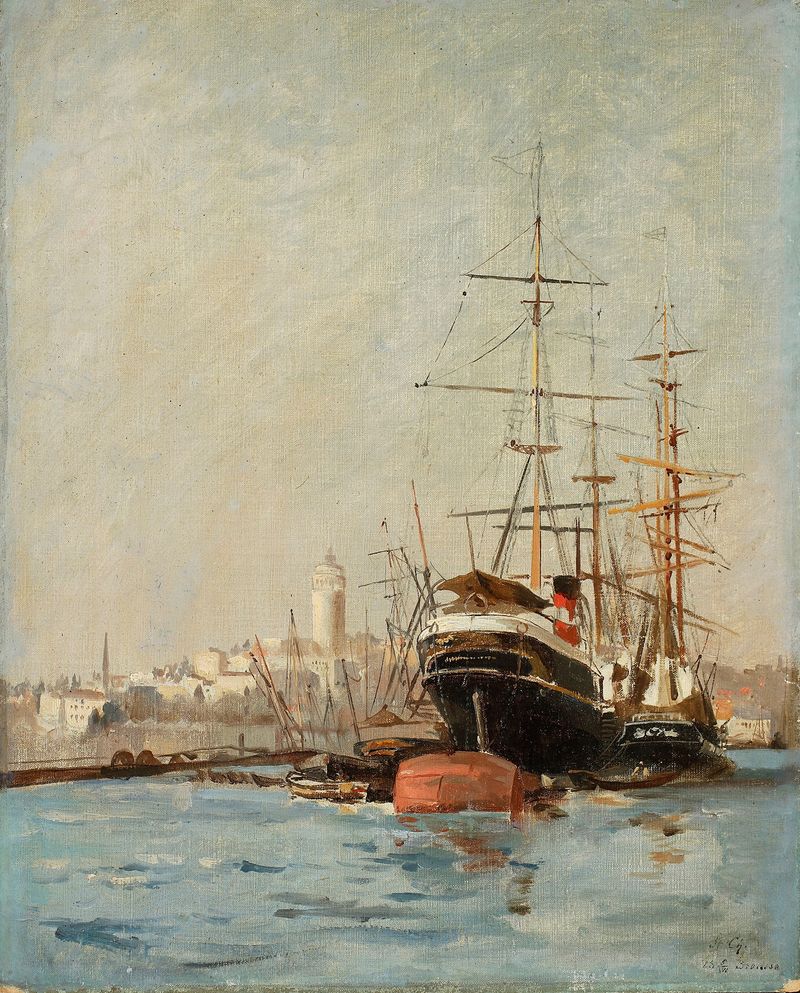
View of the seaport near Bursa
Stanisław Chlebowski





