Horloge — History & Facts
In a world dominated by the relentless march of time, the concept of balance becomes an elusive treasure, a delicate dance between movement and stillness. Look to the center of the canvas, where subtle hues of gold and deep mahogany converge, inviting the eye to the intricate workings of the clock. The gears, meticulously rendered, radiate a sense of both chaos and harmony, as if each tick has a purpose that reverberates beyond the frame. Notice how the light delicately caresses the polished surfaces, illuminating each detail while casting shadows that feel alive, breathing with the passage of time. The contrast between the mechanical precision of the clock and the organic curves surrounding it hints at a deeper narrative—the struggle between nature and human innovation.
The serene face of the clock suggests a tranquil acceptance of time’s flow, yet the frantic energy of the gears below evokes an internal conflict. It speaks to the human experience, a reminder that while we construct our devices to measure life, we remain subjects to its unpredictable unfolding. This artwork was created in the late 18th century, a period marked by dramatic shifts in society and art. Emerging from the shadows of the Enlightenment, the unknown artist captured a moment in time when the fascination with machinery and precision was blossoming.
The world was at a crossroads, and the dialogue on balance and time resonated deeply, reflecting the anxieties and aspirations of a society poised for change.
More Artworks by Unknown Artist
Browse all →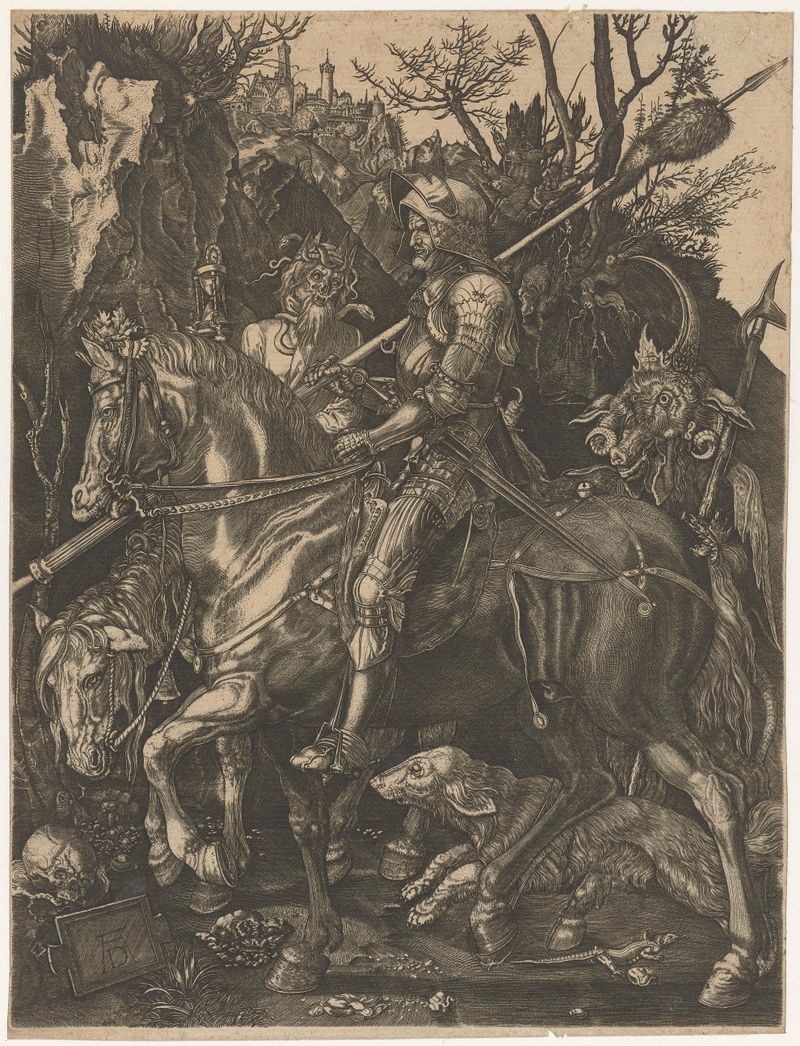
Ridder, Dood en Duivel
Unknown Artist
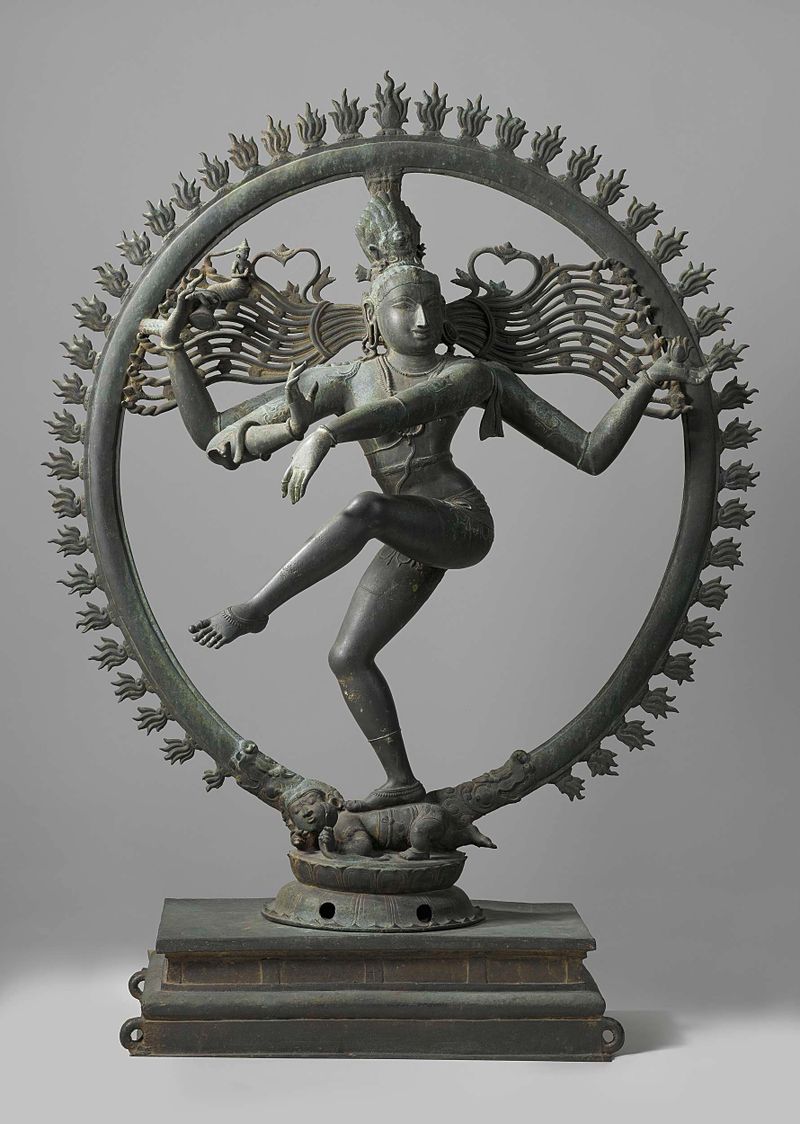
Shiva Nataraja
Unknown Artist
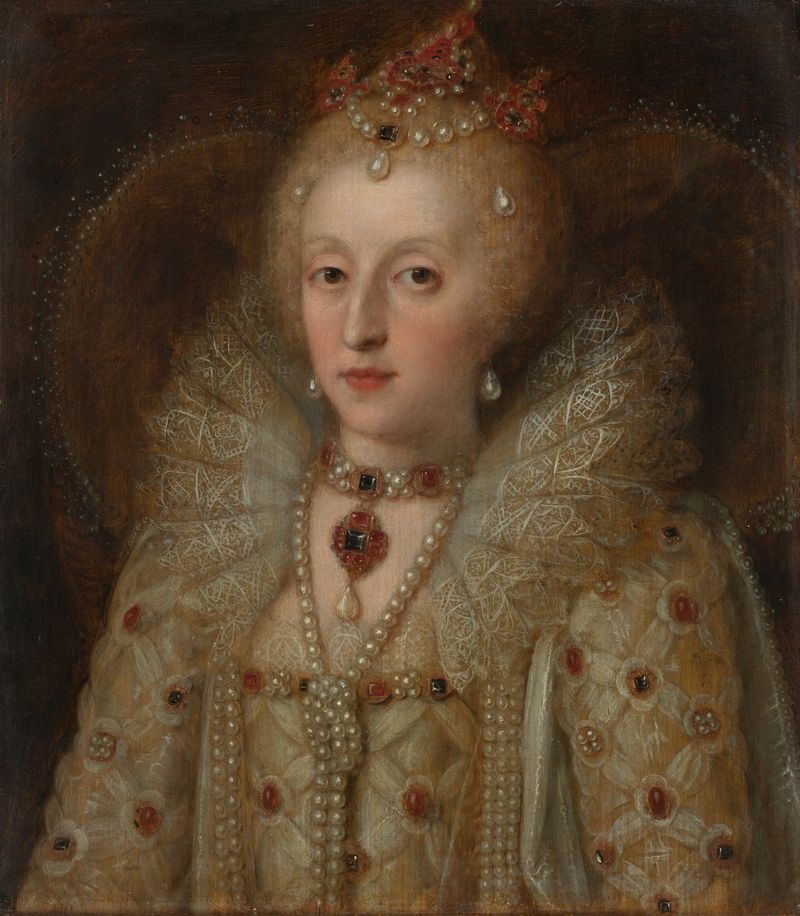
Portrait of Elizabeth I, Queen of England
Unknown Artist
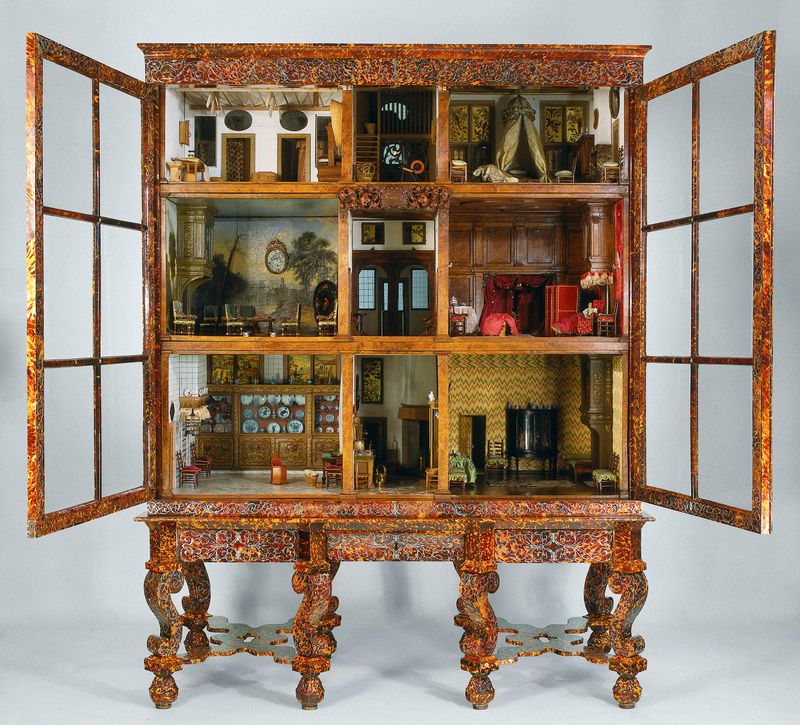
Dolls’ house of Petronella Oortman
Unknown Artist
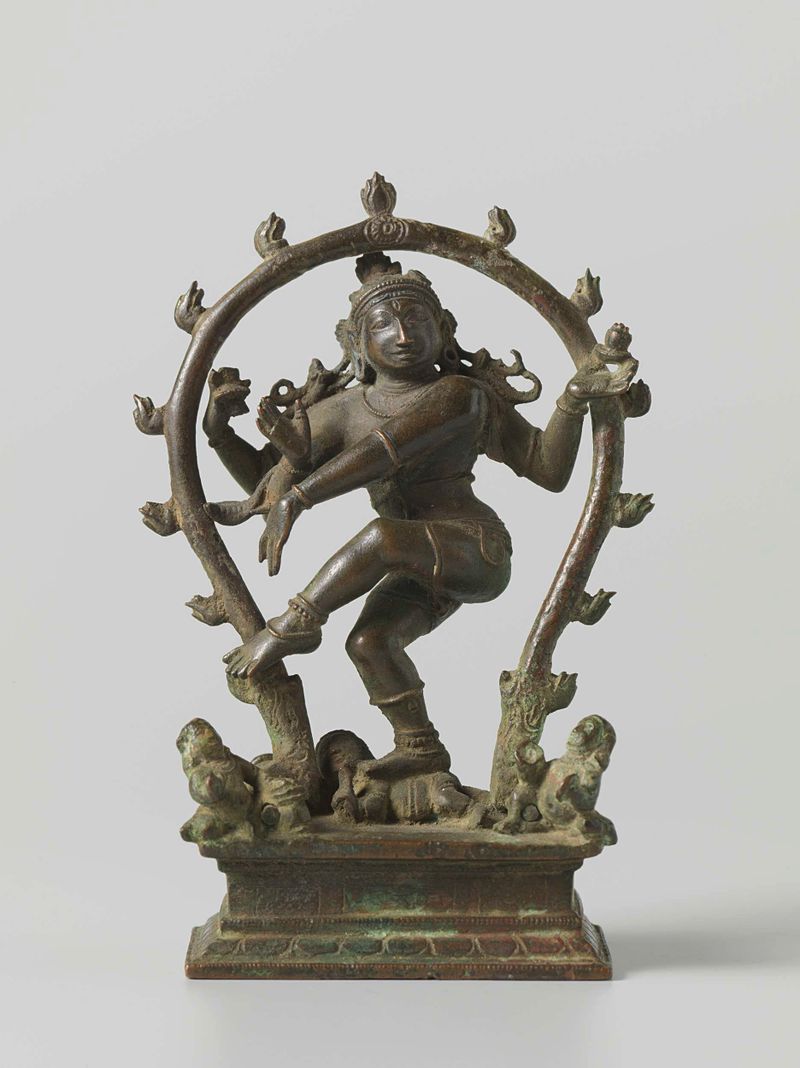
Shiva Nataraja
Unknown Artist

The Tale of Genji
Unknown Artist

The Tale of Genji
Unknown Artist
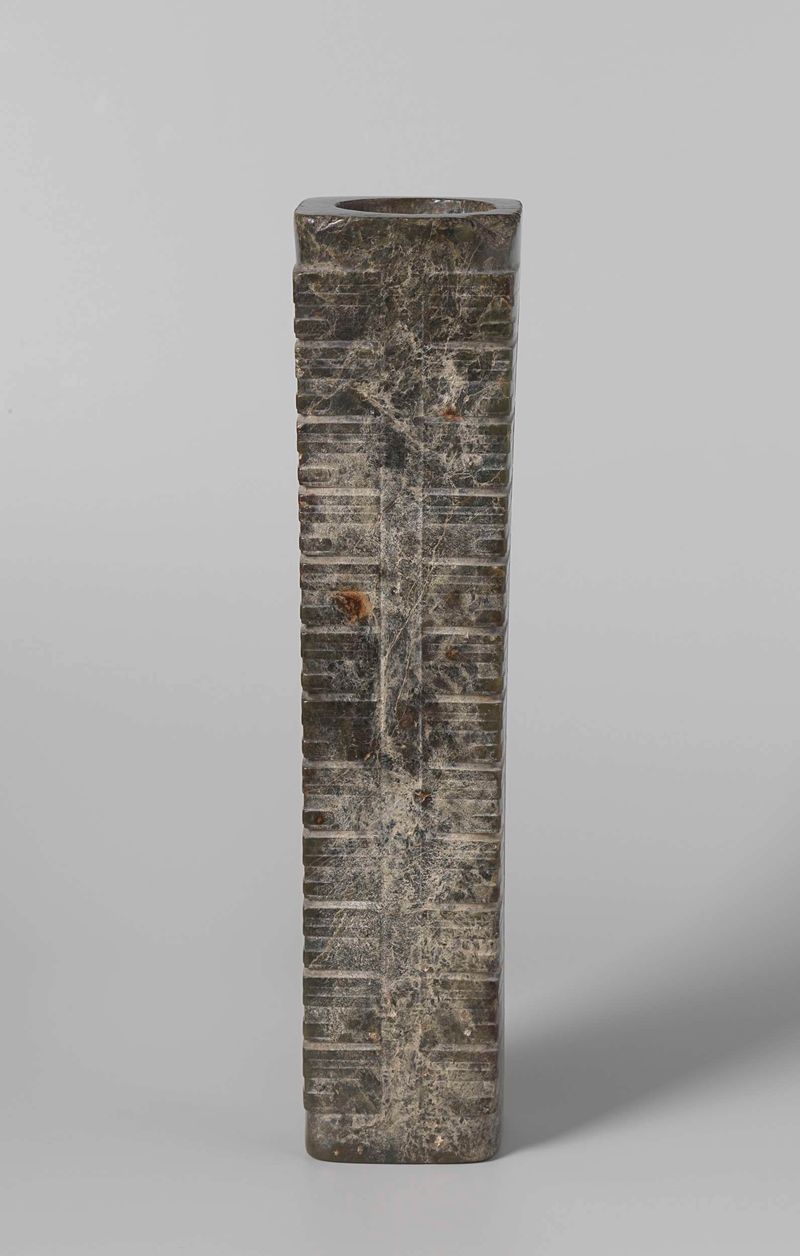
Cong
Unknown Artist
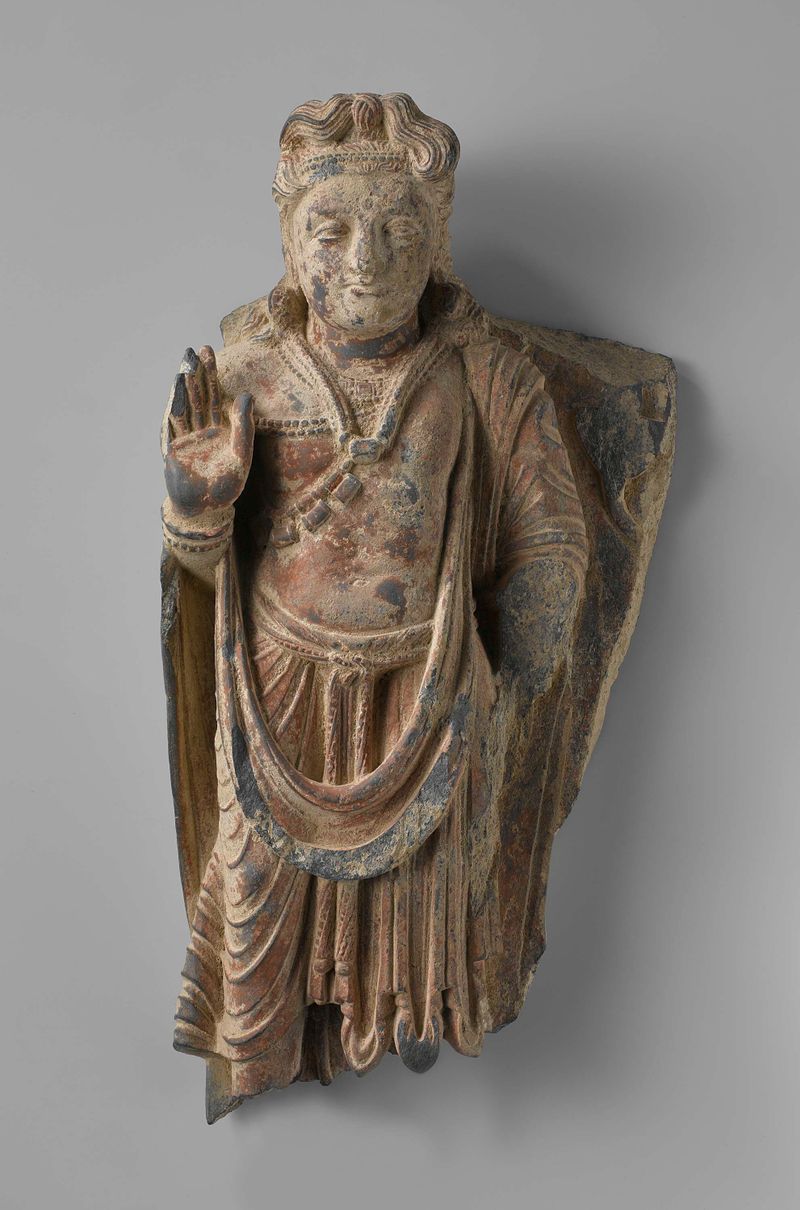
The bodhisattva Maitreya
Unknown Artist
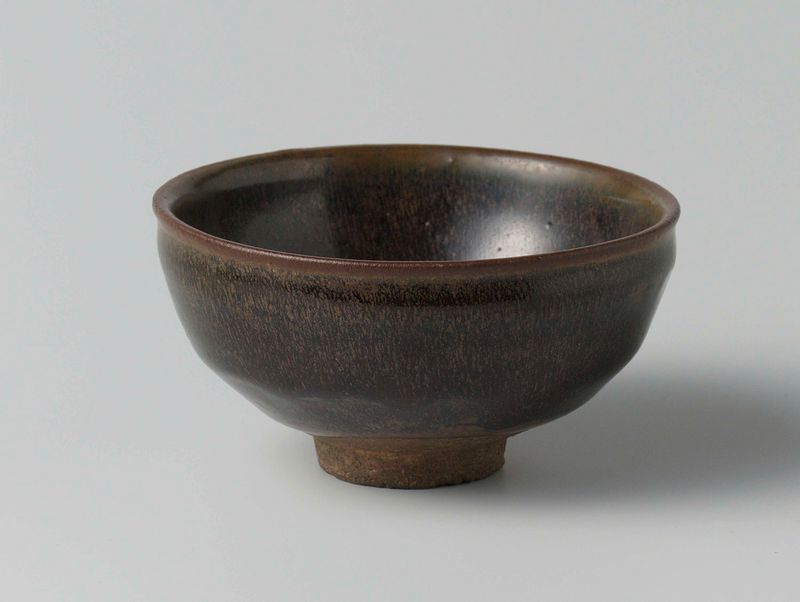
Teabowl with a 'hare's fur' glaze
Unknown Artist