Horloge — History & Facts
What if beauty was never meant to be finished? The transient nature of art dances with the relentless march of time, each tick marking both creation and decay. Look closely at the intricate details of the clock's face, where delicate hands seem to whisper secrets of the past. Notice how the softly worn patina contrasts with the vibrant hues of the surrounding decor, hinting at the passage of years. The artist’s meticulous craftsmanship draws your eye to the ornate embellishments that frame the clock, inviting reflection not just on timekeeping but on the cycles of life and history. Within its gilded framework, a deeper narrative unfolds, revealing the revolution of ideas that permeated its creation.
The clock, a symbol of time's dominion, also suggests a break from tradition, its complexity reflecting the tumult of societal shifts. Each chipped surface and subtle imperfection tells a story of human experience—celebration, loss, and the relentless quest for permanence amid inevitable change. This piece emerged during a time of dynamic transformation, roughly between 1790 and 1830, when the world was grappling with the ideals of the Enlightenment and the echoes of revolution. Crafted by an unknown artist, it embodies the spirit of innovation that defined this era, a time when art began to challenge established norms, speaking not only of beauty but also of the profound changes reshaping society.
More Artworks by Unknown Artist
Browse all →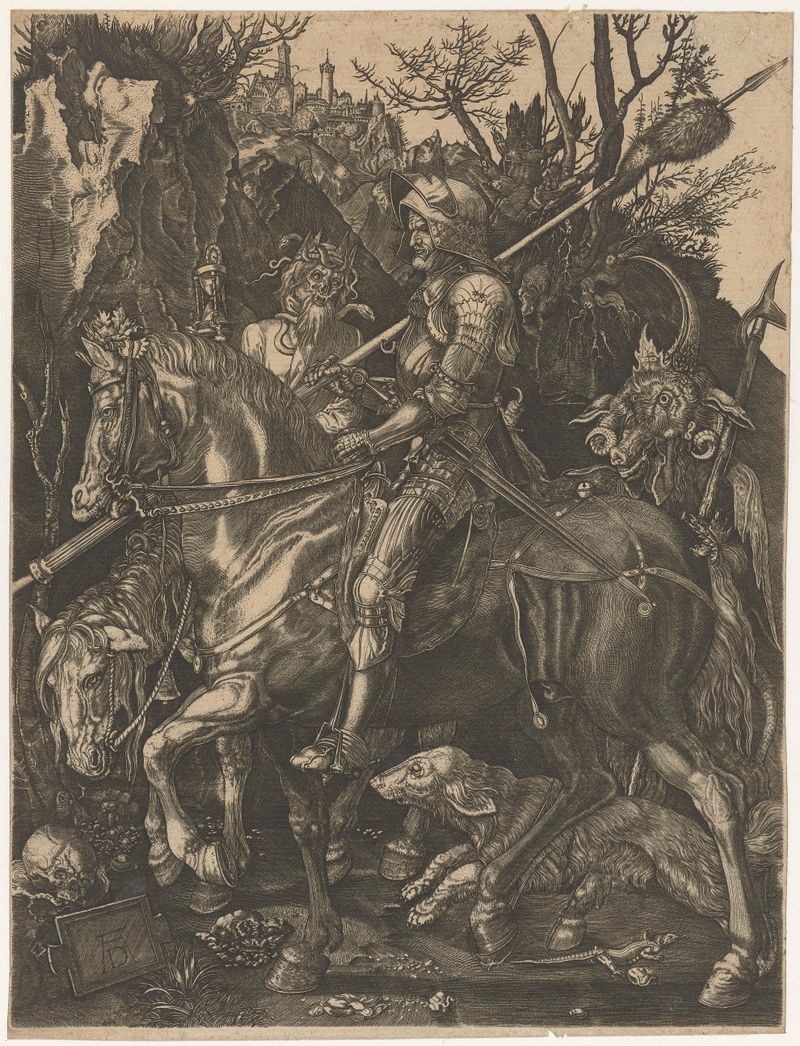
Ridder, Dood en Duivel
Unknown Artist
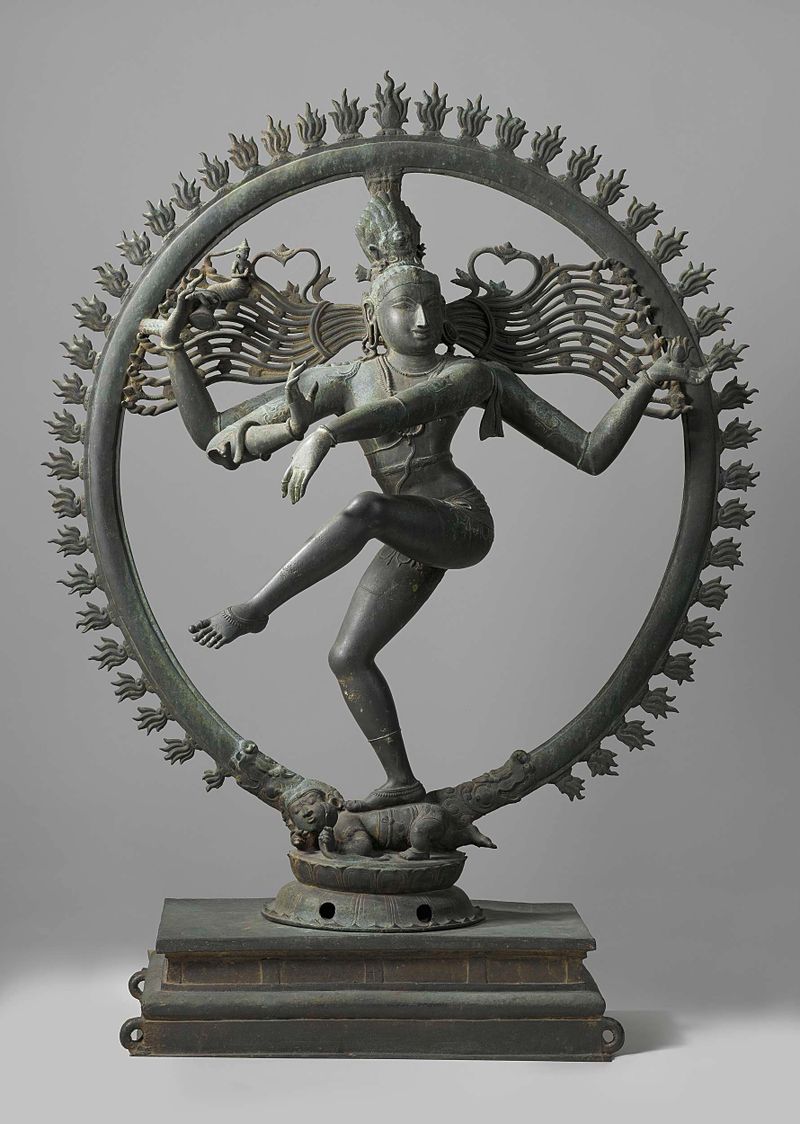
Shiva Nataraja
Unknown Artist
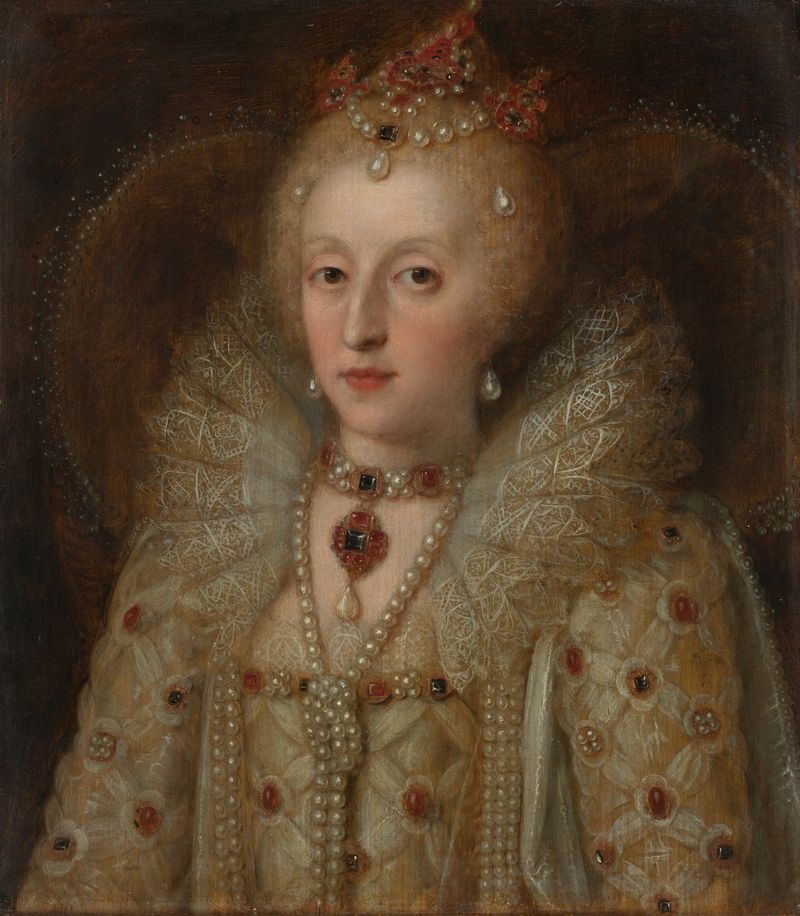
Portrait of Elizabeth I, Queen of England
Unknown Artist
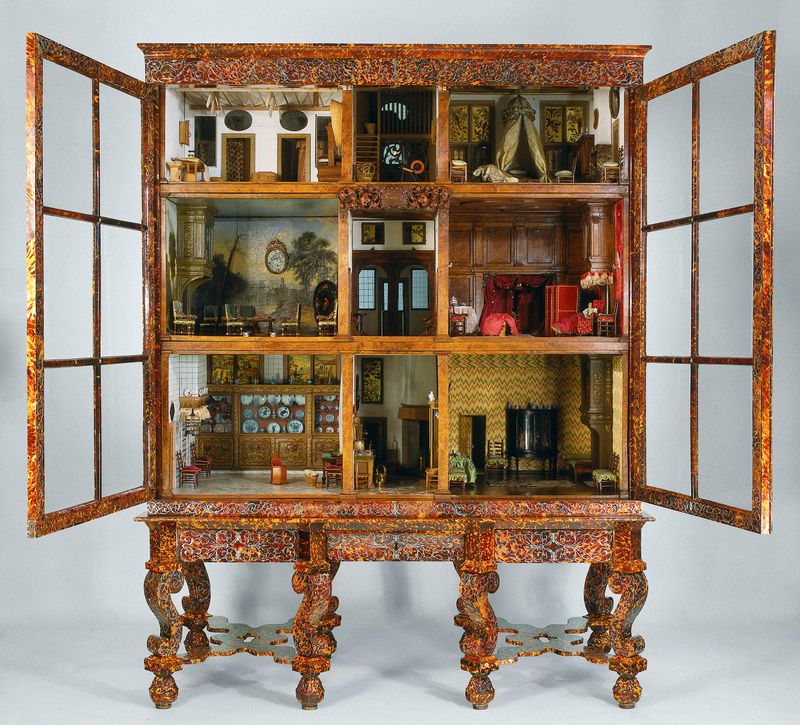
Dolls’ house of Petronella Oortman
Unknown Artist
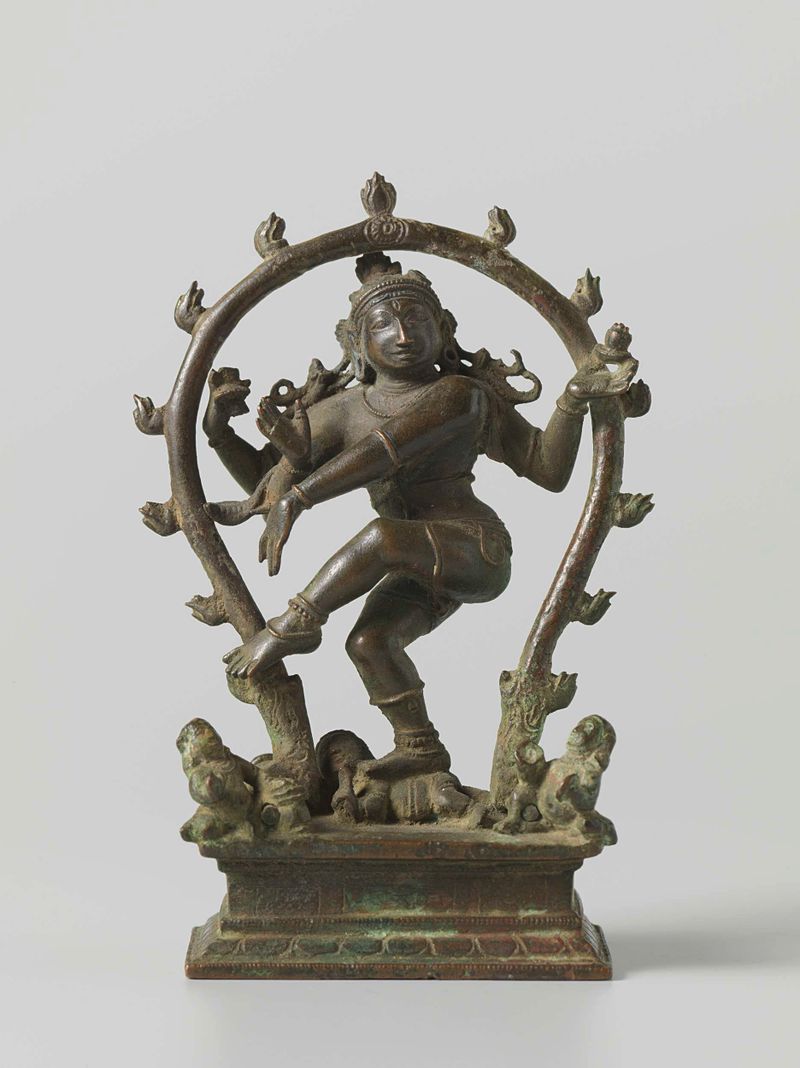
Shiva Nataraja
Unknown Artist

The Tale of Genji
Unknown Artist

The Tale of Genji
Unknown Artist
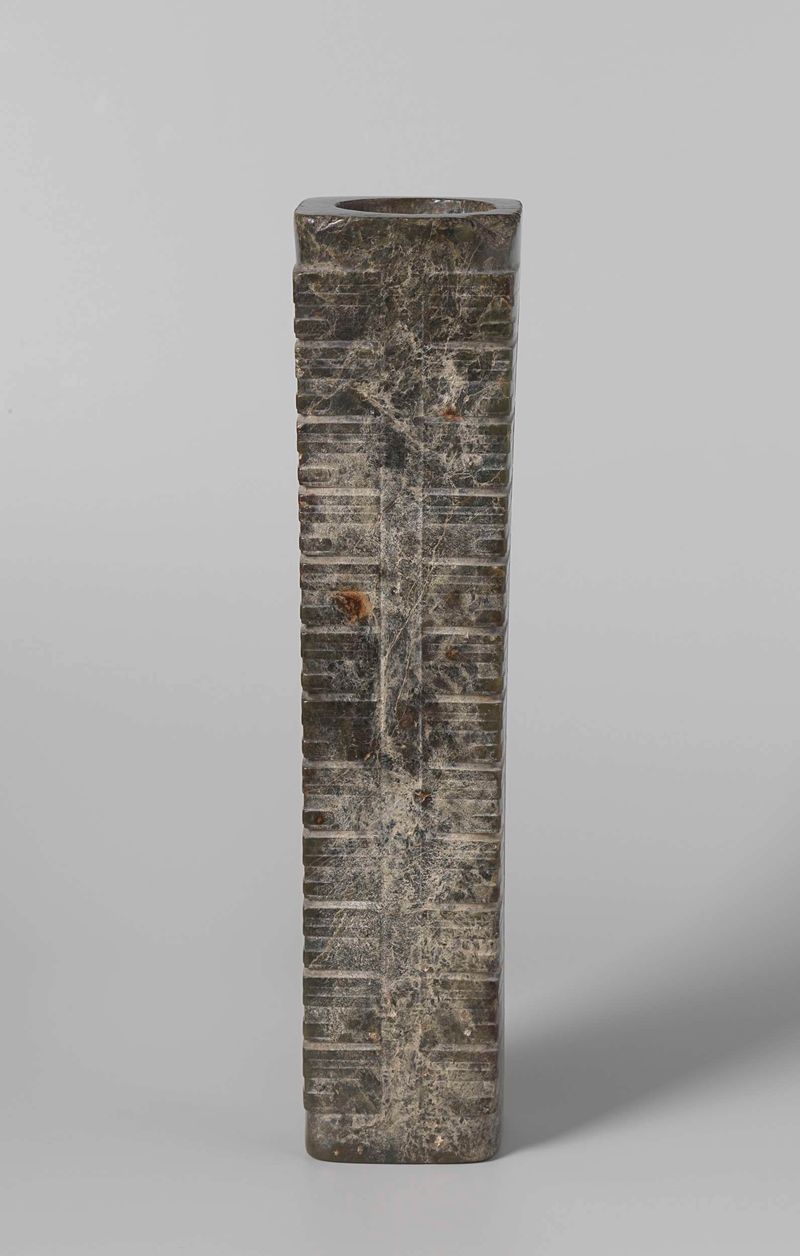
Cong
Unknown Artist
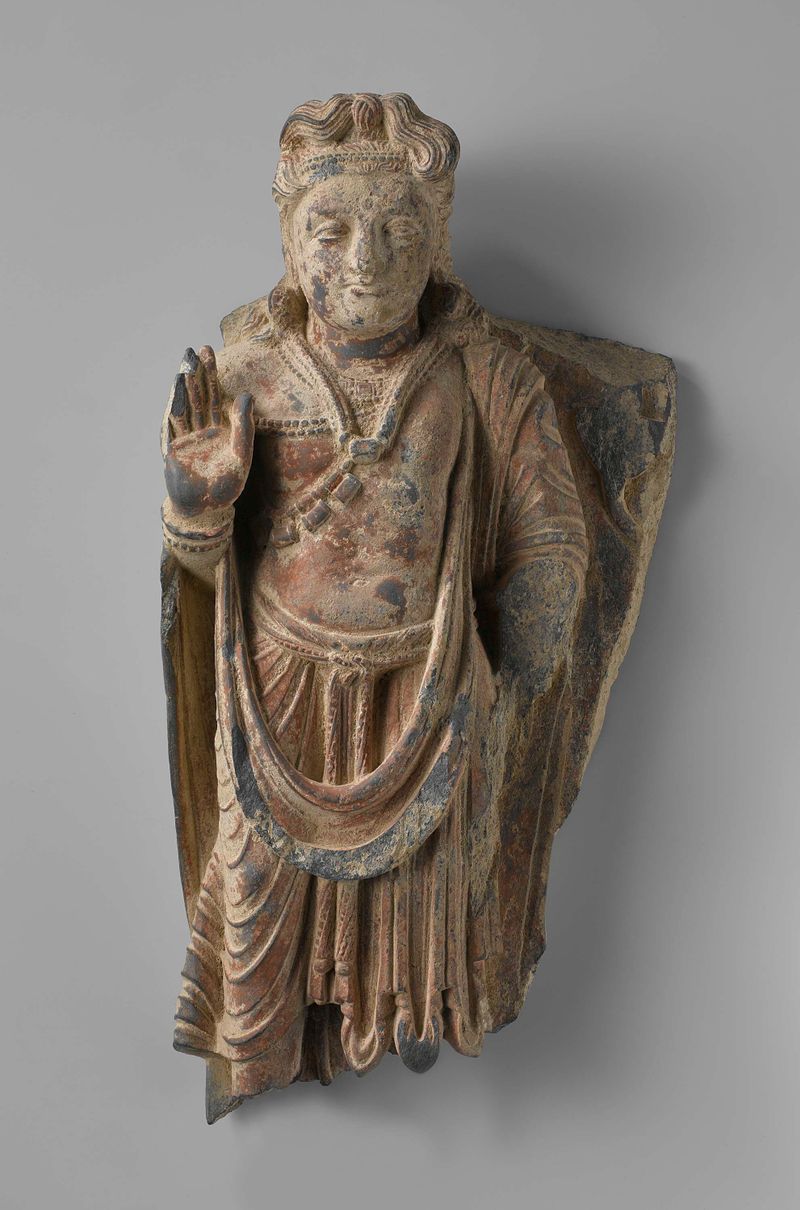
The bodhisattva Maitreya
Unknown Artist
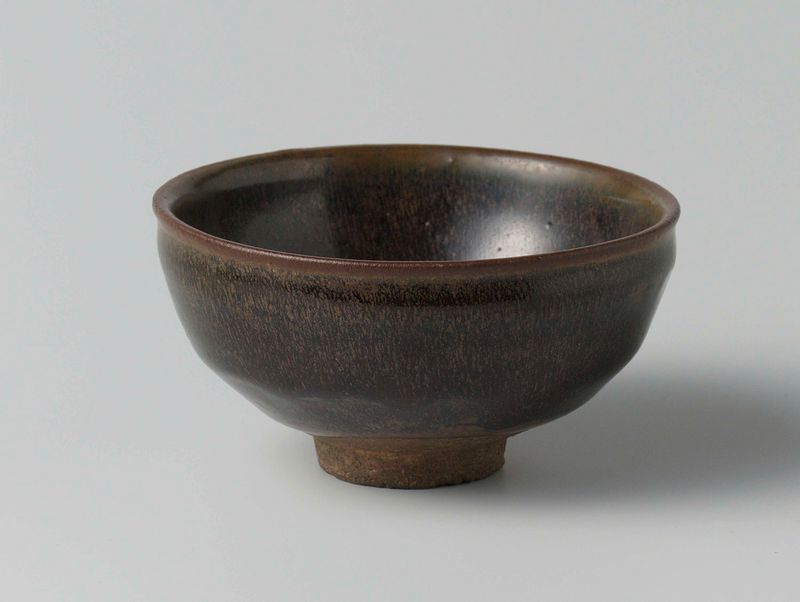
Teabowl with a 'hare's fur' glaze
Unknown Artist