Horloge van zilver — History & Facts
Can beauty exist without sorrow? The delicate craftsmanship of this silver clock invites us to ponder the fleeting nature of time and the bittersweet moments it encapsulates. Look closely at the intricate detailing of the clock's face, where Roman numerals elegantly frame the passage of time. Notice how the polished silver glints under the light, creating a dance of reflections that seem to breathe life into the piece. Each curve and engraving speaks to a tradition of artistry that balances the mechanical and the divine, inviting viewers to consider both its function and its beauty. Yet, lurking beneath this shimmering exterior lies a tension between permanence and transience.
The clock, a harbinger of time's relentless march, juxtaposes its ornate beauty with the inevitability of decay. Its craftsmanship represents a moment eternally captured, while the ticking of seconds suggests the fleeting nature of all that is cherished. Here, we find a profound dialogue between joy and melancholy, reminding us that existence is often marked by both. This silver clock was created around 1925 by an unknown artist during a period when Art Deco was flourishing.
The Roaring Twenties marked significant social change and a break from traditional forms, yet the identity of the maker remains a mystery. This anonymity speaks volumes about the universal experience of time, as much a part of the shared human journey as the hands that once deftly shaped it.
More Artworks by Unknown Artist
Browse all →
Ridder, Dood en Duivel
Unknown Artist
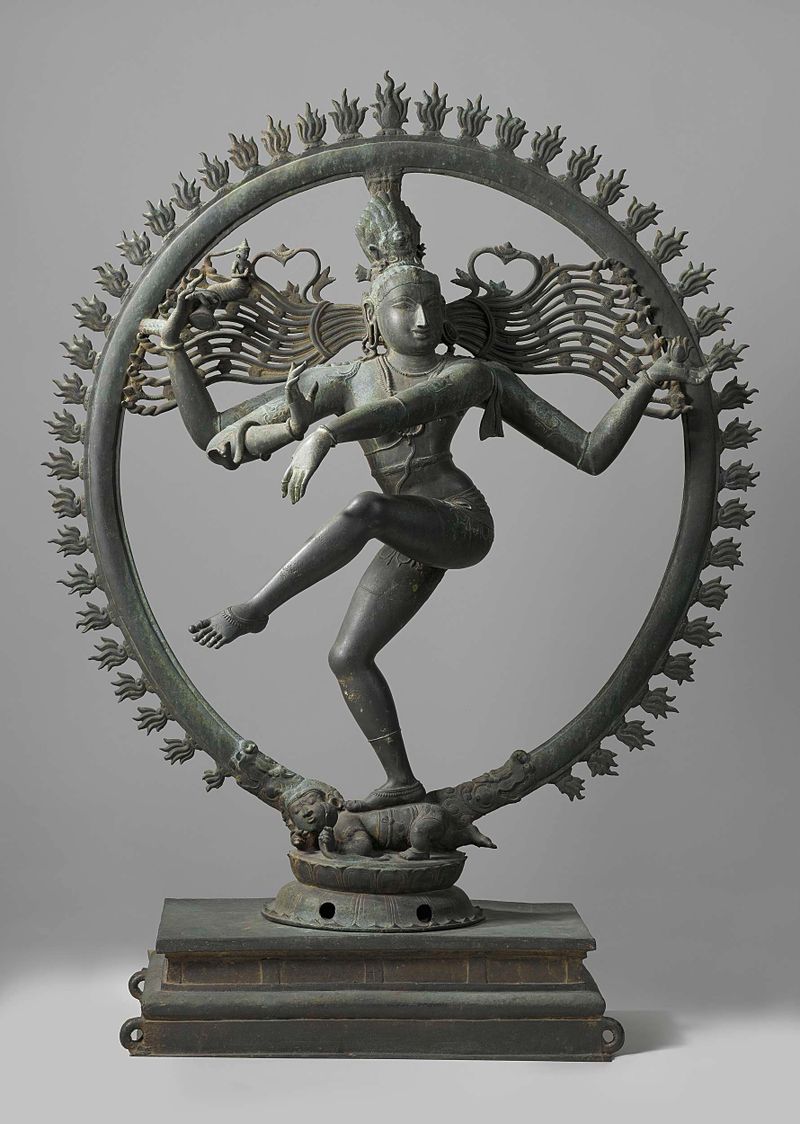
Shiva Nataraja
Unknown Artist
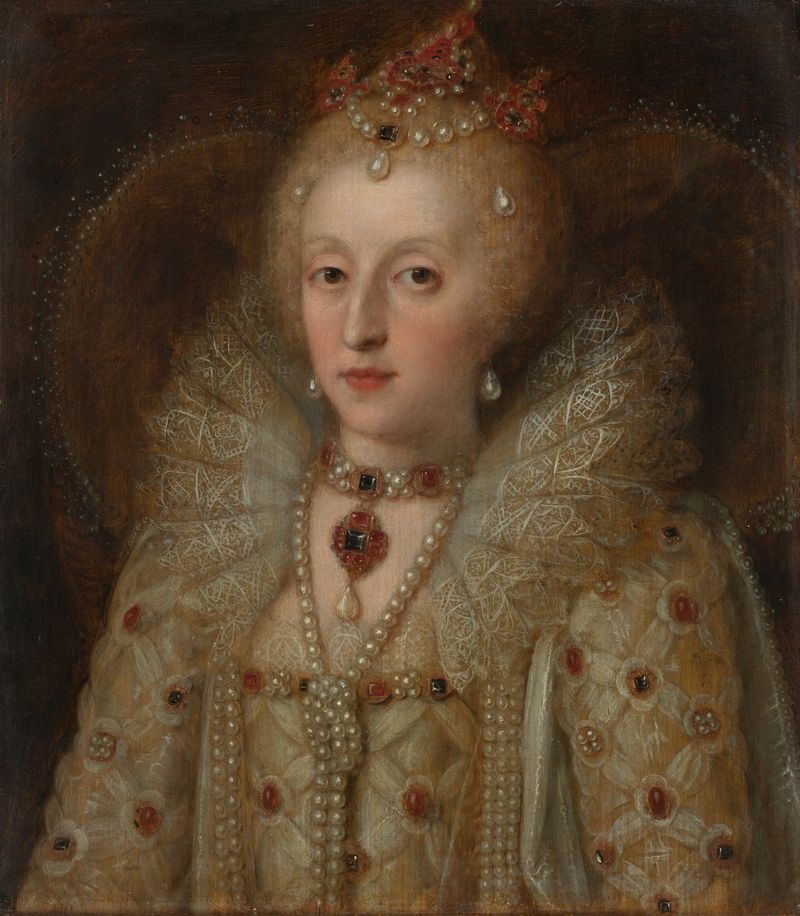
Portrait of Elizabeth I, Queen of England
Unknown Artist
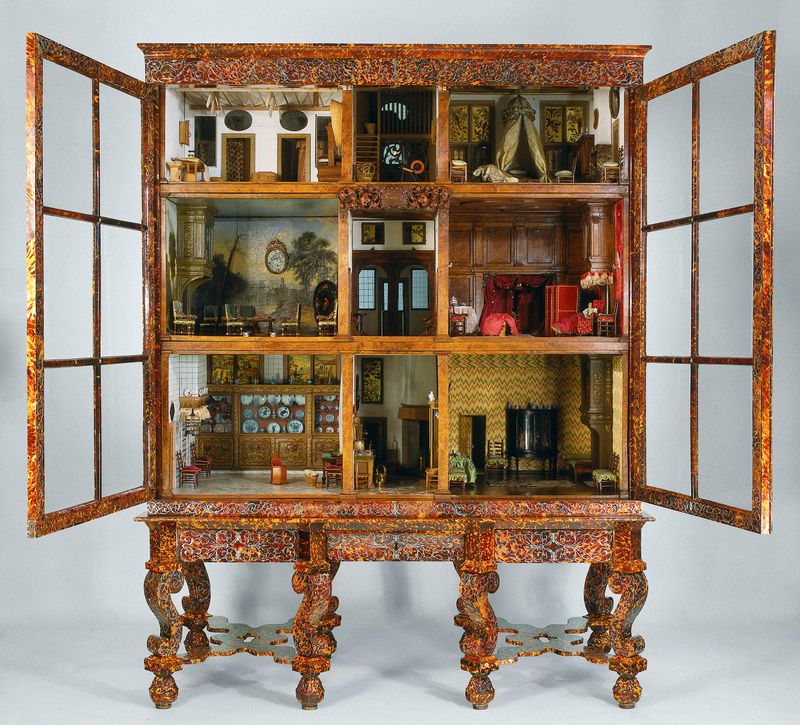
Dolls’ house of Petronella Oortman
Unknown Artist
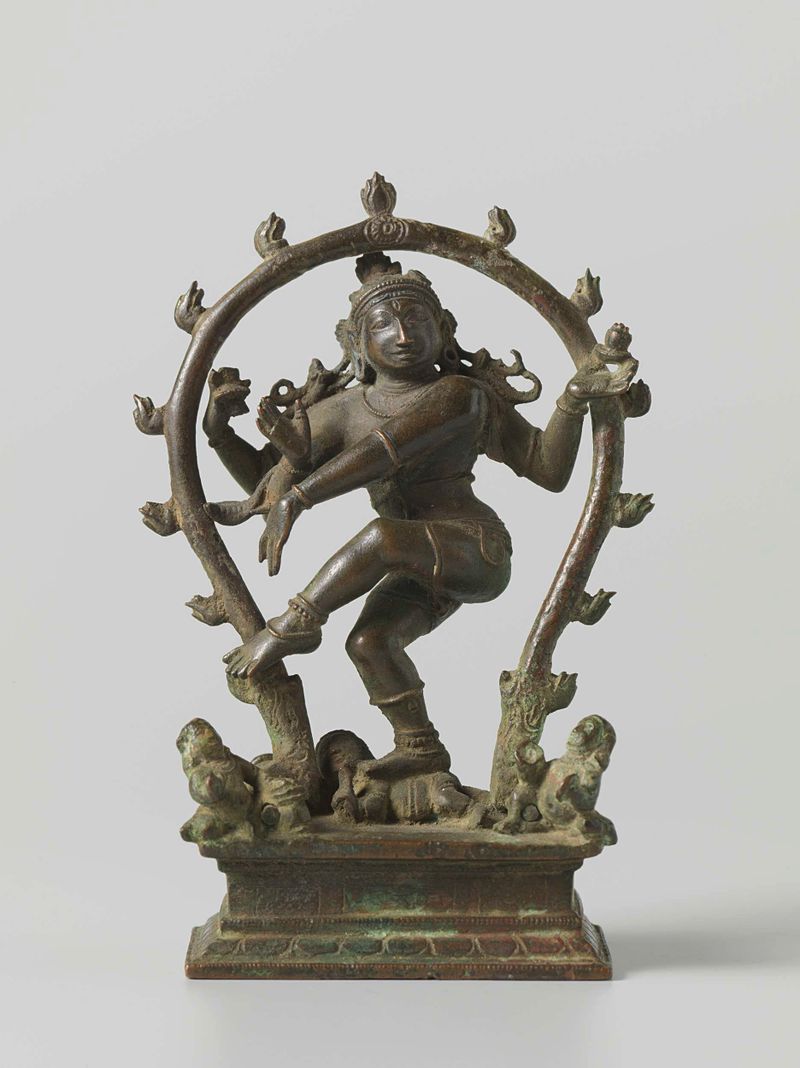
Shiva Nataraja
Unknown Artist

The Tale of Genji
Unknown Artist

The Tale of Genji
Unknown Artist

Cong
Unknown Artist
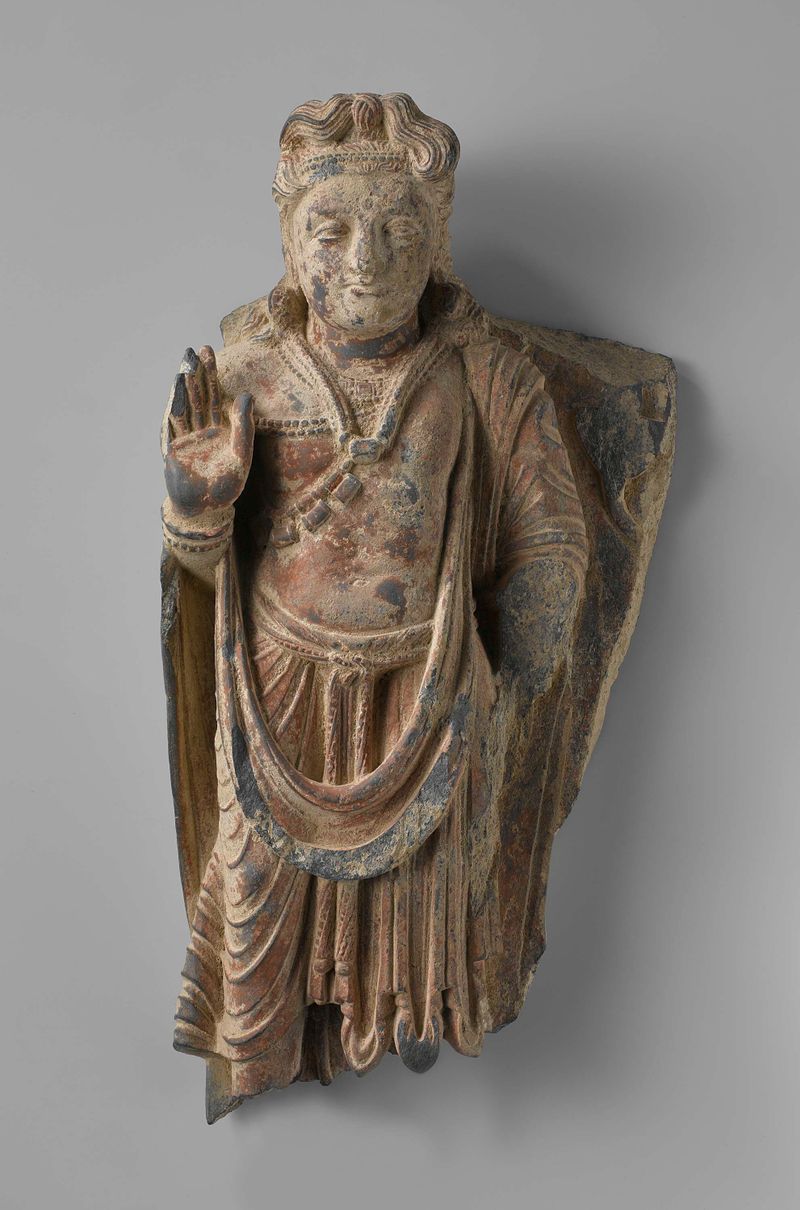
The bodhisattva Maitreya
Unknown Artist

Teabowl with a 'hare's fur' glaze
Unknown Artist