House with Weathercock — History & Facts
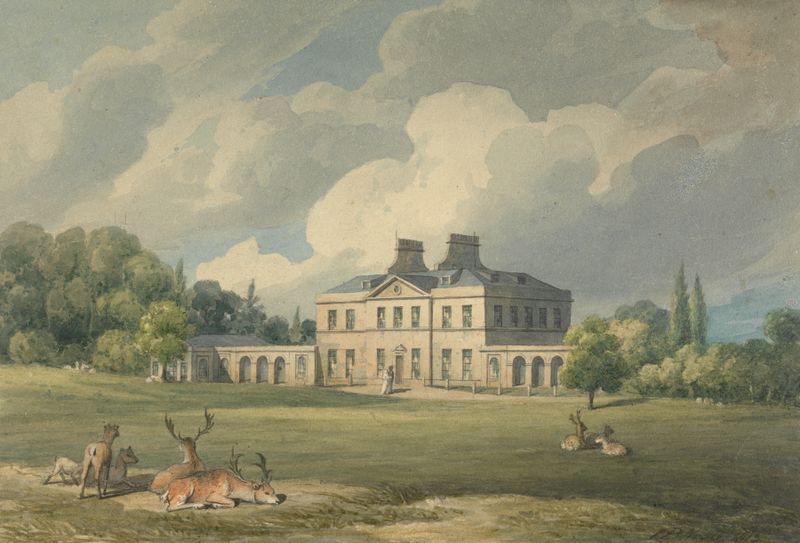
Who listens when art speaks of silence? In a world filled with noise, the stillness of a solitary house can evoke a profound sense of hope and introspection. Focus your gaze at the heart of the canvas, where a quaint dwelling stands resilient against the backdrop of a muted sky. Notice how the pale hues of the walls, softened by time, seem to whisper tales of warmth and shelter. The weathercock perched atop, its golden sheen catching the sparse light, guides your eye upward, suggesting a connection to something greater, a yearning for direction amidst the uncertainty of life. As you delve deeper, observe the subtle contrasts within the composition.
The interplay of light and shadow conveys a narrative of fleeting moments, where the absence of human presence amplifies the house's quiet dignity. The gentle curves of the landscape envelop the structure, creating a cradle of hope, while the stillness invites reflection on solitude and belonging. Here, the mundane transforms into the extraordinary, revealing a poignant commentary on resilience and aspiration. Created during the early 19th century, the artwork emerged from John Preston Neale’s exploration of everyday architecture and its relationship with the landscape.
At this time, the artist was navigating a burgeoning interest in capturing the essence of English rural life, reflecting the Romantic movement's growing preoccupation with nature and individuality. Neale’s vision encapsulated a moment in history where the simple beauty of domesticity began to resonate with broader themes of hope and permanence.