
Huis aan de Vliet te Voorburg — History & Facts
When did color learn to lie? In the delicate interplay of light and hue, a truth emerges that speaks beyond the surface of the canvas. The quiet elegance of a structure nestled beside water reflects the complexities of perception, inviting viewers to question their own interpretations. Focus on the shimmering water in the foreground, where the gentle ripples merge with the soft palette of greens and blues. Notice how the vibrant, yet serene, color choices create a harmonious balance between the house and its natural surroundings.
The brushwork emulates a tranquil atmosphere, with loose strokes suggesting movement in the foliage and water, while the architectural details of the house remain surprisingly crisp and defined. As you explore further, consider the layers of meaning woven into the scene. The juxtaposition of the solid building against the fluid water symbolizes stability amidst change. The warm glow of the sunlight, bathing the facade in a golden hue, hints at warmth and comfort, yet it also evokes a sense of nostalgia, as if the past whispers through the colors.
The viewer is left contemplating the relationship between nature and architecture, reality and memory. Lodewijk Johannes Kleijn painted this work during a period of burgeoning national identity in the Netherlands. Created between 1827 and 1897, his focus on rural landscapes and domestic scenes reflected a growing interest in capturing the beauty of everyday life. It was a time when artists were starting to break free from traditional constraints, embracing new techniques that allowed them to depict the world through their own emotional lens, revealing both beauty and artifice in color.
More Artworks by Lodewijk Johannes Kleijn
Browse all →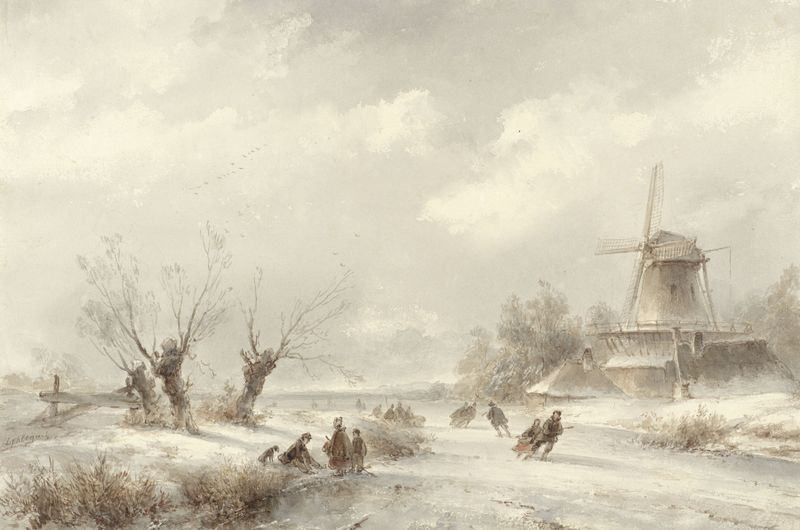
Winterlandschap met schaatsenrijders bij een molen
Lodewijk Johannes Kleijn

Begroeid dal met een hoge rots en een beek
Lodewijk Johannes Kleijn
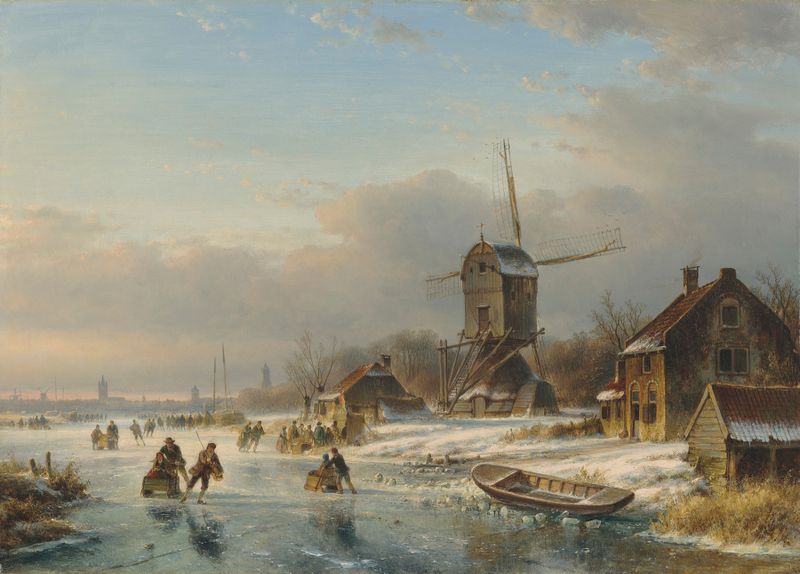
A winter landscape
Lodewijk Johannes Kleijn
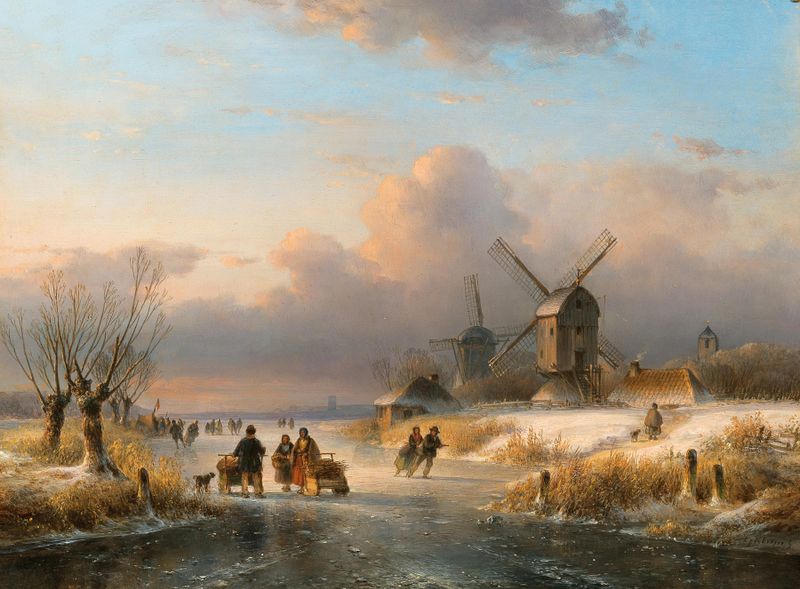
Skating Pleasures in Winter
Lodewijk Johannes Kleijn

Het huis De Pauw te Wassenaar
Lodewijk Johannes Kleijn
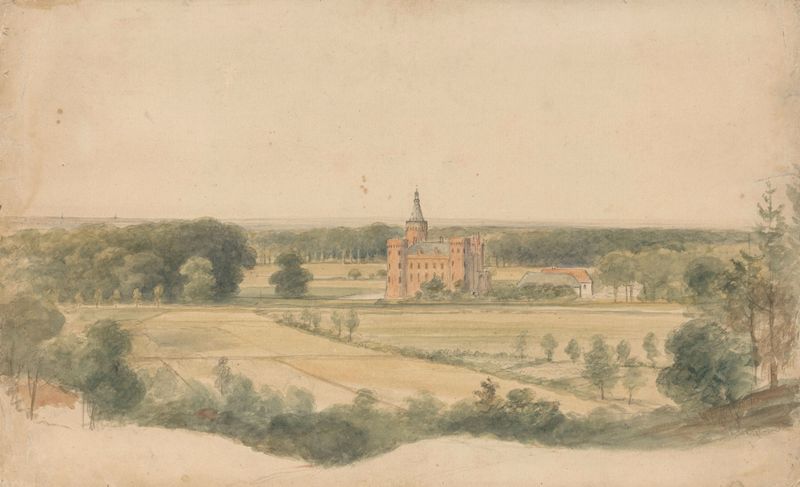
Kasteel Moyland bij Kleef
Lodewijk Johannes Kleijn
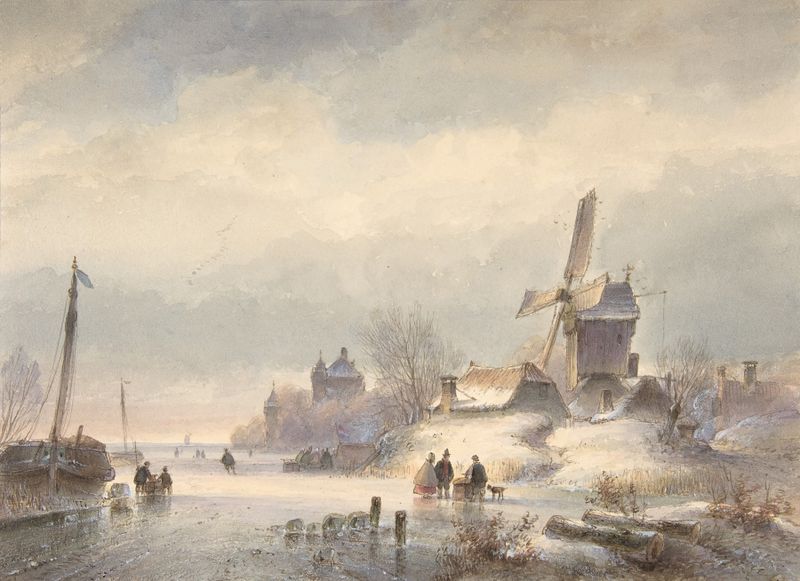
Winter Landscape with Frozen River
Lodewijk Johannes Kleijn





