Huizen aan een vaart — History & Facts
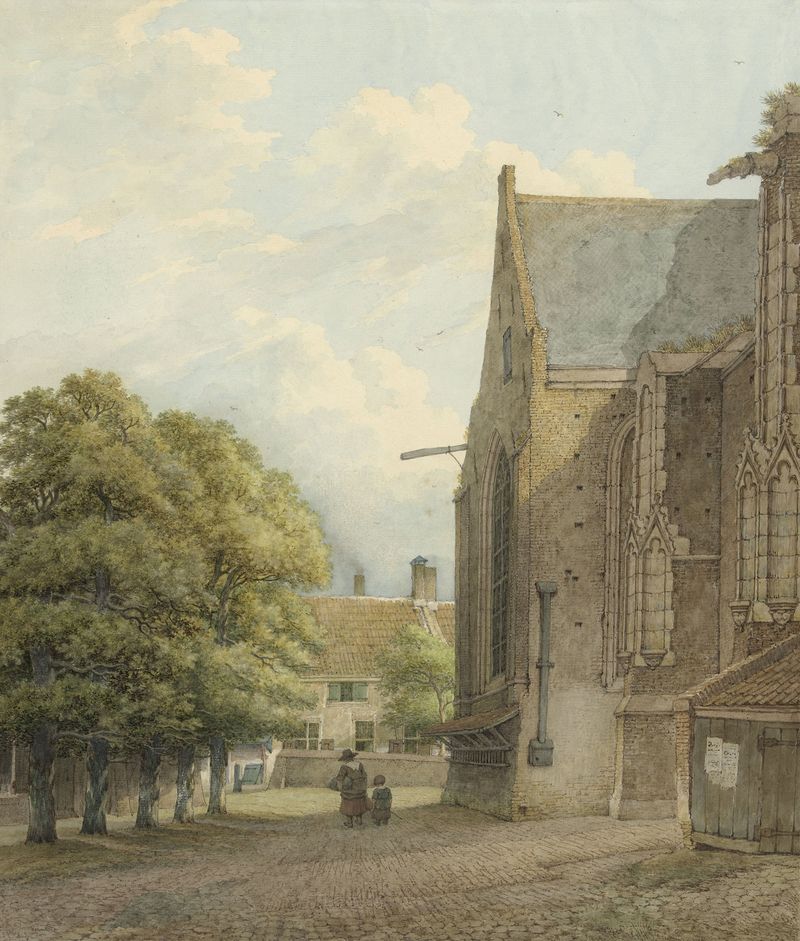
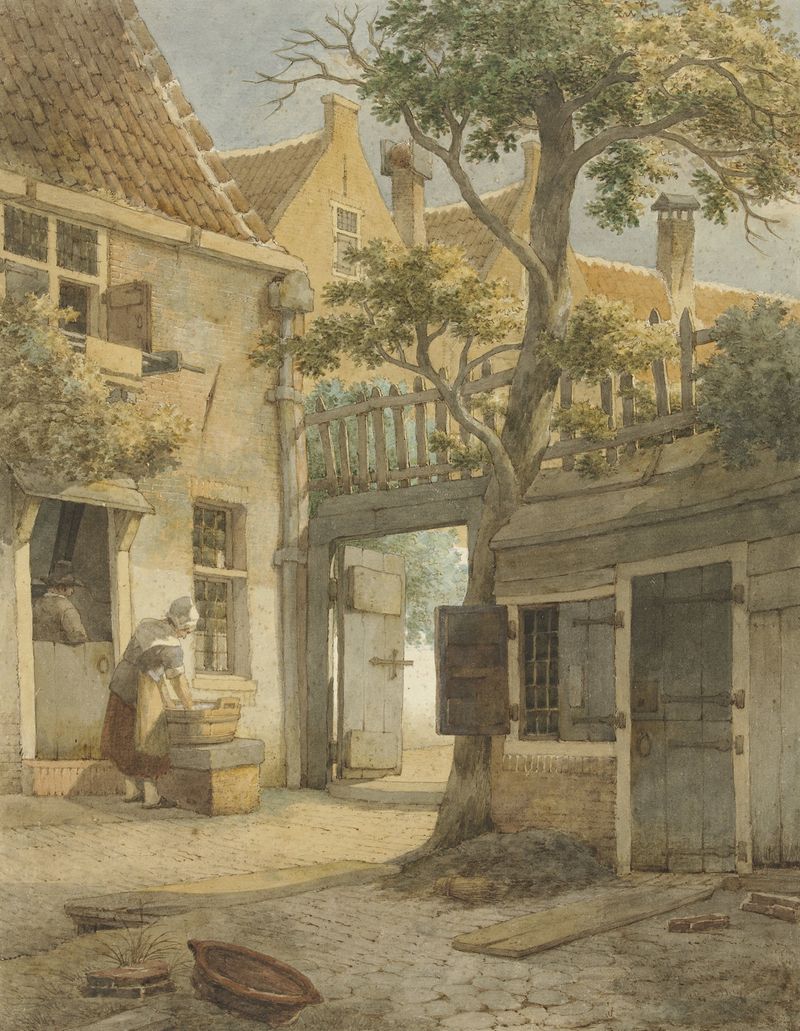
This notion echoes through the gentle reflections and vivid colors of a serene scene, where innocence is cloaked in the simplicity of rural life. Look to the left at the soft waterways that curve gracefully, leading your gaze toward a humble collection of houses nestled along the bank. The artist employs delicate brushwork to capture the light shimmering upon the water's surface, a shimmering dance that invites tranquility. Notice how the sun bathes the rooftops in warm hues of ochre and gold, contrasting with the cool greens of the surrounding foliage.
This harmonious color palette evokes a sense of peace, yet hints at an underlying fragility. Upon closer inspection, the juxtaposition of the idyllic setting against the stillness of the scene prompts contemplation. The quiet water reflects not only the structures but also the weight of history, suggesting that beneath this picturesque facade lies the untold stories of those who inhabit it. The absence of figures in the frame imbues the painting with a haunting solitude, urging the viewer to consider the lives that might unfold just beyond the canvas’s edge. Daniël Kerkhoff created this work during a period marked by both artistic blossoming and personal challenges in the early 19th century in the Netherlands.
The tranquility of his rural landscapes came at a time when he sought solace in nature, influenced by the Romantic movement's emphasis on emotion and individual experience. The world around him was shifting, and amidst this upheaval, he turned to the serene beauty of everyday life, capturing its fleeting innocence for future generations.