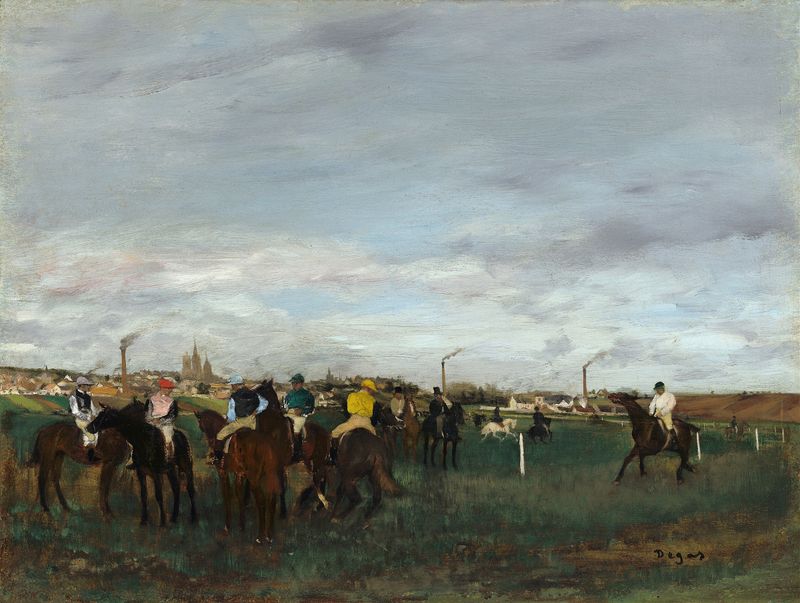
Hunting a wild boar — History & Facts
The thrill of the hunt is a visceral dance between man and beast, charged with a primal ecstasy that transcends time. Look to the center of the canvas, where the wild boar is caught in a moment of fierce struggle. Notice the way the tension radiates from its taut form, muscles coiled beneath a glossy hide, while the hunters encircle it, a dynamic composition that vibrates with the energy of the chase. The varied tones of earthy browns and deep greens enhance the rawness of the scene, while the dappled light filters through the foliage, casting dramatic shadows that underscore the urgency of the moment. Delve deeper into the expressions of the hunters; they are a study in emotional contrast.
While one man exudes determination, another portrays an unsettling mixture of fear and exhilaration. The boar’s eyes, wild and fierce, reflect both the instinct for survival and the inevitability of its fate. This interplay of emotions captures the essence of humanity's eternal struggle against nature — a juxtaposition of life and death, dominance and vulnerability. In 1773, Peter Jacob Horemans painted this work amidst a flourishing interest in genre scenes that highlighted everyday life and the relationships between humans and animals.
Living in Antwerp during a time when the Dutch art scene was thriving, he sought to capture the excitement of hunting, a popular pastime of the aristocracy, while showcasing his skill in representing both the ferocity of nature and the complexities of human emotion.