Huntsmen and Hounds — History & Facts
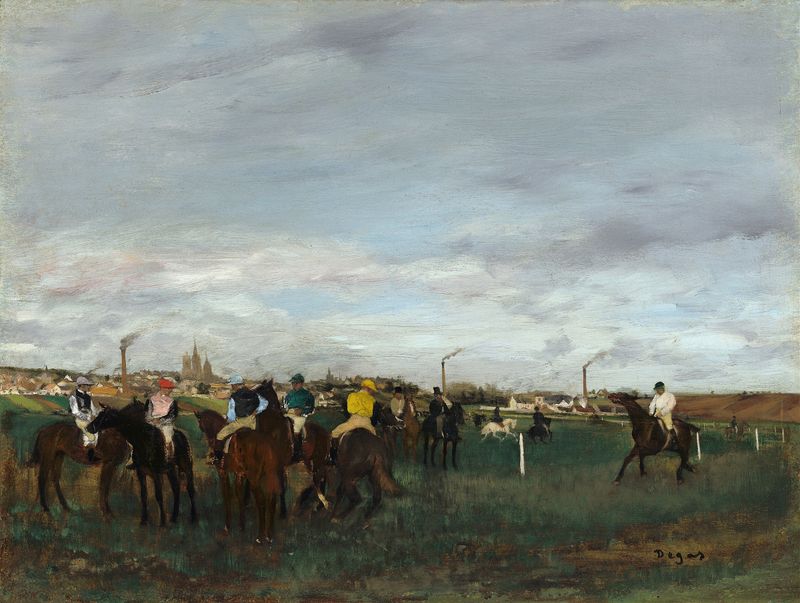
What secret hides in the quiet of the canvas? Beneath the placid surface of Huntsmen and Hounds, an undercurrent of madness stirs, whispering tales of ambition and desperation. Look to the center of the composition where the huntsmen stand, their poised figures contrasted sharply against the chaotic energy of the hounds. Notice how the dark, rich browns and verdant greens form a lush backdrop, intensifying the tension between hunter and hunted. The subtle play of light captures the glint in the hounds' eyes, creating an unsettling anticipation as if the air brims with unspoken threat.
Each gesture, from the huntsmen’s clenched fists to the hounds’ taut bodies, feels alive, teetering on the edge between control and chaos. Delve deeper and observe the juxtaposition of the serene natural setting with the raw instinct of the animals. The seemingly tranquil landscape serves as a façade, masking the visceral struggle that is about to unfold. The intricate brushwork evokes movement and a sense of urgency, reflecting the madness that lurks beneath the surface of the hunt.
Each figure tells a story of desire and domination, where even the calmest exterior can cloak a tempest of primal instincts. Vasilkovsky created this work during a period when he was exploring the themes of nature and primal instinct, likely in the late 19th century. Operating primarily in Ukraine, he was influenced by the Romantic movement's fascination with the wild and untamed aspects of life. As the world danced between tradition and modernity, his art captured the tension of a changing society, revealing a landscape where civilization and nature collide.