
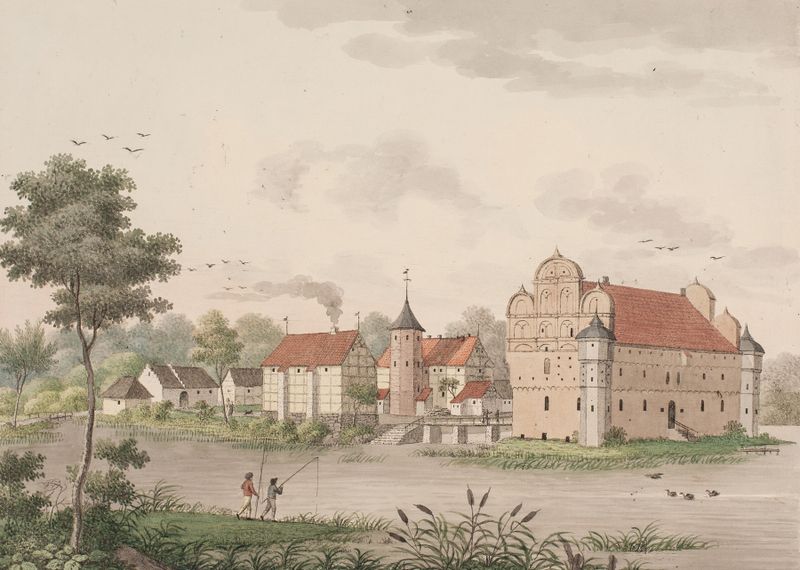
Hvedholm i egnen af Faaborg på Fyn — History & Facts
When did color learn to lie? In the world of art, decay often hides beneath the surface, breathing a quiet, poignant truth. Look closely at the foreground, where a patchwork of muted greens and browns unfolds. The trembling leaves and crumbling walls suggest an autumnal landscape, rich in transience. The choice of earth tones evokes an atmosphere that feels both nostalgic and foreboding, hinting at stories long forgotten.
Notice how the fading light casts elongated shadows, creating a stark contrast between the vibrant remnants of life and the encroaching presence of decay. Delve deeper into the painting's subtleties: the distant trees, their branches nearly bare, symbolize loss while still holding onto the last whispers of life. The dilapidated structure, possibly a farmhouse, hints at human presence, a reminder of what was once vibrant but now stands in quiet resignation. This duality of beauty and deterioration encapsulates the inevitable passage of time, inviting contemplation on the lifecycle of not just nature, but humanity itself. Søren L.
Lange painted this work between 1802 and 1803, during a period when Romanticism was gaining momentum in Denmark. He was exploring the relationship between nature and humanity, often reflecting the changing landscapes around him. This painting emerged as Lange sought to capture not only the physical beauty of his surroundings but also the emotional resonance of decline, echoing the sentiments of a society grappling with its own transformations.
More Artworks by Søren L. Lange
Browse all →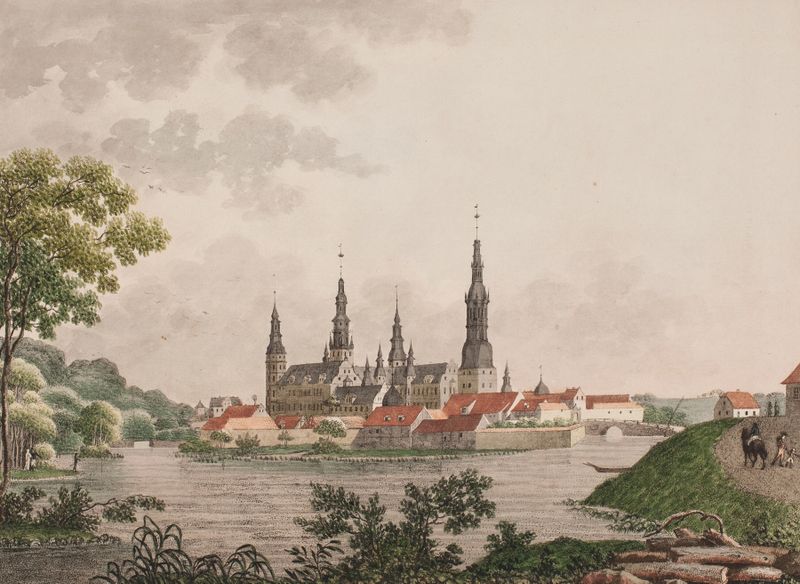
Prospekt af det kongelige slot Frederiksborg på Sjælland
Søren L. Lange
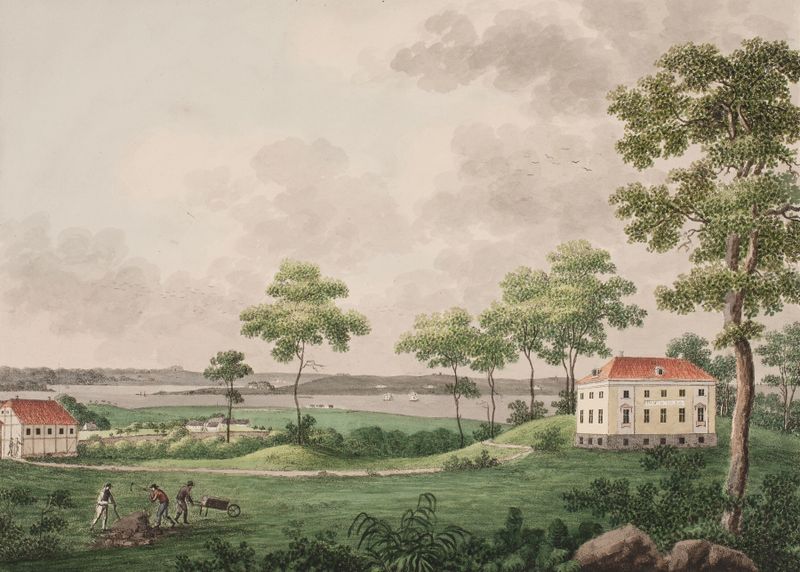
Udsigt af en Parcelle ved Grønsund på Falster under det Classenske Agerdyrknings Institut
Søren L. Lange
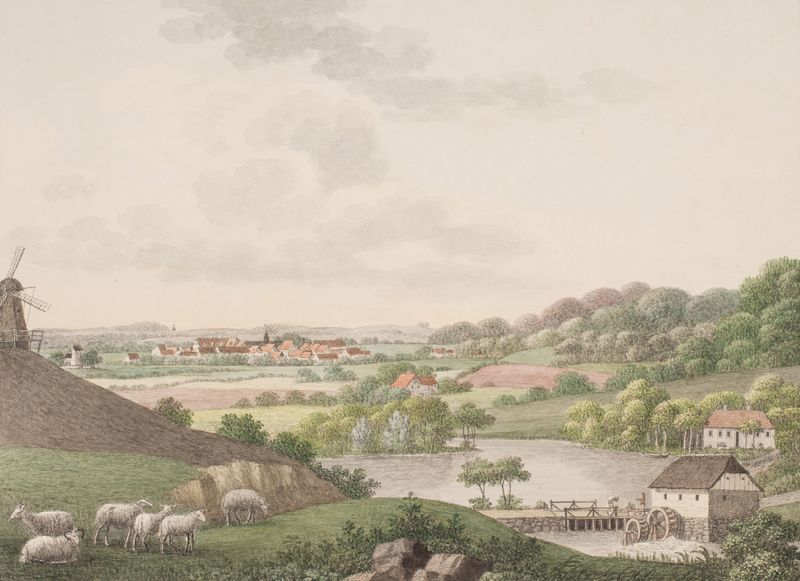
Christiansfeld, fra den østlige side
Søren L. Lange
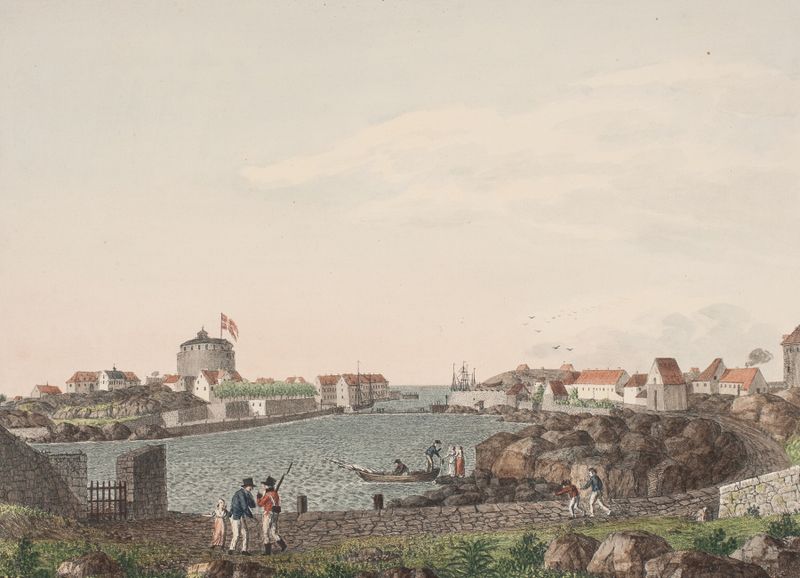
Christiansø. Nordhavnen
Søren L. Lange
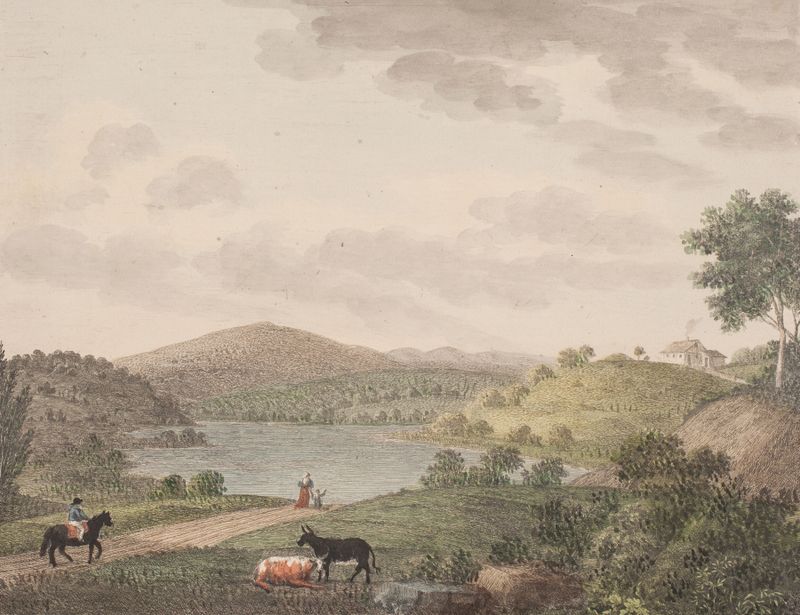
Aborrebjerget. En udsigt på Møn
Søren L. Lange
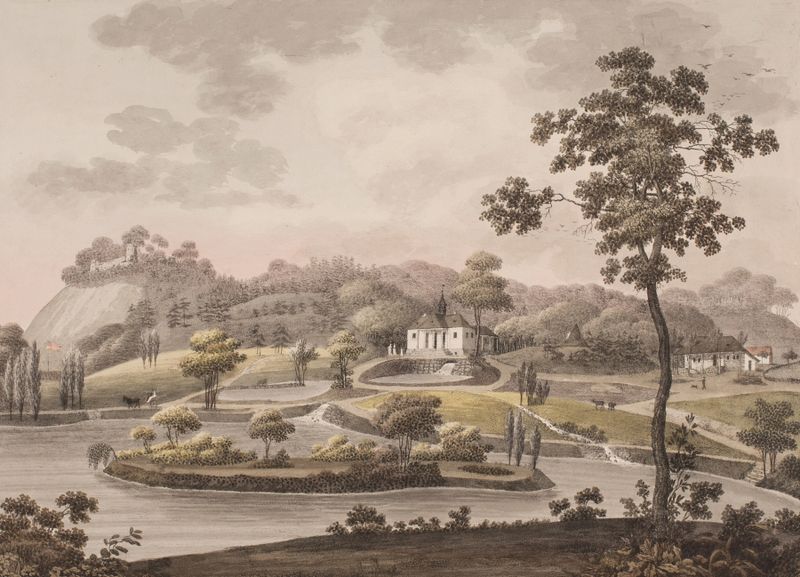
Liselund på Møn i Danmark
Søren L. Lange
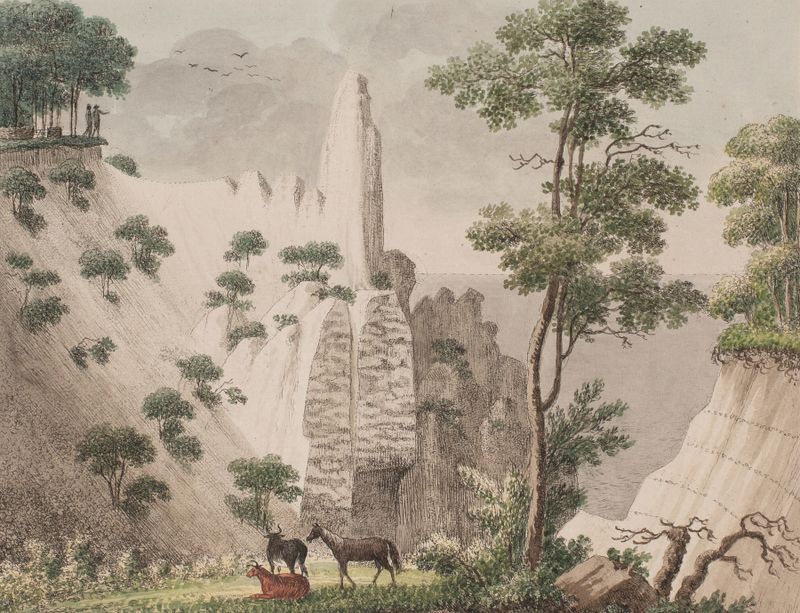
Udsigt af Sommerspiret i kridtbjergene på Møn
Søren L. Lange
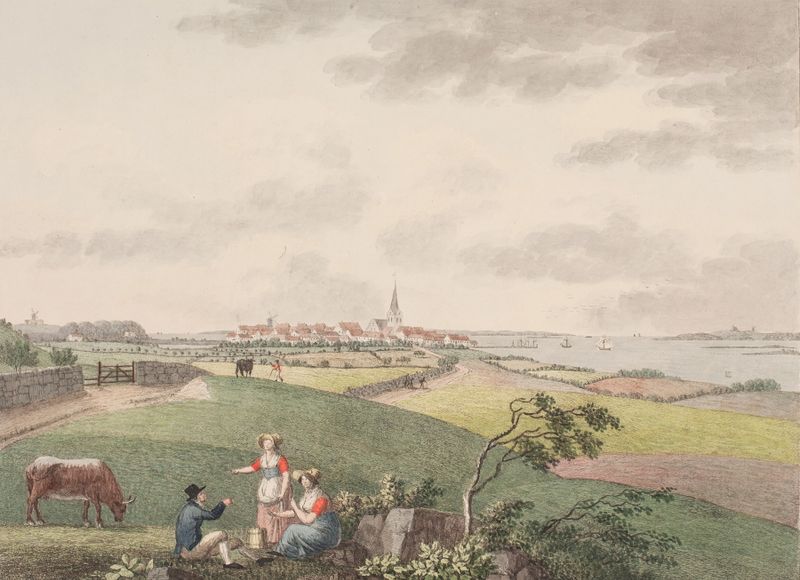
Rudkøbing på Langeland
Søren L. Lange
Hesselagergaard på Fyn
Søren L. Lange
En udsigt ved Liselund på Møen
Søren L. Lange





