
Im Elb-Sandsteingebirge — History & Facts
Could beauty survive in a century of chaos? Look closely at the mountainous expanse that unfolds in this work, where the rugged peaks rise dramatically against a soft, overcast sky. Notice how the earthy browns and greens of the terrain blend seamlessly, creating a sense of intimacy with the landscape. The artist’s brushstrokes reveal the texture of the rock formations, inviting our gaze to wander along their undulating lines before settling on the tranquil water reflecting the muted colors of the heavens. As you delve deeper into the painting, an emotional tension emerges between the imposing cliffs and the serene water below.
The juxtaposition of the stark, unyielding rock and the gentle flow of the river evokes a sense of yearning, hinting at the eternal quest for solace amidst nature's grandeur. In the foreground, subtle details—a solitary tree, a few distant figures—speak to the isolation one might feel in such vast beauty, urging the viewer to contemplate their own place within it. In 1841, Anton Schiffer painted this piece during a period marked by both romanticism and burgeoning industrialization in Europe. The Elbe Sandstone Mountains, a site of natural beauty, served as both escape and inspiration for the artist as he grappled with the changing landscape around him.
This work reflects not only his artistic vision but also the collective spirit of a time striving to find balance between nature and the encroaching chaos of modernity.
More Artworks by Anton Schiffer
Browse all →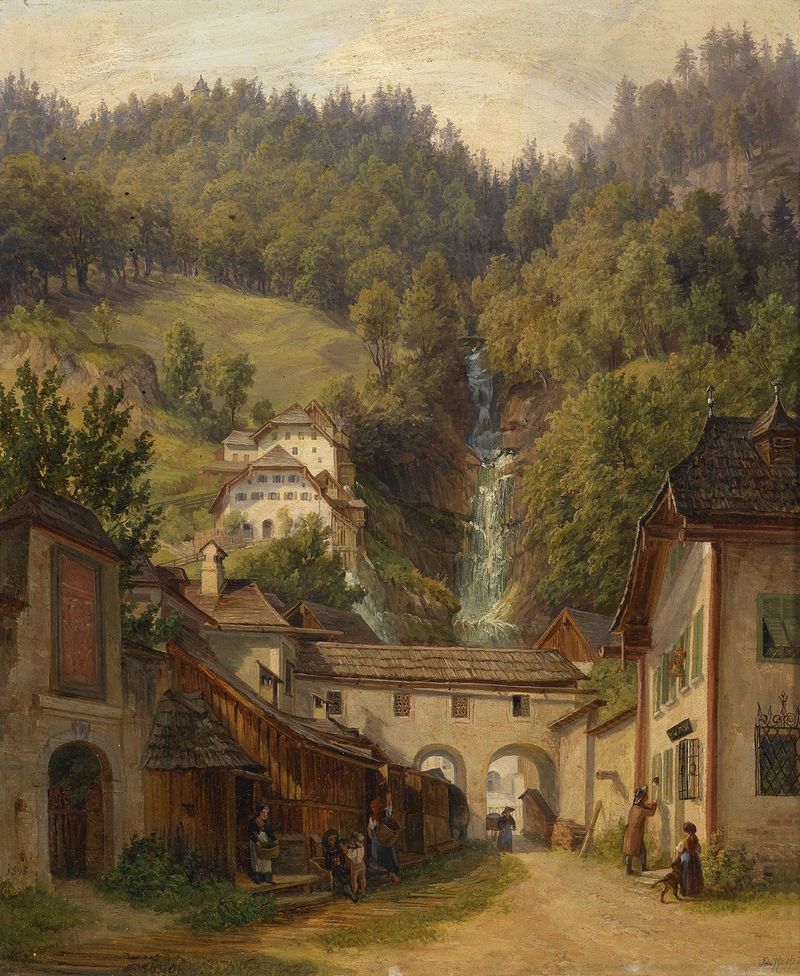
Motiv aus Hallstatt
Anton Schiffer
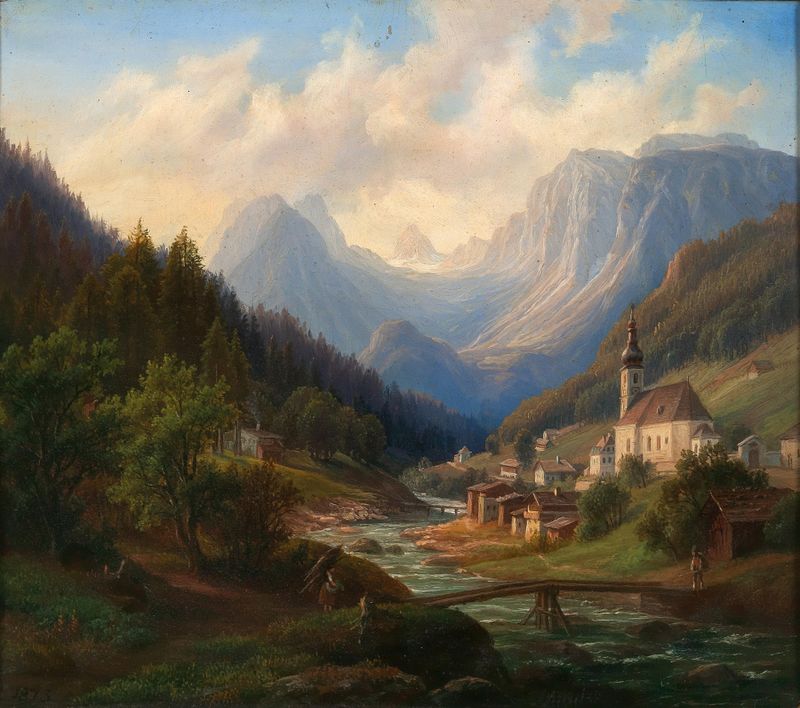
Fernsicht von der Ramsau bey Berchtesgaden gegen den Hirschbühel und Mühlsturzhörner
Anton Schiffer
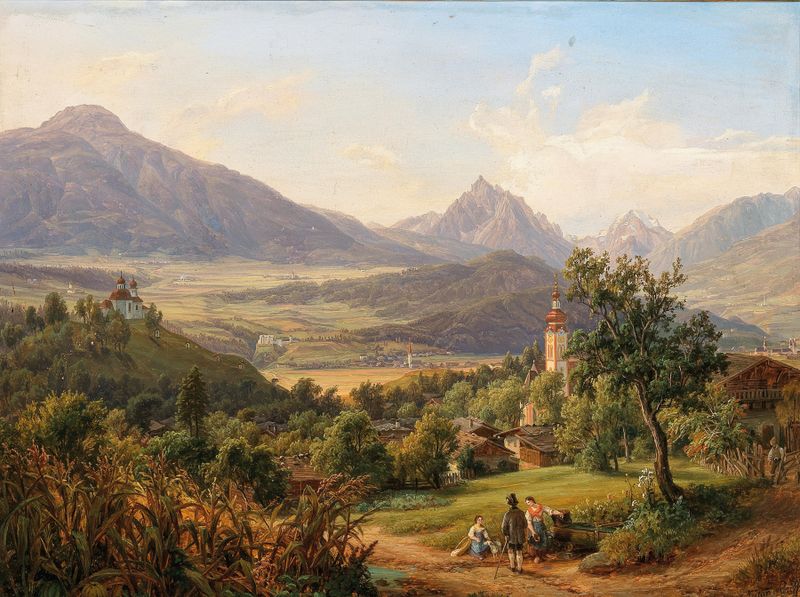
Dorf Arzl und der Kalvarienberg von Innsbruck mit Ansicht Schloß Anna, heiligen Wasser, der Waldraster-Spitze und kleinen Stubayer Ferner
Anton Schiffer
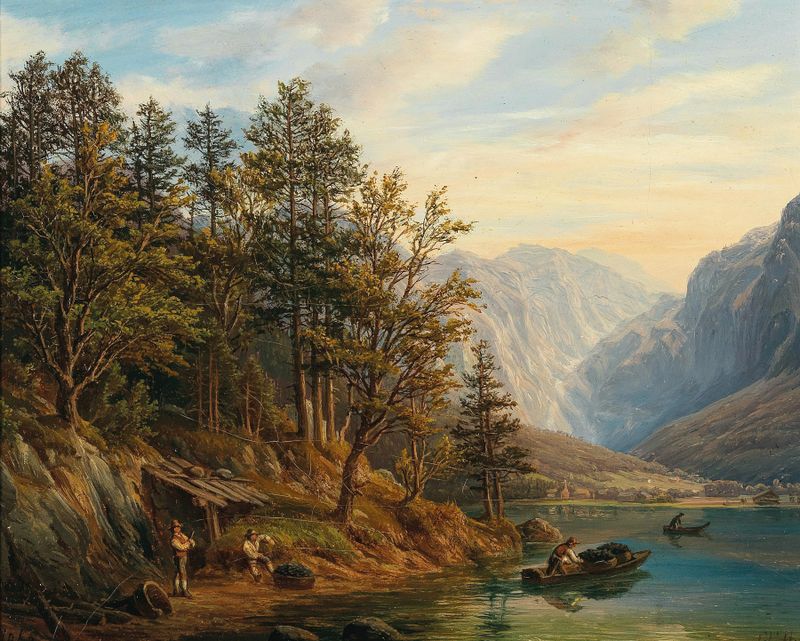
Partie vor Hallstatt nach Obertraun im Salzkammergute
Anton Schiffer
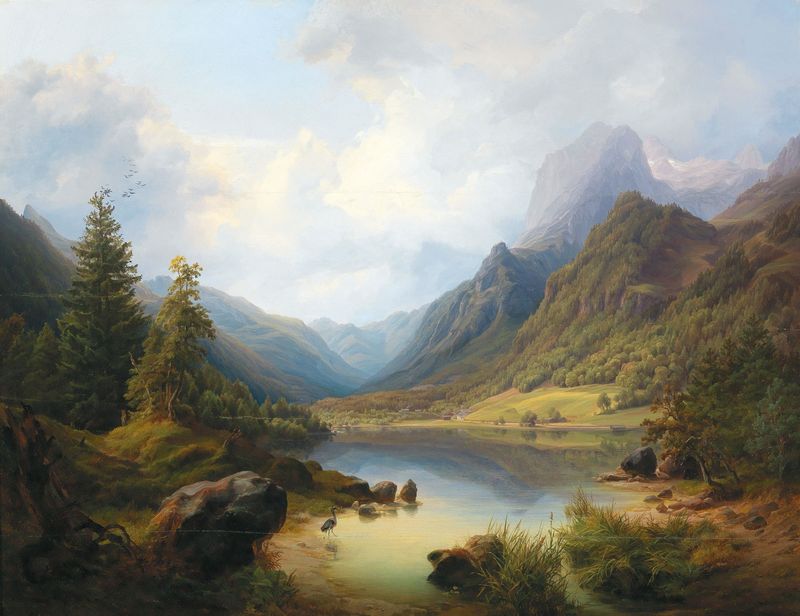
A View Of Hintersee With Reiteralm
Anton Schiffer
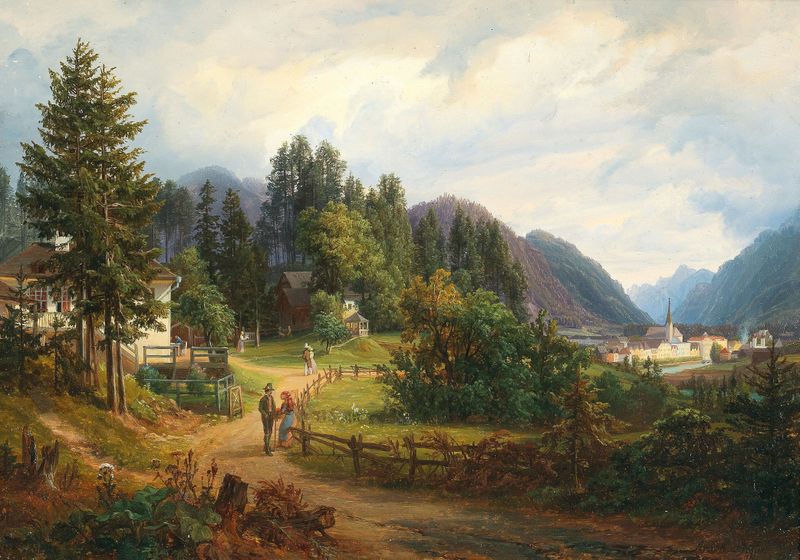
A View Of Bad Ischl
Anton Schiffer
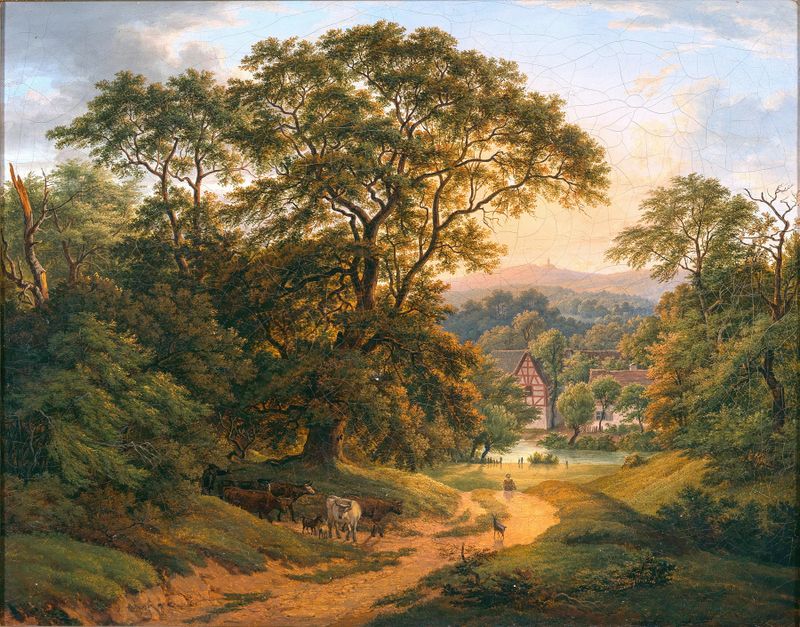
Eine Gegend bei Frankfurt, Schiffer
Anton Schiffer
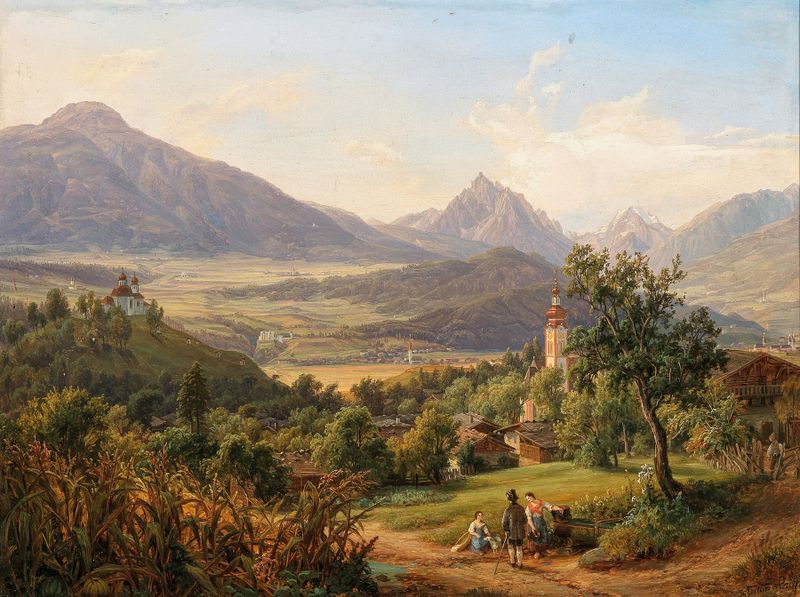
Dorf Arzl und der Kalvarienberg von Innsbruck mit Ansicht Schloß Anna, heiligen Wasser, der Waldraster-Spitze und kleinen Stubayer Ferner
Anton Schiffer
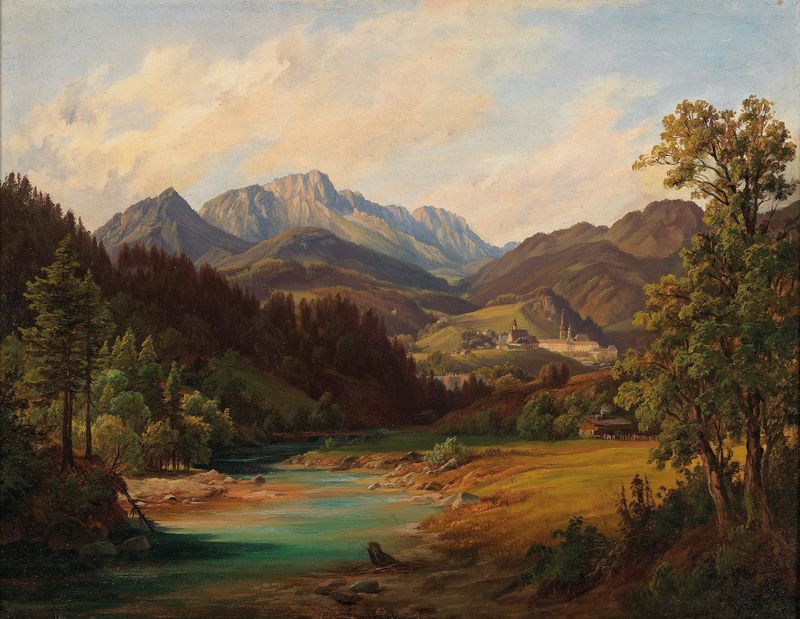
Landschaft Mit Kloster
Anton Schiffer
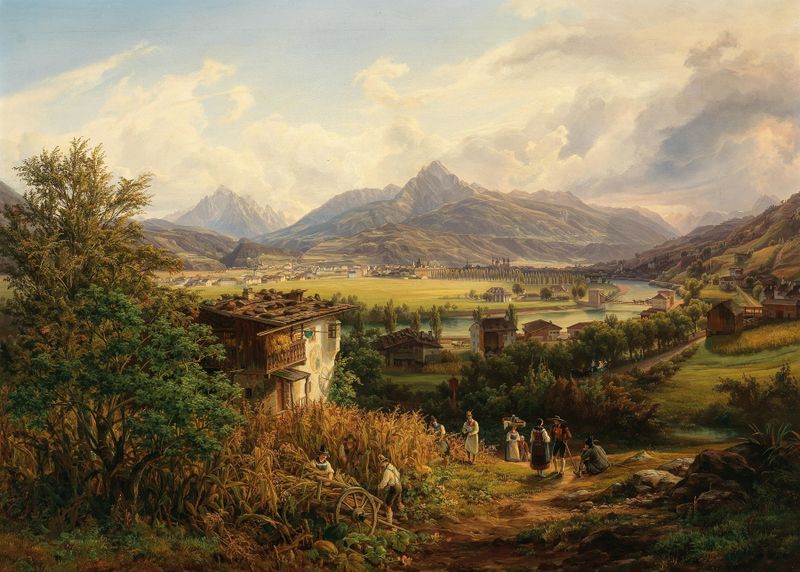
A View of Innsbruck
Anton Schiffer





