
In the Dolomites — History & Facts
In In the Dolomites, the formidable beauty of nature evokes an intricate dance between fear and awe, capturing the raw power of the mountains. Focus your gaze on the jagged peaks that dominate the canvas, their sharp outlines contrasting against a turbulent sky. The tumultuous clouds churn in shades of gray and blue, swirling with a sense of impending storm. Notice how the bold strokes of the brush convey movement, creating a visceral tension that pulls the viewer into the scene.
The subtle play of light on the snow-capped summits hints at both danger and serenity, revealing Kaufmann's mastery of color and texture. Amidst the grandeur, the painting subtly speaks to the underlying fear that nature instills in humanity. The looming mountains seem to challenge our insignificance, whispering of both beauty and peril. The way the light precariously clings to the edges of the peaks serves as a reminder of the fragility of life amidst such overwhelming power.
Each element coexists in a harmonious tension, reflecting the dichotomy of admiration and trepidation we often feel in the face of nature’s vastness. Karl Kaufmann painted In the Dolomites during a period when the art world was transitioning, influenced by the burgeoning Impressionist movement. Little is documented about his life at the time, but he was likely captivated by the breathtaking landscapes of the Dolomites, as artists began to explore the emotional resonance of their natural surroundings. The interplay of light and color in this work speaks to the artist's desire to convey not just the scenery, but the profound feelings it stirs within us.
More Artworks by Karl Kaufmann
Browse all →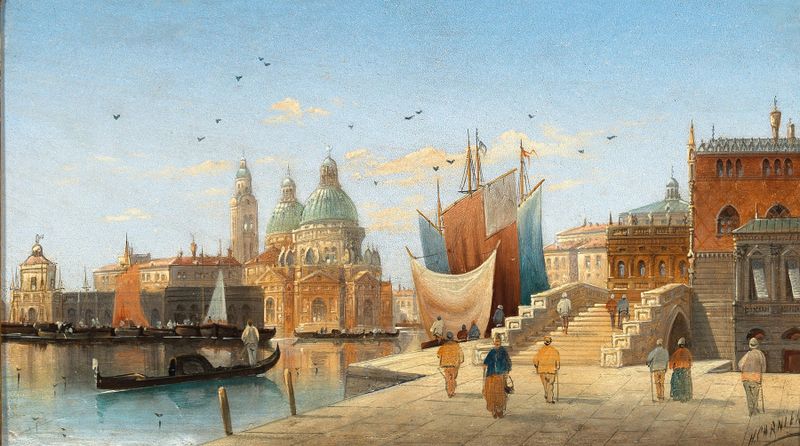
Venice, a View of Santa Maria della Salute
Karl Kaufmann
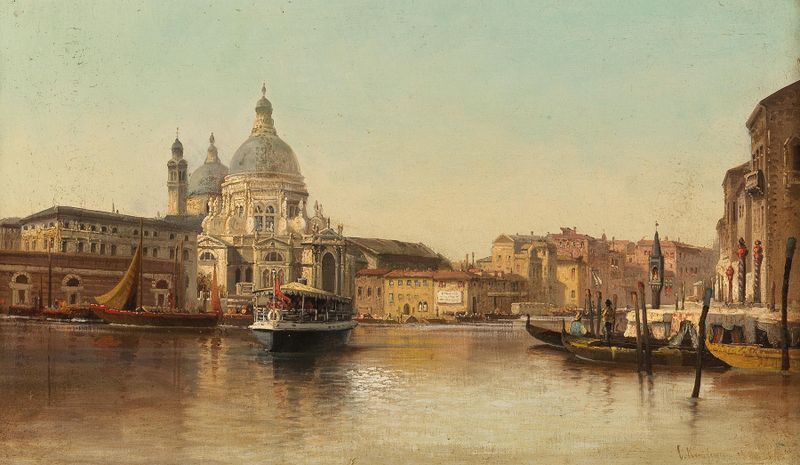
Venedig, Kanal Grande mit Blick auf Santa Maria della Salute
Karl Kaufmann
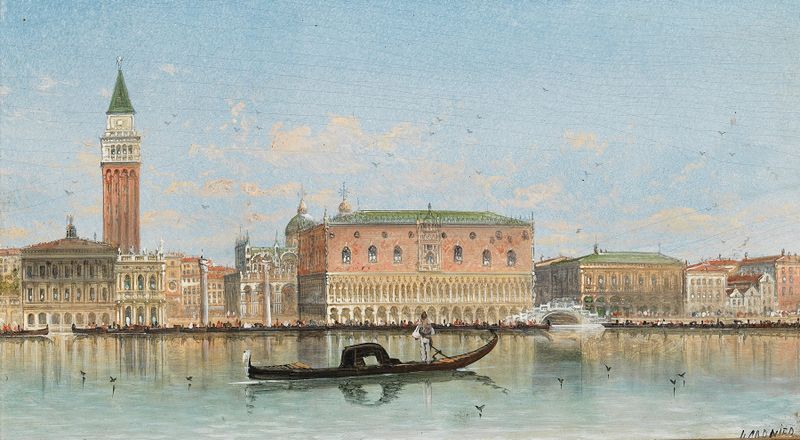
Venice, a View of St Mark’s Colum
Karl Kaufmann

Venedig Mit Santa Maria Della Salute
Karl Kaufmann
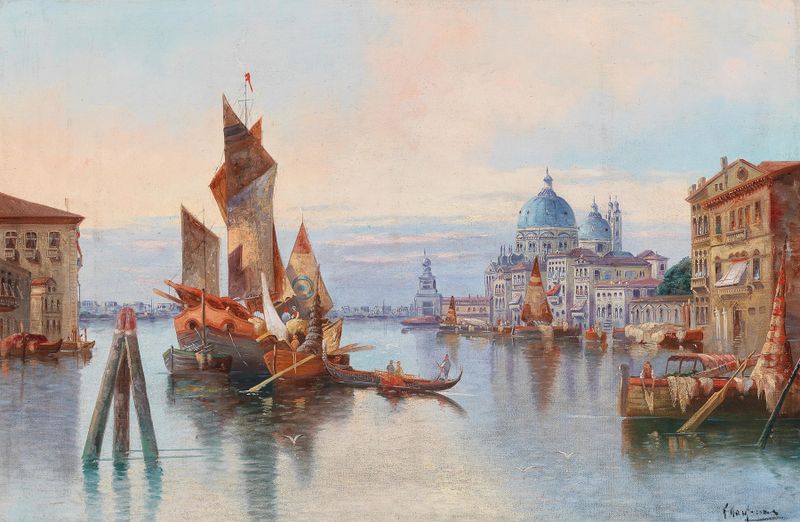
Venice, A View of Santa Maria della Salute
Karl Kaufmann
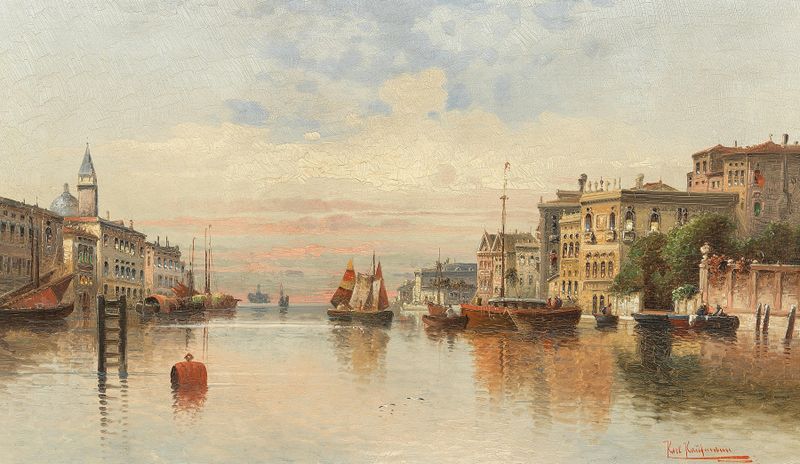
Venice, a View of a Canal
Karl Kaufmann

Fishermen By The Coast
Karl Kaufmann

Venice, Canal Scene
Karl Kaufmann
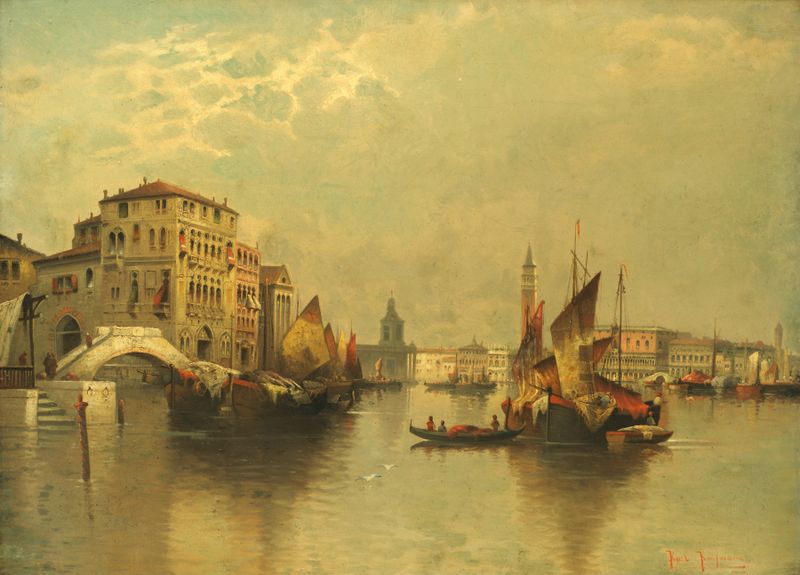
View of Venice
Karl Kaufmann
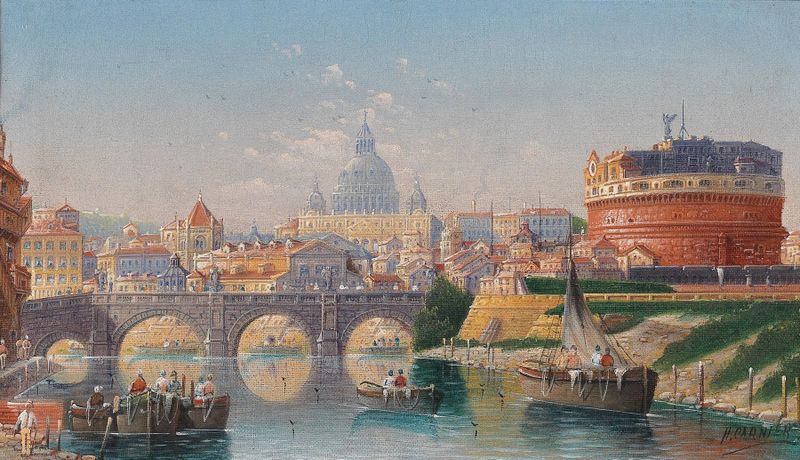
Rome, View Of The Castel Sant’angelo
Karl Kaufmann





