Inro — History & Facts
This sentiment resonates deeply when observing the intricate details of an object that transcends mere utility—a beautifully crafted inro, a traditional Japanese case that embodies elegance and function. Focus first on the exquisite surface texture, where delicate layers unfold like the petals of a flower. Notice how the warm hues of gold and crimson contrast sharply with the deep, dark lacquer, creating a radiant play of light that beckons the eye closer. Each compartment tells a story, showcasing intricate designs that hint at the skill of the craftsman and the cultural significance imbued within the object. Delve deeper into the motifs that grace its exterior, revealing symbolic representations that speak of nature, spirituality, and personal identity.
The imagery is not merely decorative; it reflects a rich tapestry of beliefs and traditions from a time when artisans seamlessly merged artistry with daily life. The balance of aesthetic beauty and practical design challenges the viewer to reconsider the boundaries between art and utility, emphasizing the profound connections we forge with the objects we cherish. This inro, crafted between 1700 and 1800 by an unknown artist, emerges from a period of flourishing art in Edo Japan. As the influence of Zen Buddhism permeated the culture, the artist participated in a rich dialogue between spirituality and craftsmanship.
This era was marked by a growing appreciation for decorative arts, as they provided insights into societal values and human experience, creating a legacy that endures through the ages.
More Artworks by Unknown Artist
Browse all →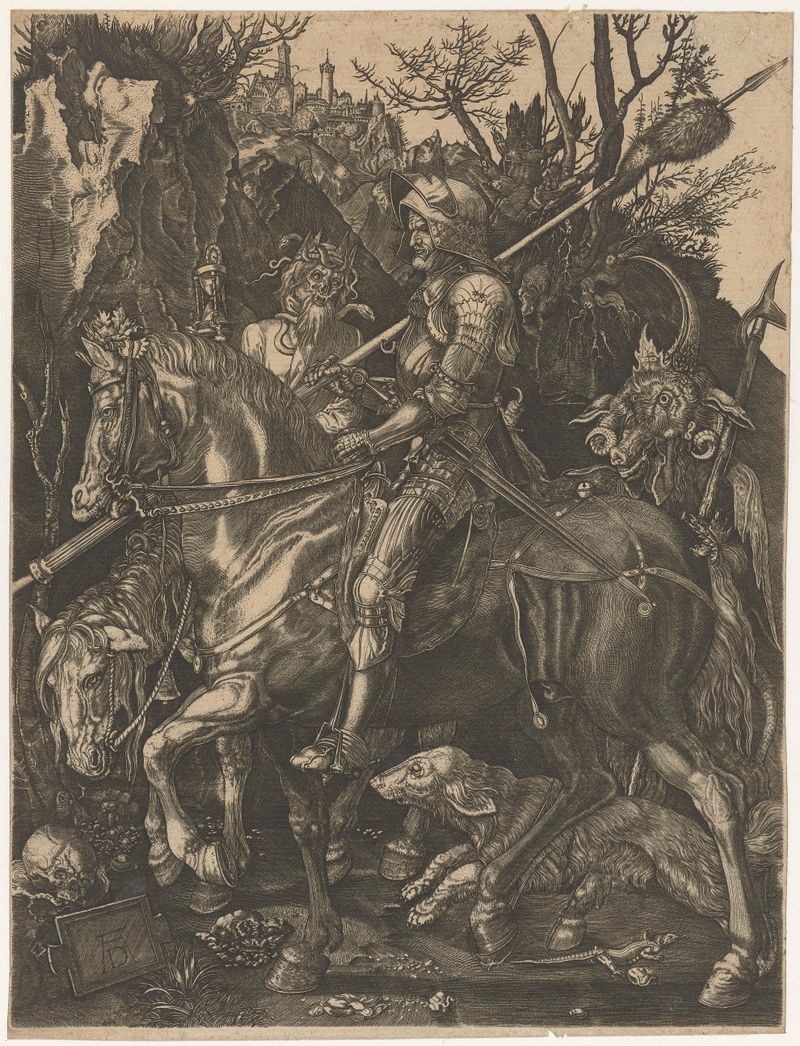
Ridder, Dood en Duivel
Unknown Artist
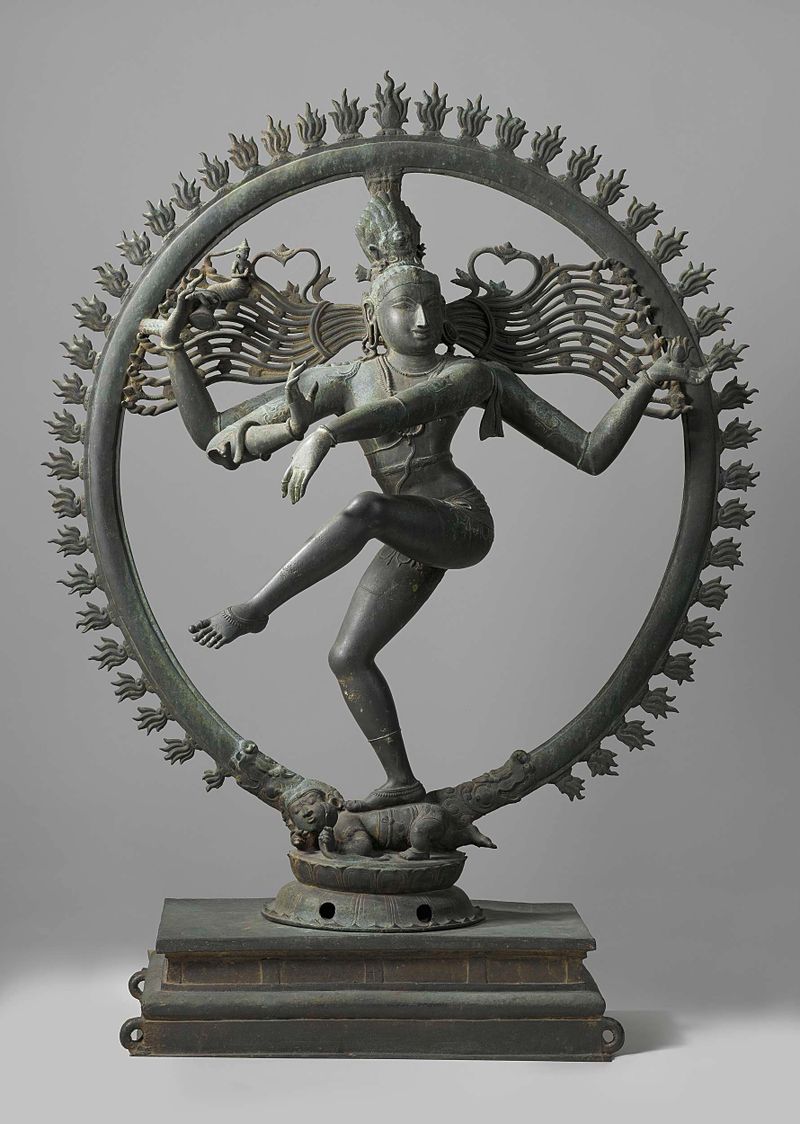
Shiva Nataraja
Unknown Artist
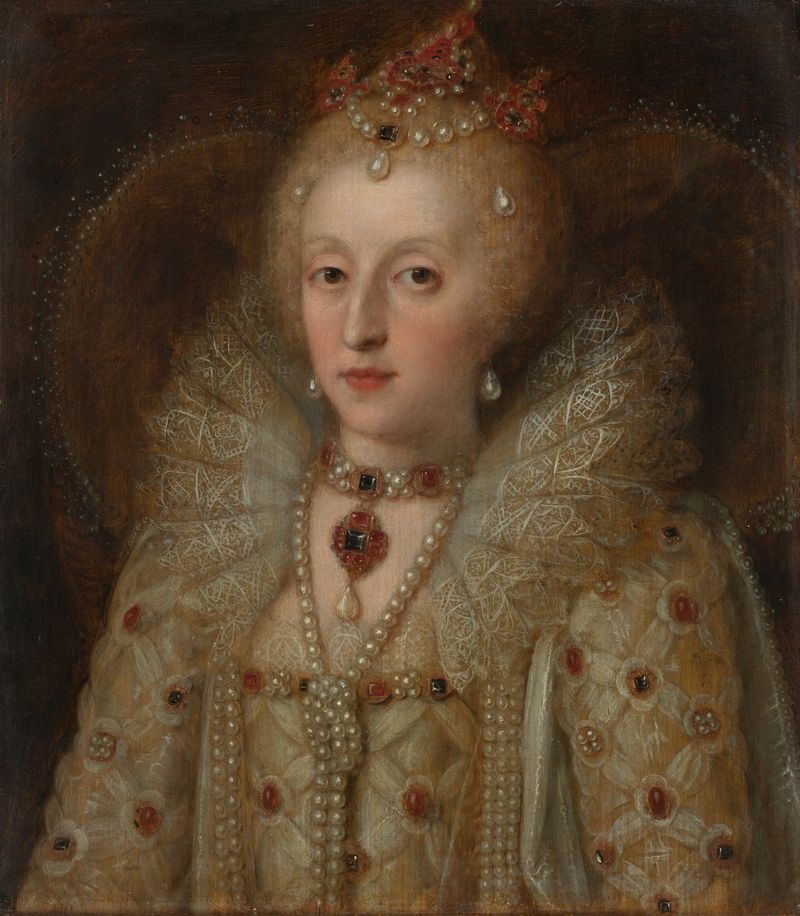
Portrait of Elizabeth I, Queen of England
Unknown Artist
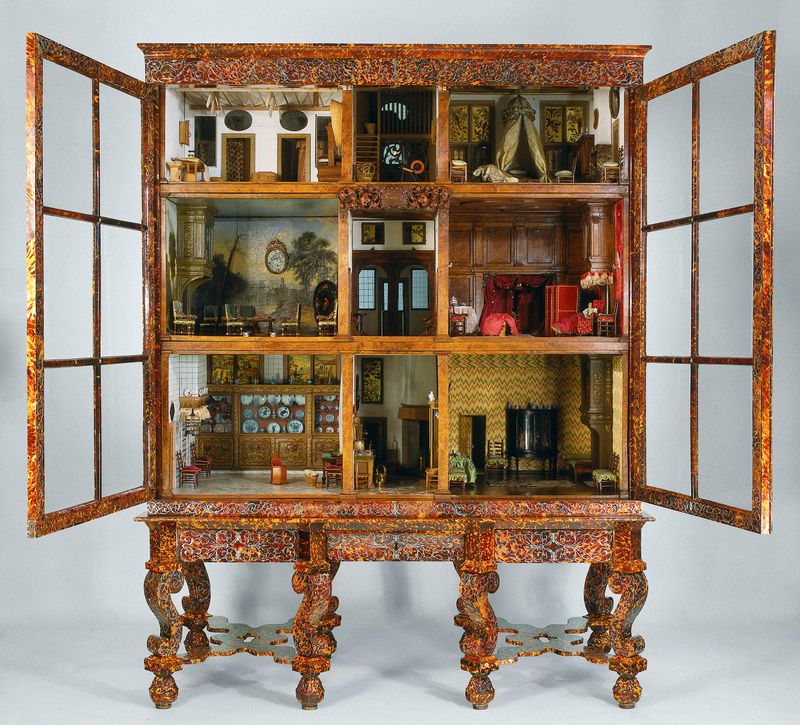
Dolls’ house of Petronella Oortman
Unknown Artist
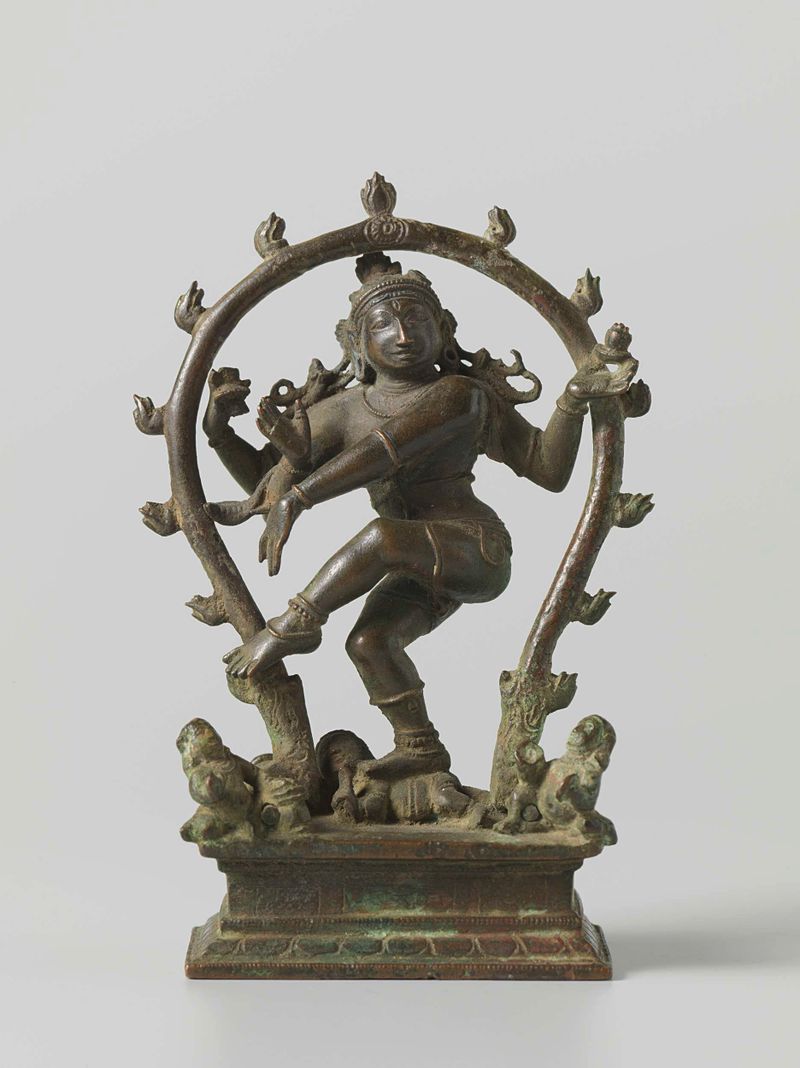
Shiva Nataraja
Unknown Artist

The Tale of Genji
Unknown Artist

The Tale of Genji
Unknown Artist

Cong
Unknown Artist
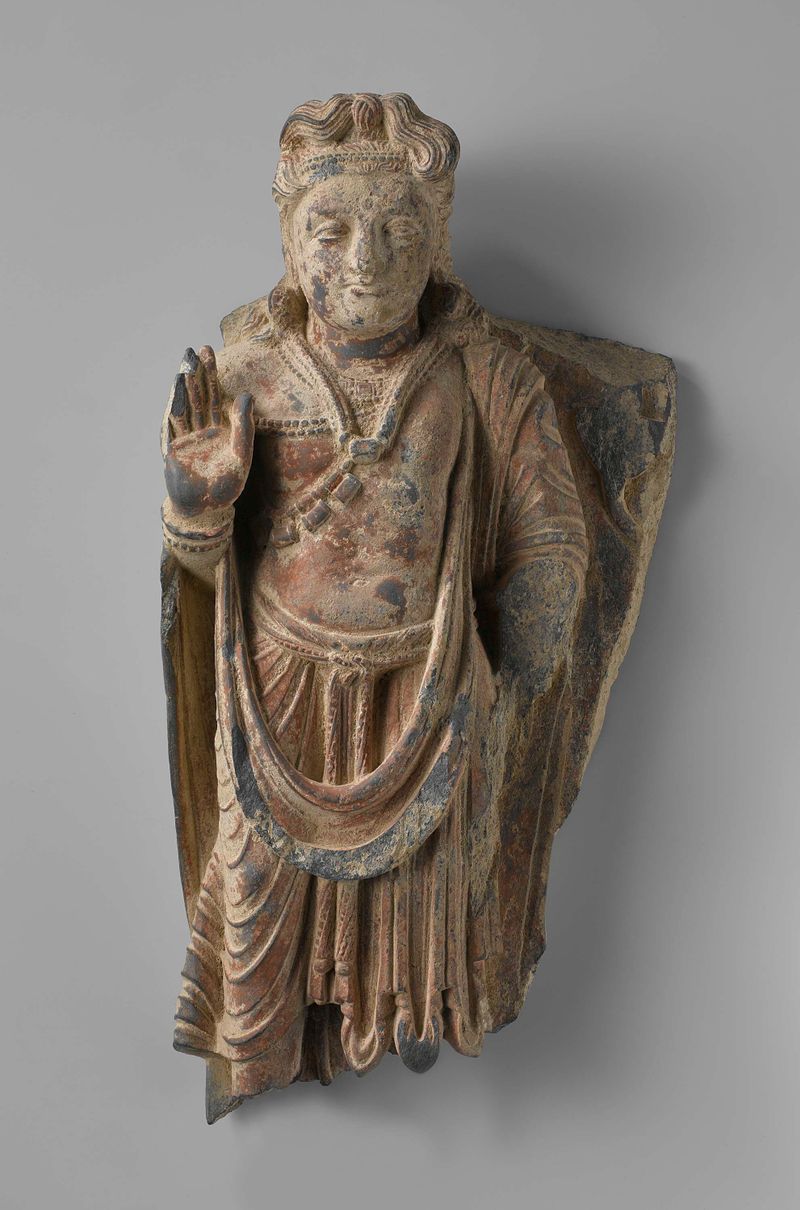
The bodhisattva Maitreya
Unknown Artist

Teabowl with a 'hare's fur' glaze
Unknown Artist