Inro — History & Facts
In Inro, color becomes a vessel, encapsulating the fleeting nature of memory and experience, a quiet rebellion against the relentless march of time. Look closely at the rich palette that dances across the surface, where deep indigos and vibrant reds intertwine. Notice how the delicate motifs are meticulously layered, with each hue telling a story of craftsmanship. The smooth, tactile quality of the inro invites the viewer to explore its textures, while the intricate designs are a testament to the skill involved in their creation, drawing your gaze toward the exquisite details that bring the piece to life. Beneath the surface lies a dialogue between tradition and innovation.
The interplay of color not only serves decorative purposes but hints at deeper cultural significances — perhaps representing status, memory, or a connection to one's heritage. Each motif may carry hidden tales of the past, suggesting an emotional weight that resonates beyond mere aesthetics. The viewer is left contemplating the relationship between the past and the present, as if the inro itself houses forgotten secrets waiting to be unveiled. This artwork emerged during a dynamic period in Japan, between 1700 and 1850, a time when the art of lacquerware flourished.
While the identity of the creator remains unknown, their work reflects a rich tradition influenced by both regional styles and the evolving tastes of the Edo period. The emphasis on color and texture speaks to a broader cultural appreciation for beauty and craftsmanship, a celebration of artistry amid a rapidly changing world.
More Artworks by Unknown Artist
Browse all →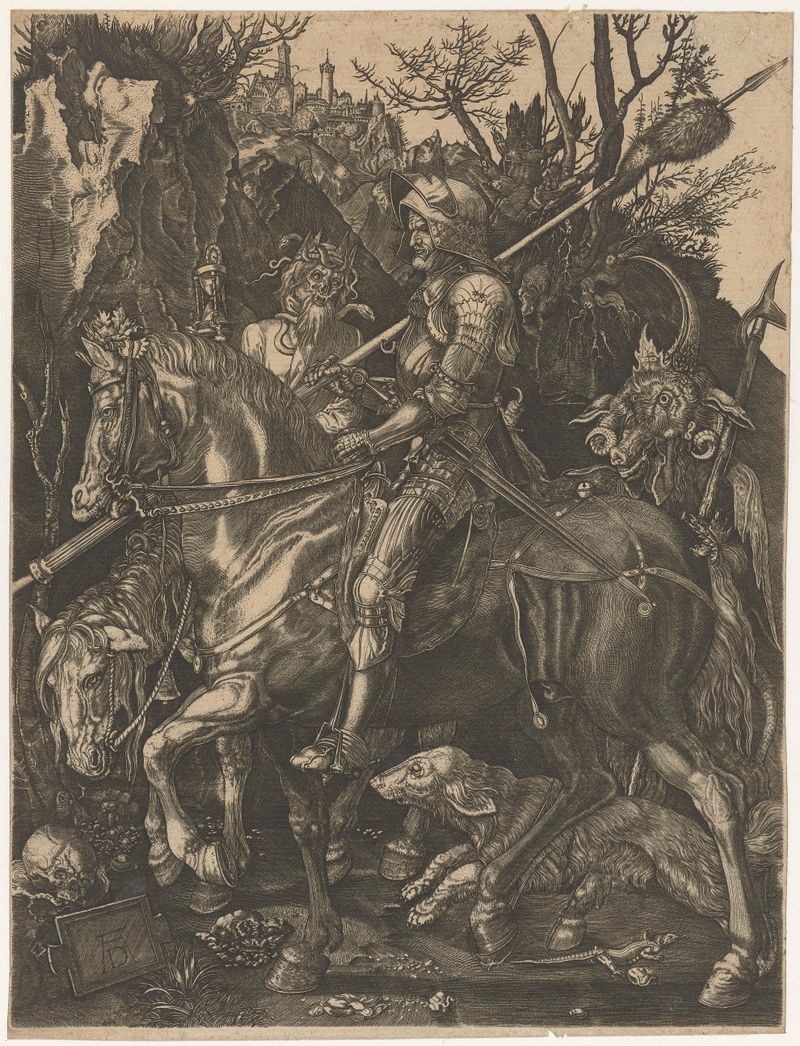
Ridder, Dood en Duivel
Unknown Artist
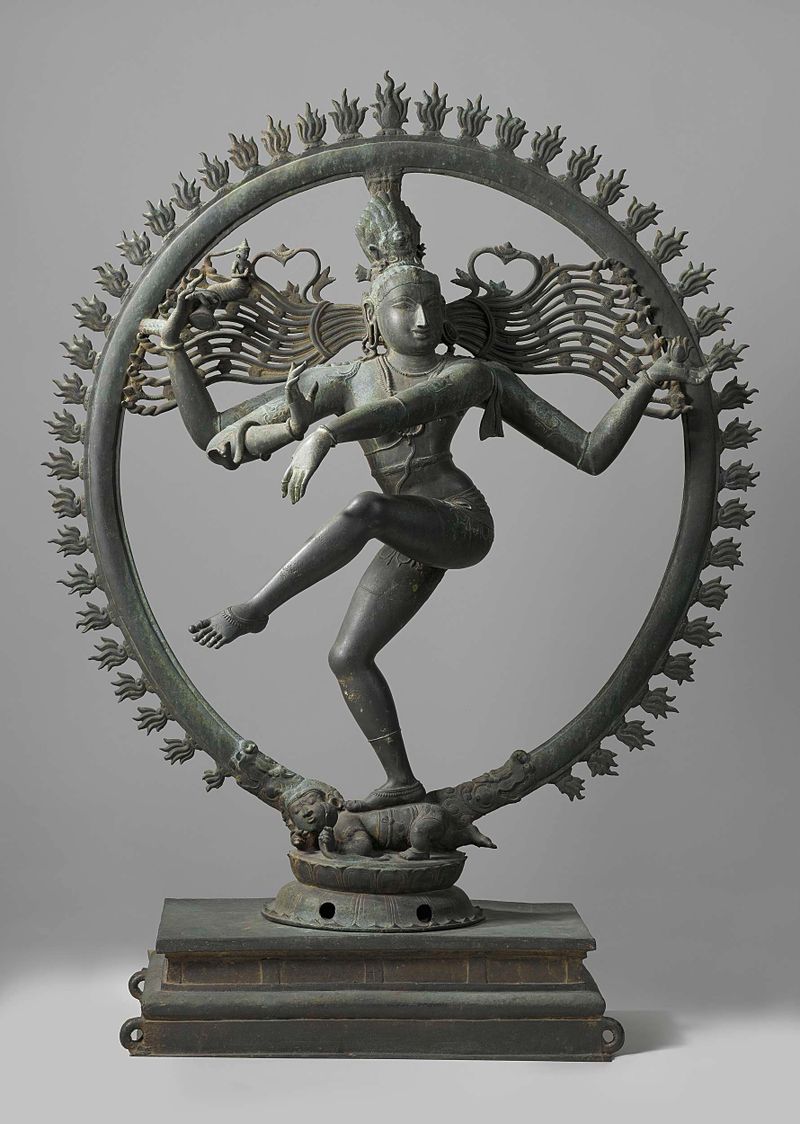
Shiva Nataraja
Unknown Artist
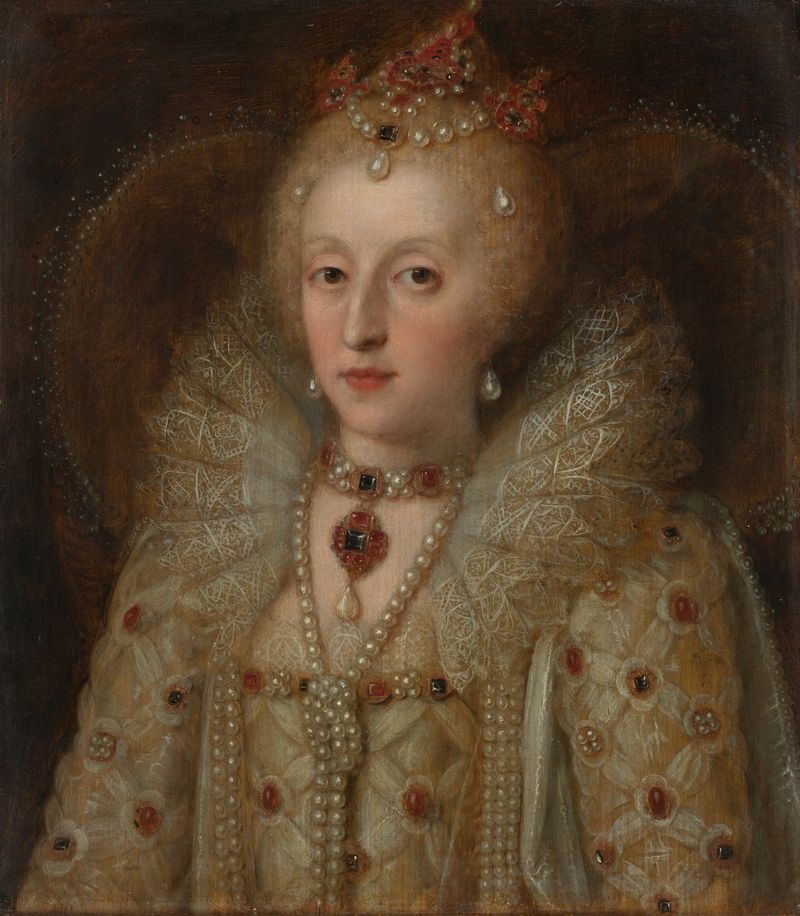
Portrait of Elizabeth I, Queen of England
Unknown Artist
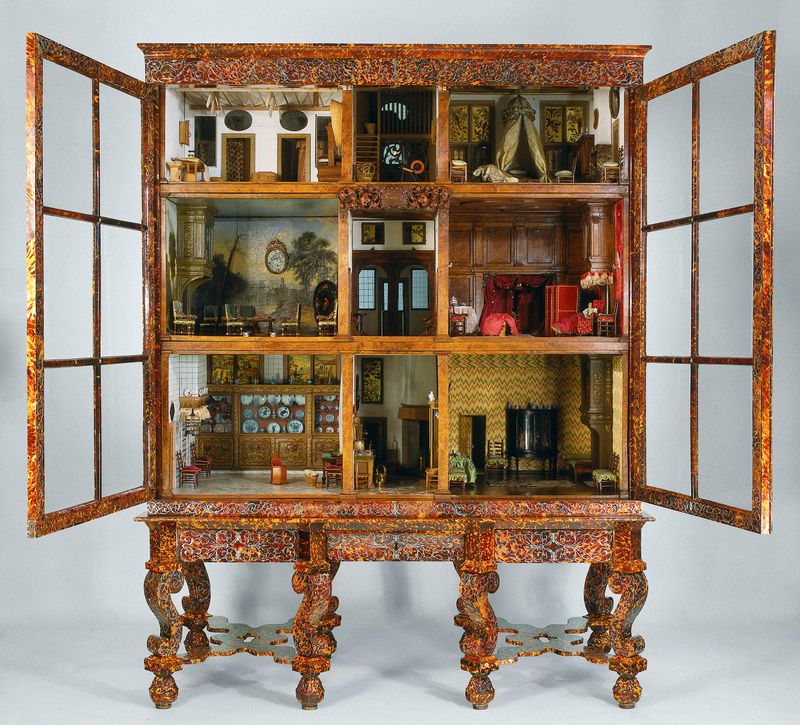
Dolls’ house of Petronella Oortman
Unknown Artist
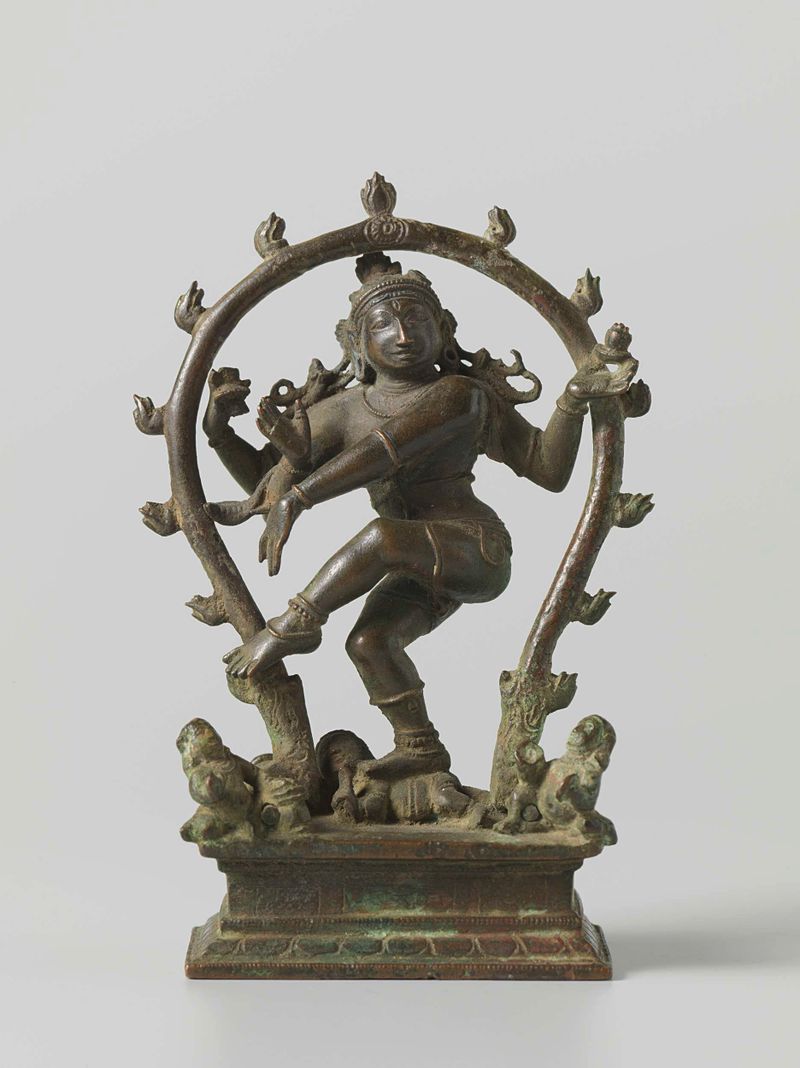
Shiva Nataraja
Unknown Artist

The Tale of Genji
Unknown Artist

The Tale of Genji
Unknown Artist
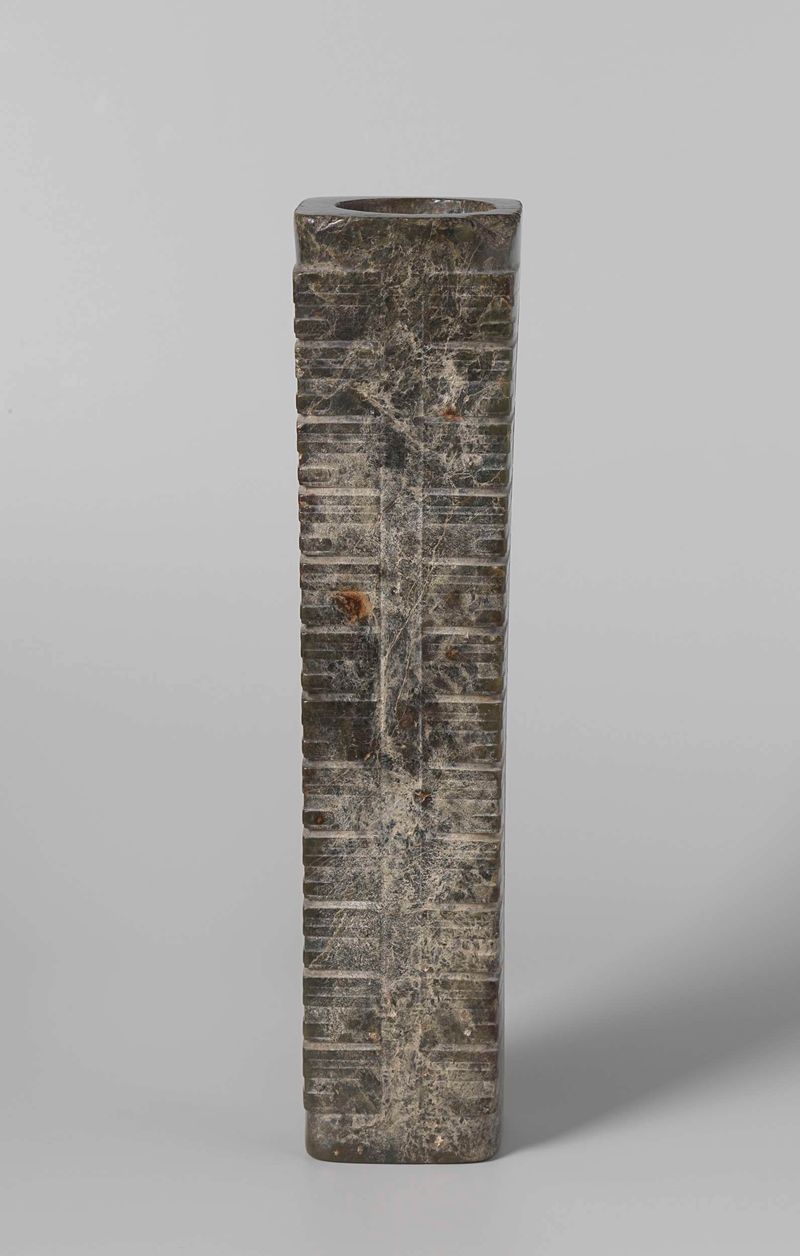
Cong
Unknown Artist
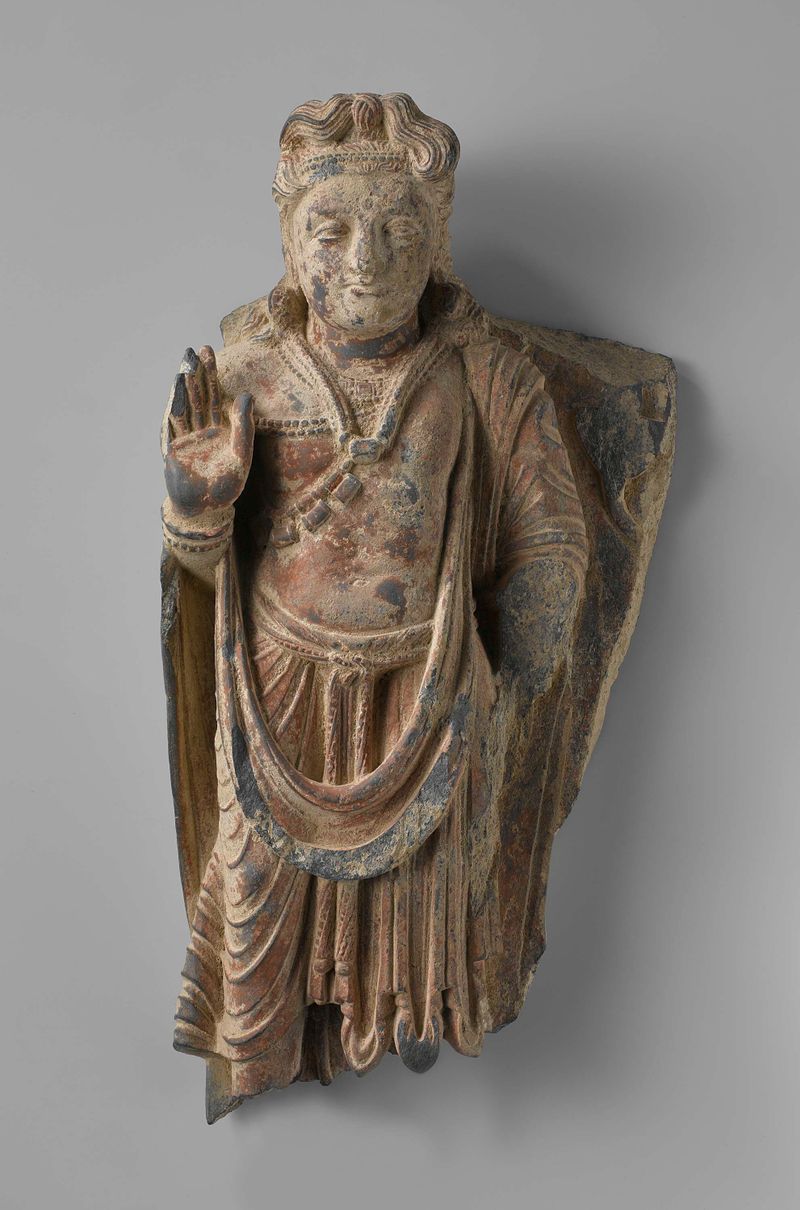
The bodhisattva Maitreya
Unknown Artist
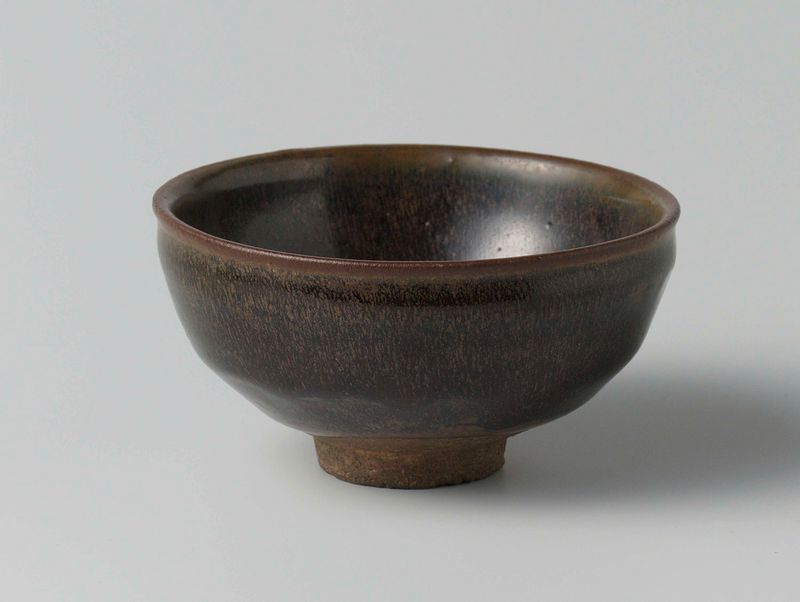
Teabowl with a 'hare's fur' glaze
Unknown Artist