Inro, bladeren — History & Facts
Can beauty exist without sorrow? The question lingers like a fading breeze, evoking the bittersweet nature of desire and betrayal. Look closely at the intricately painted inro, where a delicate interplay of colors invites your gaze. The vibrant hues of green and gold entwine with the subtle brushstrokes of deep crimson, creating an ornate tapestry that suggests both life and decay. Notice how the attention to detail in the gilded leaves captures the moment of natural splendor, while the intricate patterns hint at deeper stories waiting to be uncovered. Within this seemingly tranquil surface lies a tension: the juxtaposition of beauty and fragility.
Each leaf, now frozen in time, has endured unseen storms, suggesting the passage of time and the inevitability of loss. The vibrant colors embody a sense of fleeting joy, while the more muted tones whisper of the heart’s hidden tribulations, evoking an emotional landscape rich with longing and regret. This piece, crafted between 1700 and 1800 by an unknown artist, emerges from a time when Japan experienced a cultural renaissance, blending traditional aesthetics with emerging influences. The world of art was marked by shifts in perception, reflecting both the complexities of human relationships and the intricacies of nature.
In creating this inro, the artist captured not just the physical beauty of the natural world but also the emotional undercurrents that accompany the pursuit of beauty itself.
More Artworks by Unknown Artist
Browse all →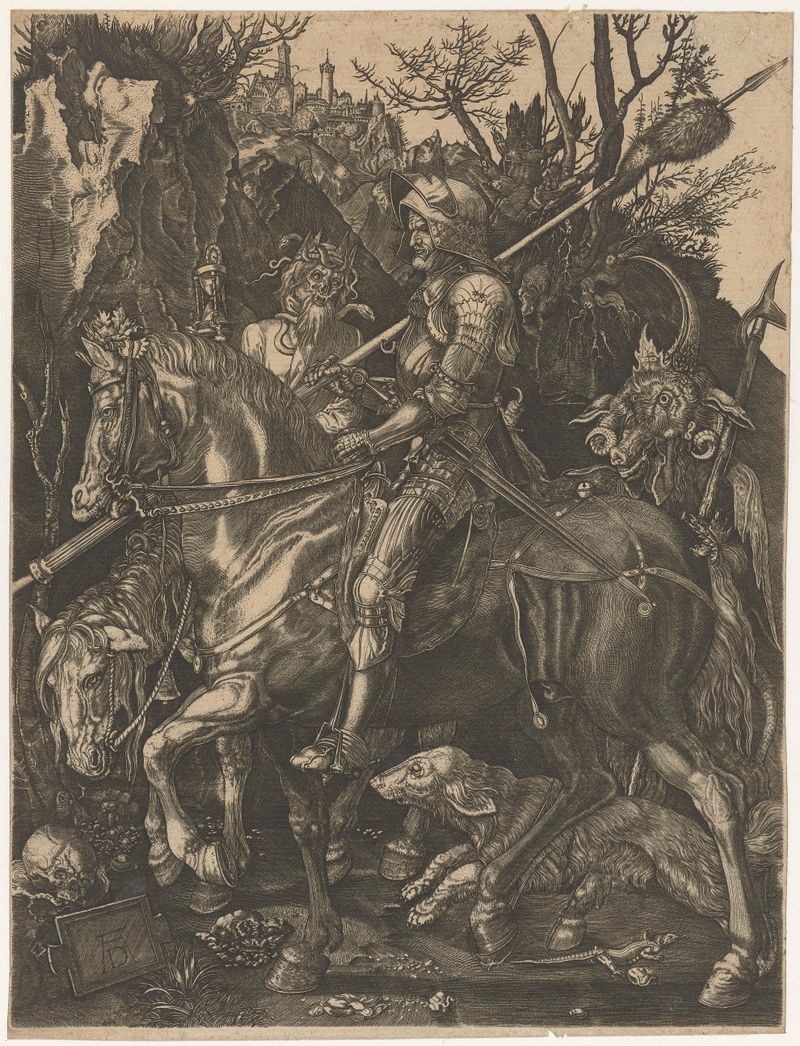
Ridder, Dood en Duivel
Unknown Artist
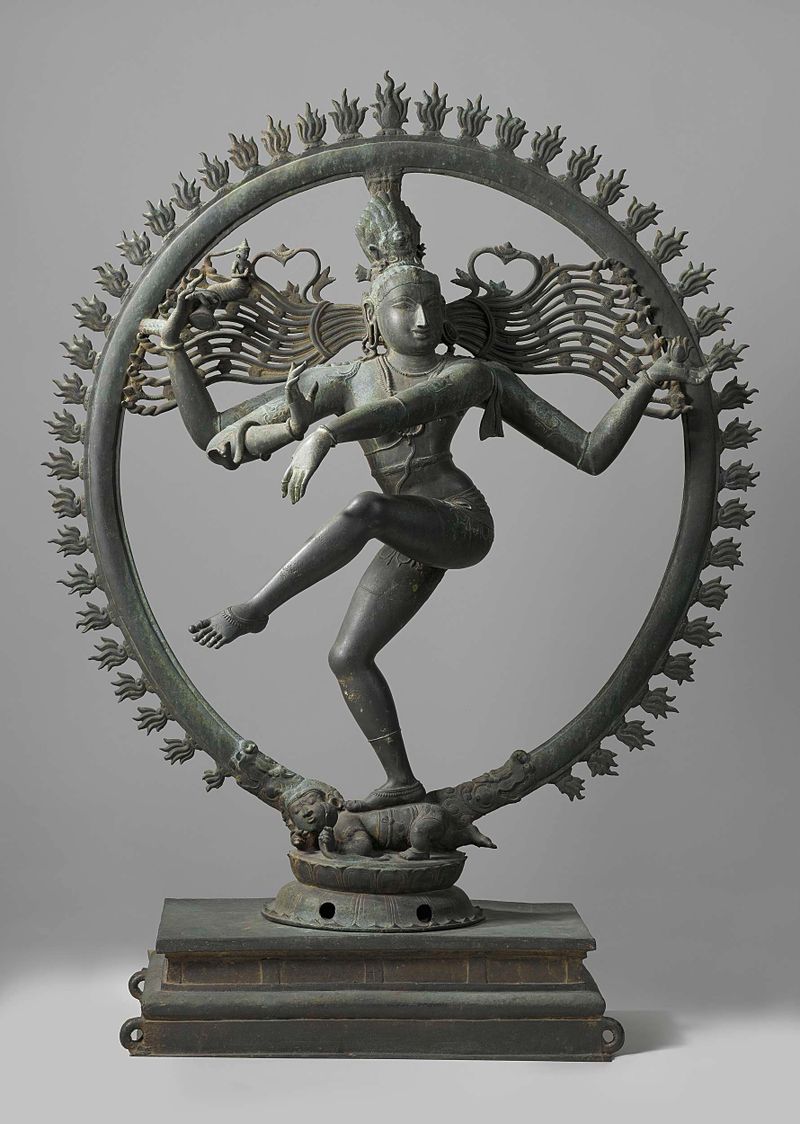
Shiva Nataraja
Unknown Artist
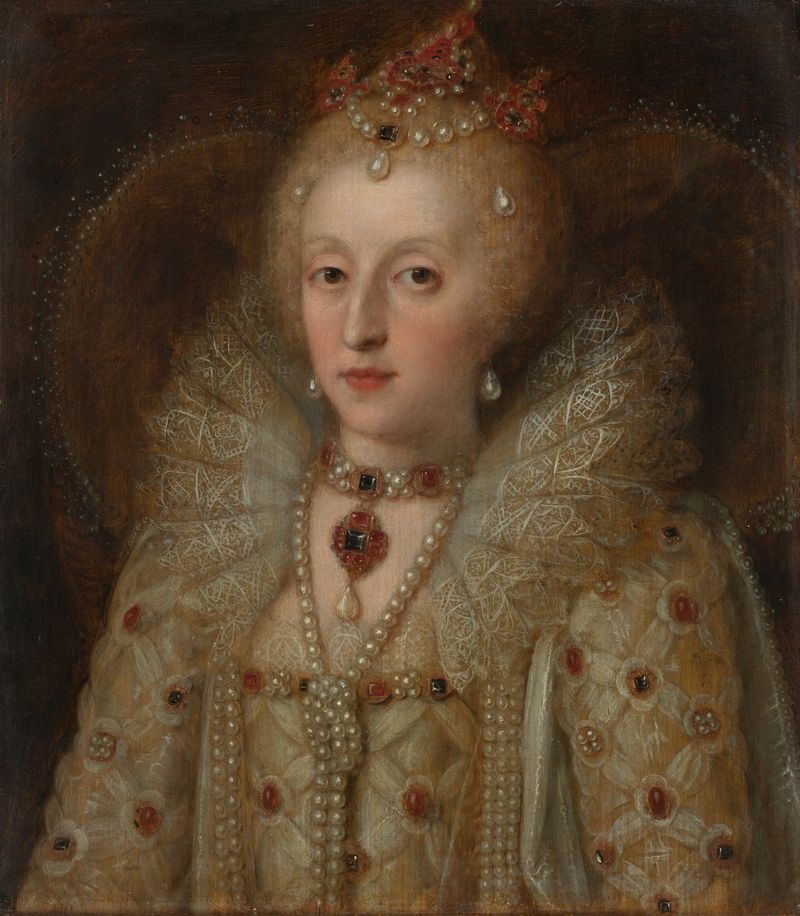
Portrait of Elizabeth I, Queen of England
Unknown Artist
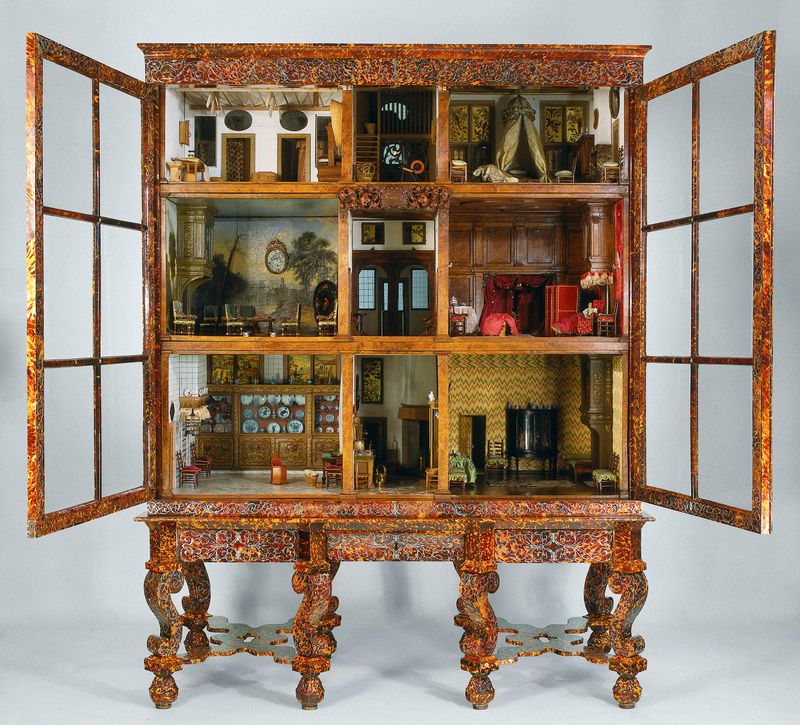
Dolls’ house of Petronella Oortman
Unknown Artist
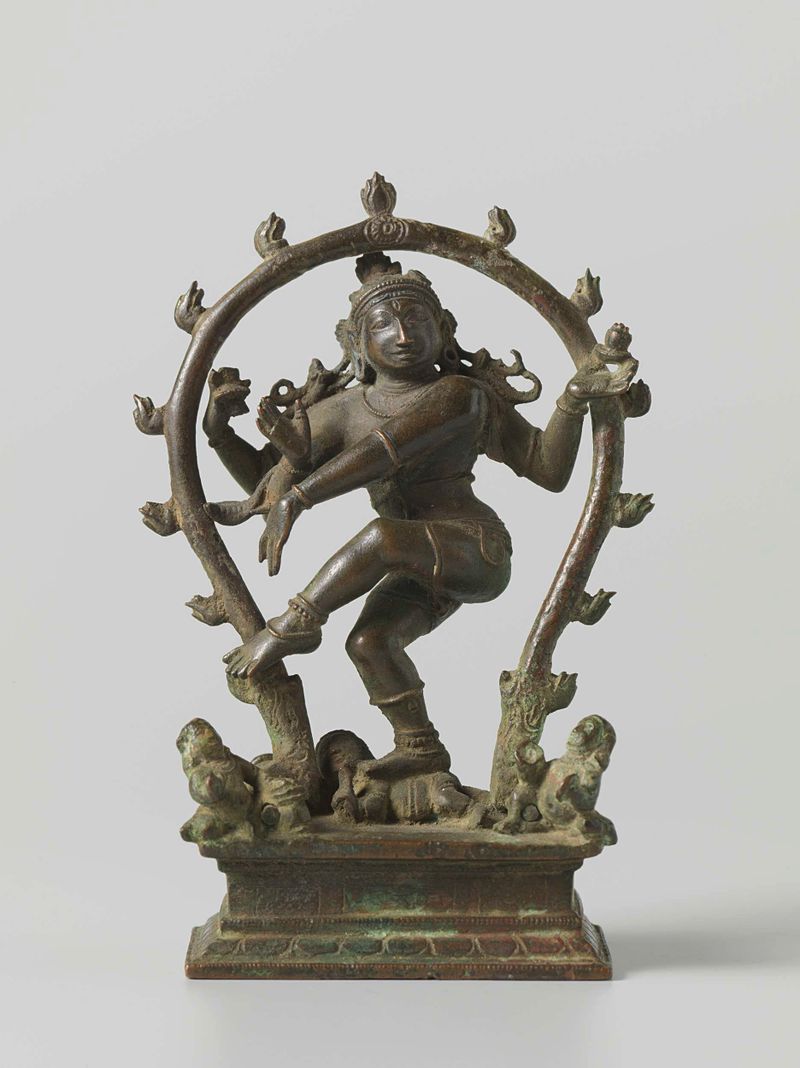
Shiva Nataraja
Unknown Artist

The Tale of Genji
Unknown Artist

The Tale of Genji
Unknown Artist
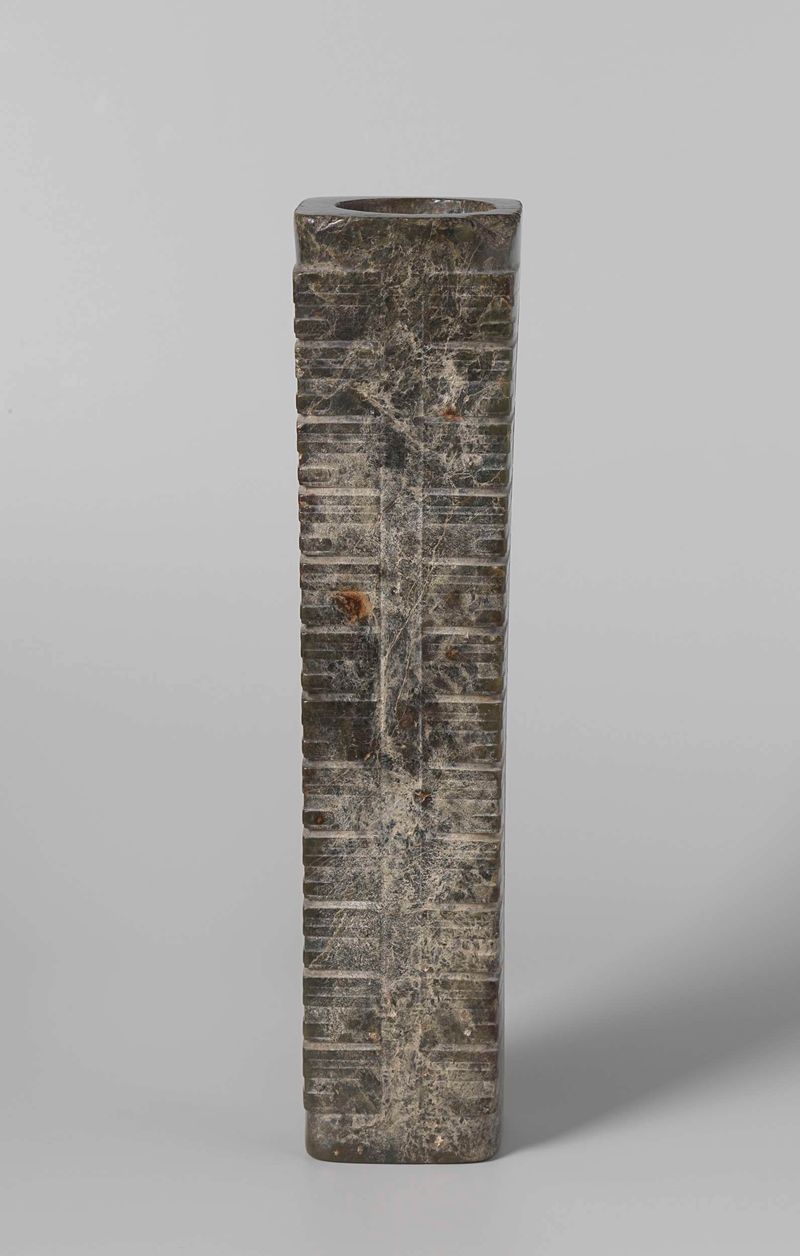
Cong
Unknown Artist
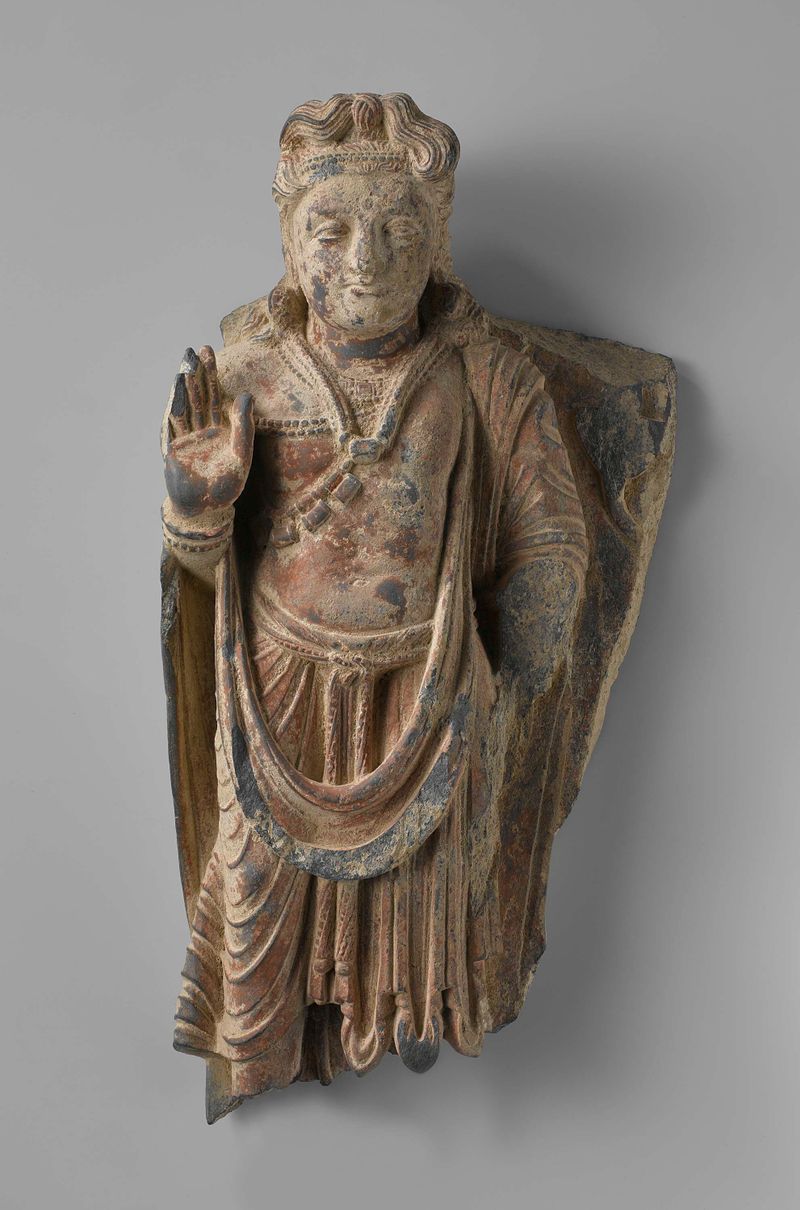
The bodhisattva Maitreya
Unknown Artist
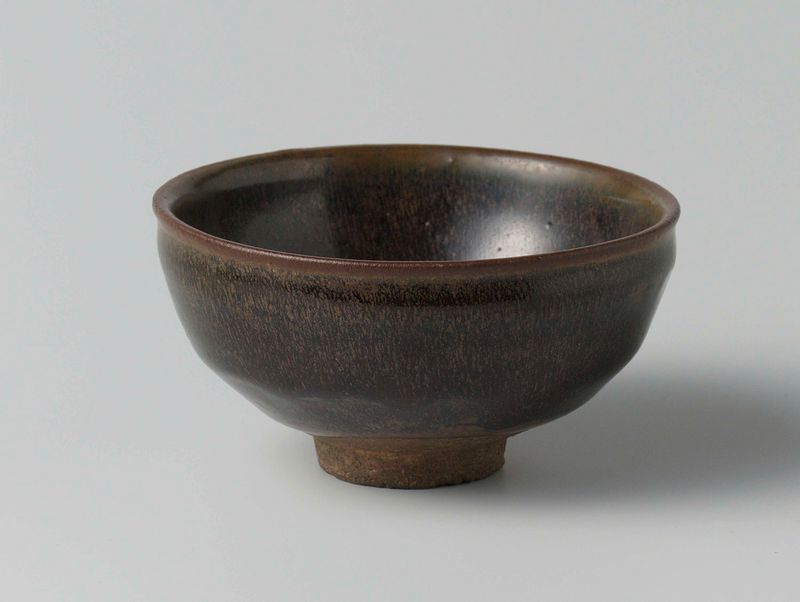
Teabowl with a 'hare's fur' glaze
Unknown Artist