Inro (seal case) — History & Facts
Is this a mirror — or a memory? The intricate craftsmanship of this inro invites contemplation, a blending of art and function that resonates through time. Focus first on the delicate surfaces, where layers of lacquer create a luminous, almost ethereal quality. Observe the meticulously painted scenes that adorn the exterior, each stroke revealing a narrative that breathes life into the object. The colors, rich and harmonious, transition seamlessly from deep reds to vibrant golds, echoing the natural world while captivating the eye. Within this exquisite piece lies a contrast between fragility and permanence.
The inro, designed to hold small items, speaks to the transience of memory, while its robust craftsmanship ensures it withstands the test of time. Look closely, and you might uncover hints of symbolism — perhaps the flowers or creatures depicted represent fleeting beauty or deeper connections to nature, inciting awe in their ephemeral yet enduring existence. Created between 1700 and 1850, this piece emerges from a period of flourishing Japanese art, influenced by the Edo period's rich culture and trade. With anonymity shrouding the artist, the work stands not just as a singular achievement but as a testament to the collective innovation of a time when decorative arts were cherished, and craftsmanship reached new heights.
More Artworks by Unknown Artist
Browse all →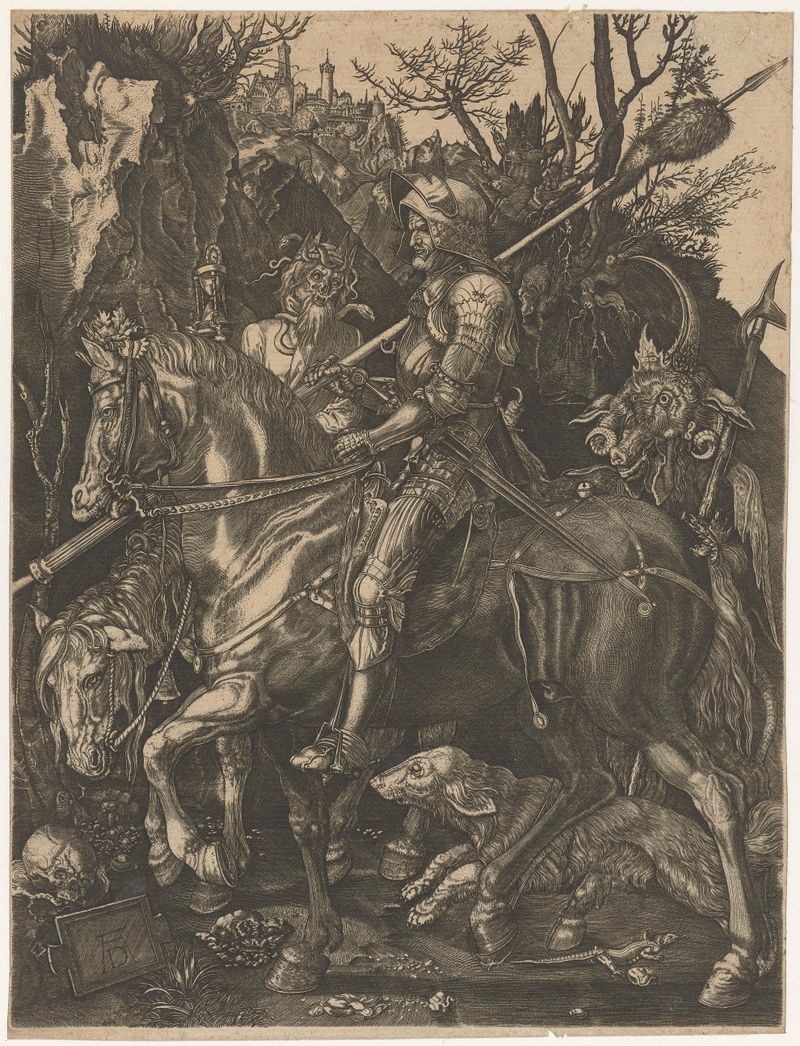
Ridder, Dood en Duivel
Unknown Artist
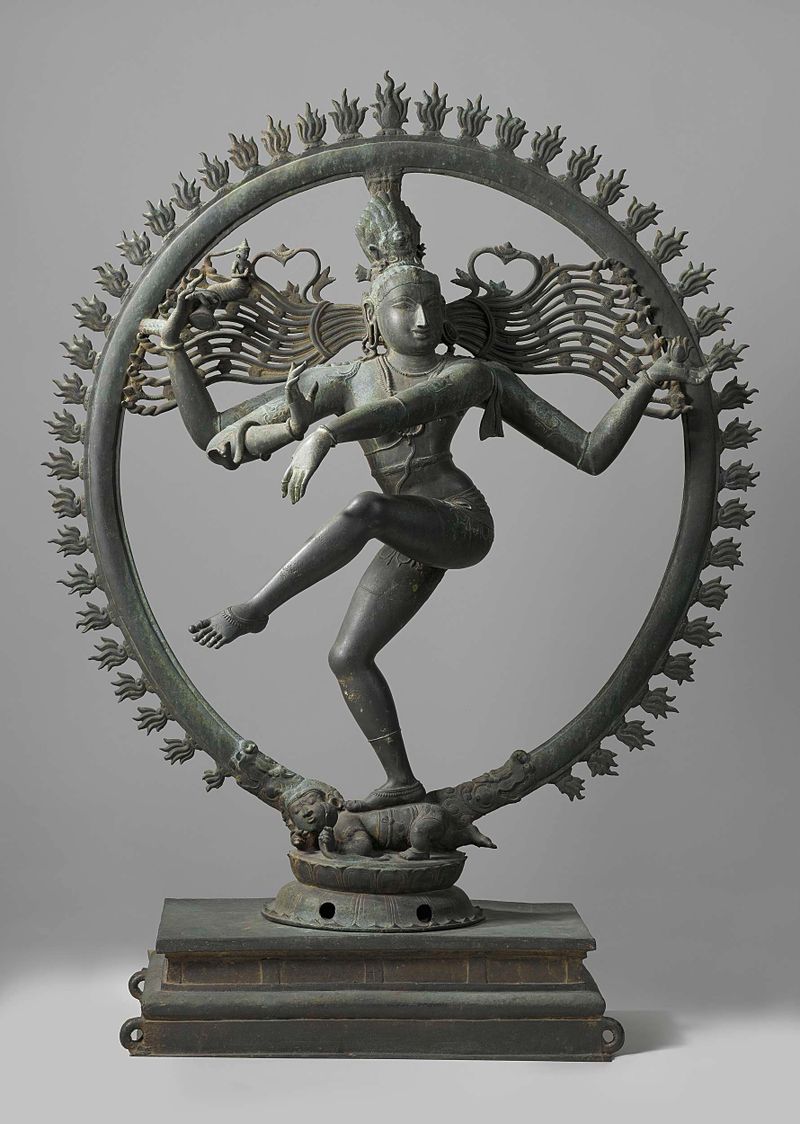
Shiva Nataraja
Unknown Artist

Portrait of Elizabeth I, Queen of England
Unknown Artist
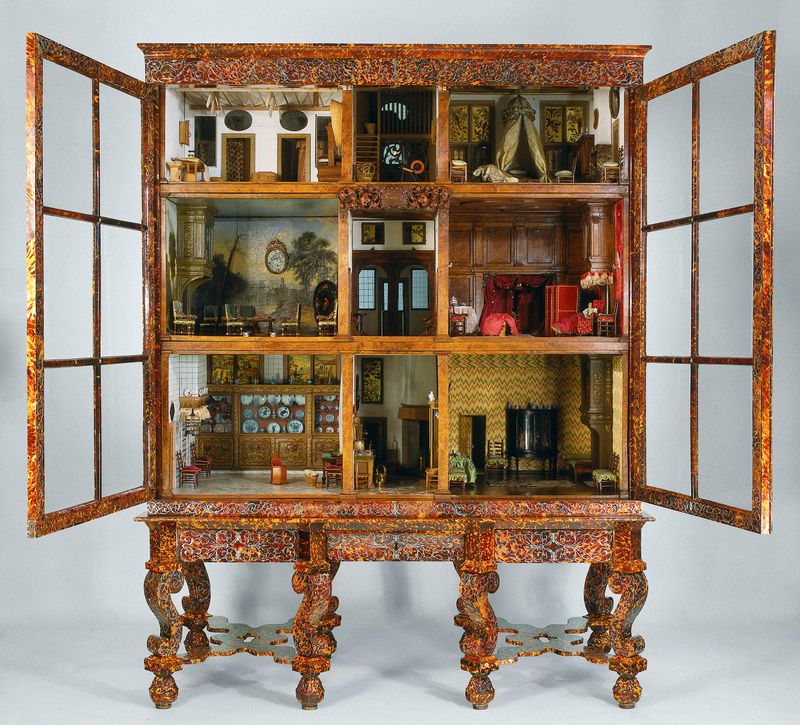
Dolls’ house of Petronella Oortman
Unknown Artist
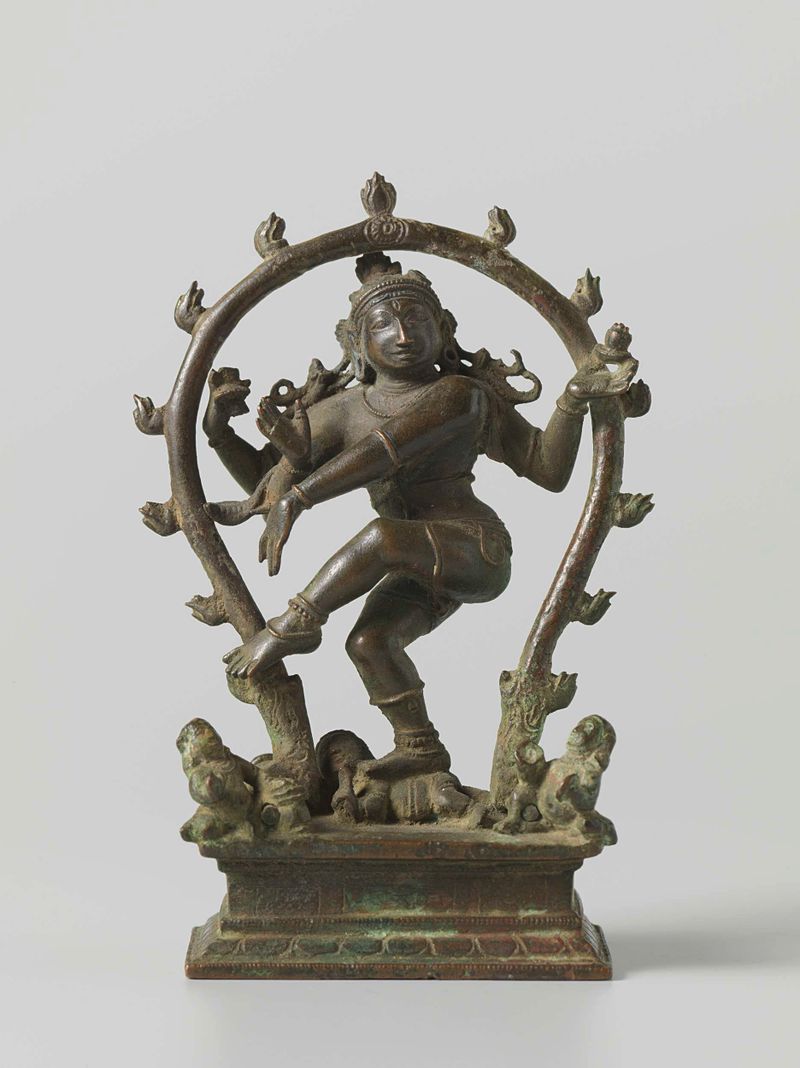
Shiva Nataraja
Unknown Artist

The Tale of Genji
Unknown Artist

The Tale of Genji
Unknown Artist

Cong
Unknown Artist
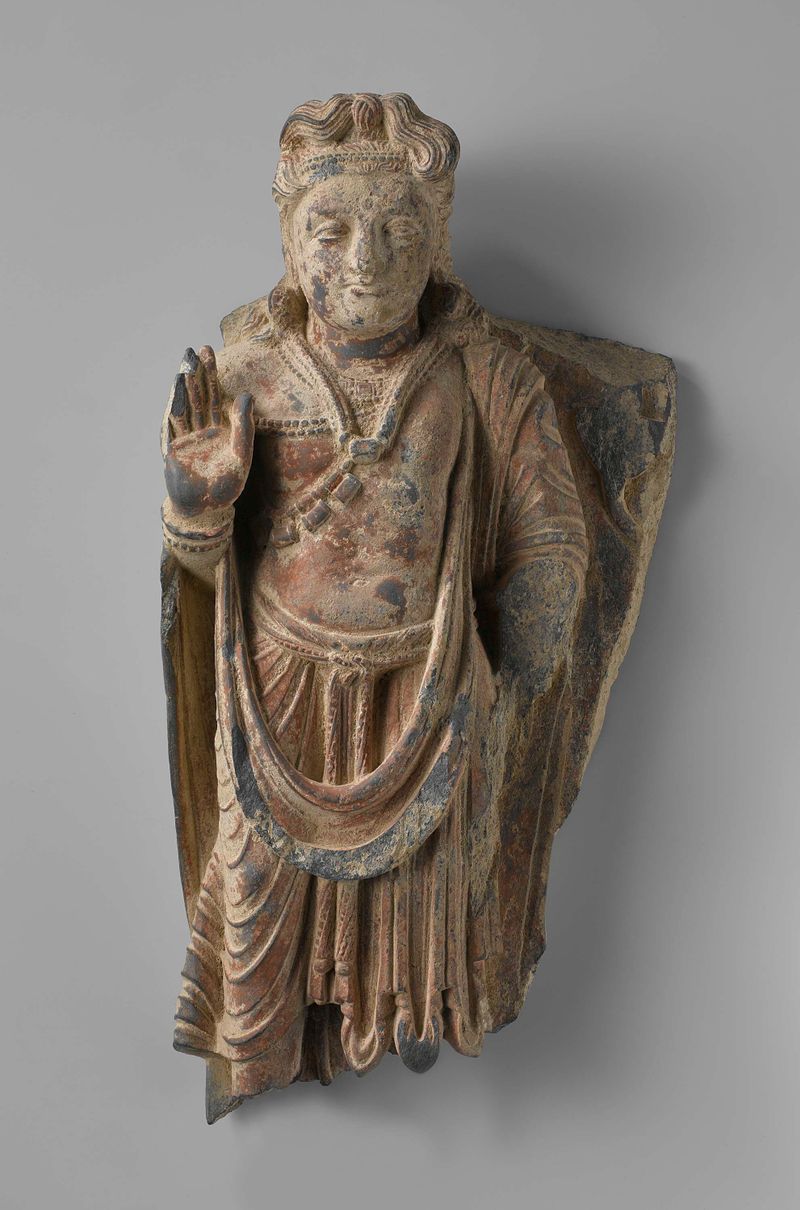
The bodhisattva Maitreya
Unknown Artist

Teabowl with a 'hare's fur' glaze
Unknown Artist