Ipswich, Marshes — History & Facts
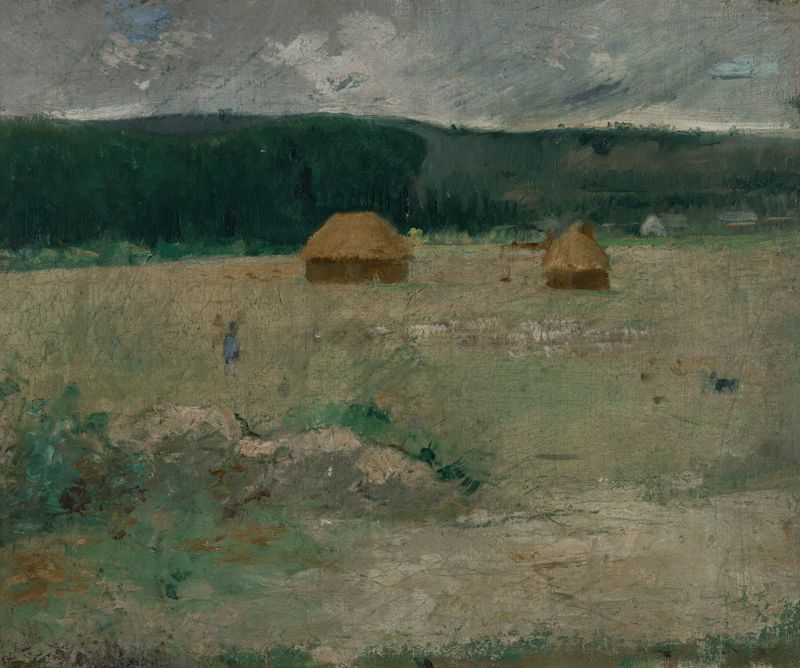
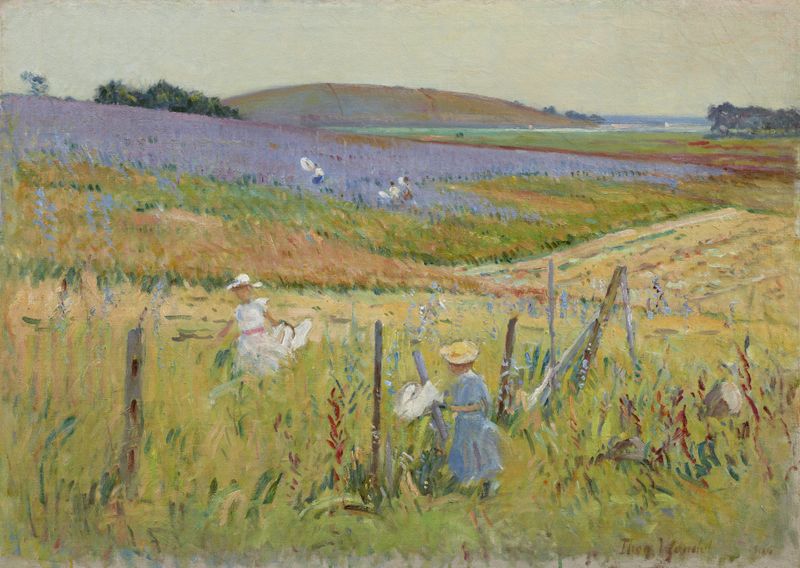
It whispers of tranquility, an invitation to embrace the stillness that pervades our lives. In such quiet moments, we find ourselves teetering on the edge of the profound, yearning for transcendence amidst the mundanity. Look at the horizon, where gentle greens and soft blues merge in a tender embrace. The vast marshes stretch before you, painted with broad strokes that suggest movement while retaining an air of calm.
Notice how the light dances across the water, shimmering like diamonds, while the subtle variations of color—earthy ochres and muted lavenders—capture the essence of this serene landscape. The brushwork is deliberate yet fluid, creating a sense of space that allows the viewer to breathe in the atmosphere of the scene. As you delve deeper, notice the delicate interplay between light and shadow, crafting an emotional landscape that reflects inner conflict and serenity. The marshes, with their seemingly endless expanse, symbolize both freedom and solitude, inviting contemplation on the nature of existence.
The tranquil water serves as a mirror, not just for the sky but for the soul, suggesting that sometimes, in stillness, we confront our truest selves. At the turn of the 20th century, Wendel painted this piece while residing in Ipswich, a time marked by a burgeoning interest in plein air techniques and the Impressionist movement. The world around him was evolving, yet he embraced the quietude of the marshes to explore his own artistic voice, capturing a moment that transcends the temporal and reaches into the eternal.