Irish Cottage — History & Facts
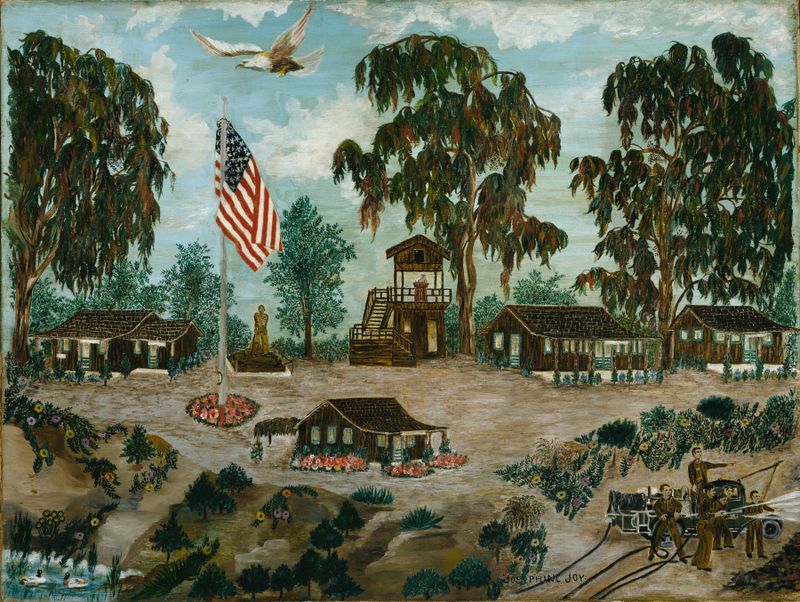
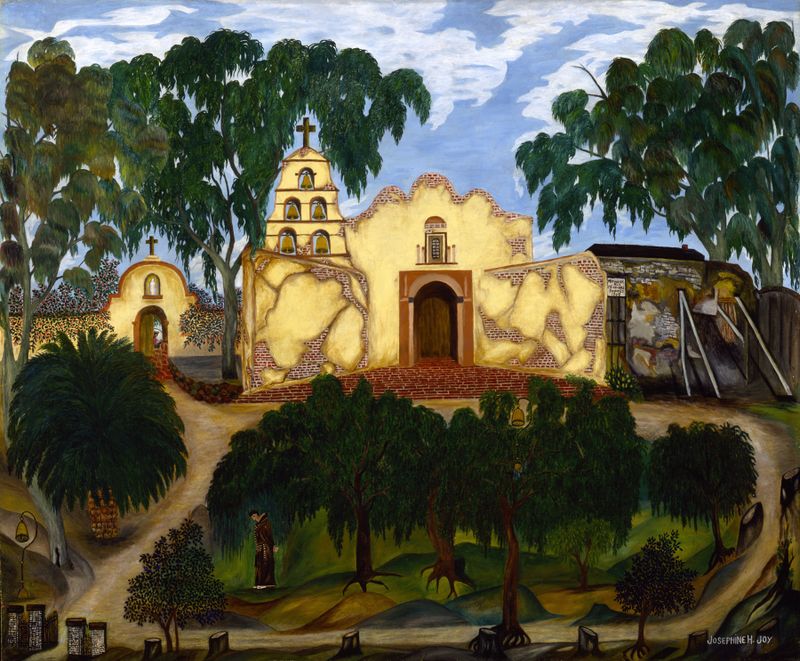
This reflects the silence held within the walls of an Irish cottage, where time weaves stories both tender and haunting. Look to the left at the rustic doorway, framed by overgrown ivy that spills languidly onto weathered stone. The muted greens and browns blend harmoniously, evoking the essence of the Irish countryside. Sunlight filters through, casting gentle shadows that dance across the textured surface, inviting the viewer into a space that feels both alive and eerily still.
Notice how the soft palette conjures nostalgia, its faded hues whispering of a bygone era. Examining the details reveals emotional contrasts—a delicate balance of warmth and isolation. The cottage stands resilient, embodying a shelter from life's storms while simultaneously hinting at abandonment. The carefully placed objects—a worn chair, a simple table—suggest lives once lived, echoing laughter and sorrow alike.
The light infuses the scene with an ethereal glow, illuminating memories hidden in the crevices of time, challenging us to confront what remains after the passage of years. Josephine Joy painted this work between 1935 and 1938, during a period of personal introspection. Living in a world shaped by the aftermath of the Great Depression and the looming shadows of World War II, she captured the essence of resilience in her subjects. As she explored themes of home and belonging, her commitment to representing the humble beauty of rural life resonated deeply within the artistic movements of her time, as artists sought to connect with their roots amidst societal upheaval.