Isbjerge 2 — History & Facts
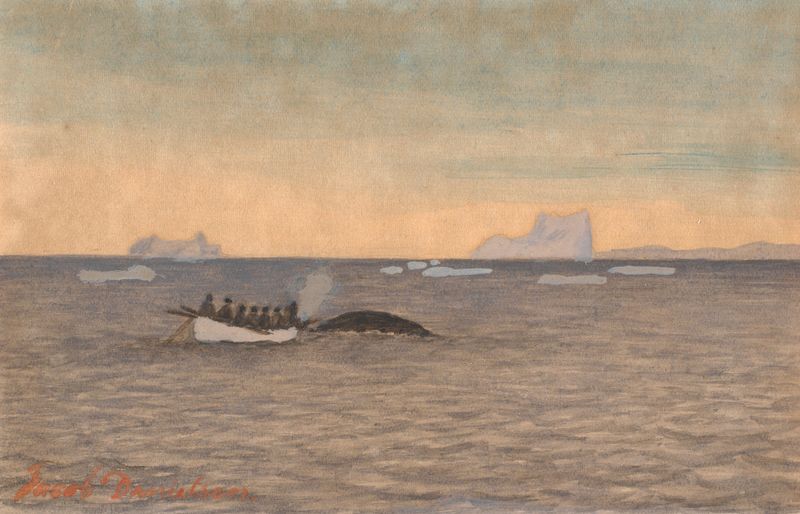
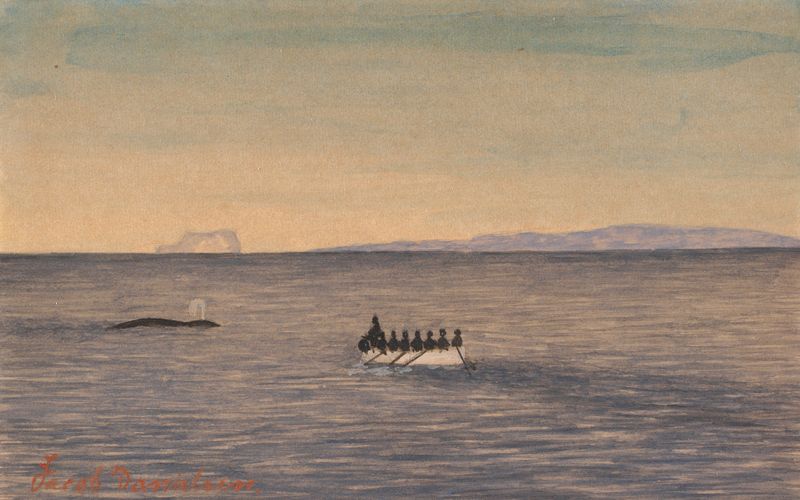
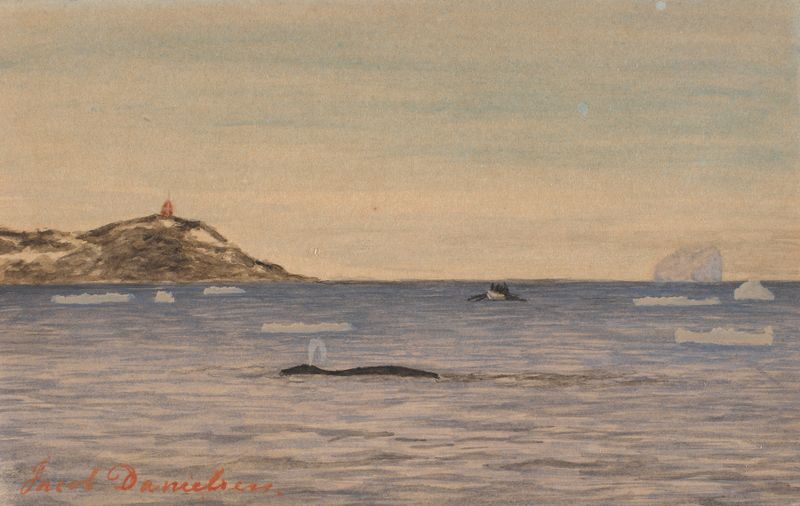
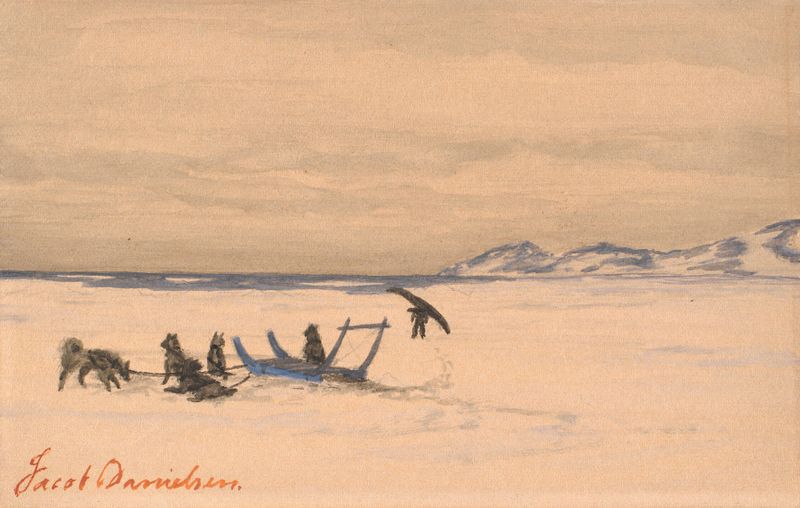
Could beauty survive in a century of chaos? The innocence captured in the vast, serene expanse of Isbjerge 2 speaks volumes in a turbulent world. Look closely at the soft blues and whites that dominate the canvas, drawing you into the delicate interplay between ice and water. Notice how the artist layers the paint, creating a textured illusion of icebergs drifting peacefully, their jagged edges softened by a gentle, almost ethereal light. This nuanced color palette invites contemplation, as the subtle shifts in hue evoke both tranquility and an underlying tension. The juxtaposition of the strong, imposing icebergs against the open water hints at fragility in a seemingly unyielding landscape.
One can almost sense the weight of the ice, representing innocence caught in turmoil — so beautiful yet precariously balanced on the brink of collapse. Each stroke unearths a deeper meaning, reflecting both the grandeur of nature and the vulnerability embedded within it. Jacob Danielsen created Isbjerge 2 during a period marked by significant artistic exploration in the late 20th century. His works often reflected the changing landscapes and environmental concerns of the time, influenced by the socio-political upheaval around him.
In this era, he sought to capture the essence of purity and beauty in nature, reminding viewers of innocence amidst chaos.