
Italian Landscape — History & Facts
In the void of emptiness lies a profound truth, silent yet resonant, beckoning the viewer to confront their own solitude. Focus on the expansive horizon, where muted greens and soft browns converge, a serene landscape stretching infinitely. Notice how the gentle strokes suggest both the delicacy of nature and the weight of absence, as if the land itself has sighed. The sky, a wash of pale blue, subtly embraces the earth, creating a tranquil yet haunting space that invites contemplation. Delve into the interplay of light and shadow in the foreground, which reveals the quiet tension between presence and absence.
The unpopulated terrain evokes an emotional solitude, where the absence of figures amplifies the feeling of isolation. This emptiness can be interpreted as both a celebration of nature's beauty and a meditation on the human experience, highlighting the paradox that in stillness, we often find ourselves. Created during a time when artists were exploring the boundaries of landscape representation, the work reflects the artist's deep engagement with the natural world. Willem de Heusch, active in the late 17th century, captured the essence of Italian vistas while grappling with the evolving art movements of his era, which increasingly favored romanticism and the emotional landscapes over mere documentation.
More Artworks by Willem de Heusch
Browse all →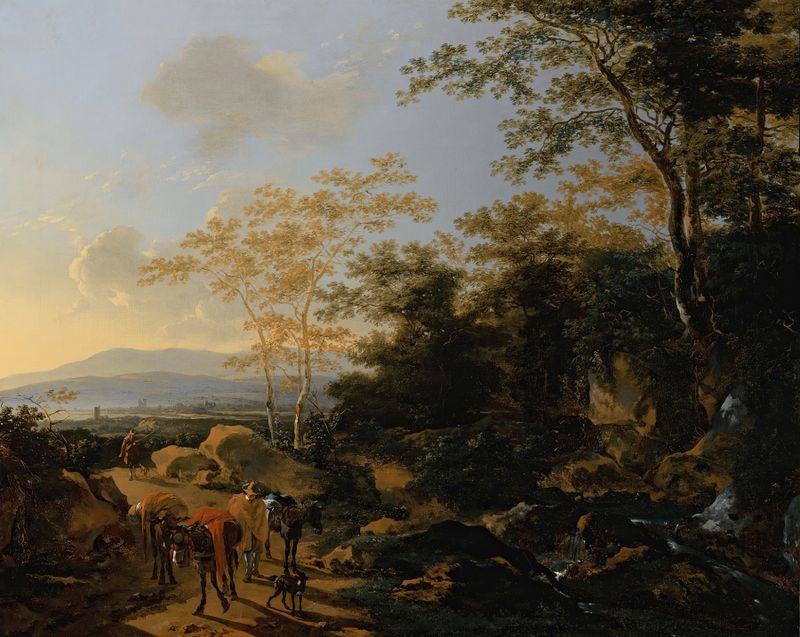
An Italianate landscape with travelers and mules by a waterfall
Willem de Heusch
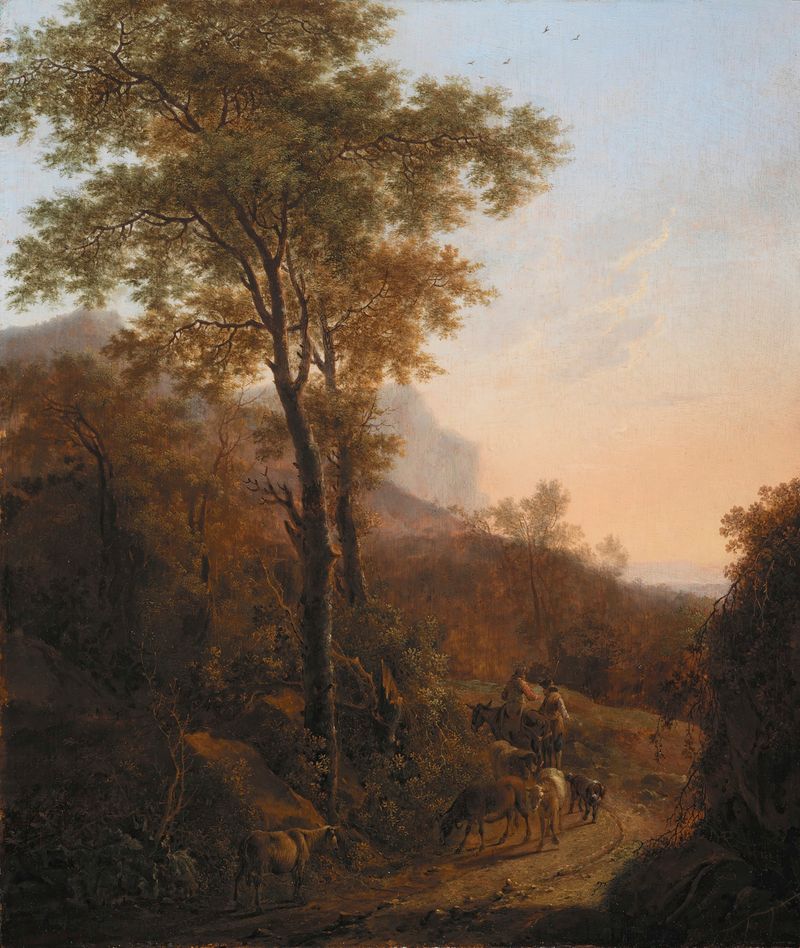
Italian Landscape
Willem de Heusch

Italianate landscape with shepherds
Willem de Heusch
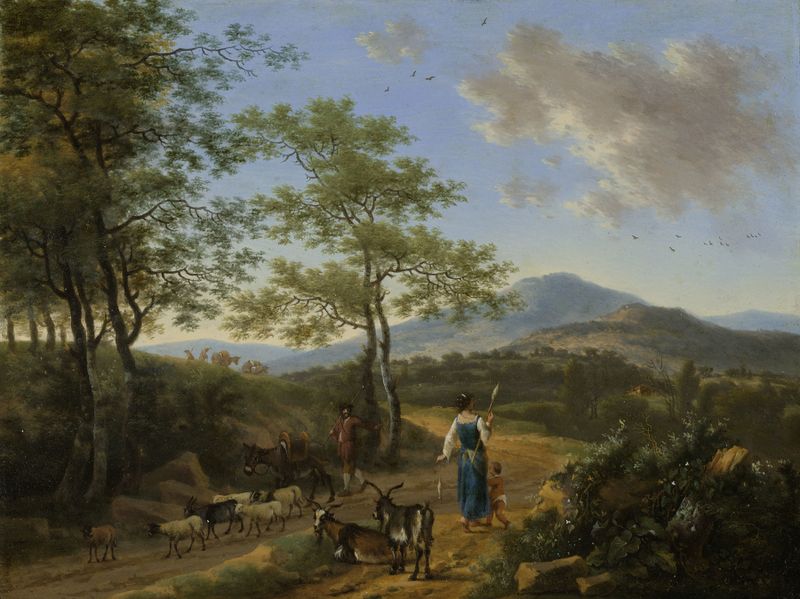
Italian Landscape with Herdsmen
Willem de Heusch
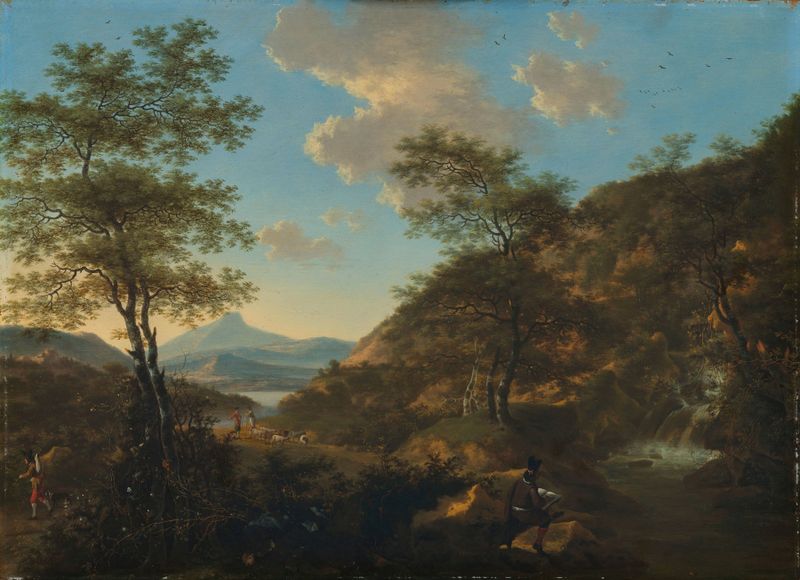
Italian Landscape with Draftsman
Willem de Heusch
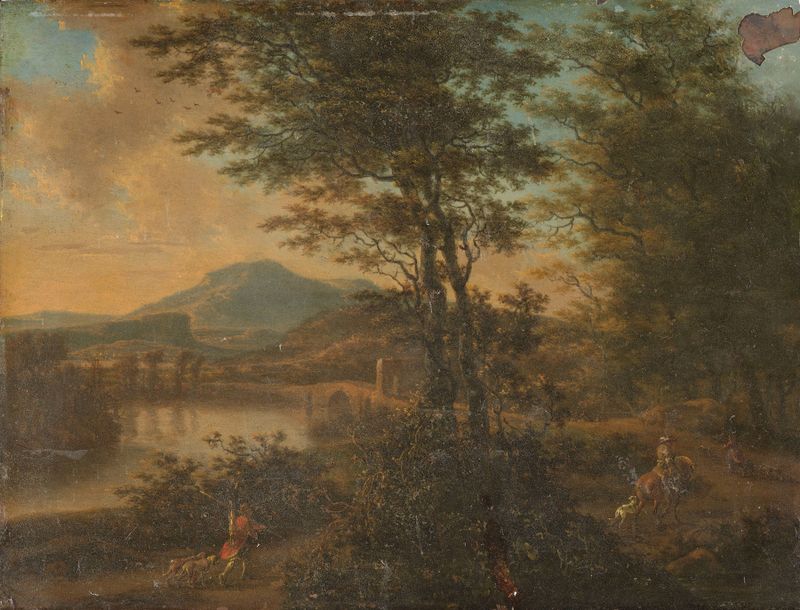
Italian Landscape at Sunset
Willem de Heusch
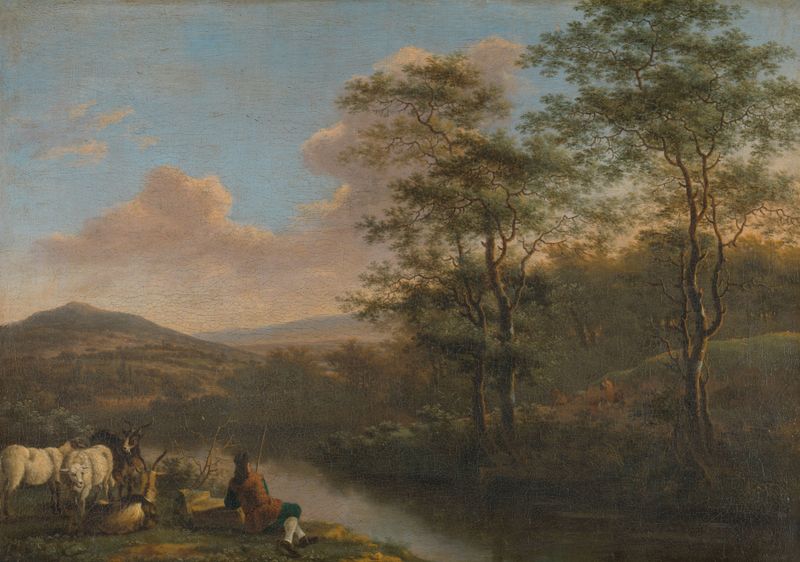
Italian Landscape with Resting Herdman
Willem de Heusch
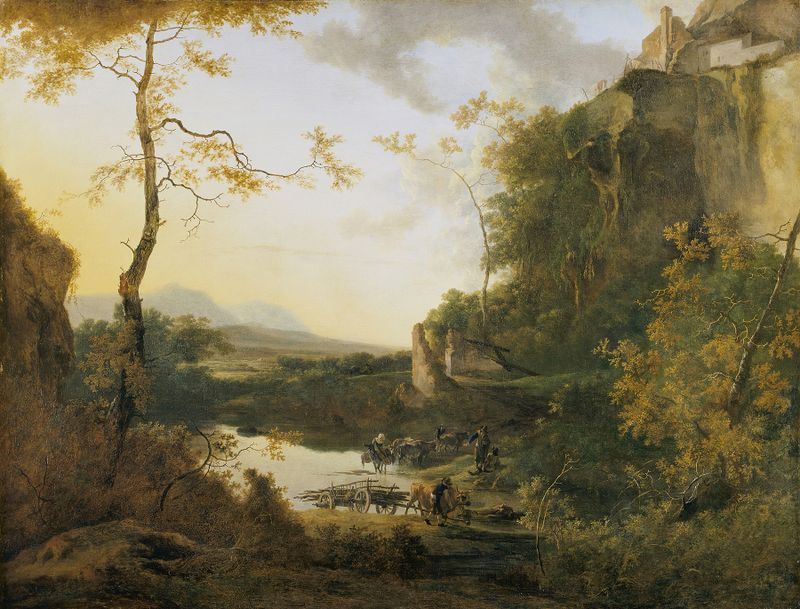
Italian Landscape with a Pool
Willem de Heusch
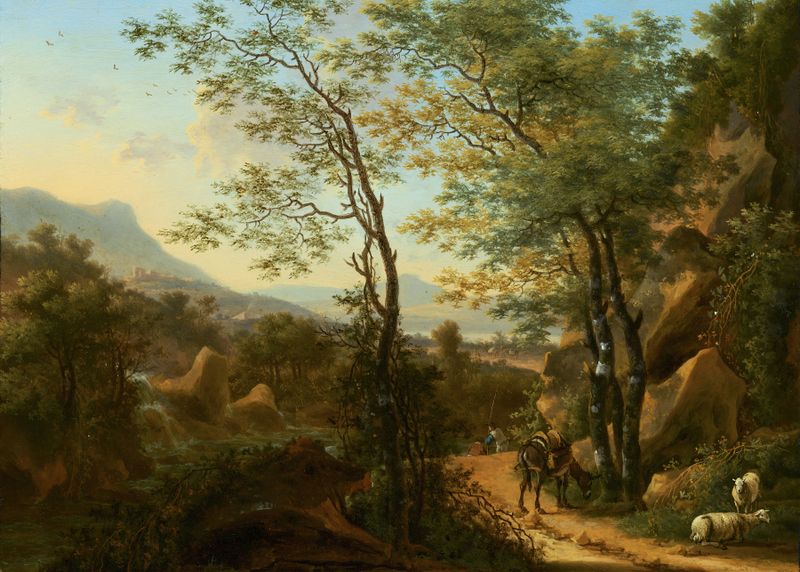
Mountainous Landscape in Italy
Willem de Heusch





